
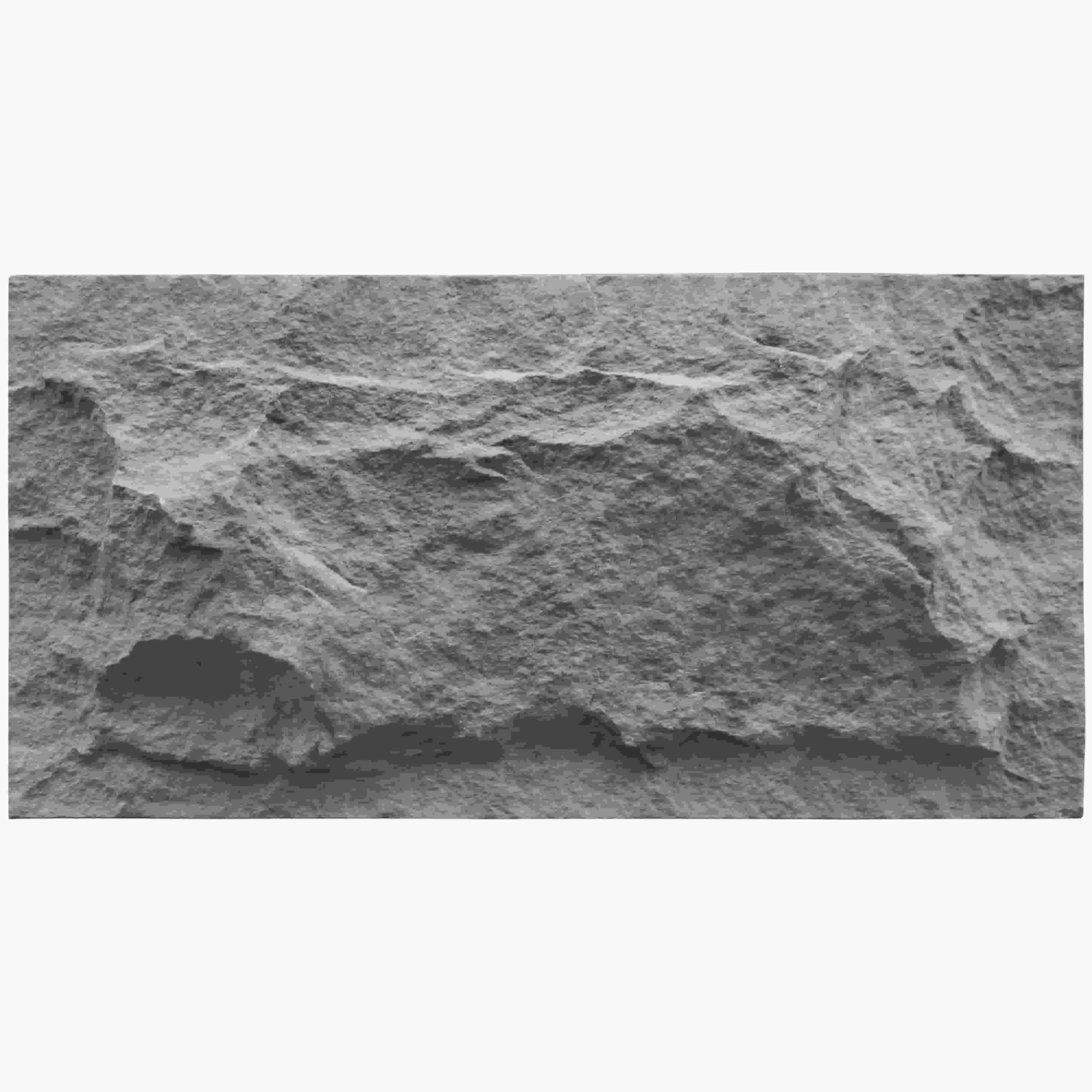
High-rise buildings are more than just steel and glass—they're the silent storytellers of a city's identity. Their exteriors shape skylines, frame street views, and even influence how we feel when we walk beneath them. Yet for architects and developers, choosing the right exterior material is a balancing act: it needs to be durable enough to withstand decades of weather, light enough to avoid overburdening the structure, and visually striking enough to stand out in a sea of concrete and glass. Enter Crossare Mushroom Stone043, a material that's been turning heads in the construction world not just for its aesthetics, but for how it redefines what's possible in high-rise design. Let's dive into why this innovative stone has become a go-to choice for modern urban landmarks.
For years, high-rise exteriors have been limited by the constraints of traditional materials. Take natural stone, for example: it's timeless and luxurious, but its weight—often 20-30 kg per square meter—adds enormous stress to a building's frame. This not only increases construction costs but also limits design flexibility, forcing architects to stick to simple, flat facades. Then there's brick, which is durable but offers little in the way of creativity; its rigid, uniform look can make even the most innovative building feel generic. Glass, while sleek, comes with its own issues: glare, heat absorption, and a tendency to show smudges and scratches, requiring constant maintenance.
Even newer materials like fair-faced concrete, praised for its raw, industrial charm, fall short in key areas. While it's strong and fire-resistant, its monochromatic, matte finish leaves little room for texture or variation. And when it comes to sustainability? Many traditional materials have hefty carbon footprints, from quarrying natural stone to firing bricks. In a world where green building practices are no longer optional, the industry has been crying out for a material that checks all the boxes: strength, beauty, flexibility, and eco-friendliness. That's where Crossare Mushroom Stone043 steps in.
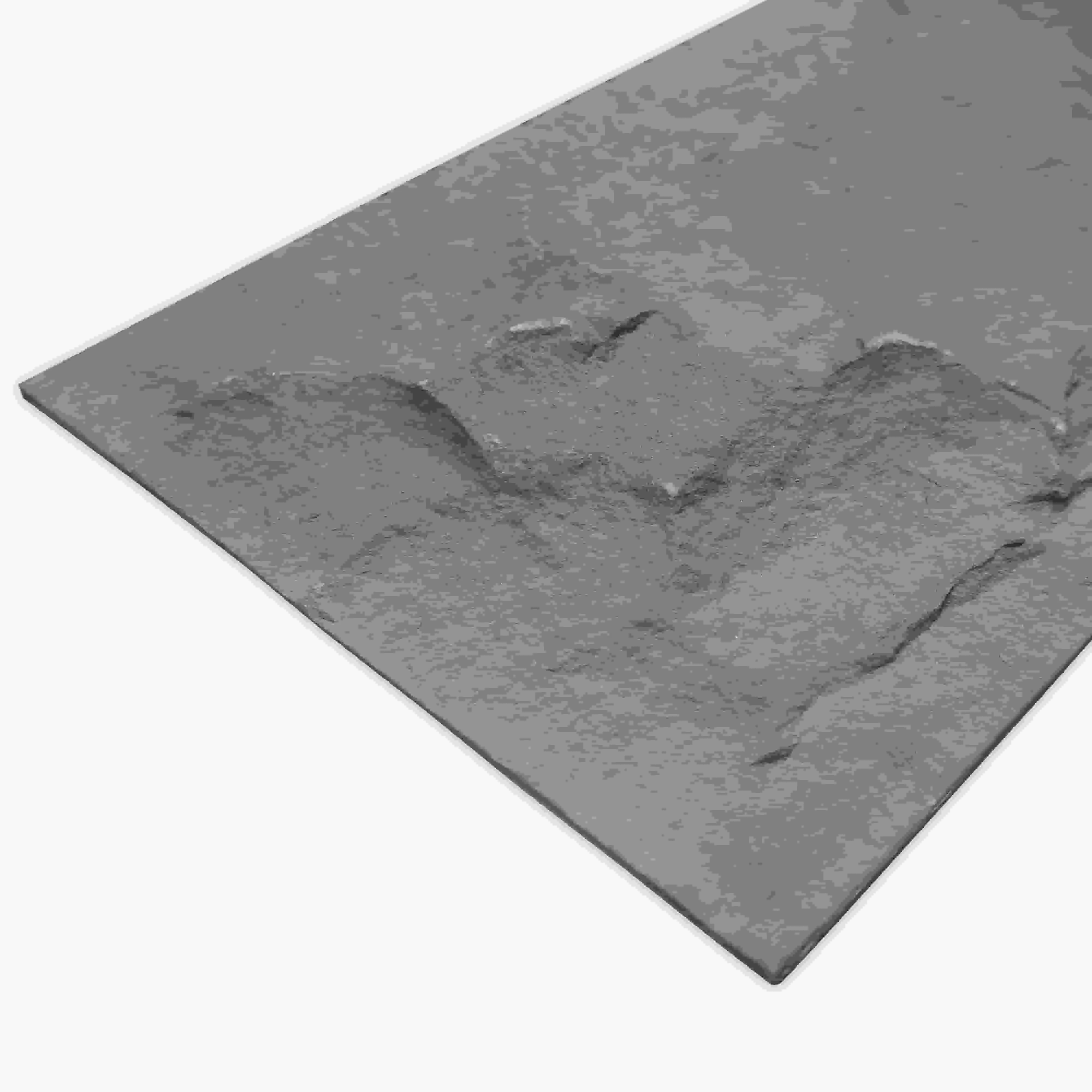
Crossare Mushroom Stone043 is part of MCM's broader family of mcm flexible stone products—a line built on the idea that strength and flexibility don't have to be mutually exclusive. Unlike rigid materials that crack under stress or lightweight options that sacrifice durability, this stone is engineered with a composite core that combines the best of both worlds. It's part of MCM's commitment to pushing boundaries, joining other game-changers like foamed aluminium alloy board (vintage silver) and lunar peak silvery in redefining exterior design.
But what exactly makes Crossare Mushroom Stone043 stand out? Let's break it down.
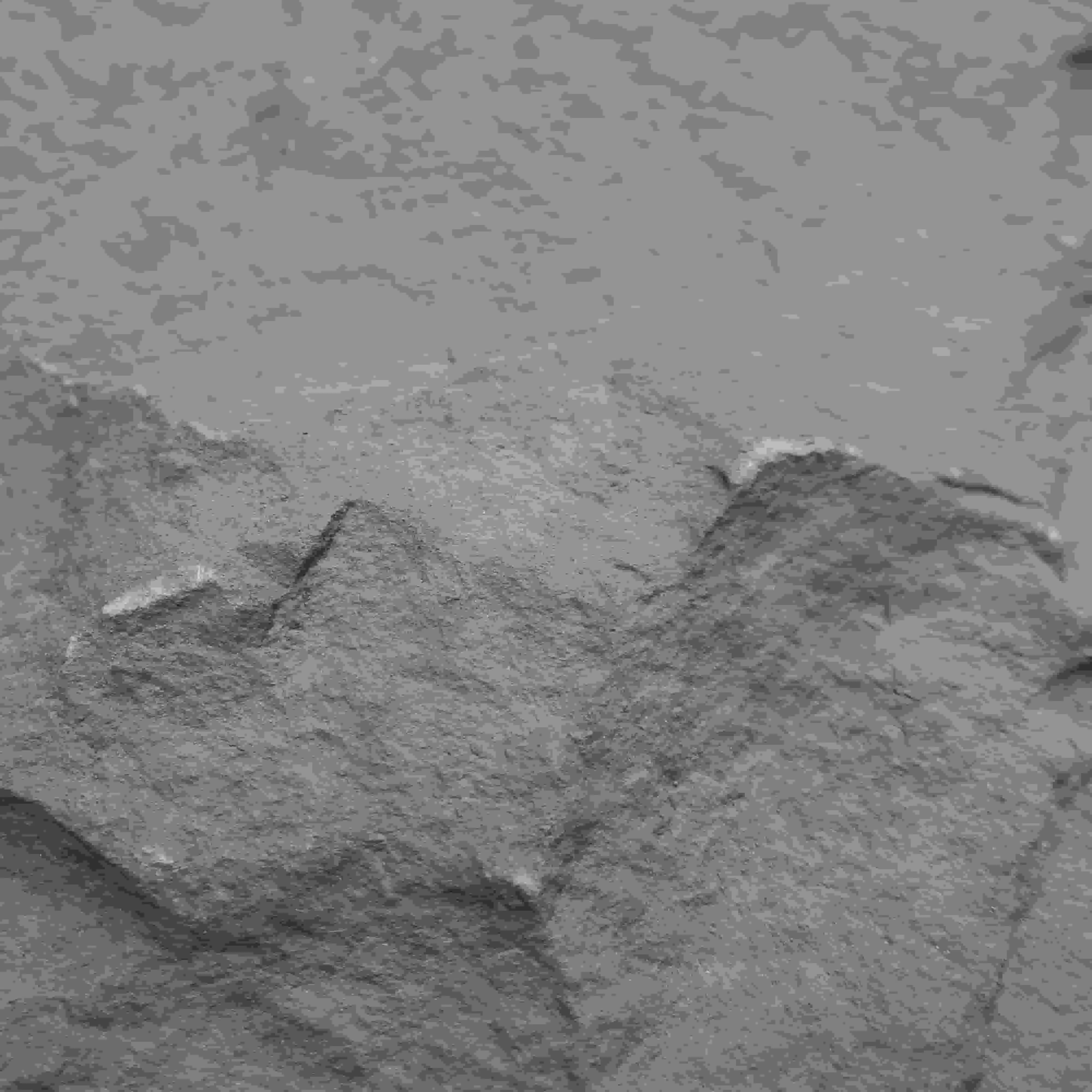
One of the biggest challenges in high-rise construction is weight. Every kilogram added to the exterior increases the load on the building's foundation and structure, which can drive up costs and limit design freedom. Crossare Mushroom Stone043 solves this with a weight of just 8-10 kg per square meter—less than half the weight of natural granite or even fair-faced concrete . This lightness means it can be installed on taller buildings without requiring extra structural reinforcement, saving both time and money during construction.
Don't let the lightness fool you, though. The stone's composite structure is engineered to withstand extreme conditions: high winds (up to 180 km/h), heavy rain, freeze-thaw cycles, and even UV radiation. In tests, it's proven resistant to chipping, fading, and cracking—qualities that ensure the facade will look as sharp in 20 years as it did on day one. Compare that to traditional materials like rough granite stone (dark grey) , which, while durable, can develop hairline cracks over time due to thermal expansion and contraction.
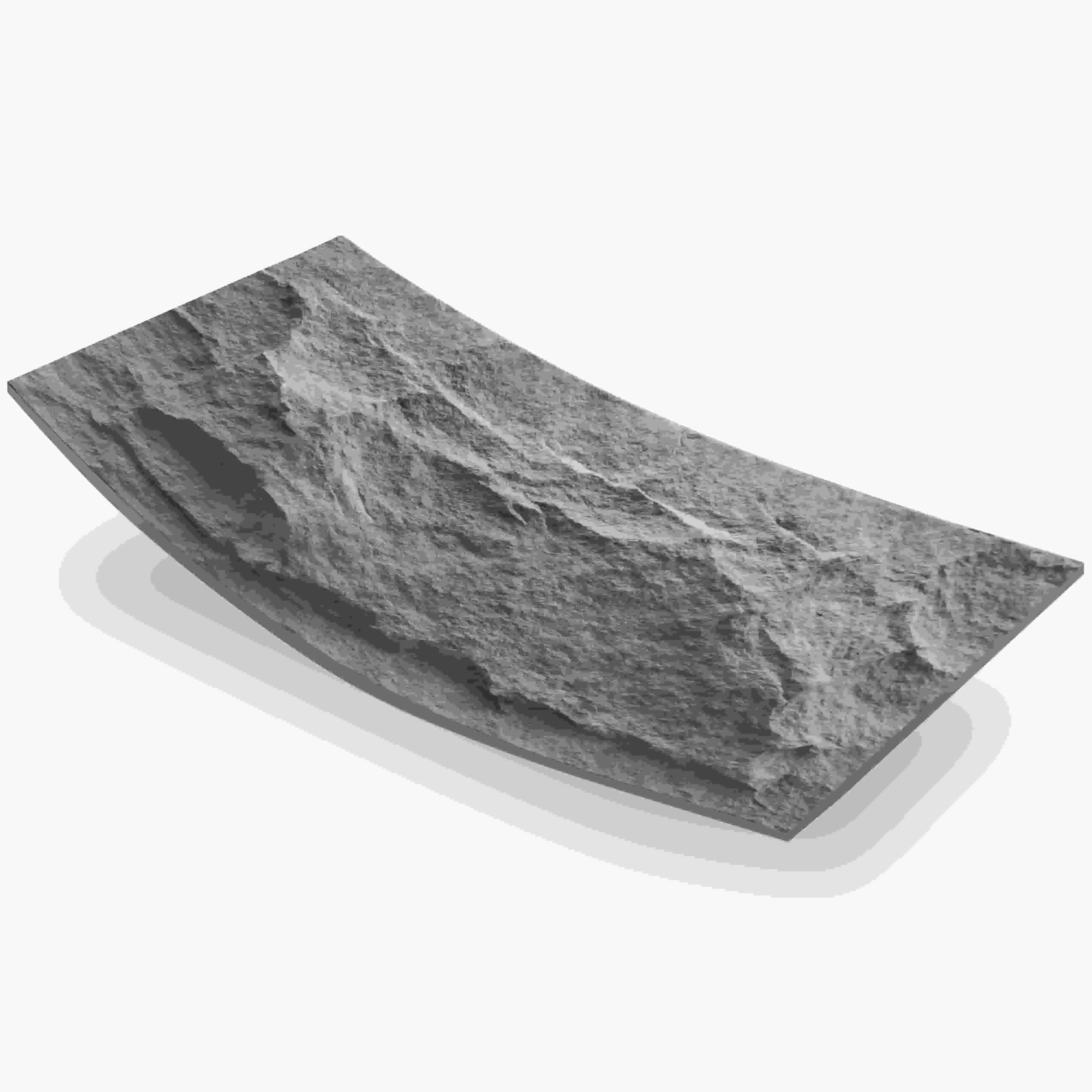
High-rises shouldn't all look the same—and with Crossare Mushroom Stone043, they don't have to. This material isn't just a "one-size-fits-all" solution; it's a canvas for creativity. Its flexibility allows it to be curved, bent, or cut into custom shapes, making it ideal for buildings with unique architectural features: undulating facades, angular protrusions, or even 3D-printed design elements (a nod to MCM's mcm 3d printing series ).
The aesthetic options are equally impressive. Crossare Mushroom Stone043 mimics the organic texture of natural mushroom stone—think rough, pitted surfaces with subtle variations in color and depth—but it also offers finishes that range from the earthy warmth of epoch stone to the metallic sheen of lunar peak golden . Want a facade that shimmers like starlight? Opt for a finish inspired by travertine (starry blue) . Prefer something more understated? The stone can be treated to look like weathered wood, aged concrete, or even weaving (khaki) for a tactile, artisanal feel. Unlike linear travertine (claybank) , which has a uniform, striated pattern, Crossare's texture feels alive—full of the kind of imperfections that make a building feel human, not machine-made.
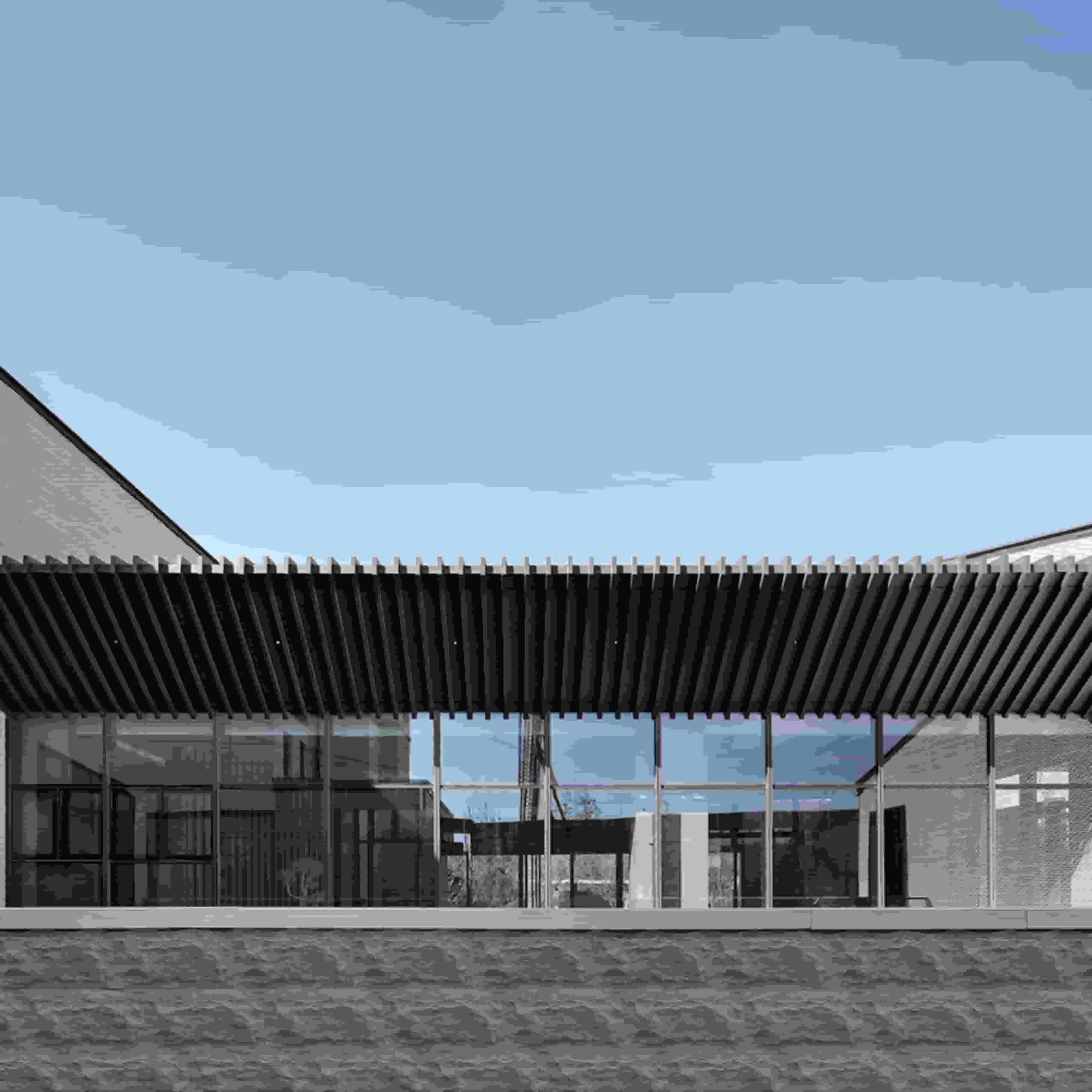
Today's developers and architects don't just care about how a building looks—they care about how it impacts the planet. Crossare Mushroom Stone043 checks this box, too. Its production process uses 60% recycled materials, including reclaimed stone dust and industrial byproducts, reducing the need for quarrying. It also requires less energy to manufacture than traditional fired clay bricks or polish concrete , and its lightweight nature cuts down on transportation emissions (fewer trucks needed to haul it to the construction site).
But the sustainability benefits don't stop at production. The stone's durability means less frequent replacement, reducing waste over the building's lifetime. It's also breathable, allowing moisture to escape and preventing mold growth—a common issue with vinyl or composite cladding. And unlike foamed aluminium alloy board (gold) , which requires specialized recycling, Crossare Mushroom Stone043 is fully recyclable at the end of its life, closing the loop on its environmental impact.
Time is money in construction, and Crossare Mushroom Stone043 is designed to save both. Its lightweight panels can be installed quickly using a simple dry-joint system, eliminating the need for messy mortar or adhesives. This not only speeds up construction (installers report up to 30% faster installation compared to natural stone) but also reduces the risk of errors during placement.
Maintenance is equally hassle-free. Unlike marble veil white , which requires regular sealing to prevent staining, or wood grain board , which needs painting or staining every few years, Crossare Mushroom Stone043 only needs occasional cleaning with water and mild soap. Its resistance to mold, mildew, and pollution means it stays looking fresh with minimal effort—perfect for busy building managers or homeowners associations.
To truly understand Crossare Mushroom Stone043's value, it helps to see how it compares to other popular exterior materials. Let's take a look at key metrics:
| Material | Weight (kg/m²) | Design Flexibility | Weather Resistance | Installation Time | Maintenance Needs |
|---|---|---|---|---|---|
| Crossare Mushroom Stone043 | 8-10 | High (curved, custom shapes) | Excellent (UV, wind, rain resistant) | Fast (30% quicker than natural stone) | Low (occasional cleaning) |
| Fair-Faced Concrete | 22-25 | Low (rigid, uniform finish) | Good (prone to staining) | Slow (requires curing time) | Moderate (sealing every 3-5 years) |
| Epoch Stone | 12-15 | Moderate (limited curves) | Good (fades in direct sunlight) | Moderate | Moderate (occasional sealing) |
| Lunar Peak Silvery | 10-12 | Moderate (metallic finish limits texture) | Excellent (UV resistant) | Moderate | Low (resistant to corrosion) |
| Rough Granite Stone (Dark Grey) | 25-30 | Low (rigid, heavy) | Excellent (prone to cracking over time) | Slow (requires specialized tools) | High (sealing, polishing) |
As the table shows, Crossare Mushroom Stone043 outperforms traditional options in nearly every category, especially in weight, design flexibility, and installation speed. It's a material that doesn't force architects to compromise—you can have durability and beauty, strength and creativity.
Let's take a look at how Crossare Mushroom Stone043 has been used in practice. In downtown Chicago, the "Ember Tower" residential high-rise faced a unique challenge: the client wanted a facade that felt warm and inviting (to contrast with the city's cold steel and glass) but was also durable enough to withstand Chicago's harsh winters. The architects initially considered travertine (beige) for its earthy tone but worried about its weight and maintenance needs. Then they discovered Crossare Mushroom Stone043.
The result? A 42-story tower with a facade that mimics the texture of natural travertine but with the lightweight benefits of MCM's flexible stone. The panels were curved at the corners to soften the building's angular shape, and a custom "sunset gold" finish was developed to catch the light during Chicago's short winter days. Residents rave about how the building feels "cozy" despite its height, and the maintenance team reports zero issues with cracking or fading after three years—even after a particularly brutal winter with -20°C temperatures and heavy snow.
"It's like having the best of both worlds," says lead architect Maria Gonzalez. "We didn't have to sacrifice aesthetics for practicality. Crossare let us design a building that's both beautiful and built to last."
As cities grow taller and more crowded, the demand for innovative exterior materials will only increase. Crossare Mushroom Stone043 isn't just a trend—it's a glimpse into the future of construction: materials that are sustainable, flexible, and designed with both function and feeling in mind. It joins other MCM innovations like foamed aluminium alloy board (vintage gold) and lunar peak black in proving that high-rise buildings can be more than just efficient—they can be inspiring.
For architects, it's a tool to push boundaries. For developers, it's a way to add value to a project (buildings with unique, durable facades often command higher rents or sale prices). For city dwellers, it's a reminder that even the tallest structures can have soul.
High-rise exteriors need to do more than just exist—they need to endure, inspire, and adapt. Crossare Mushroom Stone043 delivers on all three. Its lightweight strength reduces structural stress, its design flexibility sparks creativity, its sustainability aligns with green building goals, and its low maintenance makes it practical for long-term use. It's not just a material; it's a solution to the challenges of modern urban construction.
So the next time you look up at a high-rise and wonder, "How did they make that facade so striking?" there's a good chance Crossare Mushroom Stone043 is the answer. In a world where buildings are becoming more uniform, this stone is a reminder that innovation and artistry can go hand in hand—and that the future of our skylines is brighter (and more beautiful) than ever.
Recommend Products












