
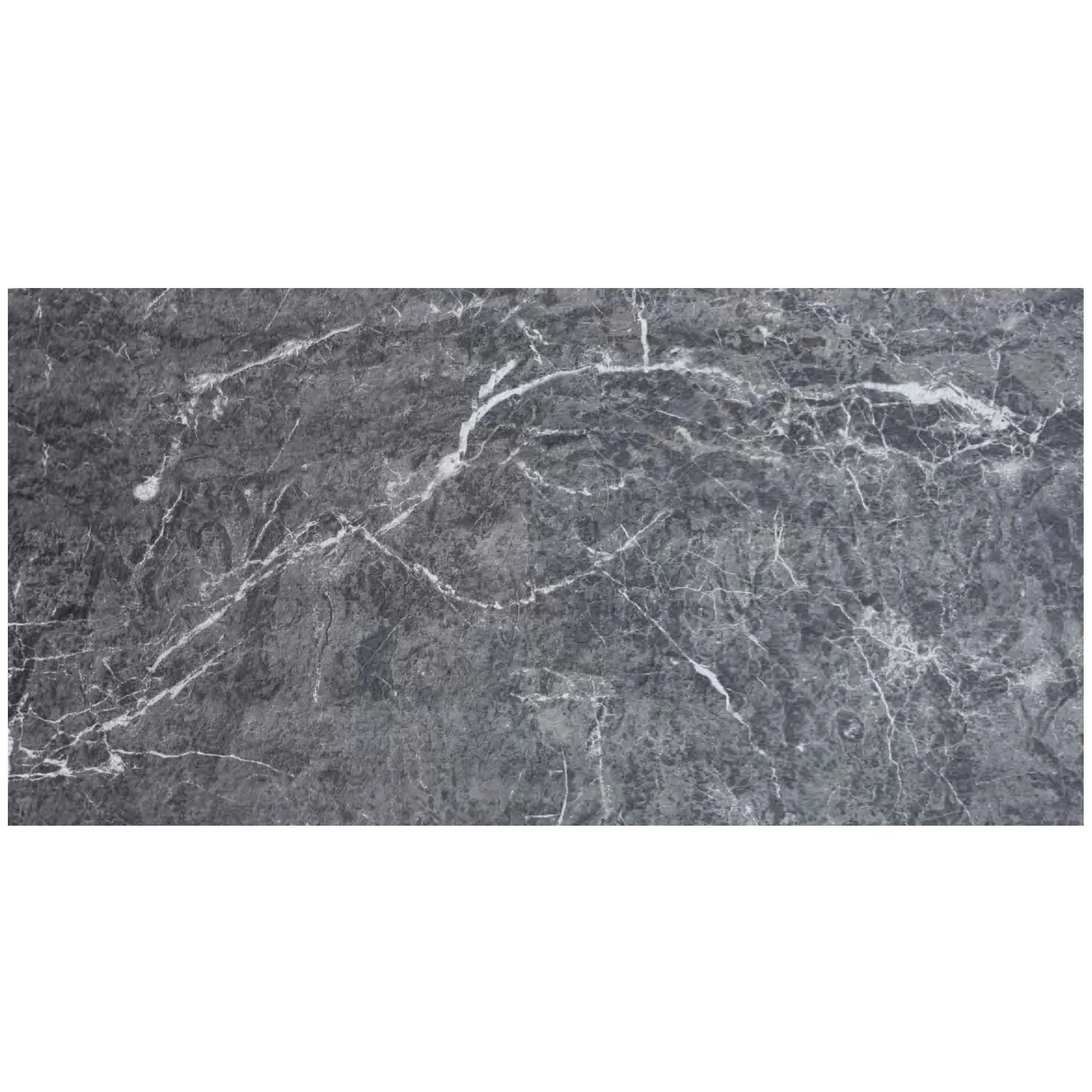
Exploring the timeless appeal of a design classic—and how modern technology is making it more accessible than ever
Walk through any historic district, and you'll notice it immediately: stone has a way of grounding a building in history while elevating its presence. From the grand marble facades of Renaissance palaces to the rugged granite of Gothic cathedrals, natural stone has been a cornerstone of architecture for millennia. It's not just about durability—though stone certainly delivers on that—it's about the stories it tells. Each vein, each fleck, each subtle variation in color is a fingerprint of the earth itself, turning walls into canvases that reflect the passage of time.
In the world of modern design, one stone has risen to become a favorite among architects, interior designers, and homeowners alike: Granite Nero Margiua. Its deep, moody black base, accented with delicate silver-gray veining, exudes sophistication and versatility. It's the kind of material that can make a minimalist living room feel luxurious or give a commercial lobby an air of quiet authority. But as with many natural wonders, there's a catch: traditional Granite Nero Margiua, for all its beauty, comes with challenges that can leave even the most passionate designers scratching their heads. That's where MCM technology steps in—reimagining this classic stone in a way that marries tradition with innovation.
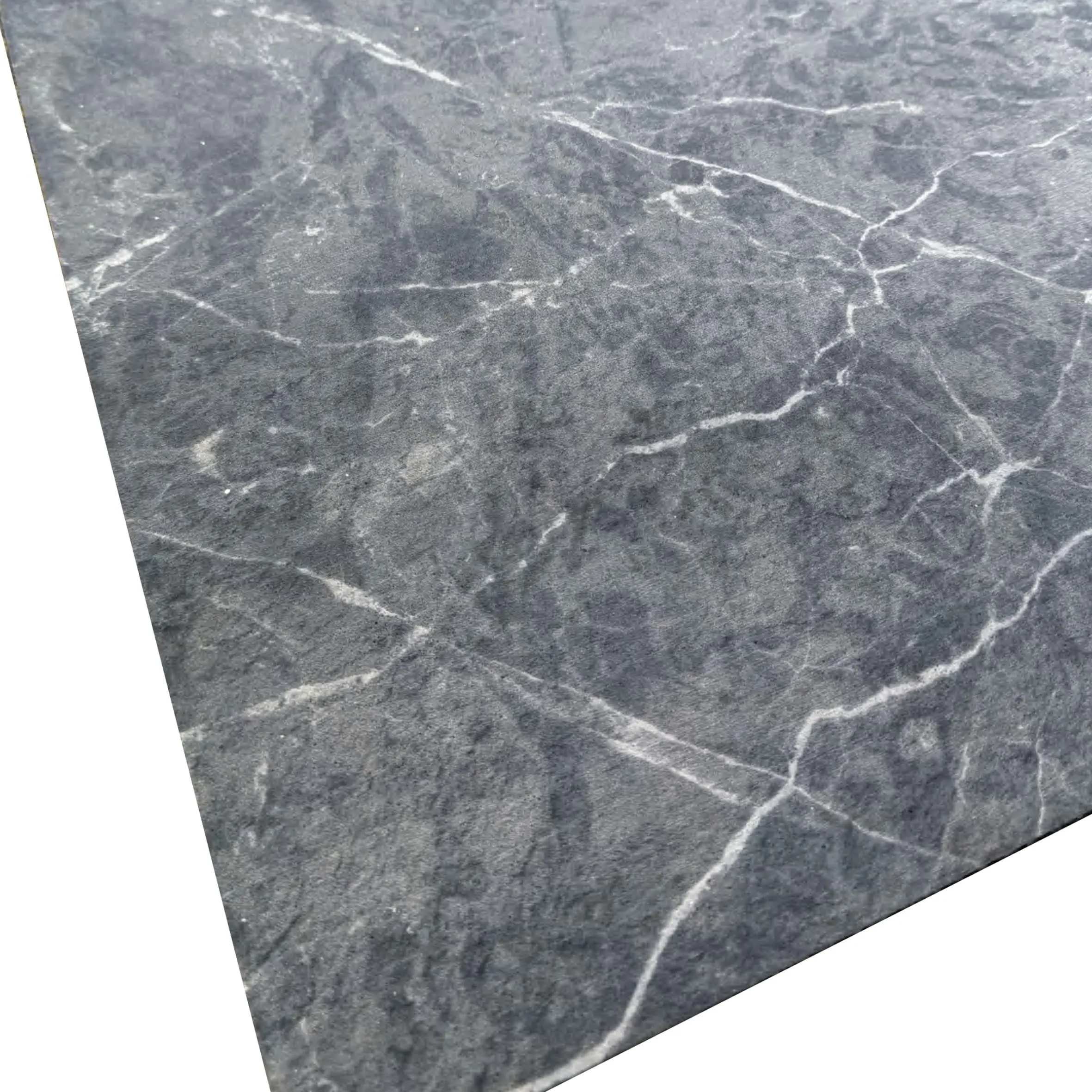
Let's start with the obvious: Granite Nero Margiua is stunning. Picture standing in front of a wall clad in this stone. The first thing you notice is its depth—this isn't a flat, one-dimensional black. It's a rich, velvety darkness that seems to absorb light, only to reveal subtle veins of silver and gray that catch the eye like starlight on a midnight sea. Run your hand over it, and you'll feel the cool, slightly rough texture—a tactile reminder of its natural origins. It's bold without being overwhelming, timeless without feeling outdated.
But beauty is just the beginning. Granite, by nature, is one of the toughest materials on the planet. Nero Margiua is no exception. It resists scratches, stains, and even the harshest weather conditions, making it a go-to for both interior and exterior applications. Imagine a commercial building in a rainy climate: while other materials might fade or deteriorate, Granite Nero Margiua stands firm, its color deepening slightly when wet, then drying to its original luster. For homeowners, that means a kitchen backsplash that can handle hot pans and spilled wine without a second thought, or a fireplace surround that ages gracefully for decades.
Culturally, granite has long been associated with strength and permanence. Think of ancient monuments or government buildings—they're often clad in granite to signal stability and authority. Nero Margiua, with its dramatic color palette, takes that symbolism a step further. It's a stone that feels both modern and ancient, making it perfect for projects that aim to bridge eras. A boutique hotel in a historic district might use it to contrast old brick with contemporary design; a tech startup's office could employ it to balance cutting-edge innovation with a sense of groundedness.
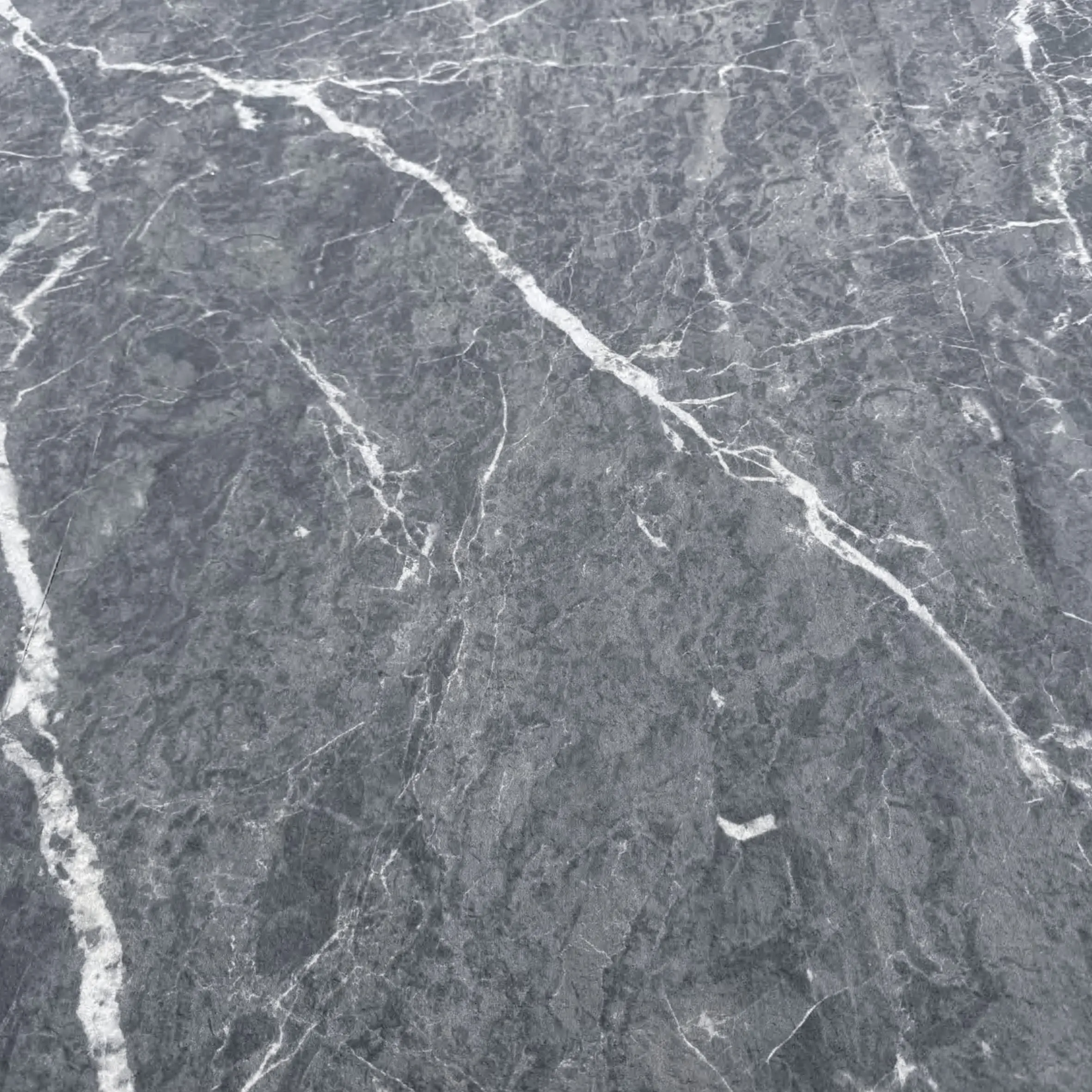
For all its (yōudiǎn—advantages, in case you're curious), traditional Granite Nero Margiua isn't without its drawbacks. Let's start with weight. Natural granite is heavy—really heavy. A single slab can weigh hundreds of pounds, which means structural considerations become a major headache. Installing it on upper floors? You'll need reinforced framing. Want to use it on a curved wall? Good luck—those slabs are rigid, not flexible. For architects working on projects with weight restrictions or unique geometries, this can be a dealbreaker.
Then there's the cost. Quarrying granite is labor-intensive, and transporting those massive slabs adds up quickly. Installation isn't cheap either—you need specialized crews with the tools and expertise to handle the weight without damaging the stone or the building. And if a slab cracks during installation? That's a significant loss of material and money. For smaller projects or budget-conscious clients, natural Nero Margiua can feel out of reach, forcing designers to compromise on their vision.
Environmental impact is another concern. Quarrying natural stone disrupts ecosystems, and the energy required to extract, cut, and transport slabs contributes to carbon emissions. In an era where sustainability is a top priority for many clients, specifying large quantities of natural granite can clash with green building goals. It's a tough spot: designers want the beauty of stone, but they also want to make choices that align with a more eco-friendly future.
And let's not forget customization. Natural stone is, well, natural. That means variations in color, veining, and texture are inevitable. While that's part of its charm, it can be frustrating if you're trying to achieve a uniform look across a large surface. Ordering multiple slabs and hoping they match? It's a gamble that doesn't always pay off.
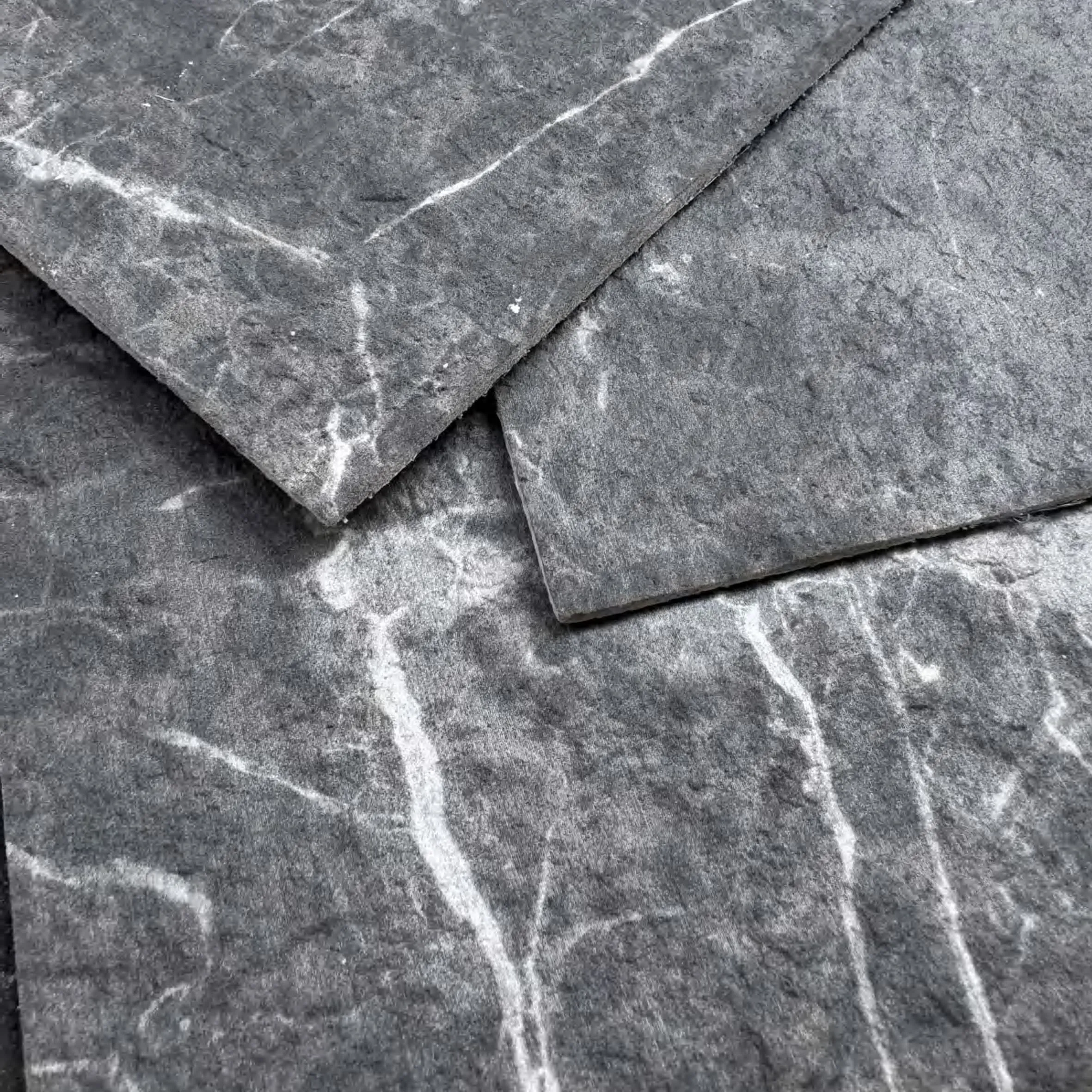
Enter MCM—short for Modified Composite Material—a technology that's been quietly revolutionizing the architectural materials industry. At its core, MCM is about capturing the essence of natural materials while solving their practical pitfalls. And when it comes to Granite Nero Margiua, MCM does more than just replicate the look—it reimagines what the stone can be.
So, how does it work? MCM panels are crafted by blending natural stone particles (think crushed granite, marble, or in this case, Nero Margiua) with high-performance polymers and reinforcing fibers. The result? A material that's thin (often just 3-5mm thick), lightweight (up to 80% lighter than natural stone), and surprisingly flexible. It's like taking the soul of Granite Nero Margiua and giving it a new, more adaptable body.
The magic lies in the manufacturing process. MCM producers use advanced molding and texturing techniques to recreate the exact look and feel of natural Granite Nero Margiua. Those signature silver veins? They're replicated with precision, right down to the way they twist and fade. The matte, slightly porous surface? Captured so accurately that even a seasoned stone expert might do a double-take. It's not a cheap imitation—it's a high-fidelity reproduction that honors the original while fixing its flaws.
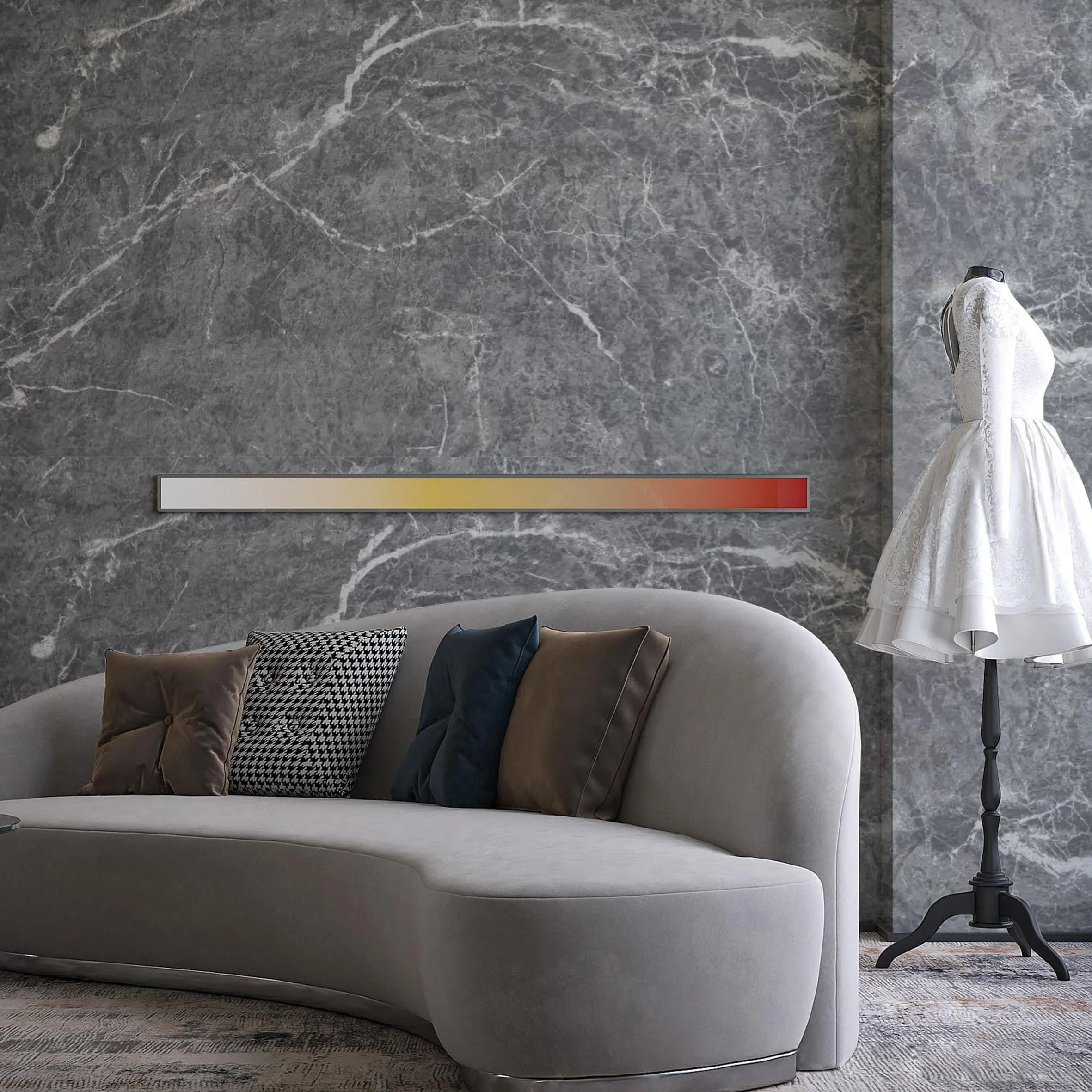
One of the biggest advantages of MCM Granite Nero Margiua is the level of customization it offers. Remember how natural stone can be unpredictable? With MCM, you're in control. Want a slightly lighter black to complement a bright interior? Done. Prefer more pronounced veining for a dramatic accent wall? No problem. Need panels in a specific size to fit a unique space? MCM manufacturers can tailor dimensions to your project's exact needs, whether that's large-format slabs for a commercial facade or smaller tiles for a residential backsplash.
But customization goes beyond just color and size. MCM Granite Nero Margiua can be finished in different ways to suit the application. A honed finish for a sleek, modern look? A brushed texture for added grip in high-traffic areas? Even specialized finishes that mimic weathered or aged stone for historical renovations—MCM can do it all. And because the material is consistent across batches, you can be confident that every panel will match, eliminating the guesswork of natural stone.
This flexibility opens up a world of design possibilities. Imagine a curved staircase clad in MCM Granite Nero Margiua—something that would be nearly impossible with heavy natural slabs. Or an exterior facade with intricate geometric patterns, made easy by the lightweight panels. For designers, it's like having a blank canvas where the beauty of Nero Margiua is no longer limited by physics or logistics.
Let's talk about the nitty-gritty benefits that make MCM Granite Nero Margiua a hit with builders and installers. First and foremost: weight. As mentioned earlier, MCM panels are dramatically lighter than natural stone. A typical 4x8-foot MCM panel weighs around 15-20 pounds, compared to 150-200 pounds for a natural granite slab of the same size. That means easier transportation (no need for heavy machinery), simpler installation (often just two people can handle a panel), and less strain on the building's structure. For high-rise buildings or retrofits where weight is a critical factor, this is a game-changer.
Flexibility is another big plus. MCM panels can bend slightly, allowing them to conform to curved surfaces or uneven walls. This is a huge advantage for projects with unique architectural details—think rounded columns, arched doorways, or (bōlàngxíng—wavy) facades. Natural stone, being rigid, would require custom cutting and fitting, driving up costs and complexity. With MCM, those curves become achievable without the headache.
Sustainability is also front and center. MCM production uses significantly less energy than quarrying and processing natural stone. Many manufacturers incorporate recycled materials into their panels, and because MCM is lightweight, transportation emissions are reduced. Plus, the durability of MCM means panels last for decades, reducing the need for replacement and minimizing waste. For clients aiming for LEED certification or other green building standards, MCM Granite Nero Margiua checks all the boxes.
Cost-effectiveness can't be ignored either. While MCM panels might have a similar upfront material cost to high-end natural stone, the savings kick in during installation and transportation. Fewer labor hours, no need for specialized heavy equipment, and lower shipping costs add up quickly. And because MCM is less prone to breakage during installation, there's less material waste. Over the life of a project, the total cost of ownership is often significantly lower than with natural Granite Nero Margiua.
| Feature | Traditional Granite Nero Margiua | MCM Granite Nero Margiua |
|---|---|---|
| Weight (per sq. ft) | 15-20 lbs | 2-3 lbs |
| Thickness | 20-30mm | 3-5mm |
| Installation Time | Long (requires specialized crew) | Short (2-3 people, basic tools) |
| Environmental Impact | High (quarrying, transportation emissions) | Low (recycled materials, reduced energy use) |
| Flexibility | Rigid (no bending) | Flexible (conforms to curves) |
| Customization | Limited (natural variations) | Extensive (colors, textures, sizes) |
MCM Granite Nero Margiua isn't just for one type of project—it's versatile enough to shine in nearly any setting. Let's start with exteriors. Imagine a modern home with a facade clad in MCM Nero Margiua panels. The lightweight material means the home's structure doesn't need extra reinforcement, and the panels stand up to rain, wind, and UV rays without fading or deteriorating. Add some fair-faced concrete accents, and you've got a striking contrast of textures that feels both industrial and elegant.
Commercial spaces are another sweet spot. Hotels, for example, love MCM Nero Margiua for lobbies and exterior walls. It creates a sense of luxury without the weight and cost of natural stone, and it's easy to maintain—no need for frequent sealing or polishing. Retail stores use it to create bold feature walls that draw customers in, while offices appreciate its professional, understated vibe. Even restaurants and cafes are getting in on the action, using MCM panels for bar fronts or accent walls that add warmth and character to the space.
Interior applications are equally impressive. Kitchen backsplashes are a popular choice—MCM Nero Margiua resists heat, stains, and moisture, making it practical for busy kitchens. Bathrooms benefit from its water resistance too, whether used as shower walls or vanity surrounds. And let's not forget fireplaces: a Nero Margiua MCM panel surround adds instant drama, turning a functional feature into a focal point. For homeowners who want the look of natural stone in high-moisture areas without the maintenance, MCM is a no-brainer.
Historical renovations are where MCM really shows its versatility. Many older buildings have strict guidelines about materials, but MCM Nero Margiua can be customized to match the look of original stonework. Its lightweight nature also makes it ideal for retrofitting, where adding heavy materials could damage the building's structure. It's a way to honor the past while embracing modern technology—a bridge between history and innovation.
Take Sarah, an interior designer based in Chicago, who was tasked with renovating a 1920s apartment building's lobby. The client wanted to preserve the building's historic charm while updating the space to attract young professionals. Sarah fell in love with the idea of using Granite Nero Margiua for the reception desk and accent walls, but the building's old structure couldn't support the weight of natural stone. "I was devastated," she recalls. "I thought we'd have to settle for a cheap laminate that didn't capture the richness I wanted." Then a colleague mentioned MCM flexible stone.
Sarah ordered samples of MCM Granite Nero Margiua, and when they arrived, she was blown away. "It looked exactly like the natural stone I'd fallen for," she says. "I ran my hand over it, and I swear, I couldn't tell the difference. The installers were in and out in a day—no heavy equipment, no structural modifications. The client was thrilled, and the lobby now feels both timeless and modern. It's become the talk of the neighborhood."
Then there's Michael, a commercial builder in Austin, who used custom MCM exterior panels in Granite Nero Margiua for a new tech office campus. "We needed a material that could handle Texas heat and storms, look sharp, and keep costs in check," he explains. "Natural granite was out of the question because of the weight—we were building on a slab that couldn't support it. MCM was the answer. The panels went up quickly, they've held up perfectly through two summers, and the client loves how sleek the buildings look. Plus, we saved on labor and shipping—enough to add extra amenities to the project."
As the demand for sustainable, versatile, and cost-effective building materials grows, MCM is poised to become a staple in the industry. It's not just about replicating natural stone—though it does that beautifully—it's about redefining what's possible in design. With MCM, architects and designers no longer have to choose between beauty and practicality, between tradition and innovation.
Looking ahead, we can expect even more advancements in MCM technology. Manufacturers are already experimenting with new textures, finishes, and even integrated features like insulation or soundproofing. Imagine a Granite Nero Margiua MCM panel that not only looks stunning but also helps regulate a building's temperature or reduces noise pollution. The possibilities are endless.
For homeowners, business owners, and designers alike, MCM Granite Nero Margiua represents a shift toward smarter, more intentional design. It's about choosing materials that honor the earth's beauty without exploiting its resources, that elevate spaces without breaking the bank, and that adapt to the unique needs of each project. In a world where we're all looking for ways to do more with less, MCM offers a simple, elegant solution: the timeless allure of Granite Nero Margiua, reimagined for the way we build and live today.
Recommend Products












