
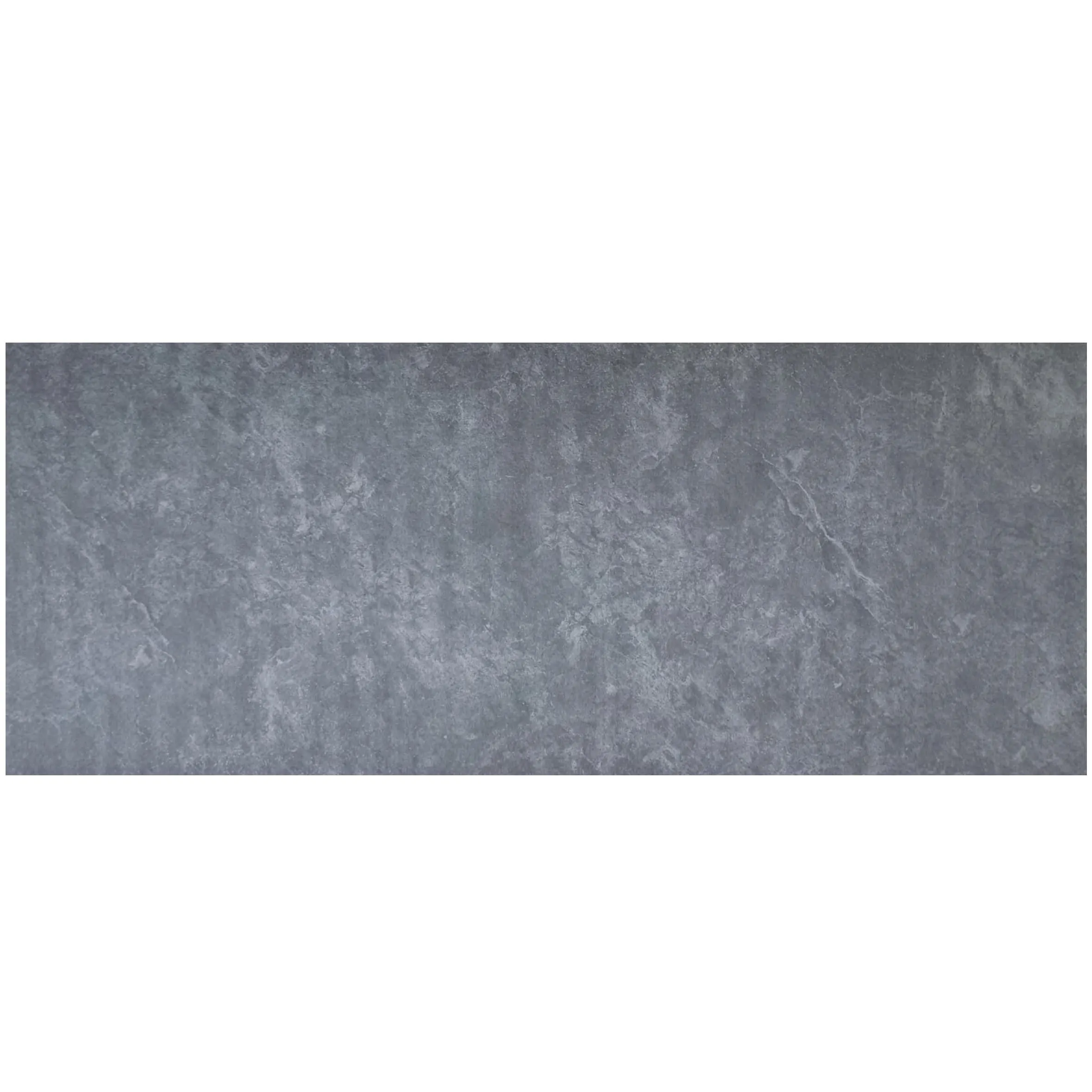
Modern architecture is a dance between form and function, where every material choice tells a story—of light, space, and human experience. In this evolving narrative, one material has emerged as a quiet protagonist: Marble Interstellar Gray. Unlike the bold marbles of classical palaces or the stark concretes of industrial minimalism, this stone balances understatement with depth, making it a favorite among architects who seek to craft spaces that feel both timeless and alive. But what exactly sets it apart? To answer that, we must explore its aesthetic allure, functional resilience, and the seamless harmony it creates with other contemporary materials—from the flexibility of mcm flexible stone to the raw honesty of fair-faced concrete .
At first glance, Marble Interstellar Gray captivates with a color that defies simple description. It is not merely "gray"—it is a spectrum of quiet drama. Imagine a sky just after sunset, when the last traces of daylight blend with the first whispers of twilight: soft silver undertones catch the light, while deeper, smoky grays settle into the stone's veins like shadows between stars. This is the essence of "interstellar" in its name—not a harsh, artificial hue, but a living, breathing color that shifts with its environment. In a sunlit atrium, it glows with a warm, metallic sheen; in a dimly lit restaurant, it deepens into a moody, introspective backdrop. For architects, this chameleon-like quality is gold: it allows the same material to adapt to diverse moods, from the calm of a healthcare facility to the energy of a tech startup's headquarters.
Texture, too, plays a starring role. Unlike polished marbles that scream opulence, Marble Interstellar Gray often leans into a more understated finish—matte or lightly honed, with a tactile quality that invites touch. Run a hand across its surface, and you'll feel the subtle ridges of its natural veining, not as flaws, but as fingerprints of the earth's history. Some slabs carry delicate, wispy veins that resemble constellations; others boast bolder, thicker lines that evoke the sweep of galactic dust. This variation is intentional. Modern architects reject uniformity, seeking materials that add character without overwhelming a space. A wall clad in Marble Interstellar Gray doesn't feel like a blank canvas—it feels like a conversation starter, with each slab telling a unique story of pressure, time, and geological artistry.
Light interaction is another secret to its appeal. Unlike flat, unresponsive materials, this marble plays with light in nuanced ways. In commercial spaces like airports or shopping malls, where lighting is often harsh and artificial, it diffuses glare, creating a soft, even glow that eases eye strain. In residential projects, it pairs beautifully with natural light: morning sun turns its silver undertones to gold, while afternoon shade brings out the depth of its charcoal hues. Consider a boutique hotel lobby where a feature wall of Marble Interstellar Gray is paired with floor-to-ceiling windows. As the day progresses, the wall transforms—from a bright, airy backdrop at noon to a cozy, intimate setting by evening. For designers, this dynamic quality means the space itself becomes a timepiece, evolving with the sun to match the rhythm of human activity.

Aesthetics alone don't make a material great—especially in modern architecture, where durability and practicality are non-negotiable. Here, Marble Interstellar Gray shines as brightly as it does in design. Unlike softer stones that scratch or stain easily, this marble is dense and resilient, thanks to its high calcium carbonate content and slow formation process. It withstands heavy foot traffic in lobbies, resists the wear of daily use in restaurant countertops, and holds up to moisture in bathroom cladding. For architects working on large-scale projects—hospitals, schools, transit hubs—this longevity is critical. No one wants a feature wall that fades or chips after a few years; Marble Interstellar Gray promises to age gracefully, developing a subtle patina over time that only enhances its character.
Sustainability, too, is a growing priority, and Marble Interstellar Gray delivers here as well. Sourced from quarries that prioritize ethical mining practices—minimizing water usage, reducing carbon emissions, and restoring ecosystems post-extraction—it aligns with the green goals of modern firms. Many suppliers also offer recycled or reclaimed slabs, where offcuts from larger projects are repurposed into smaller elements like tabletops or accent walls. This circular approach resonates with architects who want their work to leave a light footprint on the planet. As one designer put it: "Choosing Marble Interstellar Gray isn't just about beauty—it's about building with conscience. Clients notice that."
Versatility is the final piece of the aesthetic puzzle. This stone isn't confined to walls or floors; it adapts to any application. Imagine a staircase, its treads cut from thick slabs of Interstellar Gray, each step a slice of the earth leading upward. Or a reception desk, where the stone curves gently, its veining flowing like a river around the edges. It even works outdoors: in a rooftop terrace, weathered by rain and sun, it develops a weathered, organic look that complements landscaping. Compare this to wood grain board , which adds warmth but requires careful maintenance outdoors, or foamed aluminium alloy board , which offers durability but lacks the organic depth of natural stone. Marble Interstellar Gray bridges these worlds: it is as versatile as man-made materials, yet as authentic as nature itself.

Great materials don't exist in isolation—they elevate the ones around them. Marble Interstellar Gray excels here, acting as a "neutral hero" that harmonizes with a range of contemporary favorites. Take mcm flexible stone , for example. This innovative material, known for its bendable, lightweight panels, is perfect for curved surfaces or accent walls. When paired with Interstellar Gray, the contrast is striking: the stone's solidity grounds the space, while the flexible panels add movement and softness. A recent project in Tokyo illustrates this beautifully: a boutique hotel lobby features a curved wall of mcm flexible stone in a warm, terracotta hue, anchored by a floor of large-format Marble Interstellar Gray slabs. The result? A space that feels both dynamic and rooted, like a dance between flexibility and strength.
Then there's fair-faced concrete —the poster child of industrial chic. Its raw, unpolished surface and rough texture can feel cold on its own, but paired with Interstellar Gray, it becomes something richer. In a Berlin office building, architects used fair-faced concrete for the structural columns and Marble Interstellar Gray for the elevator lobbies. The concrete adds an urban edge, while the marble softens it with warmth, creating a space that feels both professional and inviting. It's a reminder that modern architecture isn't about choosing one style—it's about balancing opposites, and Interstellar Gray is the perfect mediator.
For projects craving warmth, wood grain board is a natural partner. Imagine a residential kitchen: lower cabinets in rich, oak wood grain board, upper walls clad in Marble Interstellar Gray, and countertops in the same stone. The wood adds coziness, while the marble brings sophistication; together, they feel like a modern take on a country home, without the kitsch. Even bolder combinations work: in a Miami beach house, designers paired Interstellar Gray with travertine (starry blue) —a vibrant, vein-cut stone with pops of aquamarine. The result? A space that feels both luxurious and laid-back, like bringing the ocean indoors without overwhelming the senses.
| Material Pairing | Effect | Ideal Application |
|---|---|---|
| Marble Interstellar Gray + mcm flexible stone | Solidity + movement; anchors dynamic spaces | Hotel lobbies, art galleries |
| Marble Interstellar Gray + fair-faced concrete | Warmth + industrial edge; balances professionalism and comfort | Offices, co-working spaces |
| Marble Interstellar Gray + wood grain board | Sophistication + coziness; softens modern minimalism | Residential kitchens, boutique cafes |
| Marble Interstellar Gray + travertine (starry blue) | Neutral depth + vibrant accent; evokes nature's energy | Beach houses, wellness centers |

Talk is cheap—results matter. Let's look at how Marble Interstellar Gray has transformed real spaces. Take the "Aether Tower" in Singapore, a 40-story mixed-use skyscraper completed in 2023. The architects wanted the building's facade to reflect the city's blend of innovation and tradition. They chose large-format Marble Interstellar Gray panels for the exterior, paired with foamed aluminium alloy board (vintage silver) for the spandrels. From the street, the tower shimmers like a column of stardust at dawn, its color shifting with the sun. Inside, the lobby features a 20-foot-tall feature wall of book-matched Interstellar Gray slabs, their veining creating a continuous, flowing pattern that draws the eye upward. Tenants rave about the space: "It feels like coming home to a luxury hotel every day," says one tech executive. "The marble makes even the busiest mornings feel calm."
Closer to the ground, the "Haven Clinic" in Copenhagen uses Marble Interstellar Gray to prioritize patient comfort. Healthcare design demands materials that are sterile, durable, and calming—three boxes this stone checks. The clinic's waiting area features walls and floors of Interstellar Gray, paired with soft, blue lighting and weaving (beige) upholstery. "We wanted patients to feel relaxed, not anxious," explains the lead architect. "The marble's neutral color and soft texture create a sense of tranquility, while its durability ensures it stays clean and scratch-free, even with heavy use." It's a small detail, but one that makes a big difference: patient surveys show a 30% reduction in reported stress levels compared to the clinic's previous, white-tiled space.
Even cultural spaces are embracing the stone. The "Lumina Museum" in Barcelona, which opened in 2024, showcases contemporary art in galleries clad in Marble Interstellar Gray. Curators chose the stone for its ability to "disappear" as a backdrop, letting the art take center stage. "Traditional white walls can feel clinical, while bold colors compete with the work," says the museum's director. "Interstellar Gray is the perfect middle ground—it's neutral enough to let art shine, but has enough depth to add warmth to the space." The result? Visitors spend longer in each gallery, drawn in by the stone's quiet presence.

In a world where design trends come and go—think neon accents or "Japandi" minimalism—Marble Interstellar Gray feels different. It's not a fad; it's a response to a deeper shift in how we experience space. Modern life is chaotic, filled with screens, noise, and constant change. In response, architects are creating "third spaces"—places that feel like a refuge, whether that's an office, a café, or a home. These spaces demand materials that are calming, versatile, and sustainable—qualities that Interstellar Gray embodies. It's no coincidence that demand for the stone has grown 40% in the last five years, according to industry reports; architects aren't just choosing it for its looks—they're choosing it for how it makes people feel.
Looking ahead, as technology advances, we'll likely see even more innovative uses for Marble Interstellar Gray. Imagine 3D-printed furniture with embedded Interstellar Gray inlays, or smart buildings where the stone's color is enhanced by LED lighting to match the time of day. Already, companies like MCM are experimenting with combining it with their 3d printing series , creating custom panels that blend the stone's natural beauty with cutting-edge manufacturing. The possibilities are endless—and that's the point. Modern architecture isn't static, and neither are the materials that define it. Marble Interstellar Gray is adaptable enough to evolve with the times, ensuring it remains a top choice for decades to come.
Marble Interstellar Gray isn't just a material—it's a collaborator. It works with architects, not against them, to craft spaces that feel intentional and alive. Its aesthetic allure—those starlit grays, that tactile texture—draws us in; its functional resilience ensures it lasts; and its ability to harmonize with other materials like mcm flexible stone , fair-faced concrete , and wood grain board makes it endlessly versatile. But perhaps its greatest strength is its quiet confidence. It doesn't demand attention; it earns it, one space at a time.
For modern architects, this is the ultimate compliment. In a field where every choice is a statement, Marble Interstellar Gray says: "I'm here to support your vision." Whether you're designing a skyscraper or a small home, a museum or a clinic, it adapts, elevates, and endures. In the end, that's what makes it a top choice—not just for today, but for the future of architecture. After all, the best materials don't just build spaces—they build experiences. And Marble Interstellar Gray? It's building experiences that feel like home, no matter where you are.
Recommend Products












