
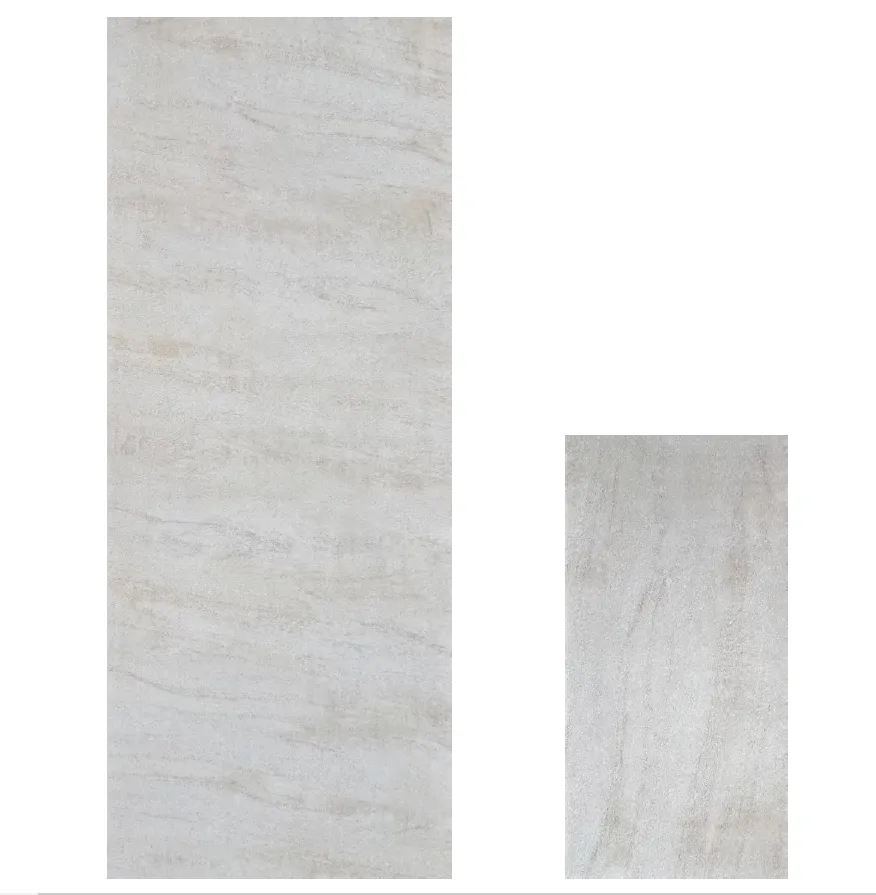
Walk into any well-loved home, bustling café, or high-traffic office, and you'll notice a silent hero in the design: surfaces that don't just look good—they last . Scratches, those tiny but infuriating battle scars of daily life, can turn a stunning countertop or wall into a source of frustration. But for those in the know, there's a material that laughs in the face of keys, coffee mugs, and even the occasional dropped tool: Marble Stream Stone. Its reputation for scratch resistance isn't just marketing hype; it's a result of careful material science, intentional engineering, and a deep understanding of what makes surfaces durable. Let's unpack why this stone has become a favorite for designers, homeowners, and architects who refuse to compromise on beauty or resilience.
Before we dive into its toughness, let's get to know the star of the show. Marble Stream Stone is a engineered stone, but don't let the "engineered" label fool you—it's rooted in nature. Think of it as a marriage between the timeless beauty of natural marble and the precision of modern technology. It's crafted by blending high-quality marble aggregates (crushed fragments of natural marble) with a polymer resin binder, then compressed under extreme pressure and heat. The result? A slab that mimics the veining and depth of natural marble but with a consistency and durability that natural stone often struggles to match.
But what sets Marble Stream Stone apart from other engineered stones? It's all in the details. Unlike some competitors that cut corners with lower-grade aggregates or weaker resins, Marble Stream Stone uses a dense mix of marble particles—think of it as packing a suitcase with as many heavy books as possible, leaving little room for gaps. This density is the first clue to its scratch resistance, but we'll get to that science in a minute.
Scratch resistance boils down to a simple question: How easily can another material dig into or displace the surface of your stone? To answer that, we need to look at three key factors: mineral composition, density, and surface treatment. Let's break them down like we're explaining it to a friend over coffee.
Natural marble is primarily made of calcite, a mineral with a Mohs hardness rating of 3 (on a scale of 1 to 10, where 10 is diamond). That's why pure marble can scratch easily—even a metal spoon (Mohs hardness 5.5) can leave a mark. But Marble Stream Stone isn't pure marble. Its aggregates are often sourced from high-density marble varieties, and the resin binder adds an extra layer of toughness. The resin itself has a higher Mohs rating than calcite (around 4-5), and when mixed with the marble particles, the overall hardness jumps. It's like adding steel fibers to concrete—you're reinforcing the weak spots.
Ever tried to scratch a tightly packed sandcastle versus a loose pile of sand? The packed one is far harder to dent. That's the power of density. During manufacturing, Marble Stream Stone is compressed under thousands of pounds of pressure, squeezing out air pockets and gaps between the marble particles. This creates a slab that's incredibly dense—so dense, in fact, that there's little space for another object to "grab onto" and scratch. Compare this to porous stones like travertine (a natural stone with visible holes and channels), which can trap dirt and scratch more easily. Marble Stream Stone's density leaves those scratches nowhere to hide.
Even the toughest materials need a little help, and Marble Stream Stone gets a finishing treatment that's like adding a suit of armor. After compression, the slabs are polished to a high shine, but the polish isn't just for looks. It seals the surface, filling in any microscopic imperfections and creating a smooth, non-porous barrier. This treatment makes it harder for scratches to take hold—imagine trying to scratch a mirror versus a rough piece of wood. The mirror's smooth surface gives your nail (or a key) nothing to catch on, while the wood's grain provides plenty of nooks for a scratch to start. This polished layer also makes the stone easier to clean, which indirectly helps with scratch resistance—dirt and grit, which act like tiny abrasives, can't embed themselves into the surface.
To really appreciate Marble Stream Stone's scratch resistance, let's compare it to some common alternatives. We'll look at everything from natural stones to concrete, so you can see why it's a cut above the rest.
| Material | Mohs Hardness (Approx.) | Scratch Resistance | Best For | Vulnerabilities |
|---|---|---|---|---|
| Marble Stream Stone | 5-6 | Excellent | Countertops, walls, high-traffic floors | Can etch with acidic substances (e.g., lemon juice) |
| Natural Travertine | 3-4 | Low-Medium | Decorative walls, low-traffic areas | Porous; scratches from dirt trapped in holes |
| Fair-Faced Concrete | 4-5 | Medium | Industrial-style floors, accent walls | Prone to staining; can scratch with heavy impact |
| Polish Concrete | 5-6 | Good | Warehouses, commercial floors | Can develop hairline cracks over time |
| MCM Flexible Stone | 4-5 | Medium-Good | Curved walls, lightweight applications | Less dense than Marble Stream Stone; more prone to dents |
Let's zoom in on a few of these. Take travertine, for example—a beautiful stone with a rustic, pitted texture. While it's stunning for backsplashes or decorative walls, its porous nature makes it a poor choice for high-traffic areas. Dirt gets stuck in those pits, and over time, walking or wiping can grind that dirt into the surface, creating scratches. Marble Stream Stone, with its non-porous surface, avoids that problem entirely.
Then there's polish concrete, a popular choice for modern, industrial spaces. It's durable, but it's not without flaws. Polish concrete can develop hairline scratches from heavy machinery or furniture dragged across it, and it's more prone to staining than Marble Stream Stone. And while MCM Flexible Stone is great for curved surfaces (thanks to its flexibility), its lower density means it can dent or scratch more easily under pressure.
Numbers and science are great, but what do people actually experience with Marble Stream Stone? Let's hear from a few folks who've put it to the test.
"I installed Marble Stream Stone in my kitchen three years ago, and I swear it looks brand new. I've got two kids who think the countertop is a launching pad for toy cars, and a husband who insists on chopping vegetables directly on it (don't tell him I told you). Not a single scratch. The only time I've panicked was when my daughter spilled nail polish remover—turns out, it's resistant to that too! Worth every penny."
"As an architect, I'm always looking for materials that can handle the chaos of commercial spaces. We used Marble Stream Stone in a busy restaurant downtown, and it's been a game-changer. Waitstaff are constantly sliding trays, dropping utensils, and wiping down the bar—yet the surface still gleams. We compared it to the travertine we used in another location, which needed refinishing after six months. Marble Stream Stone? Zero maintenance beyond regular cleaning. Clients ask about it all the time now."
These stories align with lab tests, too. In industry-standard scratch tests, Marble Stream Stone resists scratches from objects up to a Mohs hardness of 5, which includes most household items (keys, coins, kitchen tools). It's only when faced with harder materials—like a diamond-tipped tool or a piece of quartz (Mohs 7)—that it might show signs of wear. For everyday life, that's more than enough.
At the end of the day, scratch resistance isn't just about keeping surfaces looking pretty. It's about peace of mind. It's the parent who doesn't have to panic when their kid drags a toy truck across the floor. It's the business owner who doesn't have to budget for constant repairs. It's the designer who can confidently recommend a material, knowing it will look as good in five years as it does on day one.
Marble Stream Stone's scratch resistance is a result of smart science: dense packing of marble aggregates, a tough resin binder, and a polished surface that acts as a shield. It's a reminder that great design isn't just about aesthetics—it's about understanding the materials we live with, and choosing ones that work for us, not against us. So the next time you're hunting for a surface that can keep up with your life, remember: the best choices aren't just beautiful—they're built to last. And Marble Stream Stone? It's built to last and shine.
Recommend Products












