
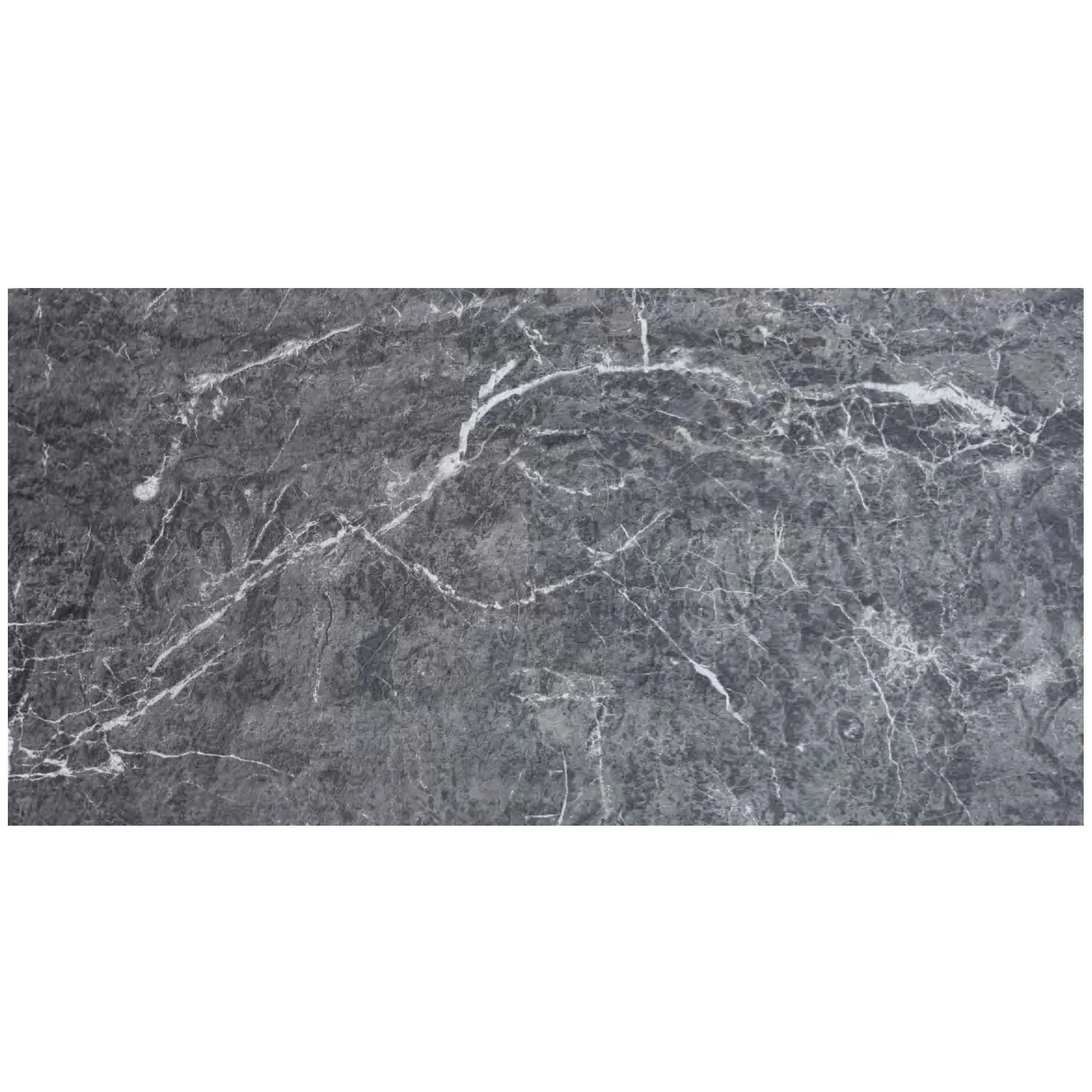
Picture this: You've just invested in a stunning kitchen backsplash or a spa-like bathroom, choosing Granite Nero Margiua for its rich, dark elegance. It looks perfect at first—sleek, luxurious, and timeless. But fast-forward six months, and you start noticing small, stubborn stains along the grout lines. A closer look reveals tiny black spots of mold creeping in, and when you wipe the surface, water seems to linger, as if the stone itself is "drinking" it in. Sound familiar? For anyone who's dealt with natural stone in high-moisture spaces, this scenario is all too common. But what if there was a material that offers the same beauty, minus the moisture-related headaches? Enter MCM.
MCM, short for Modified Composite Material, isn't just another construction material—it's a rethink of how we build for wet, humid, or high-traffic environments. From MCM flexible stone that bends to fit curved walls to the expansive MCM big slab board series that minimizes seams, MCM is engineered to thrive where traditional stones like Granite Nero Margiua often falter. Today, we're exploring why MCM is becoming the go-to choice for architects, contractors, and homeowners who refuse to compromise on durability or design in spaces like bathrooms, kitchens, basements, and even outdoor patios.
Granite Nero Margiua is undeniably beautiful. A type of black granite with subtle white veining, it's prized for its density and scratch resistance—qualities that make it a staple in high-end homes. But here's the catch: natural stone, by its very nature, is porous . Even dense granite has tiny pores that act like microscopic sponges, absorbing liquids over time. Sealants can help, but they're not permanent. Every 1–3 years, you'll need to reseal the surface to keep moisture out. Miss a seal, and water, soap scum, and even mold spores will find their way in.
Take a bathroom, for example. Steam from hot showers, splashes from sinks, and even humidity in the air create the perfect storm. Granite Nero Margiua's pores soak up that moisture, and without proper ventilation (which let's be honest, few bathrooms have 100% of the time), mold and mildew start to grow from the inside out. By the time you see visible mold, it's often already spread beneath the surface, requiring costly professional cleaning or even replacement.
Then there's weight. Granite Nero Margiua is heavy—really heavy. A standard 3×5-foot slab can weigh over 300 pounds. That means installing it requires reinforced walls, specialized tools, and a team of professionals. In high-moisture areas, where walls might shift slightly due to humidity-related expansion or contraction, that weight becomes a liability. A small crack in the substrate can cause the granite to crack, creating even more gaps for moisture to seep through.
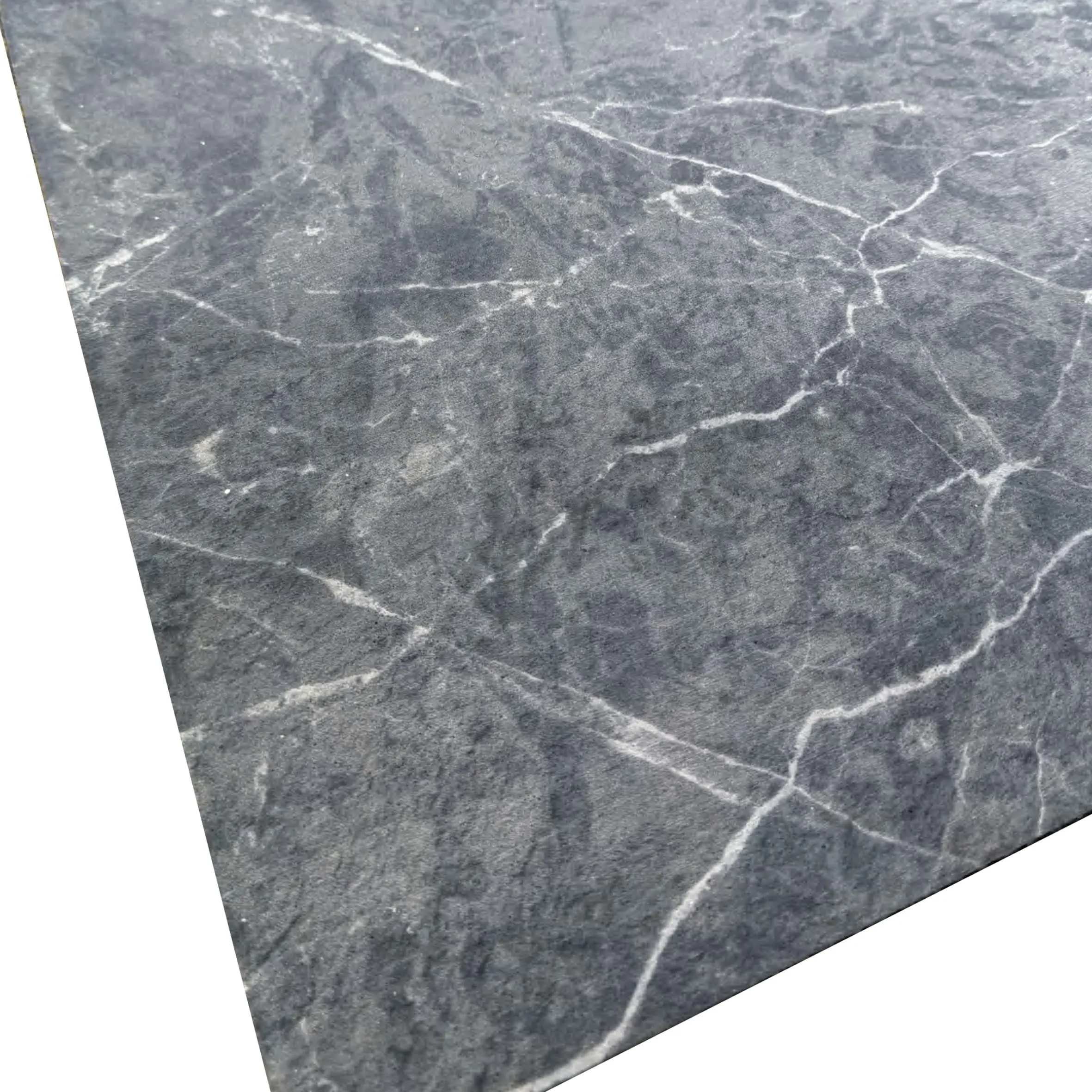
Now, let's contrast that with MCM flexible stone. At first glance, you might mistake it for natural stone—it mimics the texture of travertine, the smoothness of marble, or even the ruggedness of slate. But look closer, and you'll realize it's a whole different beast. MCM is made by blending inorganic minerals (like stone powder) with high-performance polymers, creating a material that's 100% non-porous . No pores mean no moisture absorption, no mold growth, and no staining—even if you forget to wipe up a spill for days.
Think of it like comparing a cotton towel to a raincoat. Granite is the towel, soaking up water; MCM is the raincoat, repelling it. In lab tests, MCM flexible stone has been submerged in water for weeks with zero water absorption—a feat no natural stone can match. For homeowners, this translates to peace of mind: no more panicking over splashed shampoo or a leaking pipe. Your walls and surfaces stay dry, clean, and mold-free, even in the dampest corners.
And it's not just about water resistance. MCM's polymer base makes it resistant to chemicals, too. Harsh cleaning products, acidic substances like vinegar or citrus, or even oils from cooking won't etch or discolor the surface. Try that with Granite Nero Margiua, and you'll likely end up with permanent stains that even professional polishing can't remove.
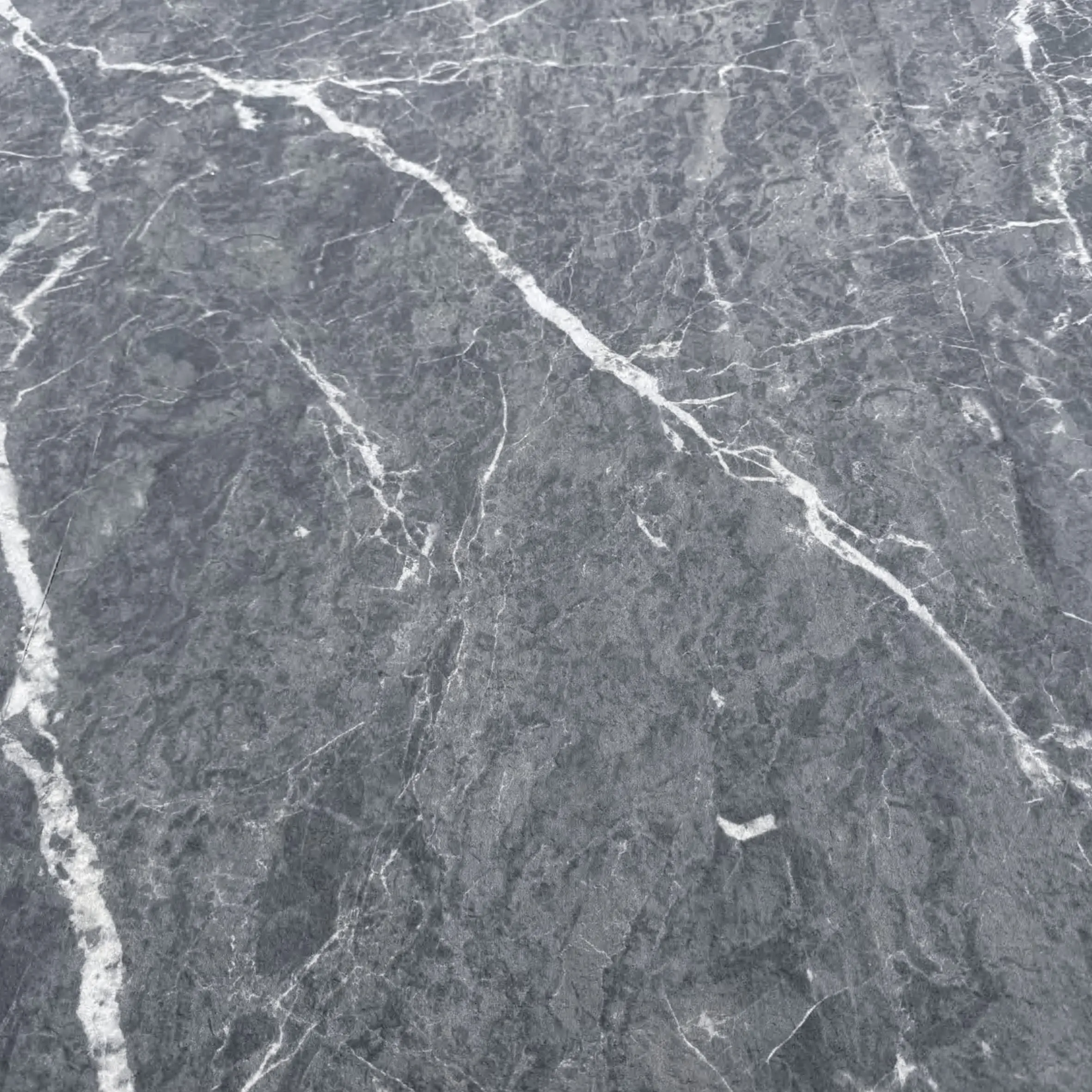
One of the biggest enemies of high-moisture areas is seams. Every grout line between tiles or small stone slabs is a potential entry point for water. Granite Nero Margiua, typically installed in smaller tiles (12×24 inches is common), can have dozens of seams in a single wall or backsplash. Each seam requires grout, which, like the stone itself, is porous and prone to mold. Over time, grout cracks or discolors, turning a once-pristine surface into a patchwork of maintenance headaches.
The MCM big slab board series solves this problem brilliantly. These panels come in sizes up to 4×8 feet—meaning fewer seams, or in some cases, no seams at all. Imagine a bathroom wall covered in a single, uninterrupted slab of MCM that mimics the look of travertine (starry blue) or even Lunar Peak silvery. No grout lines, no tiny gaps for water to sneak into, and no endless scrubbing to keep grout white. It's a game-changer for both aesthetics and functionality.
Contractors love big slab MCM, too. Fewer panels mean faster installation—saving time and labor costs. And because the panels are lightweight (we'll get to that next), they're easier to transport and maneuver, even in tight spaces like stairwells or narrow hallways. For homeowners, that means less disruption during renovation and a quicker path to enjoying their new space.
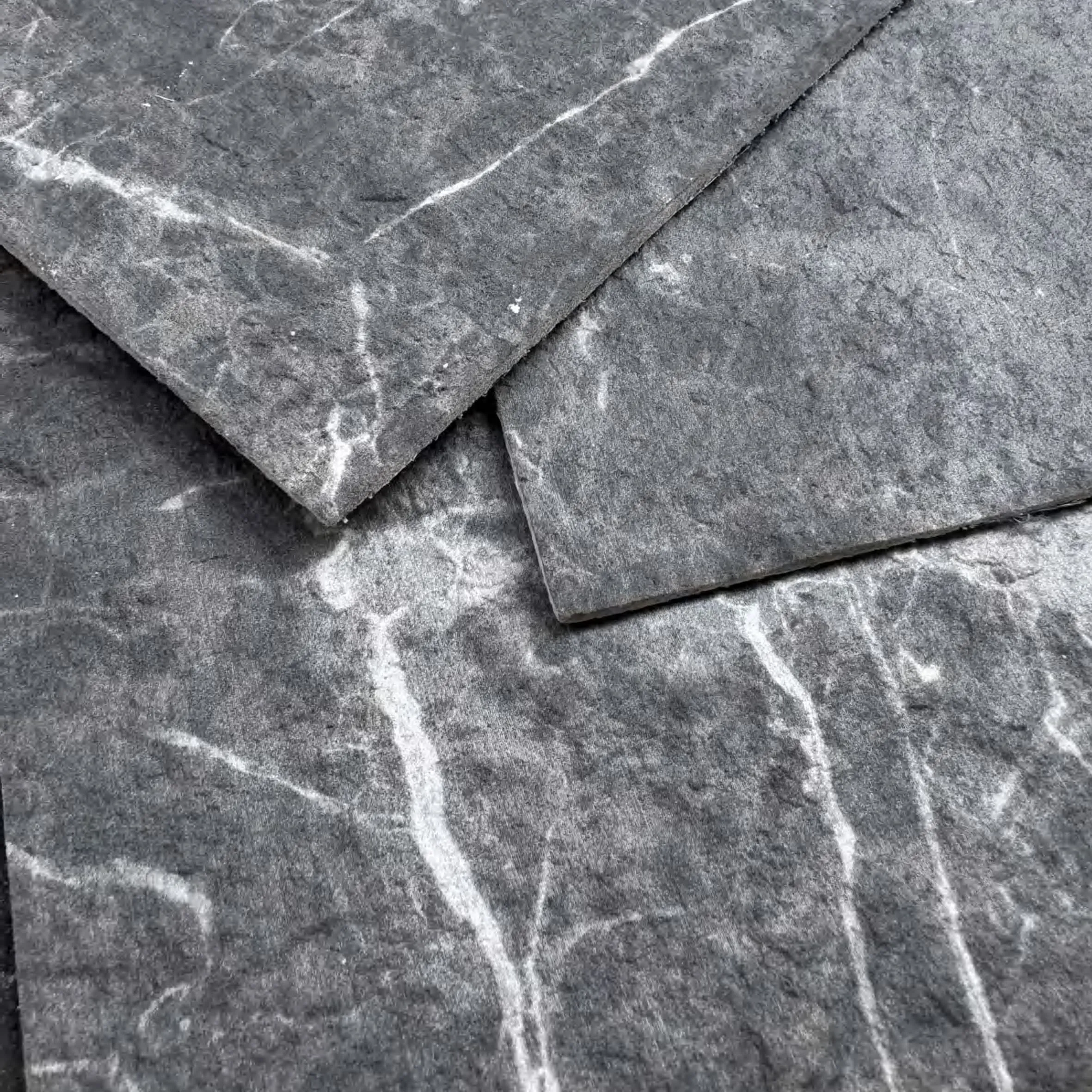
Let's talk about weight again. Granite Nero Margiua weighs roughly 18–20 pounds per square foot. For a 100-square-foot bathroom wall, that's 1,800–2,000 pounds of stone hanging above your head. To support that, you'll need reinforced studs, concrete backing, or even structural modifications—additions that drive up costs and complexity. And if the substrate shifts (even slightly)—say, due to temperature changes or house settling—granite can crack. Once it cracks, there's no fixing it; you'll need to replace the entire slab.
MCM, on the other hand, weighs just 3–5 pounds per square foot. That's light enough to install on drywall, plywood, or even existing tile without extra structural support. For older homes with weaker framing or spaces like basements where weight is a concern, this is a lifesaver. But MCM's flexibility is where it truly shines. Unlike rigid granite, MCM flexible stone can bend up to 30 degrees without breaking. This means it can conform to curved walls, rounded corners, or even custom architectural details like arched doorways—spaces where granite would require expensive, custom-cut pieces (if it's even possible).
Imagine designing a bathroom with a curved shower niche. With granite, you'd need to cut small, wedge-shaped tiles to fit the curve, resulting in messy seams and uneven grout lines. With MCM flexible stone, you can wrap the material around the curve in one piece, creating a seamless, water-tight finish that looks intentional, not patched together. It's design freedom without the stress.
Let's be real: No one wants to spend their weekends maintaining their home's surfaces. Yet that's exactly what Granite Nero Margiua demands. As we mentioned earlier, sealing is non-negotiable. And not just any sealant—you'll need a high-quality, penetrating sealer designed for granite, which can cost $50–$100 per bottle. Then there's the process: cleaning the surface thoroughly, applying the sealer with a sponge, waiting for it to absorb, wiping off excess, and repeating. Do it wrong, and you'll end up with streaks or uneven protection.
MCM? It's the opposite. No sealing, no special cleaners, no fuss . A quick wipe with warm water and mild soap is all it takes to keep MCM surfaces looking like new. Even tough stains—like red wine, coffee, or toothpaste—wipe away with a damp cloth. And because MCM is non-porous, mold and mildew can't grow on the surface, so you won't need to scrub with harsh bleach or mold removers that damage natural stone.
Consider the long-term: Over 10 years, a 50-square-foot Granite Nero Margiua backsplash would require 3–4 sealant applications (costing $150–$400), plus countless hours of scrubbing grout lines and treating mold. An MCM backsplash of the same size? Maybe a few bottles of dish soap and a sponge. That's not just convenience—it's peace of mind.
Still on the fence? Let's break down the key differences between MCM (including MCM flexible stone and the big slab series) and Granite Nero Margiua in high-moisture areas with a simple comparison:
| Feature | Granite Nero Margiua | MCM (Flexible Stone & Big Slab Series) |
|---|---|---|
| Water Resistance | Porous; requires sealing every 1–3 years. Prone to moisture absorption and mold. | 100% non-porous; repels water, mold, and mildew with no sealing needed. |
| Weight | 18–20 lbs/sq ft; requires structural reinforcement. | 3–5 lbs/sq ft; installs on standard drywall or plywood. |
| Seams & Grout | Many small tiles = many grout lines; high risk of water intrusion. | Big slabs = few to no seams; eliminates grout-related maintenance. |
| Flexibility | Rigid; cracks if substrate shifts; can't bend around curves. | Flexible (up to 30-degree bend); conforms to curved surfaces without cracking. |
| Maintenance | Requires sealing, special cleaners, and regular grout scrubbing. | Wipe with soap and water; no sealing or special care needed. |
| Cost Over Time | Higher long-term costs due to sealing, repairs, and potential replacement. | Lower long-term costs; one-time installation with minimal upkeep. |
While high-moisture areas are where MCM truly shines, its benefits extend beyond water resistance. If you're building or renovating a space that needs to be lightweight (like an upper-floor bathroom), requires custom shapes (like a curved accent wall), or demands minimal maintenance (like a rental property), MCM is the smarter choice. It's also eco-friendly: MCM is made with recycled materials and produces less waste during manufacturing compared to quarrying and cutting natural granite.
Granite Nero Margiua still has its place—for example, in low-moisture areas like fireplace surrounds or entryway floors where water exposure is minimal. But in spaces where moisture is a constant presence, MCM offers something granite can't: the beauty of natural stone, with the durability of a modern composite. It's not just a material upgrade; it's a lifestyle upgrade—one that lets you enjoy your space without worrying about the next stain, the next seal, or the next mold outbreak.
At the end of the day, home design should be about living, not maintaining. MCM gets that. Whether you're drawn to the organic texture of MCM flexible stone, the sleekness of the big slab series, or even the industrial-chic look of complementary materials like foamed aluminium alloy board (vintage silver), MCM adapts to your vision while protecting against the elements. It's a material that understands that high-moisture spaces shouldn't have to choose between beauty and functionality.
So, the next time you're planning a bathroom, kitchen, or any space where water and humidity are part of daily life, ask yourself: Do I want a surface that fights moisture, or one that invites it? With MCM, the answer is clear. It's not just better than Granite Nero Margiua in high-moisture areas—it's redefining what's possible.
Recommend Products












