
Walk through a historic district in a seismic zone, and you'll notice something: the oldest buildings, with their thick stone walls, often bear cracks from past quakes. Natural stone is magnificent—timeless, sturdy, full of character—but it's also heavy. A single square meter of traditional marble or granite can weigh 50-80 kg, and that weight becomes a liability when the ground shifts. During an earthquake, those heavy panels strain the building's frame, pulling at joints and weakening foundations. Over time, even small tremors can turn into big problems.
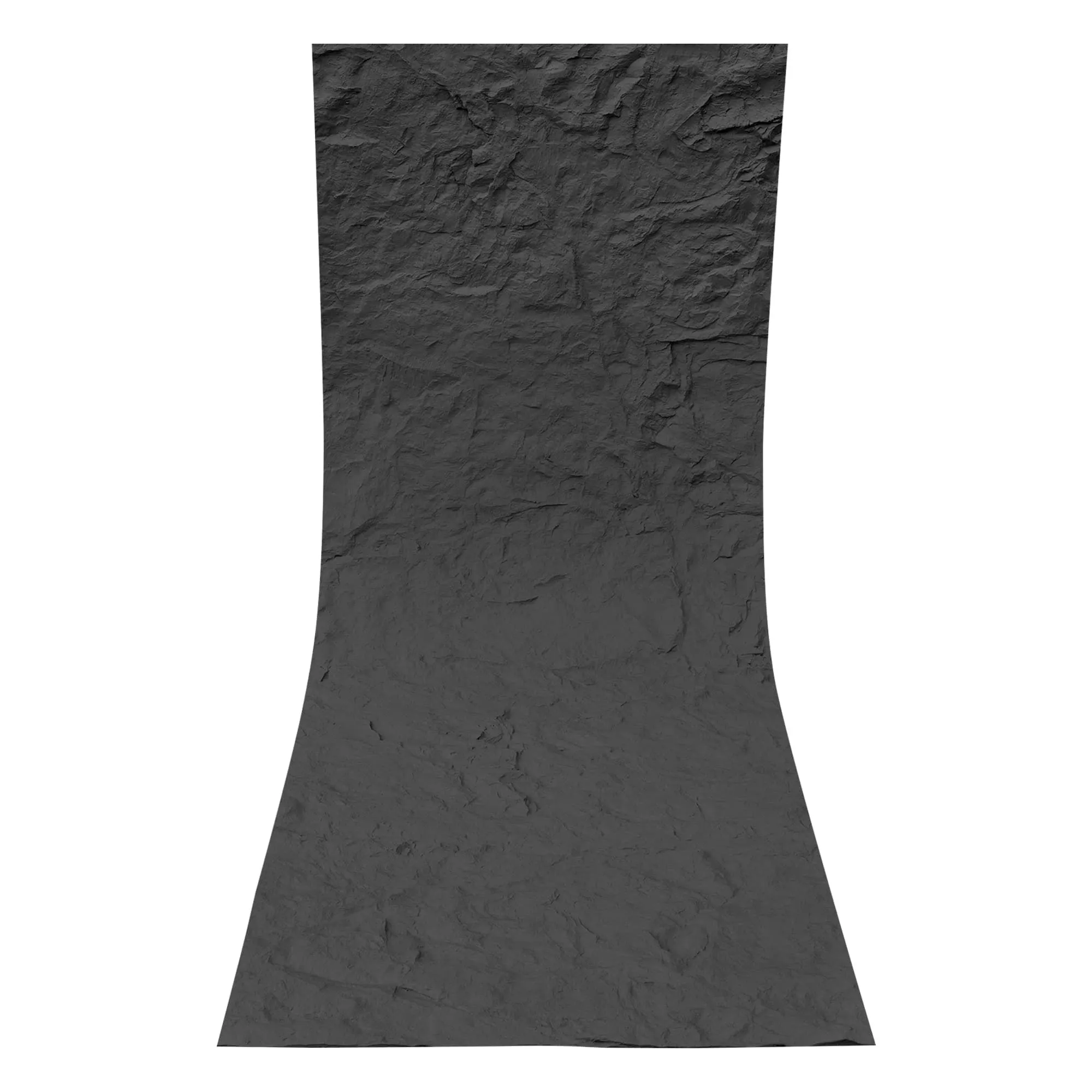
Enter MCM Boulder Slab. Part of the broader MCM (Modified Composite Material) family, this isn't your average cladding. Imagine a material that captures the texture of quarried stone—the rough-hewn edges, the depth of color, the organic patterns—but weighs a fraction of the real thing. At just 8-12 kg per square meter, it's up to 80% lighter than natural stone. That's like trading a lead blanket for a wool one: still warm and protective, but far easier to carry without breaking your back.
Why does weight matter so much in earthquakes? Think of a building as a human body. If you're carrying a heavy backpack and trip, you're more likely to fall hard. But if your pack is light, you can adjust, shift your weight, and stay upright. MCM Boulder Slab does the same for buildings. By reducing the load on walls and foundations, it lets structures "move" with seismic waves instead of resisting them—a small but critical difference that can prevent catastrophic failure.
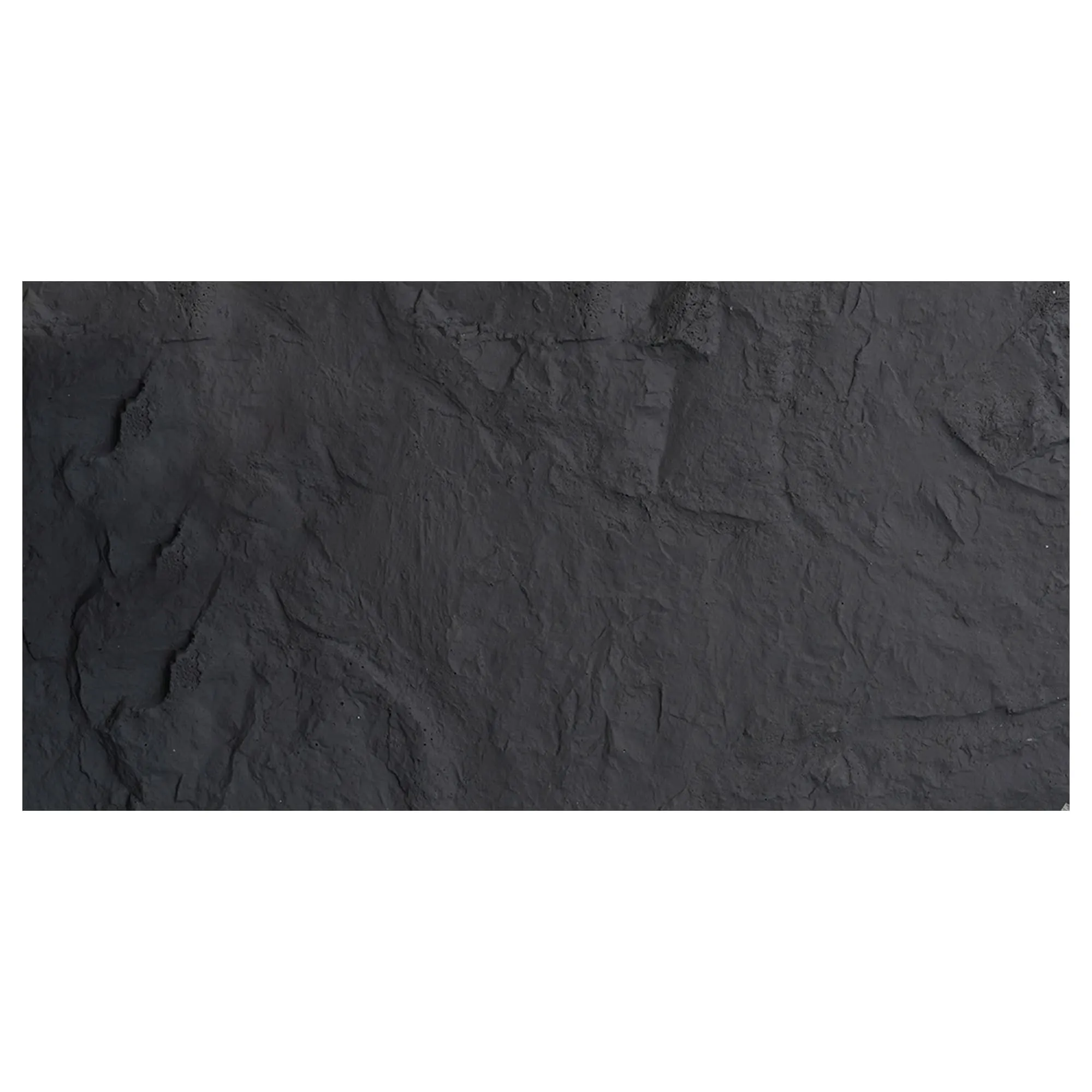
Seismic zones don't just shake up and down; they twist, roll, and lurch sideways. Rigid materials—like concrete or solid stone—don't handle that movement well. They crack, splinter, or shear under stress. MCM Boulder Slab, though, is different. Thanks to its composite core and reinforced layers, it has a flexibility that feels almost alive. It can bend up to 30 degrees without snapping, absorbing the energy of tremors like a spring rather than a brick wall.
This isn't just about durability—it's about longevity. In regions where aftershocks can rattle an area for weeks after a main quake, a material that can flex reduces the need for constant repairs. Builders in Kobe, Japan, learned this the hard way after the 1995 earthquake, where rigid cladding systems failed en masse. Today, many of the city's newer buildings use flexible materials like MCM flexible stone, which has become a staple in post-quake reconstruction. "It's not just about surviving the first shake," one local architect told me. "It's about still being standing when the dust settles, so communities can start healing instead of rebuilding from scratch."
And here's the kicker: that flexibility doesn't come at the cost of strength. MCM Boulder Slab is scratch-resistant, fire-retardant, and impervious to moisture—qualities that make it ideal for coastal seismic zones (looking at you, California) where salt air and rain add extra wear. It's the kind of material that doesn't just endure; it thrives, even when the world around it feels unstable.
| Feature | Traditional Stone/Concrete | MCM Boulder Slab | Seismic Zone Advantage |
|---|---|---|---|
| Weight (per sq.m) | 50-80 kg | 8-12 kg | Reduces structural load by up to 80%, minimizing stress on foundations during tremors. |
| Flexibility | Rigid; prone to cracking under lateral movement | Can bend up to 30° without breaking | Absorbs seismic energy, preventing catastrophic failure during quakes. |
| Installation | Heavy, labor-intensive; requires specialized lifting equipment | Lightweight, prefabricated panels; can be installed with basic tools | Faster, safer installation reduces on-site risk; prefab precision ensures consistent quality. |
| Durability | Prone to moisture damage, staining, and cracking over time | Resistant to water, fire, and UV fading; no sealants required | Longer lifespan reduces maintenance needs, critical in remote or disaster-prone areas. |
| Aesthetic Range | Limited by natural quarries; color/pattern variation is unpredictable | Replicates 50+ stone/wood/concrete textures (e.g., Lunar Peak Silvery, Travertine Starry Blue) | Maintains regional aesthetic identity while prioritizing safety. |
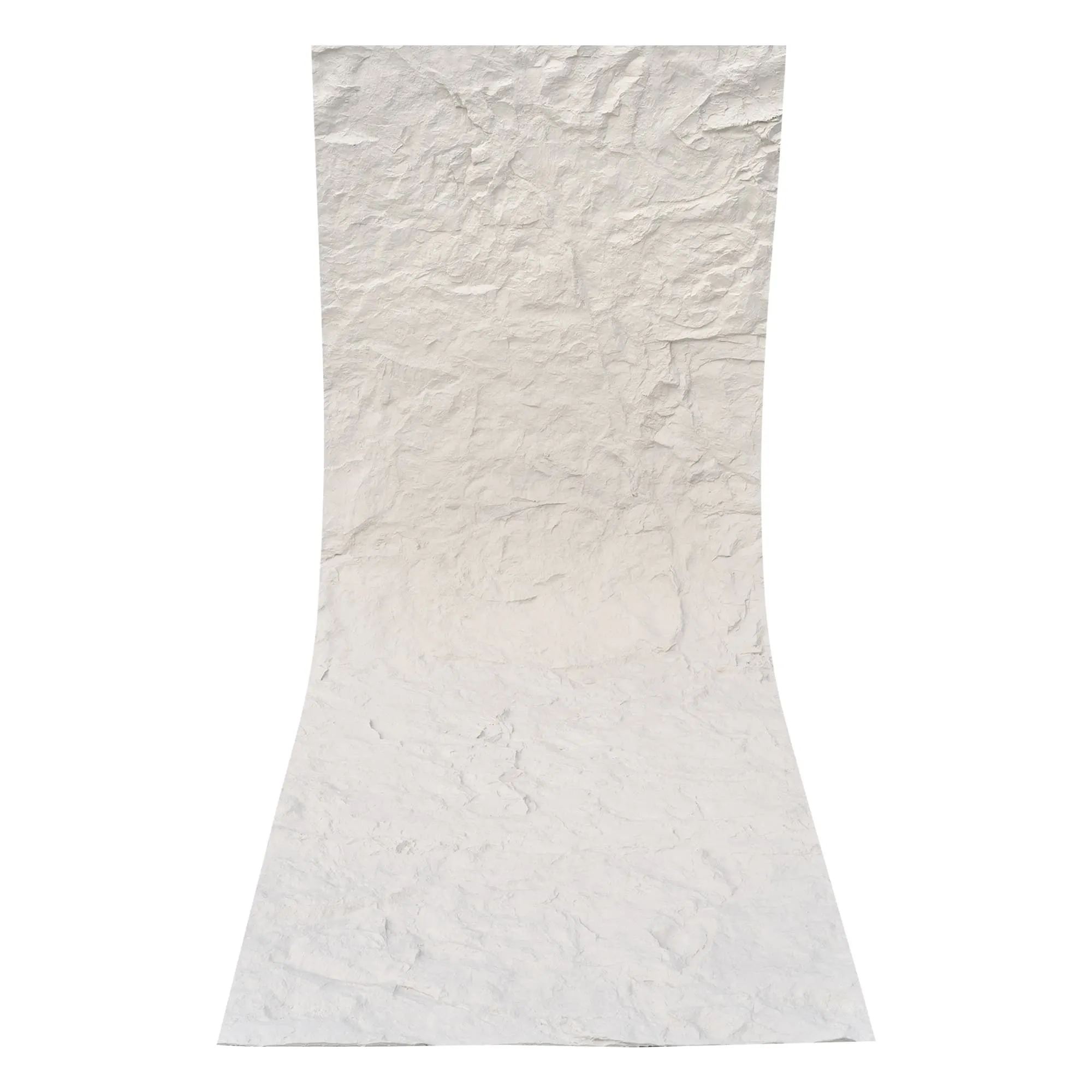
Ever watched a team of workers install traditional stone cladding? It's slow, meticulous work. Each slab is unique, so cutting, fitting, and securing them takes time—time that, in post-quake zones, communities can't afford to waste. MCM Boulder Slab changes that with prefabricated MCM panel systems. These panels are crafted in factories, where computer precision ensures every piece fits perfectly. No on-site cutting, no messy mortar, no delays waiting for custom orders.
Prefabrication isn't just about speed, though. It's about consistency. In seismic zones, structural integrity depends on every panel, every joint, every fastener working together. With prefab panels, there's no guesswork: each piece is tested for load capacity, flexibility, and adhesion before it ever leaves the factory. This level of quality control is a game-changer for regions like Turkey, where rapid reconstruction after the 2023 earthquakes demanded materials that could be trusted to perform under pressure.
And let's talk about safety—for the workers, too. Lifting heavy stone slabs with cranes is risky business, especially in areas where aftershocks are common. MCM Boulder Slab panels are light enough to be carried by two people, reducing the risk of accidents on site. It's a small detail, but one that matters when you're trying to rebuild a community without losing more lives in the process.
In 2011, the Great East Japan Earthquake destroyed countless buildings in Sendai, including a elementary school in the coastal district of Natori. When architects set out to rebuild it a year later, they had two goals: create a space that felt safe for children, and honor the community's love for natural materials. They chose MCM Boulder Slab in "Lunar Peak Silvery" and "Travertine (Starry Blue)" for the exterior cladding.
"Parents were terrified of sending their kids back to a building that might not hold," says Yuki Tanaka, the project's lead architect. "We needed something that looked like the stone they'd grown up with—warm, familiar—but could stand up to whatever the earth threw at it. The MCM panels gave us that. They're light, so the building's frame can handle quakes, but they still have that rough, natural texture kids love to run their hands over."
In 2021, a 7.3-magnitude aftershock hit the region. The school? It didn't just stand—it didn't even crack. "The kids were in class, and they barely felt it," Tanaka recalls. "That's the power of choosing the right materials. It's not just about buildings. It's about giving people back their peace of mind."
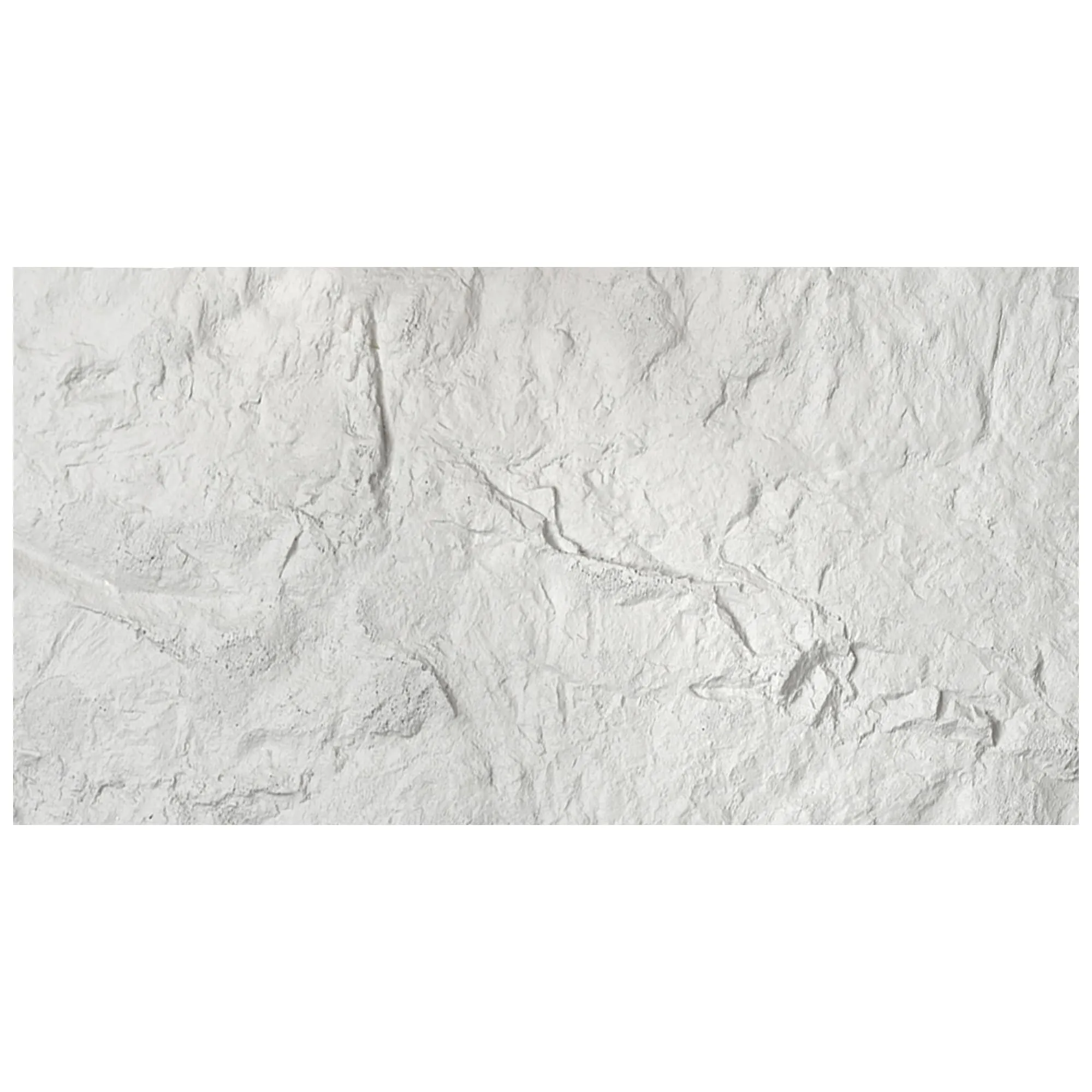
One of the quiet tragedies of building in seismic zones is how often safety overshadows beauty. Communities forced to use utilitarian materials—dull concrete, generic metal—lose a piece of their identity. MCM Boulder Slab refuses that trade-off. With a range that includes everything from "Rusty Red" and "Starmoon Stone" to "Marble Interstellar Gray" and "Bali Stone," it lets architects and homeowners bring warmth and character back to their spaces.
Take "Travertine (Starry Green)," a popular choice in Mediterranean-inspired coastal homes. It mimics the look of travertine quarried in Italy—pale cream with veins of deep green and gold—but without the weight or porosity that makes natural travertine vulnerable to saltwater damage. Or "Gobi Panel," which captures the wind-carved textures of desert stone, perfect for arid seismic zones like Arizona or parts of Iran. These aren't just "faux" stone; they're homages to nature, crafted with the understanding that beauty shouldn't be a luxury in earthquake country.
Even better, MCM Boulder Slab plays well with other MCM lines, like the flexible stone sheets or 3D printing series. Want a feature wall with a mix of "Wave Panel" and "Granite Portoro"? Go for it. Dream of a courtyard paved with "Historical Pathfinders Stone" that matches your home's "Lunar Peak Golden" exterior? No problem. It's versatility that lets communities build spaces that feel like "them"—not just generic "seismic-safe" boxes.
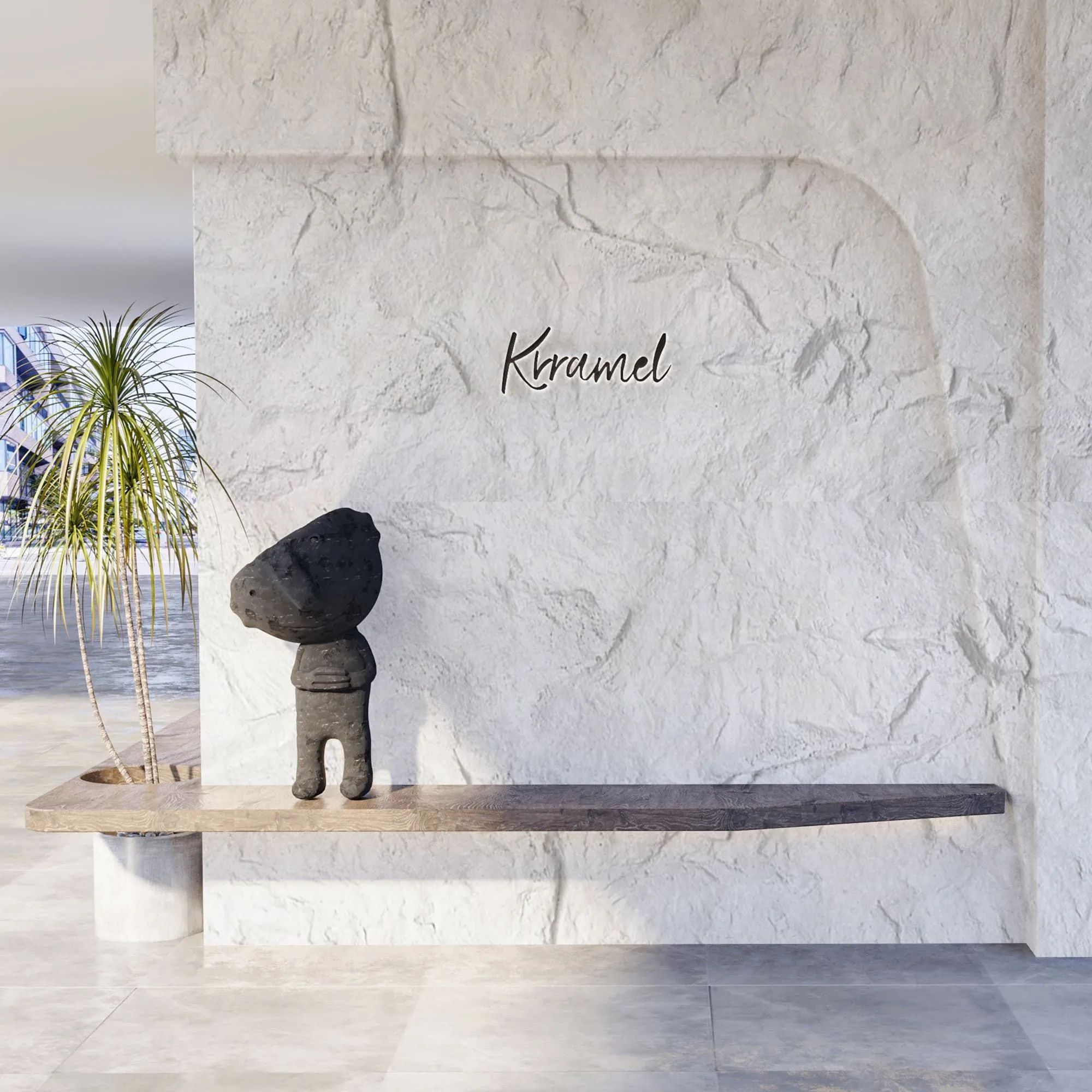
Seismic resilience and sustainability might seem like separate goals, but they're deeply connected. Traditional stone mining is resource-intensive: it scars landscapes, uses massive amounts of water, and emits CO2 from transportation. MCM Boulder Slab, by contrast, is made with recycled materials (up to 40% of its core is recycled stone dust and polymers) and requires far less energy to produce and transport.
Consider this: a truck can carry 10 times more MCM panels than natural stone, cutting down on fuel use and emissions. And because the panels are prefabricated, there's almost no waste on site—no leftover stone chunks, no excess mortar, no sawdust. For communities already grappling with the environmental impact of earthquakes (think oil spills from damaged refineries, water pollution from collapsed infrastructure), choosing a low-impact material is one small way to lighten the load on the planet.
It's also built to last. MCM Boulder Slab resists fading from sunlight, doesn't rot or warp in humidity, and won't degrade from freeze-thaw cycles. That means fewer replacements over time, which translates to less waste in landfills. In a world where "sustainable" often feels like a buzzword, this is sustainability with teeth—practical, measurable, and rooted in the idea that building for resilience shouldn't mean trashing the planet.
So the next time you walk past a building clad in MCM Boulder Slab, take a closer look. Notice the texture, the color, the way it catches the light. Then remember: it's not just stone. It's a promise—that even when the earth shakes, we can still build a future that feels steady, beautiful, and unbreakable.
Recommend Products












