
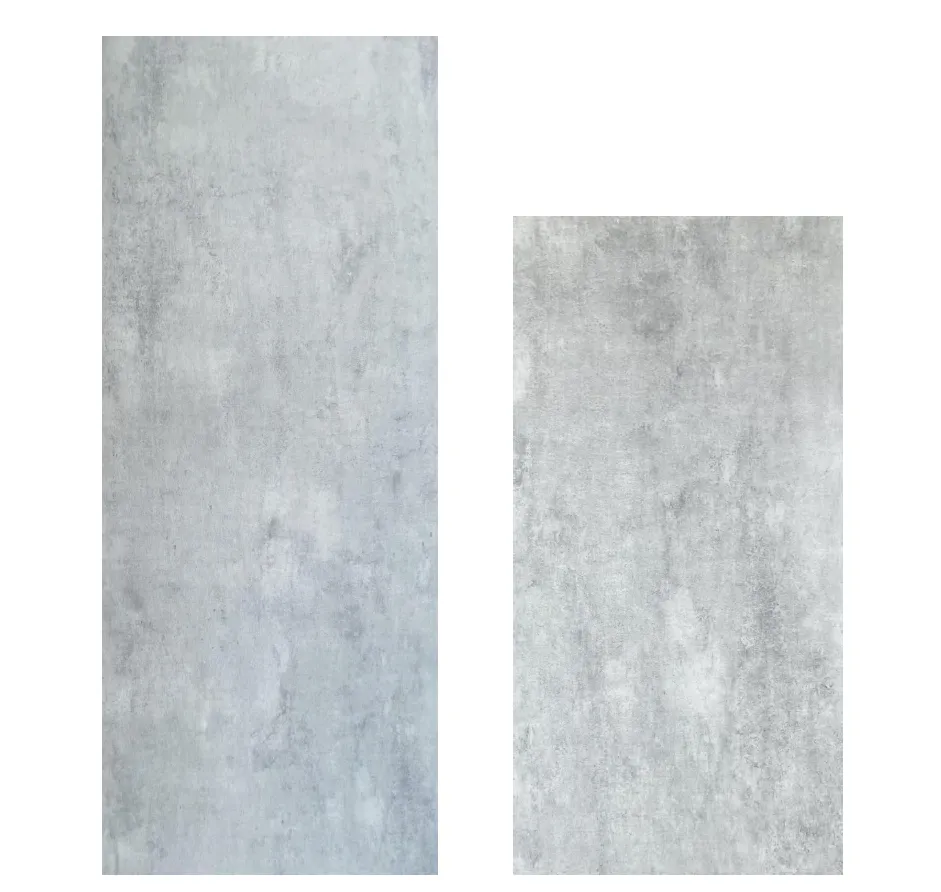
Walk into any space—whether it's a cozy home, a bustling café, or a sleek office—and the first thing that quietly speaks to you is the decorative material. It's the texture under your fingers, the color that sets the mood, and the durability that stands up to daily life. For years, we've relied on the usual suspects: natural stone that's heavy and hard to install, ceramic tiles that crack if you drop a pot, or wood that warps in humidity. But what if there was a material that didn't just cover walls and floors, but reimagined what decorative materials could be? Enter MCM Marble Concrete Board. Let's dive into why this innovative option is turning heads in the design world—and why it might just be the material you've been waiting for.
Before we get into what makes it different, let's clarify what MCM Marble Concrete Board actually is. At its core, it's a cutting-edge composite material that blends the best of marble, concrete, and advanced polymers. But "composite" might sound technical—think of it more like a design superhero: it takes the timeless beauty of natural stone, the industrial chic of concrete, and wraps them in a lightweight, flexible, and ultra-durable package. It's not just a "material"; it's a solution for anyone who wants spaces that look stunning and work smarter.
Now, let's talk about why this matters. For decades, designers and homeowners have had to compromise. Want the elegance of marble? Prepare for heavy slabs that need reinforced walls and cost a fortune to install. Crave the warmth of wood? Hope you don't live in a humid climate. Love the edginess of concrete? Get ready for cracks and stains. MCM Marble Concrete Board flips that script. It's designed to solve the pain points of traditional materials while cranking up the style. Let's break down exactly how.
Traditional decorative materials often stick to age-old recipes: chiseling stone from quarries, firing clay into tiles. These methods have been around for centuries, and while they have charm, they're also limited by nature. MCM Marble Concrete Board, though? It's a product of modern materials science. Let's start with its base: MCM flexible stone technology. Unlike rigid natural stone or brittle ceramic, MCM uses a proprietary blend of mineral aggregates, polymers, and fibers that give it flexibility without sacrificing strength. Imagine a material that can bend slightly to fit curved surfaces—a feature that makes it perfect for statement walls, rounded columns, or even custom furniture pieces. Traditional materials? They'd crack or require expensive, time-consuming cutting to pull off those shapes.
But innovation here isn't just about flexibility. It's about density, too. Natural marble or granite can weigh 20-30 pounds per square foot; MCM Marble Concrete Board clocks in at a fraction of that—around 3-5 pounds per square foot. That might not sound like a big deal until you're a contractor trying to hang slabs on a second-story wall or a homeowner avoiding the cost of reinforcing floors. Lighter weight also means easier transportation, fewer installation crew members, and lower shipping costs. It's a small detail that adds up to big savings and less hassle.
Here's the thing about traditional decorative materials: they're often stuck in a "one look fits all" box. Natural stone has unique veining, but you can't exactly ask for a specific pattern or color. Ceramic tiles come in standard sizes, and custom colors mean minimum orders and long lead times. MCM Marble Concrete Board? It's like having a design playground at your fingertips. Let's talk colors and textures—because that's where it really shines.
Take, for example, travertine (starry blue) . Picture a surface that mimics the look of travertine, but with a twist: tiny, iridescent flecks that catch the light like stars in a midnight sky. It's not something you'd find in a quarry; it's a custom blend created in MCM's labs. Or lunar peak golden —a warm, metallic hue that evokes the glow of a sunset over a mountain range. These aren't just "colors"; they're stories. And because MCM uses advanced 3D printing and coloring techniques (part of the MCM 3D printing series ), you can mix and match textures, sizes, and finishes without being limited by what nature provides.
Size matters too. The MCM big slab board series offers slabs up to 120x240cm—perfect for creating seamless walls or countertops with minimal grout lines. Traditional tiles or natural stone slabs often max out at smaller sizes, leading to a patchwork effect. With MCM, you can have a single, uninterrupted surface that feels expansive and luxurious. And if you want something smaller? No problem—from mosaic pieces to thin strips for accent walls, the customization options are endless. It's design without compromise, whether you're going for a minimalist vibe or a bold, eclectic look.
In 2025, "sustainability" isn't just a buzzword—it's a requirement. Homeowners, designers, and builders are all asking: "What's the environmental cost of this material?" Traditional options often fall short. Quarrying natural stone disrupts ecosystems, uses massive amounts of water, and releases carbon emissions from transportation. Ceramic tiles require high-temperature firing, which guzzles energy. Even fair-faced concrete , while durable, can have a heavy carbon footprint due to cement production.
MCM Marble Concrete Board takes a different approach. First, it uses a high percentage of recycled materials—think post-industrial aggregates and reclaimed polymers—reducing the need for virgin resources. Second, its lightweight nature cuts down on transportation emissions; you can fit more slabs on a truck, meaning fewer trips. Third, the manufacturing process is designed to minimize waste: excess material is recycled back into production, and water is reused. It's not just "less bad" for the planet; it's actively better.
But sustainability isn't just about the environment—it's about longevity, too. A material that needs to be replaced every 5-10 years isn't sustainable, no matter how "green" it is. MCM's durability (we'll get to that next) means it lasts decades, reducing the cycle of waste. And when it does reach the end of its life? It's recyclable, closing the loop. For designers and homeowners who want to make choices they can feel good about, this isn't just a plus—it's a game-changer.
Let's be real: beautiful materials mean nothing if they can't stand up to kids, pets, spills, and daily wear and tear. Traditional marble stains if you so much as look at it with a glass of red wine. Wood scratches, warps, and fades. Even concrete can crack under heavy impact. MCM Marble Concrete Board? It's built to handle the chaos of real life.
Start with water resistance. Unlike natural stone, which is porous and needs regular sealing, MCM is non-porous. Spill coffee, wine, or even oil on it, and a quick wipe with a cloth is all it takes—no stains, no permanent damage. That makes it perfect for kitchens, bathrooms, or high-traffic areas like entryways. Then there's impact resistance. Thanks to its flexible core, it can absorb minor bumps and drops without chipping or cracking. Try that with a ceramic tile, and you'll be picking up pieces.
UV resistance is another win. Sunlight can fade even the boldest colors over time, but MCM's pigments are UV-stabilized. So whether it's used outdoors (think patio walls or pool surrounds) or in sun-drenched rooms, the color stays vibrant for years. And temperature fluctuations? No problem. It won't expand or contract in extreme heat or cold, which is a huge relief for anyone in climates with harsh seasons. In short, it's a material that looks delicate but acts tough—a rare combo in the decorative world.
Let's talk about the boring but crucial stuff: installation and maintenance. Traditional materials can turn a renovation into a nightmare. Natural stone requires specialized installers, heavy equipment, and days (or weeks) of work. Ceramic tiles need precise cutting, grouting, and sealing. MCM Marble Concrete Board? It's designed to make life easier—for installers and homeowners alike.
Installation is a breeze compared to traditional options. Its lightweight nature means you don't need a team of to carry slabs; two people can handle it. It cuts easily with standard tools (no diamond blades required), and it can be installed using simple adhesives—no messy mortar or grout (unless you want it, of course). For a typical backsplash or accent wall, a skilled installer could have it done in a day, not a week. That means less disruption to your life and lower labor costs.
Maintenance is just as simple. No sealing, no special cleaners, no expensive treatments. A damp cloth and mild soap are all you need to keep it looking new. And if a section does get damaged (though it's unlikely), it's easy to replace—just remove the damaged slab and stick a new one on. No need to redo the entire wall or floor. Over time, these small savings in time and money add up, making MCM not just a beautiful choice, but a practical one too.
| Feature | MCM Marble Concrete Board | Traditional Materials (Natural Stone/Ceramic Tiles) |
|---|---|---|
| Weight | 3-5 lbs/sq ft (lightweight, easy to install) | 20-30 lbs/sq ft (requires reinforcement) |
| Flexibility | Bends slightly (ideal for curved surfaces) | Rigid (prone to cracking on uneven walls) |
| Customization | Endless colors/textures (e.g., starry blue travertine, lunar peak golden) | Limited by natural availability or standard designs |
| Maintenance | Wipe clean; no sealing needed | Regular sealing; stains easily |
| Environmental Impact | Recycled materials, low carbon footprint | High water/energy use; ecosystem disruption |
You might be wondering: "Is this just a trend, or is it here to stay?" The answer is clear: MCM is popping up everywhere, from high-end hotels to cozy homes, and for good reason. Interior designers love it for its versatility—whether they're creating a minimalist penthouse in New York or a bohemian café in Bali. Builders appreciate the time and cost savings. Homeowners? They love that it looks luxurious without the luxury price tag or maintenance headaches.
Take, for example, a recent project in Los Angeles: a boutique hotel used lunar peak golden MCM slabs for their lobby walls, paired with travertine (starry blue) accents. The result? A space that feels both opulent and modern, with zero worry about guests scuffing the walls or spills ruining the finish. Or a family in Chicago who used MCM for their kitchen backsplash and bathroom walls—no more stressing about their kids' sticky fingers or their dog's muddy paws. It's proof that MCM isn't just for "designer" spaces; it's for real people living real lives.
At the end of the day, decorative materials are about more than just covering surfaces—they're about creating spaces that reflect who we are, how we live, and what we value. MCM Marble Concrete Board isn't just a new material; it's a shift in how we think about design. It says, "You don't have to choose between beauty and practicality, between style and sustainability." It's for the homeowner who wants their living room to feel like a retreat and their kitchen to handle a dinner party. It's for the designer who wants to push boundaries without worrying about limitations. It's for anyone who believes that our spaces should work as hard as we do.
So, the next time you're planning a renovation, building a new home, or just daydreaming about your ideal space, ask yourself: What if my decorative materials could do more? What if they could be beautiful, durable, sustainable, and easy to live with—all at once? With MCM Marble Concrete Board, that "what if" becomes "why not." It's not just different from traditional materials—it's better. And in a world where we're all looking for better, that's a difference worth celebrating.
Recommend Products












