
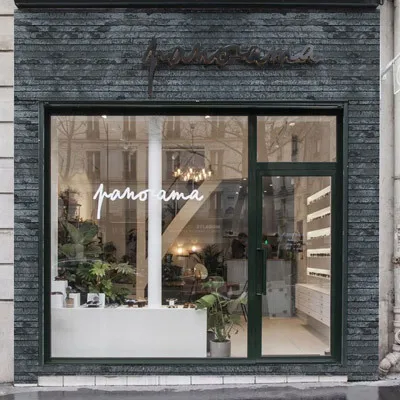
Ask any architect, and they'll tell you: choosing the right building material is like solving a complex puzzle. It needs to be tough enough to withstand the elements, flexible enough to fit bold design visions, and sustainable enough to align with modern eco-conscious values. And let's not forget— it has to look good. For years, architects have bounced between traditional options, compromising on one factor to gain another. But in recent years, a material has emerged that seems to check all these boxes: Muretto Stone. From sleek urban skyscrapers to cozy suburban homes, this versatile material is quickly becoming a staple in architectural circles. But what exactly is it about Muretto Stone that has architects raving? Let's dive in.
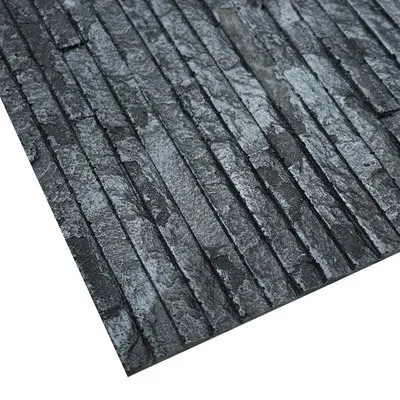
If you're not yet familiar with Muretto Stone, you're not alone. Unlike marble or granite—household names in the building world—Muretto Stone is a relatively newer player, but it's making waves fast. Part of the broader MCM (Modified Composite Material) family, Muretto Stone is engineered to combine the best traits of natural stone and modern composites. Think of it as nature's beauty meets human ingenuity. Available in three core shades—light grey, dark grey, and beige—its understated palette makes it a chameleon in design, able to adapt to minimalist, industrial, rustic, or even classic aesthetics.
What truly sets it apart, though, is its texture. Unlike the uniform smoothness of polished concrete or the porousness of traditional travertine (beige), Muretto Stone has a subtle, tactile finish that feels both organic and intentional. Run your hand over it, and you'll notice tiny, irregularities—echoes of natural stone—without the high maintenance that often comes with it. It's this balance of "natural charm" and "practical sense" that first catches an architect's eye.
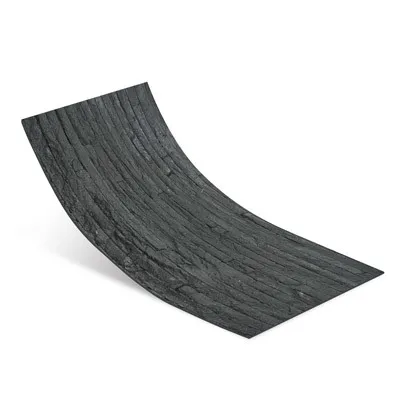
Let's cut to the chase: why is Muretto Stone becoming a go-to for architects worldwide? We talked to a handful of designers (anonymously, to protect their upcoming projects) and combed through case studies to find the top reasons.
Here's a dirty little secret about many "beautiful" building materials: they're high-maintenance divas. Marble stains easily. Wood grain board warps in humidity. Even some types of travertine (beige) can etch if exposed to harsh chemicals. Muretto Stone? It's built like a workhorse. Thanks to its composite makeup, it's resistant to water, UV rays, and temperature fluctuations—meaning it won't fade in the sun, crack in freezing winters, or warp in monsoon-like rains. One architect we spoke to, who used muretto stone (dark grey) for a coastal hotel in Miami, noted, "After three hurricane seasons, the facade still looks brand new. We expected some wear, but it's held up better than the concrete panels on the adjacent building."
It's not just about weather, either. Muretto Stone stands up to daily wear and tear, too. In high-traffic areas like shopping mall lobbies or airport terminals, where foot traffic can grind down softer materials, Muretto Stone maintains its integrity. Scratches? Minimal. Chips? Rare. For architects designing spaces meant to last decades, this durability is non-negotiable.
Architects thrive on creativity, and Muretto Stone is like a blank canvas that never runs out of paint. While it comes in three primary colors—light grey, dark grey, beige—each shade has subtle variations that add depth. For example, muretto stone (light grey) isn't a flat, boring grey; it has hints of silver and taupe that shift depending on the light, giving facades a dynamic, ever-changing look throughout the day. Muretto stone (beige), on the other hand, leans warm, with soft undertones that evoke sand or driftwood—perfect for creating cozy, inviting spaces.
But color is just the start. Muretto Stone can be cut into large slabs for a seamless, modern look or smaller tiles for a more textured, mosaic-like effect. It works indoors and outdoors, on walls, floors, and even ceilings. One bold architect recently used muretto stone (dark grey) to clad a spiral staircase in a boutique office, pairing it with wood grain board accents for a contrast of textures. The result? A showstopper that's both functional and Instagram-worthy.
And let's not forget compatibility. Muretto Stone plays well with others. Want to mix it with fair-faced concrete for an industrial vibe? Go for it. Pair it with travertine (beige) to soften a modern space? Perfect. Its neutral palette and adaptable texture make it a team player in any design scheme.
Sustainability isn't just a buzzword anymore—it's a core consideration for architects, clients, and even regulators. Buildings account for a significant chunk of global carbon emissions, so choosing materials with low environmental impact is key. Muretto Stone shines here, too. Unlike natural stone, which requires extensive quarrying (and often long-distance transportation), Muretto Stone is produced using a more eco-friendly process. Many manufacturers use recycled materials in its composite mix, and because it's lightweight, transporting it generates fewer emissions than hauling heavy natural stone slabs.
There's also the longevity factor. A material that needs frequent replacement (looking at you, wood grain board in humid climates) creates more waste over time. Muretto Stone's durability means less frequent repairs and replacements, reducing its lifecycle environmental footprint. One sustainability consultant we interviewed put it this way: "Choosing Muretto Stone isn't just about the initial build—it's about investing in a material that won't end up in a landfill 10 years down the line."
Any architect who's dealt with delayed projects knows: time is money. Materials that are hard to install, require specialized labor, or are prone to breakage during transit can throw off timelines and blow budgets. Muretto Stone, thanks to its lightweight and flexible nature (a nod to MCM flexible stone technology), is a dream for installers. Unlike heavy granite slabs that need cranes and multiple workers, Muretto Stone panels can be carried by two people and cut on-site with standard tools. This not only speeds up installation but also reduces labor costs.
Another bonus? It adheres to almost any substrate—concrete, metal, even drywall—without the need for complicated anchoring systems. For renovation projects, where existing structures might be fragile, this flexibility is a game-changer. One contractor joked, "Installing Muretto Stone is like putting up large-scale wallpaper—minus the bubbles." Okay, maybe it's not that easy, but you get the idea: it's a far cry from the headaches of traditional stone installation.
Let's be real: at the end of the day, clients care about the bottom line. Even if an architect loves a material, if it's too expensive, it's a non-starter. Muretto Stone strikes a sweet spot here. While it's not the cheapest option on the market (we're looking at you, basic fair-faced concrete), it offers incredible value for money when you factor in its lifespan, low maintenance, and installation savings. Think about it: paying a bit more upfront for a material that lasts 50 years and needs zero sealing or refinishing? That's a better investment than choosing a cheaper material that needs replacing every 15 years.
Architects also appreciate that Muretto Stone's versatility can reduce overall project costs. Instead of using multiple expensive materials to achieve a look, they can use Muretto Stone as a base and add accents of higher-cost materials (like a strip of travertine (beige) or a wood grain board feature wall). It's a smart way to create high-end designs without the high-end price tag.
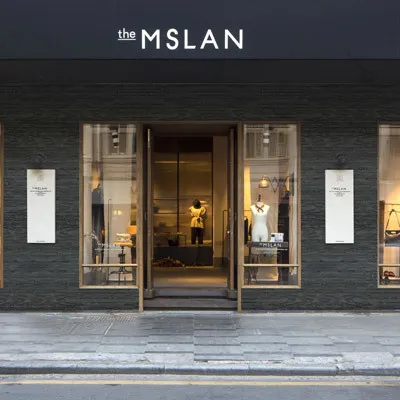
Still not convinced? Let's put Muretto Stone head-to-head with three popular alternatives: travertine (beige), fair-faced concrete, and wood grain board. We'll break down key factors architects care about most.
| Material | Durability | Design Flexibility | Sustainability | Cost Range* | Best For |
|---|---|---|---|---|---|
| Muretto Stone | Excellent (resistant to water, UV, wear) | High (3 colors, adaptable texture, indoor/outdoor use) | Good (recycled materials, low transport emissions, long lifespan) | Mid-range ($25–$40/sq ft installed) | Modern facades, high-traffic interiors, coastal areas |
| Travertine (Beige) | Moderate (prone to etching, staining without sealing) | High (natural veining, warm tones) | Fair (quarrying impact, heavy transportation) | High ($40–$60/sq ft installed) | Classic interiors, low-traffic exteriors, luxury projects |
| Fair-Faced Concrete | Good (strong but can crack in freeze-thaw cycles) | Low (limited color options, uniform texture) | Fair (high carbon footprint in production) | Low ($15–$30/sq ft installed) | Industrial-style projects, budget builds |
| Wood Grain Board | Low (warps in humidity, rots without treatment) | High (warm, natural look, various wood tones) | Variable (depends on sourcing; often requires chemicals for preservation) | Mid-range ($30–$50/sq ft installed) | Cozy interiors, accent walls, dry climates |
*Costs are approximate and vary by location, supplier, and project size.
As the table shows, Muretto Stone holds its own—and often comes out on top—across key categories. It offers the durability of concrete, the design flexibility of travertine (beige), and a sustainability edge over both. For architects balancing multiple priorities, this sweet spot is hard to ignore.
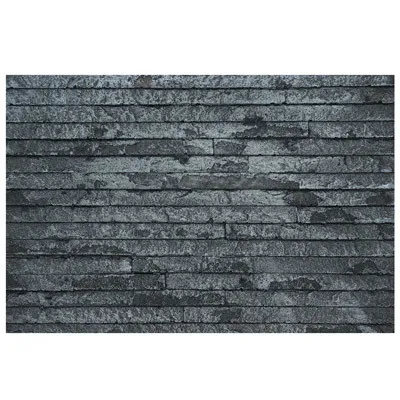
Numbers and tables are great, but nothing speaks louder than real projects. Let's look at a few examples of how architects have used Muretto Stone to elevate their designs.
A Chicago-based architect was tasked with converting a 1920s warehouse into luxury lofts. The client wanted "industrial chic" but with warmth. The architect chose muretto stone (dark grey) for the exterior facade, pairing it with large windows and metal accents. Inside, muretto stone (beige) was used for the kitchen backsplashes and bathroom walls. "The dark grey exterior gives it that tough, warehouse vibe, while the beige interior softens the space—making it feel like home," the architect explained. "And since the building is in a harsh winter climate, we needed something that could handle snow, ice, and road salt. Muretto Stone checked all those boxes."
In Santa Cruz, California, a community center needed a facade that could withstand saltwater air, strong winds, and the occasional rogue wave. The architect initially considered travertine (beige) but worried about maintenance. Then they discovered Muretto Stone. "We went with muretto stone (light grey) to reflect the ocean and sky," they said. "Three years later, the facade still looks brand new—no fading, no pitting. And the best part? We didn't have to seal it once. The local residents love how it blends with the natural surroundings without looking 'fake.'"
A development firm in Portland, Oregon, wanted to build a LEED Platinum-certified office park. Sustainability was non-negotiable, but so was aesthetics. The lead architect chose Muretto Stone for the exterior cladding, citing its recycled content and low transport emissions. "We paired muretto stone (dark grey) with wood grain board accents and living walls to create a 'biophilic' design—bringing nature into the workplace," they said. "The Muretto Stone was key because it's lightweight, so we could use a lighter steel frame, reducing the overall carbon footprint of the structure. Plus, it's fire-resistant, which was a bonus for safety."
At the end of the day, architecture is about solving problems—creating spaces that are beautiful, functional, and responsible. Muretto Stone doesn't just solve one problem; it solves many. It's durable enough for the harshest environments, flexible enough for the boldest designs, and sustainable enough for the most eco-conscious clients. And let's not forget, it looks damn good doing it.
Is it perfect? No material is. If you're designing a historic replica that demands authentic travertine (beige), Muretto Stone might not be the right fit. But for the vast majority of modern projects—from commercial towers to residential homes—it's hard to beat. As one architect put it, "Muretto Stone isn't just a material; it's a tool that lets us design without limits. And in a field where creativity and practicality are always at odds, that's priceless."
So, to answer the question: What makes Muretto Stone a top choice for architects? It's simple—it's the rare material that doesn't make them choose. Beauty or durability? Both. Sustainability or cost-effectiveness? Both. In a world of compromises, Muretto Stone is a win-win. And that's why it's here to stay.
Recommend Products












