
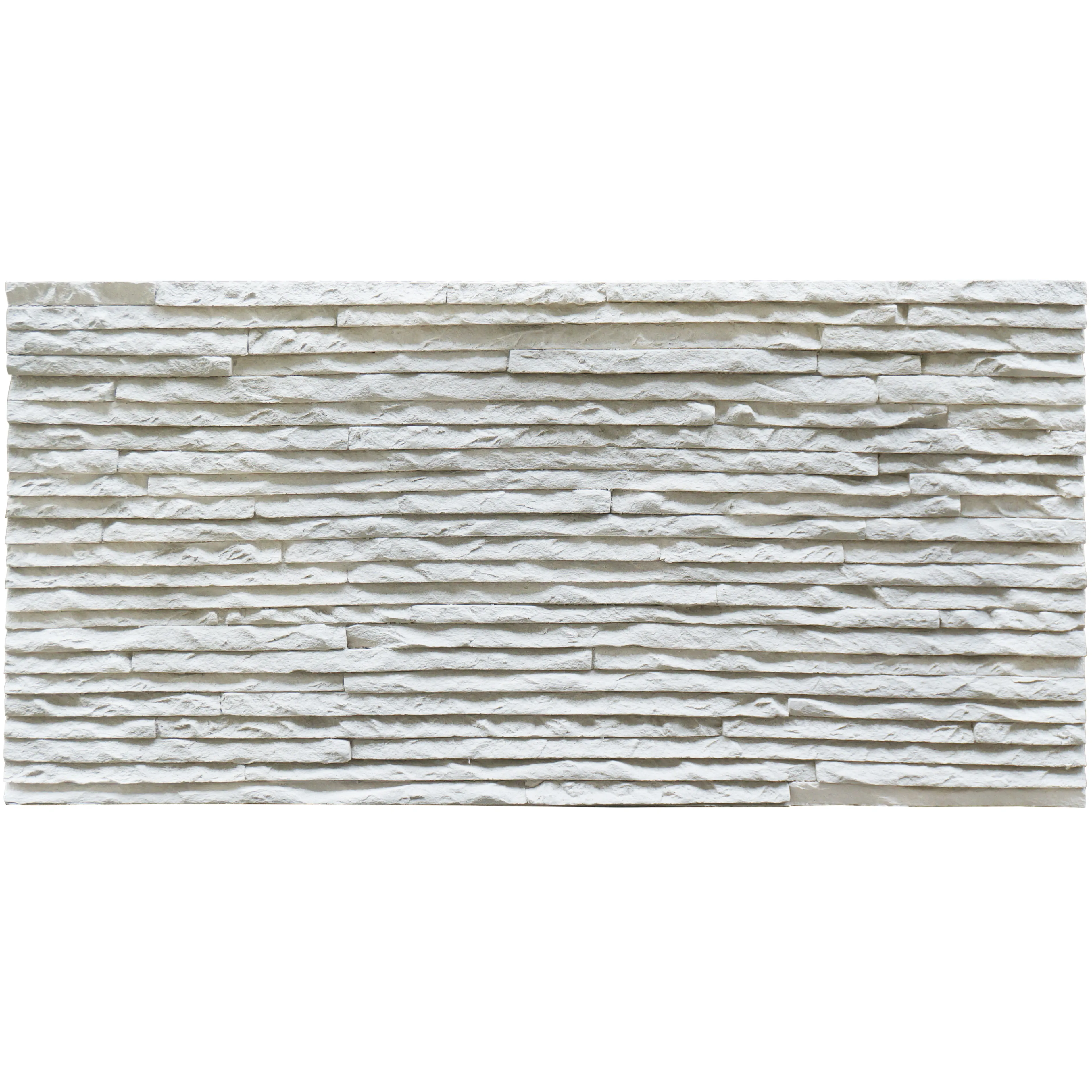
Picture this: You've just invested in a stunning new exterior for your home, choosing a warm beige stone that complements the surrounding landscape. A few months later, the first heavy rain hits—and you notice dark streaks seeping through the walls, peeling paint, and even mold starting to creep in at the corners. Sound familiar? For architects, builders, and homeowners alike, water damage is the silent enemy of beautiful, durable construction. It's why the search for materials that can stand up to moisture, rain, and humidity isn't just about practicality—it's about preserving the heart and soul of a building. Enter Muretto Stone (Beige), a material that's quickly becoming a favorite in modern construction for its ability to blend timeless aesthetics with unbeatable waterproof performance. But what exactly makes it so resistant to water? Let's dive in.
Before we get into the technical nitty-gritty, let's set the stage. Muretto Stone (Beige) isn't your average building material. It's part of a larger family of products known as MCM panels—or Modified Composite Material panels—a category of engineered materials designed to tackle the weaknesses of traditional stone, concrete, and wood. Think of MCM panels as the "smartphones" of construction materials: they take the best features of older "flip phones" (like the natural look of stone or the durability of concrete) and upgrade them with modern engineering.
Muretto Stone (Beige), in particular, is celebrated for its warm, earthy hue—a soft beige that evokes sunlit Italian villas or cozy countryside cottages. But its beauty isn't skin-deep. Unlike natural travertine (beige), which is porous and prone to water absorption, or fair-faced concrete, which can crack under pressure and let moisture seep in, Muretto Stone (Beige) is built from the ground up to resist water. It's also part of the MCM big slab board series, meaning it comes in larger, seamless panels that reduce the number of joints (those tiny gaps between tiles or stones where water loves to sneak in). Fewer joints? Less opportunity for leaks. Simple, but genius.
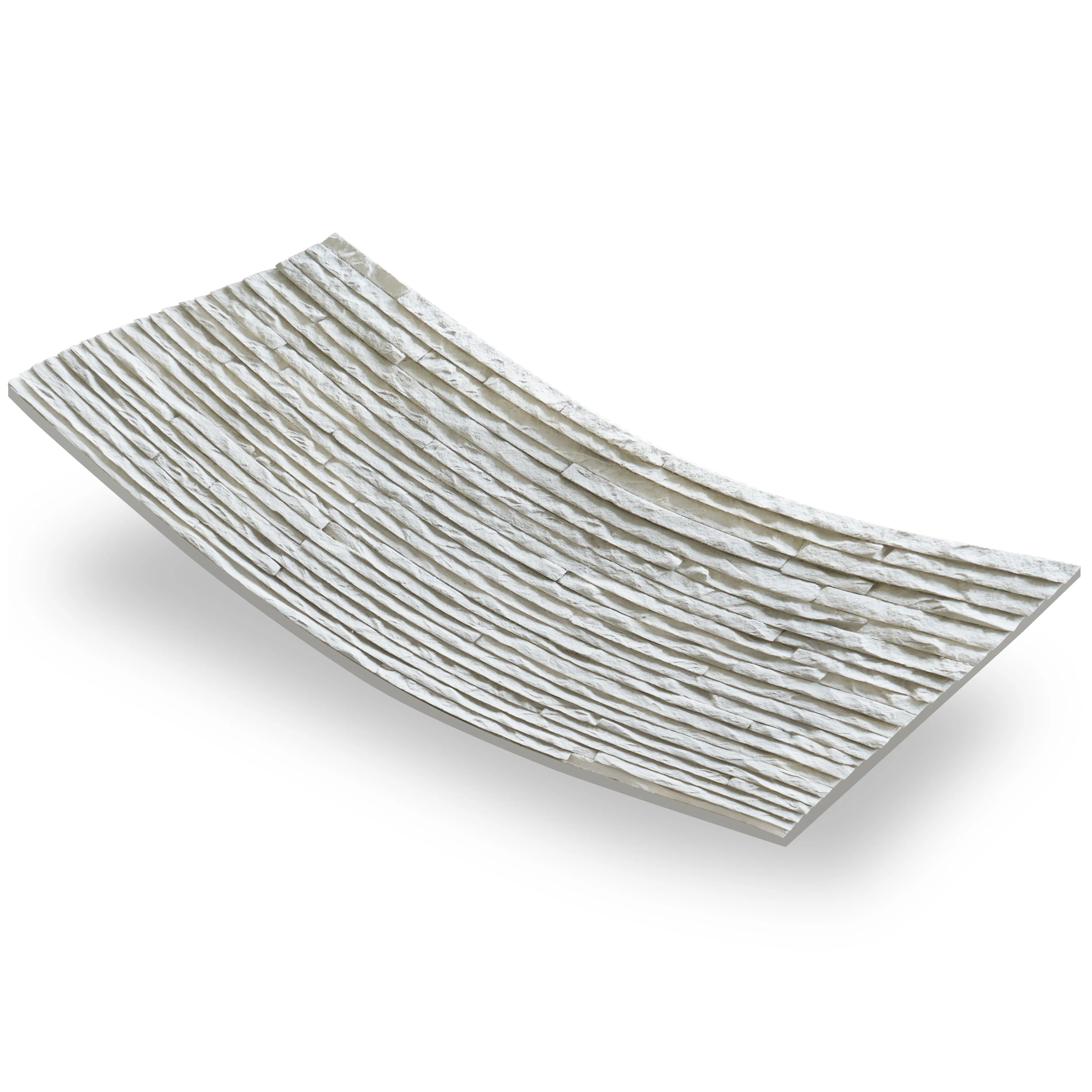
To understand why Muretto Stone (Beige) repels water so effectively, we need to start with the basics: what MCM panels are made of. Traditional stone, like travertine (beige), is formed over millennia from natural minerals, leaving tiny pores and cracks that act like sponges for water. Concrete, too, is porous by nature—even "dense" concrete has microscopic spaces where moisture can collect. MCM panels, though? They're engineered to eliminate those weak spots.
At the heart of every MCM panel (including Muretto Stone) is a carefully crafted core made from a blend of mineral aggregates, high-performance polymer binders, and reinforcing fibers. Think of it as a super-strong, super-dense "matrix" that leaves almost no room for water molecules to penetrate. Unlike natural stone, which has random pores and channels, the MCM core is uniform and tightly packed. Imagine comparing a sponge (natural stone) to a solid block of rubber (MCM core)—the sponge soaks up water; the rubber repels it. That's the difference.
This dense core is what gives Muretto Stone (Beige) its first line of defense against water. Even if rain pounds against the surface, the core doesn't absorb moisture. Instead, the water beads up and runs off, much like water sliding off a waxed car. For areas like bathroom walls, pool surrounds, or exterior cladding in rainy climates, this is a game-changer. No more worrying about water seeping into the structure and causing rot or mold.
If the core is the "armor" of Muretto Stone (Beige), the surface treatment is the "force field" that adds an extra layer of protection. During manufacturing, each panel undergoes a specialized coating process that seals the surface, making it even more resistant to water, stains, and UV rays. This isn't just a quick spray-on sealant, either—it's baked into the panel during production, so it won't wear off over time like a topical treatment on natural stone.
To put it in everyday terms: It's like the difference between a shirt that's "water-resistant" (sprays on and washes off after a few uses) and one that's "waterproof" (made with a fabric that inherently repels water). Muretto Stone (Beige) is the latter. Even if you spill coffee, splash pool water, or hose down the exterior, the surface treatment ensures liquids don't soak in—they just slide away. This is a huge win for busy homeowners or commercial spaces where maintenance is a hassle; no more scrubbing stains or re-sealing every year.
Here's a lesser-known but critical factor in waterproofing: flexibility. Buildings move. They shift with temperature changes, settle into the ground over time, and even vibrate from nearby traffic. Traditional rigid materials like natural stone or concrete can crack under this pressure, creating tiny fissures that water loves to exploit. Muretto Stone (Beige), though, is surprisingly flexible—thanks to those reinforcing fibers in its core.
Think of it like a gymnast vs. a statue. The statue is rigid and will crack if pushed too hard; the gymnast bends and adapts, avoiding injury. Muretto Stone (Beige) bends (within reason, of course) to accommodate building movement, so it doesn't develop those hairline cracks that let water in. This flexibility is especially valuable in regions with extreme weather—hot summers that expand materials, cold winters that contract them, or areas prone to earthquakes. By staying intact, Muretto Stone (Beige) keeps water out where rigid materials might fail.
Waterproofing isn't just about repelling water today—it's about doing it for decades. Muretto Stone (Beige) isn't a short-term fix; it's built to last. The polymer binders in its core are resistant to degradation from UV rays, which can break down traditional materials over time, making them more porous. The mineral aggregates add strength, so the panel doesn't chip, flake, or erode, even in harsh coastal environments where saltwater and wind can eat away at less durable materials.
Consider this: A natural travertine (beige) wall might start showing water stains or pitting after 5–10 years of exposure to the elements. Fair-faced concrete could develop cracks within a decade, requiring costly repairs. Muretto Stone (Beige), though, is designed to maintain its waterproof properties for 20+ years with minimal maintenance. That's not just a number—it's peace of mind for homeowners and builders who want to avoid the cycle of constant upkeep.
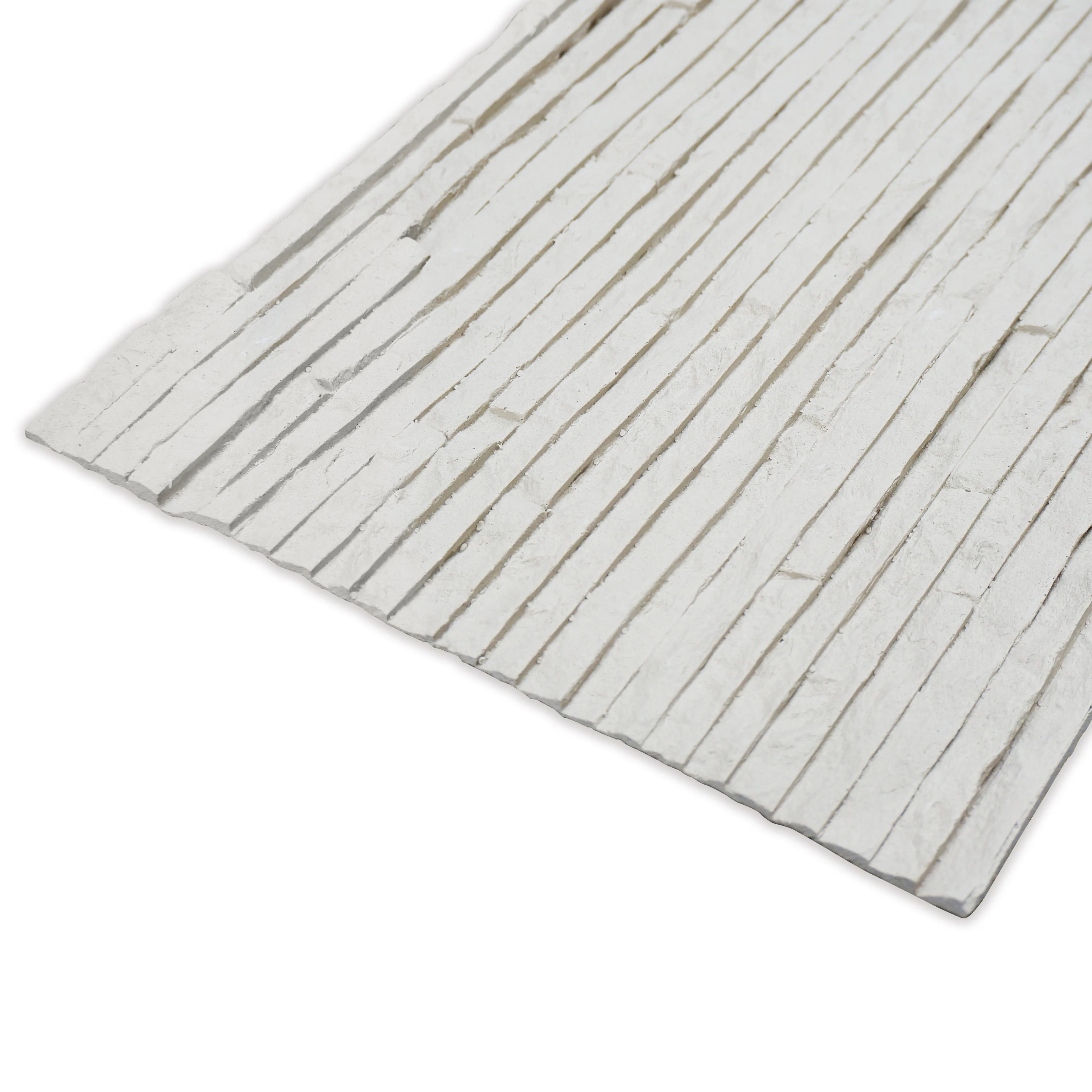
Numbers and technical terms are helpful, but sometimes a side-by-side comparison says it all. Let's take a look at how Muretto Stone (Beige) measures up against two common alternatives: natural travertine (beige) and fair-faced concrete. We'll focus on the features that matter most for waterproofing and overall performance.
| Feature | Muretto Stone (Beige) (MCM Panel) | Natural Travertine (Beige) | Fair-Faced Concrete |
|---|---|---|---|
| Water Absorption Rate | <0.5% (virtually non-porous) | 5–8% (highly porous; requires sealing) | 3–5% (porous; prone to cracking) |
| Flexural Strength (Resistance to Bending/Cracking) | ≥25 MPa (flexible; resists cracking) | 8–12 MPa (rigid; prone to chipping/cracking) | 10–15 MPa (rigid; can crack under stress) |
| Surface Treatment | Integrated waterproof coating (permanent) | Requires annual re-sealing (temporary) | None; porous surface |
| Joint Requirements | Part of MCM big slab board series (fewer joints = fewer leak points) | Smaller tiles/slabs (more joints = more risk) | Multiple pours (seams require sealing) |
| Maintenance Needs | Minimal (occasional cleaning with water) | High (regular sealing, stain removal) | Moderate (crack repair, sealing seams) |
The takeaway? Muretto Stone (Beige) outperforms traditional materials across the board when it comes to waterproofing. Its low water absorption, flexibility, integrated surface treatment, and large panel size (thanks to the MCM big slab board series) all work together to create a material that's not just water-resistant, but truly waterproof.
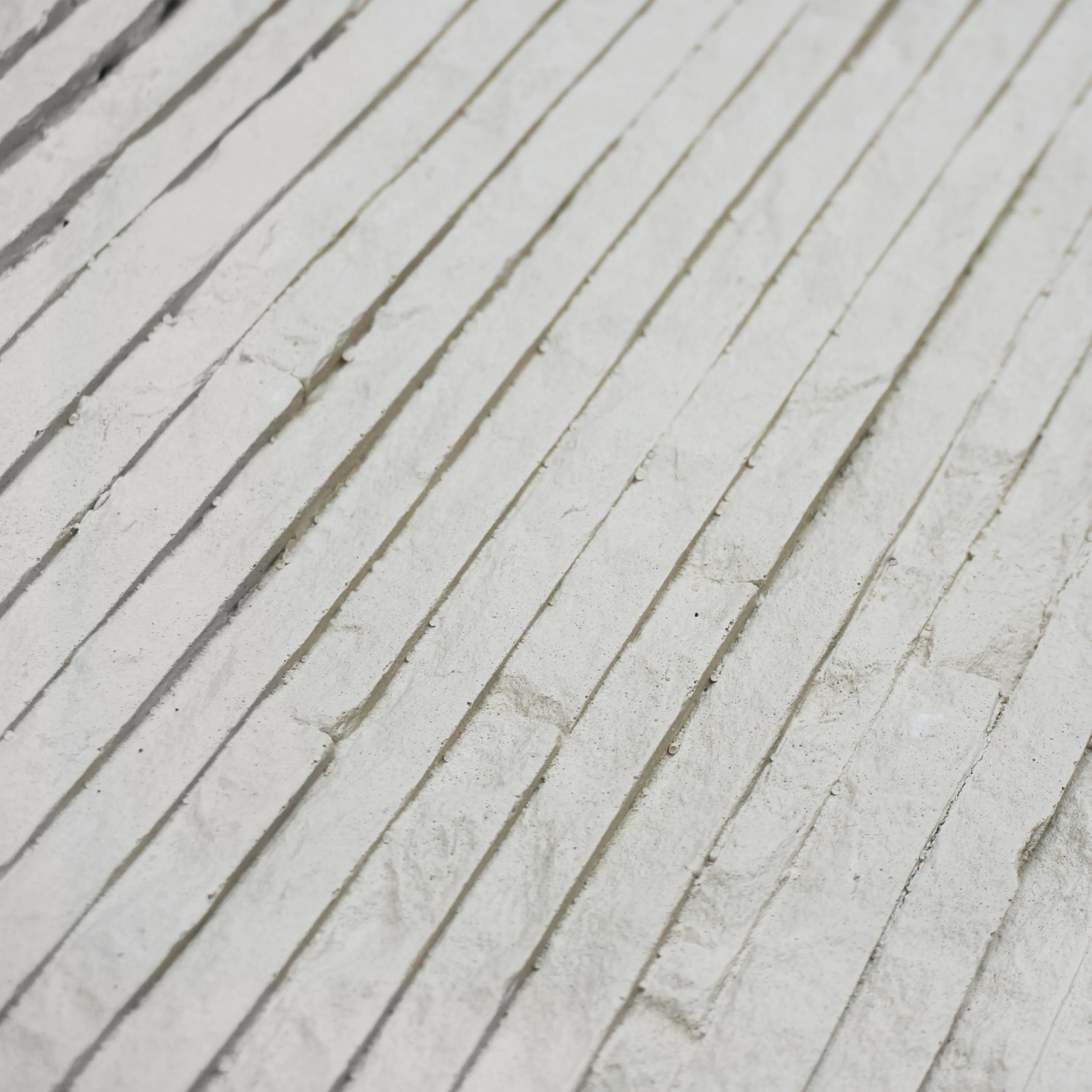
Technical specs are great, but how does this translate to real life? Let's look at a few scenarios where Muretto Stone (Beige) has made a tangible difference:
Coastal Homes: In areas like Miami or the Mediterranean, saltwater spray and high humidity are constant threats. A homeowner in Barcelona recently replaced their natural travertine (beige) exterior with Muretto Stone (Beige) panels. After two years of exposure to sea air, the panels still look brand-new—no salt stains, no peeling, no mold. "I used to pressure-wash the walls every month to keep the salt off," they said. "Now? I hose them down once a season, and that's it."
Commercial Kitchens: Restaurants and cafes know the struggle of moisture-prone walls near sinks, dishwashers, and cooking areas. A popular bistro in Paris swapped out their fair-faced concrete backsplashes for Muretto Stone (Beige) panels. The result? No more water spots from steam, no mold growth in corners, and a surface that wipes clean with a damp cloth. "It's like having a kitchen wall that's as easy to clean as a ceramic tile, but looks like expensive stone," the chef (chuckled).
Bathroom Renovations: Homeowners remodeling bathrooms often worry about water damage behind tiles. A family in Tokyo chose Muretto Stone (Beige) for their shower walls. "We wanted something that felt warm and natural, not clinical," they explained. "With Muretto, we get the look of travertine without the fear of water seeping into the walls. Even after a year of daily showers, there's no sign of moisture damage."
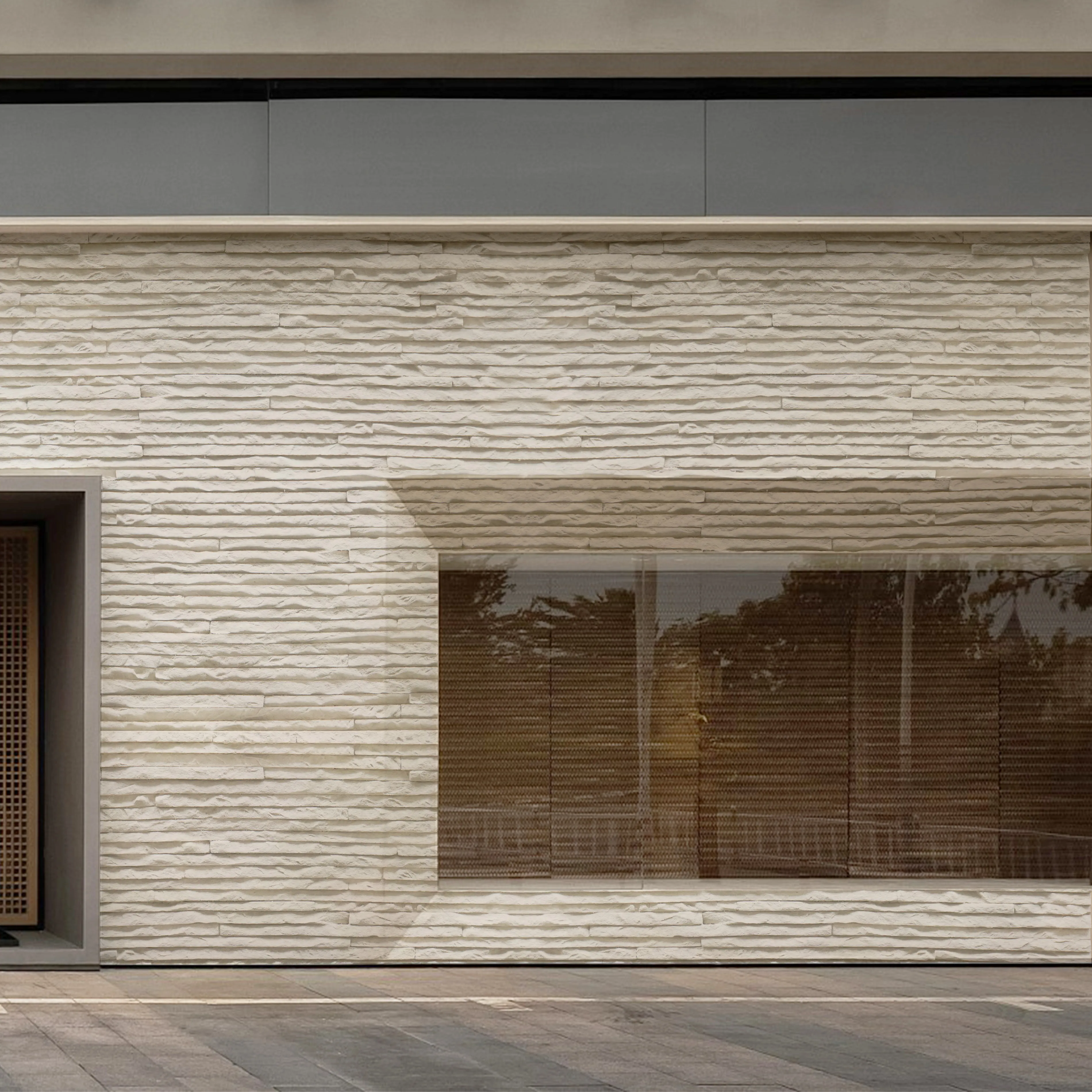
At the end of the day, Muretto Stone (Beige) isn't just about keeping water out. It's about giving architects, builders, and homeowners a material that checks all the boxes: beauty, durability, low maintenance, and yes—unbeatable waterproofing. In a world where construction costs are rising and homeowners are looking for materials that last, Muretto Stone (Beige) stands out as a smart investment. It's a reminder that in construction, as in life, the best solutions are those that blend form and function.
So, the next time you're planning a project—whether it's a home exterior, a commercial space, or a bathroom renovation—remember: Waterproofing isn't an afterthought. It's the foundation of a building that stands the test of time. And with Muretto Stone (Beige), you don't have to choose between beauty and performance. You can have both.
Recommend Products












