
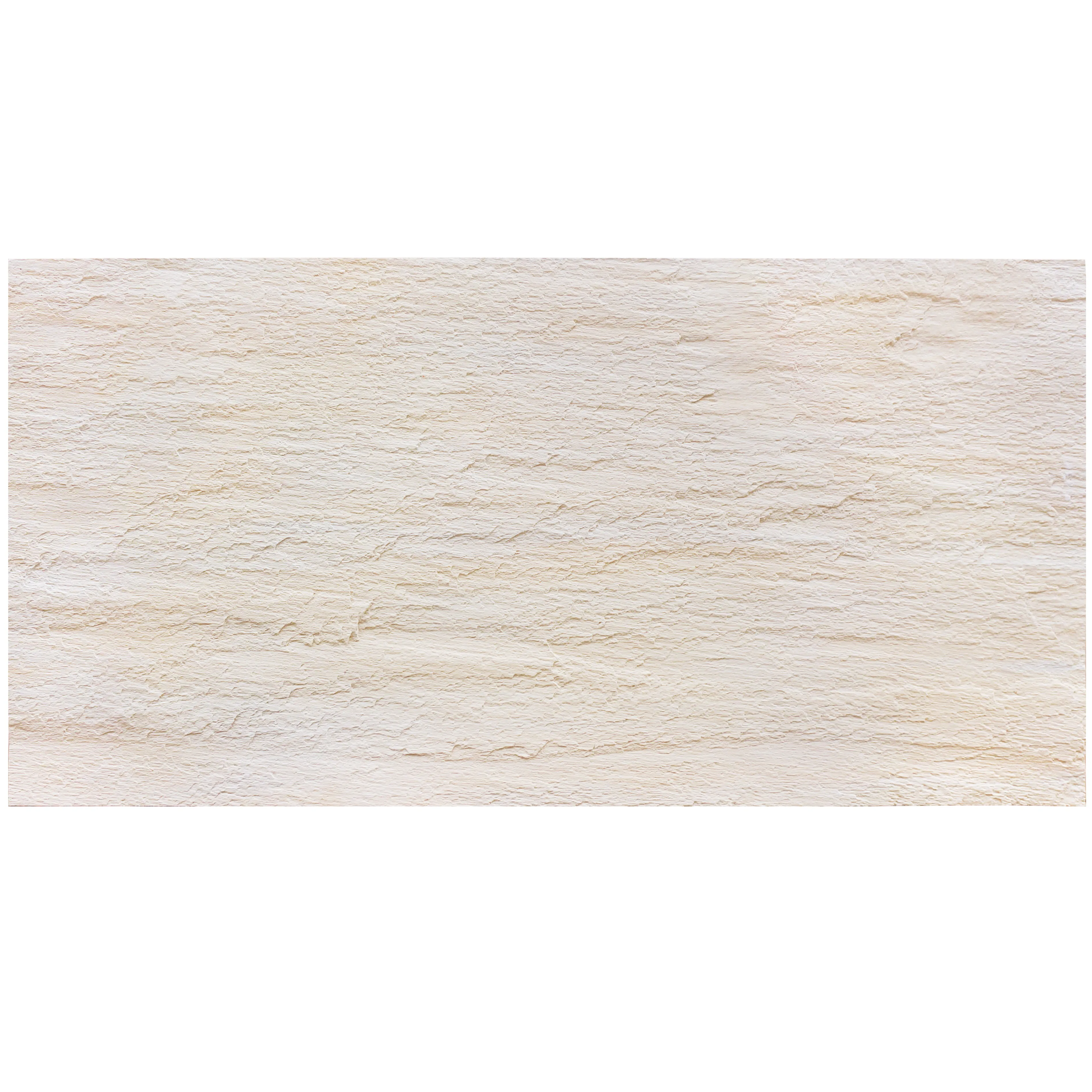
Saudi Arabia's construction industry is in the midst of a transformative era. From the futuristic skylines of Riyadh's King Abdullah Financial District to the ambitious smart city of NEOM, and the cultural preservation projects in Jeddah's historic Al-Balad district, the kingdom is redefining what modern construction can achieve. But behind every iconic building, every sustainable development, and every culturally resonant structure lies a critical decision: the choice of building materials. In a region where extreme weather, cultural heritage, and sustainability goals collide, the right material isn't just a component—it's the foundation of success. Enter Oasis Stone Foge —a material that's quickly becoming the go-to choice for architects, developers, and builders across Saudi Arabia. But what exactly makes it stand out in a market flooded with options like fair-faced concrete, travertine, and historical pathfinders stone? Let's dive in.
To understand why Oasis Stone Foge is gaining traction, we first need to grasp the unique challenges of building in Saudi Arabia. This isn't just about putting up walls—it's about creating structures that can withstand one of the harshest climates on Earth, honor a rich cultural legacy, and align with the kingdom's Vision 2030 goals of sustainability and innovation.
Take the weather, for starters. Summer temperatures regularly soar above 45°C (113°F), with intense UV radiation that fades lesser materials. Sandstorms, driven by hot winds, carry abrasive particles that can erode surfaces over time. Coastal areas like Jeddah face high humidity and salt-laden air, which corrodes metal and weakens concrete. Then there's the cultural aspect: Saudi Arabia's architecture is a tapestry of tradition and modernity. From the mud-brick towers of Najran to the sleek glass of Riyadh's skyline, new developments must often bridge the gap between the past and the future. Finally, sustainability is no longer optional. With Vision 2030 emphasizing green building practices, materials must reduce carbon footprints, minimize waste, and support energy efficiency.
Against this backdrop, many traditional materials fall short. Fair-faced concrete, while durable, lacks the warmth needed to complement heritage sites. Travertine, with its classic veining, can struggle with staining in dusty environments. Historical pathfinders stone, though culturally significant, is often heavy and costly to source. That's where Oasis Stone Foge comes in—a material engineered to address these very challenges.
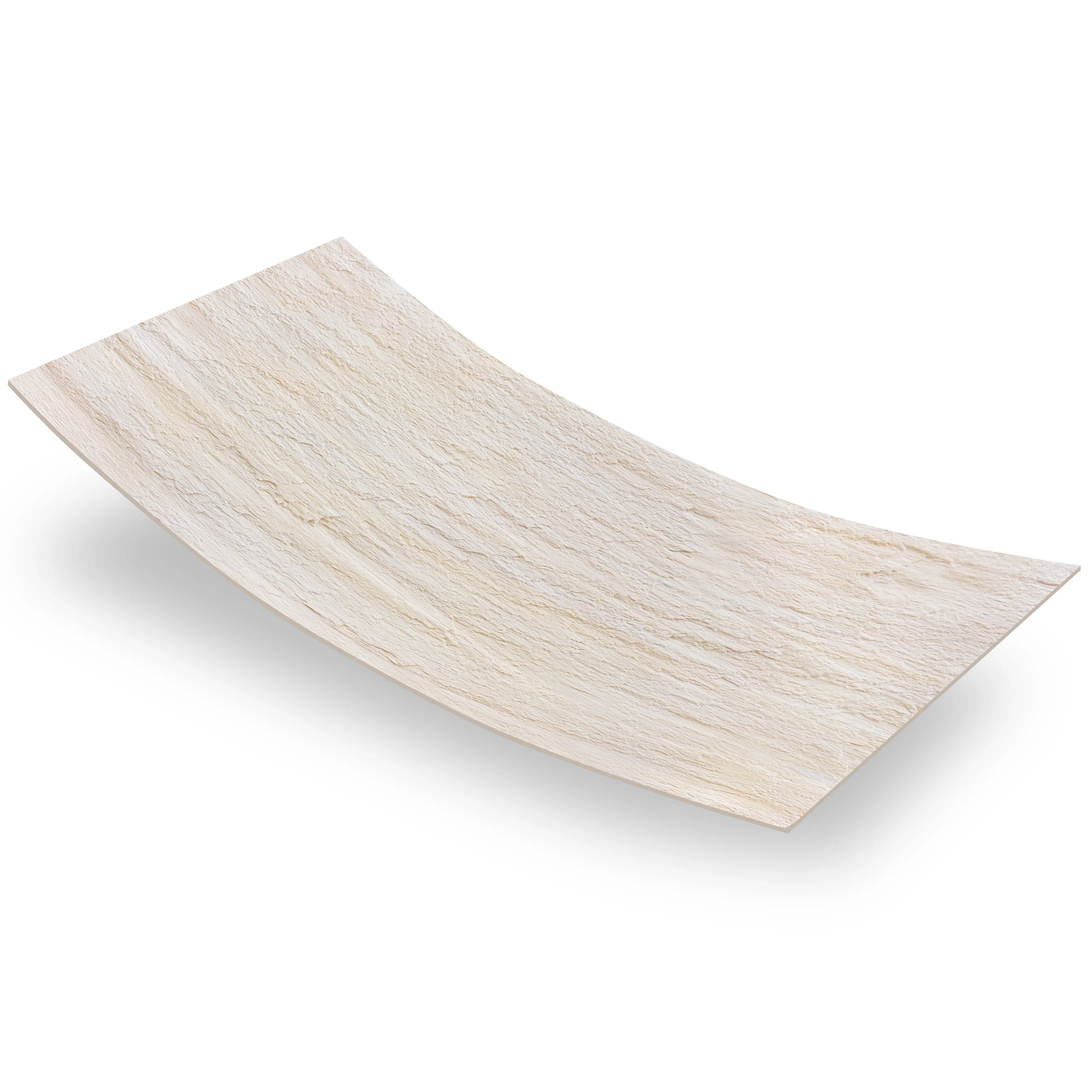
What sets Oasis Stone Foge apart first and foremost is its durability. Unlike some decorative cladding materials that prioritize looks over longevity, this stone is engineered to thrive in Saudi Arabia's extreme conditions. Let's break down its resilience:
Ali Al-Mansoori, a construction manager with a major firm in Riyadh, put it best: "We used Oasis Stone Foge on a residential complex in the city center three years ago. After two harsh summers and a couple of major sandstorms, the cladding still looks brand new. We've had zero complaints from residents about fading or damage—something we can't say for the travertine we used on a previous project."
Durability is essential, but in Saudi Arabia's design-conscious market, aesthetics matter just as much. Oasis Stone Foge doesn't just survive the elements—it elevates the look of any project, whether it's a cutting-edge tech hub in NEOM or a restoration in Al-Ula's ancient city.
One of its biggest strengths is its versatility in texture and color. Unlike one-note materials like standard concrete, Oasis Stone Foge comes in a range of finishes that pay homage to Saudi's natural landscapes and cultural motifs. For example:
This flexibility allows designers to tell a story through architecture. For instance, the recently completed "Heritage Gateway" in Jeddah uses Oasis Stone Foge in "Historical Pathfinders Stone" finish for its lower levels, honoring the city's trading past, while the upper floors feature "Lunar Peak Silvery" panels, symbolizing Saudi's leap into the future. The result? A building that feels both rooted and forward-thinking—a balance that's hard to achieve with less versatile materials.
In today's construction world, "sustainable" isn't just a buzzword—it's a requirement. Saudi Arabia's Vision 2030 explicitly calls for reducing carbon emissions and promoting eco-friendly practices, and developers are under increasing pressure to deliver on these promises. Oasis Stone Foge checks all the boxes when it comes to sustainability.
First, its production process is designed to minimize environmental impact. Unlike traditional stone quarrying, which can disrupt ecosystems, Oasis Stone Foge uses a high percentage of recycled materials—up to 40% in some variants—including reclaimed stone dust and industrial byproducts. This reduces the need for virgin resource extraction and cuts down on waste sent to landfills.
Second, its lightweight nature (up to 30% lighter than natural travertine) translates to lower transportation emissions. A truck can carry 50% more Oasis Stone Foge panels than equivalent natural stone, reducing the number of trips needed to deliver materials to job sites. For large projects in remote areas like NEOM, this not only cuts costs but also lowers the carbon footprint significantly.
Third, the stone contributes to energy efficiency in buildings. Its thermal mass properties help regulate indoor temperatures, keeping interiors cooler in summer and warmer in winter. This reduces reliance on air conditioning—a major energy drain in Saudi Arabia. A study by the Saudi Green Building Forum found that buildings clad in Oasis Stone Foge required 18% less cooling energy than those using standard concrete cladding, leading to lower utility bills and reduced carbon emissions over time.
In the fast-paced world of Saudi construction, time is money. Delays can derail projects, especially in a market where deadlines are tight and labor costs are rising. Oasis Stone Foge addresses this with a design that prioritizes ease of installation, making it a favorite among contractors.
Thanks to its lightweight composition and modular design, the stone can be installed quickly and with minimal labor. Unlike heavy natural stone slabs, which often require cranes and specialized teams, Oasis Stone Foge panels can be handled by a small crew using basic tools. This speeds up the construction timeline—contractors report a 25% reduction in installation time compared to traditional cladding materials.
Additionally, the stone's uniformity reduces waste on the job site. Each panel is precision-cut to size, so there's less trimming and leftover material. For a large-scale project like the Riyadh Metro station cladding, this translated to a 12% reduction in material waste, saving both money and resources.
To truly appreciate Oasis Stone Foge's advantages, it helps to see how it stacks up against other commonly used materials in Saudi construction. The table below compares key factors like durability, aesthetics, sustainability, and cost-effectiveness:
| Material | Durability (1-5) | Aesthetic Flexibility | Sustainability | Cost-Effectiveness (Lifetime) |
|---|---|---|---|---|
| Oasis Stone Foge | 5 | High (20+ finishes, custom options) | Excellent (40% recycled content, low emissions) | High (low maintenance, long lifespan) |
| Fair-Faced Concrete | 4 | Low (limited textures/colors) | Moderate (high carbon footprint in production) | Moderate (prone to staining, requires sealing) |
| Historical Pathfinders Stone | 3 | Moderate (heritage-focused, limited modern options) | Low (often sourced from non-renewable quarries) | Low (high extraction/transport costs) |
| Travertine (Starry Blue) | 3 | High (natural veining, unique look) | Moderate (high water usage in processing) | Moderate (prone to chipping, high maintenance) |
As the table shows, Oasis Stone Foge outperforms competitors across the board, particularly in durability, aesthetic flexibility, and long-term cost-effectiveness. While initial costs may be slightly higher than fair-faced concrete, the savings in maintenance, installation time, and energy efficiency make it a smarter investment over a building's lifetime.
Numbers and specs tell part of the story, but real-world applications bring it to life. Across Saudi Arabia, Oasis Stone Foge is already making its mark on some of the kingdom's most ambitious projects. Let's explore a few standout examples:
NEOM, Saudi Arabia's futuristic megacity, is a testbed for sustainable technology—and Oasis Stone Foge was chosen as the primary cladding material for its Green Innovation Hub, a research center focused on renewable energy solutions. The design team opted for "Foamed Aluminium Alloy Board (Vintage Silver)" panels for the exterior, which reflect sunlight to reduce cooling needs, and "Stream Limestone (Claybank)" for the interior walls, creating a warm, inviting space for researchers. Since completion in early 2025, the hub has reported 22% lower energy consumption than projected, with the stone's thermal properties cited as a key factor.
In the ancient city of Al-Ula, where preservation is paramount, a luxury hotel recently opened using Oasis Stone Foge in "Muretto Stone (Beige)" and "Relic Rammed Earth Board" finishes. These materials were chosen for their ability to mimic the region's traditional sandstone and mud-brick architecture while offering superior durability. Hotel managers note that the stone has withstood sandstorms and extreme temperature fluctuations without visible wear, and guests frequently comment on how the design "feels like it's been part of the landscape for centuries."
Riyadh's ongoing urban redevelopment initiative aims to transform older neighborhoods into vibrant, modern communities. In the Al-Malaz district, Oasis Stone Foge in "Linear Travertine (Claybank)" and "Wood Grain Board" was used to clad apartment buildings, blending the area's residential charm with a fresh, contemporary look. The lightweight panels allowed for faster installation, reducing disruption to residents, and the stone's resistance to graffiti has kept the buildings looking new—even in high-traffic areas.
Saudi Arabia's construction boom isn't just about building bigger or taller—it's about building smarter. It's about creating structures that can endure the elements, honor the past, and embrace the future. In this context, Oasis Stone Foge emerges not just as a building material, but as a solution tailored to the kingdom's unique needs.
Its durability ensures that projects stand strong against heat, sand, and time. Its aesthetic versatility bridges tradition and modernity, allowing architects to craft spaces that feel both familiar and innovative. Its sustainability aligns with Vision 2030's green goals, reducing environmental impact without compromising performance. And its ease of installation makes it a practical choice for fast-track projects in a market where time is of the essence.
As Saudi Arabia continues to shape its architectural identity, materials like Oasis Stone Foge will play a pivotal role. They're not just building blocks—they're the foundation of a legacy. Whether in the gleaming towers of Riyadh, the cultural sites of Al-Ula, or the futuristic cities of tomorrow, Oasis Stone Foge is proving that the best materials don't just fit the environment—they enhance it.
So, the next time you walk past a striking building in Saudi Arabia, take a closer look. Chances are, you're seeing more than stone—you're seeing a material that's redefining what's possible in construction. And that's the true power of Oasis Stone Foge.
Recommend Products












