
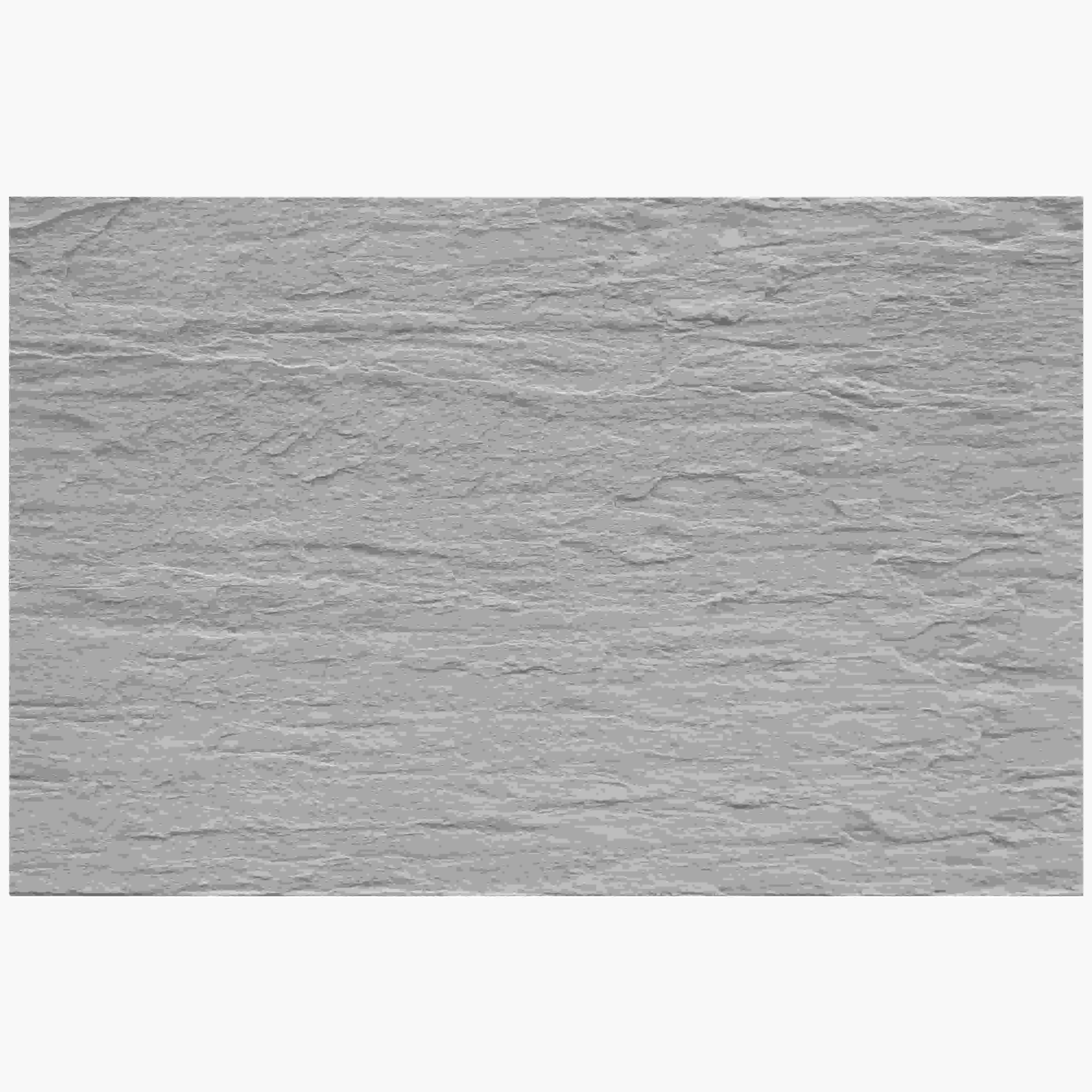
Exploring the Durability, Beauty, and Versatility of a Modern Building Material
Walk into any thriving commercial space—a bustling hotel lobby, a sleek retail store, or a dynamic office building—and you'll notice something immediately: the materials that shape the environment. They're not just background elements; they're storytellers. They set the mood, convey brand identity, and withstand the chaos of daily life. For developers, architects, and designers, choosing the right building material isn't just a practical decision—it's a commitment to creating spaces that endure, inspire, and adapt. In a market flooded with options—from the industrial edge of fair-faced concrete to the organic warmth of travertine (starry green), and the rugged texture of boulder slab—one material has quietly risen to the top for commercial projects: Oasis Stone Regular . But what makes it stand out? Why do project managers and designers return to it again and again, even when faced with a sea of alternatives like MCM flexible stone or the metallic sheen of foamed aluminium alloy board (vintage silver)? Let's dive in.
Commercial projects are a balancing act. They demand materials that can handle heavy foot traffic, resist spills and stains, and maintain their appearance through years of use. But they also need to be visually striking—spaces that draw people in, make a statement, and reflect the brand's personality. A hotel aiming for luxury can't afford a lobby floor that scratches easily; a restaurant needs walls that repel grease and clean up quickly; an office building wants a facade that looks fresh decades after construction. In short, commercial materials need to be workhorses and showstoppers. And that's where many options fall short.
Take fair-faced concrete, for example. It's loved for its raw, industrial vibe, but it can feel cold and unwelcoming in spaces meant to comfort or inspire. Travertine (starry green) offers stunning, natural veining, but its porous surface requires constant sealing to prevent stains—a maintenance headache for busy commercial teams. Boulder slab, with its rugged, earthy texture, adds character, but its weight and installation complexity can drive up project timelines and costs. Even MCM flexible stone, praised for its lightweight design, sometimes lacks the depth and durability needed for high-impact commercial applications. So where does Oasis Stone Regular fit in? It's the material that bridges these gaps—combining the best of durability, aesthetics, and practicality into a single, versatile solution.

To understand why Oasis Stone Regular has become a go-to for commercial projects, we need to unpack its defining features. It's not just another stone; it's a thoughtfully engineered material designed with the unique demands of commercial spaces in mind. Let's break down what makes it exceptional.
In commercial settings, "durable" isn't just a buzzword—it's a necessity. Imagine a busy shopping mall hallway, where thousands of feet pass daily, or a hotel lobby where luggage wheels, spilled drinks, and constant movement are par for the course. Oasis Stone Regular is built to thrive here. Crafted with a dense, non-porous composition, it resists scratches, chips, and stains far better than traditional natural stones like travertine or even some engineered options like concrete board (light grey). Unlike porous materials that absorb liquids and harbor bacteria, its surface repels spills—whether it's coffee from a hurried office worker, wine from a restaurant patron, or rainwater on an outdoor facade. This resistance isn't just about looking good; it's about reducing maintenance costs. A material that needs frequent sealing, polishing, or repairs can eat into a commercial project's budget over time. Oasis Stone Regular, with its low-maintenance nature, keeps those costs in check, making it a smart long-term investment.
But durability isn't just about daily wear. It's also about weather resilience. For commercial buildings with outdoor spaces—think restaurant patios, hotel pool areas, or office courtyards—materials must stand up to rain, sun, and temperature fluctuations. Oasis Stone Regular holds its color and texture even under harsh UV rays, won't crack in freezing temperatures, and resists fading over time. Compare that to wood-based materials like charcoal burnt wood board, which can warp or rot in moisture, or even some metal options like foamed aluminium alloy board (vintage gold), which might corrode in salty coastal air. Oasis Stone Regular is the reliable choice for projects that can't afford downtime or frequent replacements.
Commercial spaces aren't just functional—they're emotional. They need to evoke feelings: trust in a bank, excitement in a retail store, calm in a spa. Oasis Stone Regular understands this, offering a range of textures and tones that adapt to any design vision. Unlike the uniform, sometimes sterile look of concrete board (dark grey), or the bold but limited palette of travertine (starry red), Oasis Stone Regular balances consistency with character. Its surface mimics the depth of natural stone, with subtle variations that add warmth without feeling chaotic.
Picture a boutique hotel lobby designed with a desert-inspired theme. The soft, earthy hues of Oasis Stone Regular—think warm beiges, gentle taupes, and muted greys—would complement wooden accents and greenery, creating a space that feels both luxurious and grounded. Now imagine a tech startup office aiming for a modern, industrial vibe. Pair Oasis Stone Regular with black metal fixtures and exposed brick, and suddenly the stone's clean lines and subtle texture add sophistication without overshadowing the brand's edgy identity. It's versatile enough to play a supporting role or take center stage, depending on the design.
What truly sets it apart, though, is its ability to blend with other materials. Want to mix rustic and modern? Pair it with woven textures (like the warmth of weaving (khaki)) for a cozy restaurant interior. Going for a high-end, minimalist look? Combine it with marble veil white for a lobby that feels timeless and elegant. Unlike some materials that clash with others—like the industrial cold of fair-faced concrete against soft textiles—Oasis Stone Regular acts as a unifying element, tying together diverse design elements into a cohesive whole.
Commercial projects are rarely one-dimensional. A single development might include a lobby floor, exterior facade, restaurant walls, and outdoor patio—each with different demands. Oasis Stone Regular rises to the challenge, proving its versatility across applications. Indoors, it works beautifully for flooring, wall cladding, countertops, and even accent features like fireplace surrounds. Its slip-resistant surface makes it ideal for high-traffic areas like airport terminals or shopping mall corridors, where safety is paramount. Outdoors, it transforms facades, walkways, and pool decks, standing up to rain, snow, and direct sunlight without losing its appeal.
Consider a mixed-use development with a rooftop bar. The bar's countertops need to resist spills and heat from hot plates; the outdoor seating area needs to handle rain and foot traffic; the interior dining space wants a seamless flow with the exterior. Oasis Stone Regular can do it all—same material, different applications, consistent quality. This versatility simplifies the construction process, reducing the need to source multiple materials and coordinate with different suppliers. For project managers, that means fewer delays, lower costs, and a more cohesive final product.
Today's commercial developers aren't just building for the present—they're building for the planet. Sustainability has become a key factor in material selection, driven by both consumer demand and regulatory pressures. Oasis Stone Regular aligns with this shift, offering eco-friendly benefits that appeal to forward-thinking projects. Its production process minimizes waste, using recycled materials where possible and reducing energy consumption compared to traditional stone quarrying. Unlike natural stone, which requires extensive mining and transportation (contributing to carbon emissions), Oasis Stone Regular is often manufactured locally, cutting down on shipping impacts.
But sustainability isn't just about production—it's about longevity. A material that lasts longer reduces the need for frequent replacements, which in turn lowers the overall environmental footprint. Oasis Stone Regular's durability means fewer resources spent on repairs, refinishing, or full replacements over its lifetime. Additionally, its low-maintenance requirements mean less water and harsh chemicals used for cleaning—a small detail that adds up to big environmental benefits over time. For LEED-certified projects or businesses aiming to showcase their commitment to sustainability, Oasis Stone Regular is more than a material choice; it's a statement of responsibility.

To truly appreciate Oasis Stone Regular, it helps to see how it measures up against other popular commercial materials. Below is a comparison of key features, highlighting where Oasis Stone Regular outperforms the competition:
| Material | Durability | Aesthetics | Maintenance | Sustainability | Cost (Long-Term) |
|---|---|---|---|---|---|
| Oasis Stone Regular | High (resists scratches, stains, weathering) | Versatile; natural texture with consistent quality | Low (occasional cleaning; no sealing required) | High (recycled materials, low-waste production) | Moderate upfront, low long-term (minimal replacements) |
| Fair-Faced Concrete | High (but prone to cracking over time) | Industrial, uniform; limited color options | Moderate (may require sealing; stains can be hard to remove) | Moderate (high carbon footprint in production) | Low upfront, high long-term (repairs for cracks) |
| Travertine (Starry Green) | Moderate (porous; prone to staining) | Stunning natural veining; bold aesthetic | High (regular sealing; sensitive to acids) | Low (requires quarrying; high transportation impact) | High upfront, high long-term (sealing, repairs) |
| Boulder Slab | High (dense; heavy-duty) | Rugged, natural texture; limited color range | Moderate (heavy; difficult to install/repair) | Low (extensive mining; high weight increases shipping emissions) | High upfront (installation costs), moderate long-term |
| Foamed Aluminium Alloy Board (Vintage Silver) | Moderate (prone to dents; corrosion in harsh environments) | Sleek, metallic; modern aesthetic | Moderate (polishing to maintain shine; corrosion treatment) | Moderate (recyclable but energy-intensive production) | Moderate upfront, moderate long-term (repairs for dents) |
The table tells a clear story: Oasis Stone Regular balances durability, aesthetics, and sustainability better than many alternatives. It outperforms travertine in maintenance and cost, offers more design flexibility than fair-faced concrete, and is more eco-friendly than boulder slab. For commercial projects that need to check all these boxes, the choice becomes obvious.
Numbers and comparisons tell part of the story, but real-world applications bring it to life. Let's explore how Oasis Stone Regular has transformed commercial spaces across different industries, proving its value in action.
A major retail developer in Chicago set out to create a mixed-use complex featuring high-end boutiques, casual dining, and a rooftop park. The goal was to blend modern design with a welcoming, pedestrian-friendly atmosphere. The team needed a flooring material that could handle daily foot traffic from thousands of shoppers, resist spills from food courts, and complement the complex's industrial-chic aesthetic. After considering options like concrete board (light grey) and travertine (vintage black), they chose Oasis Stone Regular in a warm taupe tone.
Two years later, the results speak for themselves. The floors show minimal signs of wear, even in high-traffic areas near the food court. The stone's texture provides slip resistance, reducing accident risks, while its neutral color palette has allowed retailers to change their storefront designs without clashing with the flooring. The rooftop park, which features Oasis Stone Regular in its walkways, has withstood Chicago's harsh winters—no cracking, no fading—and remains a popular spot for visitors. The developer noted that maintenance costs have been 30% lower than projected, thanks to the stone's durability and easy cleaning. "We wanted a material that would look as good on day 1,000 as it did on day 1," said the project architect. "Oasis Stone Regular delivered that and more."
A boutique hotel chain in Miami aimed to create a lobby that felt both luxurious and approachable—a space where guests would want to linger, not just pass through. The design called for a focal wall behind the reception desk, as well as flooring that flowed seamlessly from the entrance to the lounge area. The team considered marble stream stone for its elegance but worried about its susceptibility to scratches and stains. They also looked at MCM flexible stone for the wall but desired a more substantial, high-end feel.
Oasis Stone Regular emerged as the solution. The reception wall was clad in large-format Oasis Stone panels in a soft cream hue, paired with gold accents and warm lighting to create a sense of opulence. The flooring, in a complementary taupe shade, connected the space, with subtle texture that added depth without overwhelming the design. Guests often comment on the "timeless" feel of the lobby, noting that the stone looks both classic and modern. Hotel staff appreciate how easy the surfaces are to clean—spills from coffee cups or luggage scuffs wipe away with minimal effort. "It's the little things," said the hotel manager. "A guest spills red wine on the floor, and instead of panicking, we just wipe it up. That peace of mind is priceless."
A tech company in Seattle wanted its new office campus to reflect its innovative, sustainable values. The campus includes outdoor walkways, courtyard seating areas, and interior collaboration spaces. The team prioritized materials that were durable, eco-friendly, and visually cohesive. After testing options like rammed earth board (gradient) for outdoor areas and wood concrete board (light grey) for interiors, they selected Oasis Stone Regular for both indoor and outdoor use.
Outdoors, the stone's weather resistance has stood up to Seattle's rainy climate, with walkways remaining slip-free even in downpours. Indoors, it lines the walls of open-concept meeting spaces, paired with plants and natural light to create a calm, productive atmosphere. The company's sustainability team was particularly impressed by Oasis Stone Regular's low carbon footprint, which contributed to the campus earning LEED Gold certification. "We didn't want to compromise on design or sustainability," said the facilities director. "Oasis Stone Regular let us have both. It's become a talking point for clients who visit—they notice the attention to detail, and it reinforces our brand's commitment to the environment."

At the end of the day, commercial projects are about results: spaces that function flawlessly, appeal to visitors, and stand the test of time. Oasis Stone Regular delivers on all three counts, combining durability, beauty, versatility, and sustainability into a material that meets the unique demands of modern commercial development. It's not just a stone—it's a partner in creating spaces that work hard and look good doing it.
For developers, it means lower long-term costs and fewer headaches. For architects, it's a canvas that adapts to any vision. For business owners, it's a way to create memorable, welcoming spaces that keep customers coming back. And for the planet, it's a step toward more sustainable building practices.
In a market flooded with options—from the industrial edge of fair-faced concrete to the natural beauty of travertine (starry blue), and the modern sheen of foamed aluminium alloy board (gold)—Oasis Stone Regular stands out as the material that does it all. It's the ideal choice for commercial projects that refuse to compromise, proving that sometimes, the best solutions are the ones that balance strength and beauty, practicality and passion.
Recommend Products












