
Luxury interior design isn't just about opulence—it's about crafting spaces that breathe, tell stories, and make us feel alive. In a world where trends come and go, the materials we choose become the silent narrators of our homes, offices, and public spaces. They set the mood, shape our daily experiences, and leave lasting impressions. Among the many materials vying for the spotlight in high-end design, one stands out for its timeless charm, versatility, and raw, earthy beauty: Roman Huge Travertine . But what exactly makes this stone a favorite among designers, architects, and homeowners alike? Let's dive into the world of Roman Huge Travertine, exploring its allure, and how MCM—with innovations like MCM flexible stone —is redefining luxury for the modern age.
To truly appreciate Roman Huge Travertine, we have to start with its roots. Travertine itself is a form of limestone, born from mineral-rich hot springs and rivers. Its name traces back to the Tiber River's "Tibur" (modern-day Tivoli), where ancient Romans quarried it to build some of the world's most iconic structures—the Colosseum, the Pantheon, the Baths of Caracalla. Imagine walking through those ancient ruins today: the stone's warm, honeyed tones, pitted surface, and soft glow under the sun. That same character, that same sense of history, is what makes Roman Huge Travertine so captivating in modern spaces.
Unlike sleek, uniform stones, Roman Huge Travertine wears its age with pride. Its surface is dotted with natural "vesicles"—small, hollow bubbles formed by trapped gases during its formation. These aren't flaws; they're fingerprints of time, giving each slab a unique, organic texture that feels alive to the touch. When polished, the stone softens, revealing subtle layers of beige, gold, and cream, like sunlight filtered through ancient marble columns. When left in its natural state, it's rugged and earthy, evoking the raw beauty of a Roman courtyard.
For designers, this connection to history is gold. "Clients today crave authenticity," says Elena Rossi, an interior designer specializing in luxury residential projects. "They don't want spaces that feel 'staged.' Roman Huge Travertine brings a sense of legacy—like you're living in a home that's been loved for centuries, but with all the modern comforts."
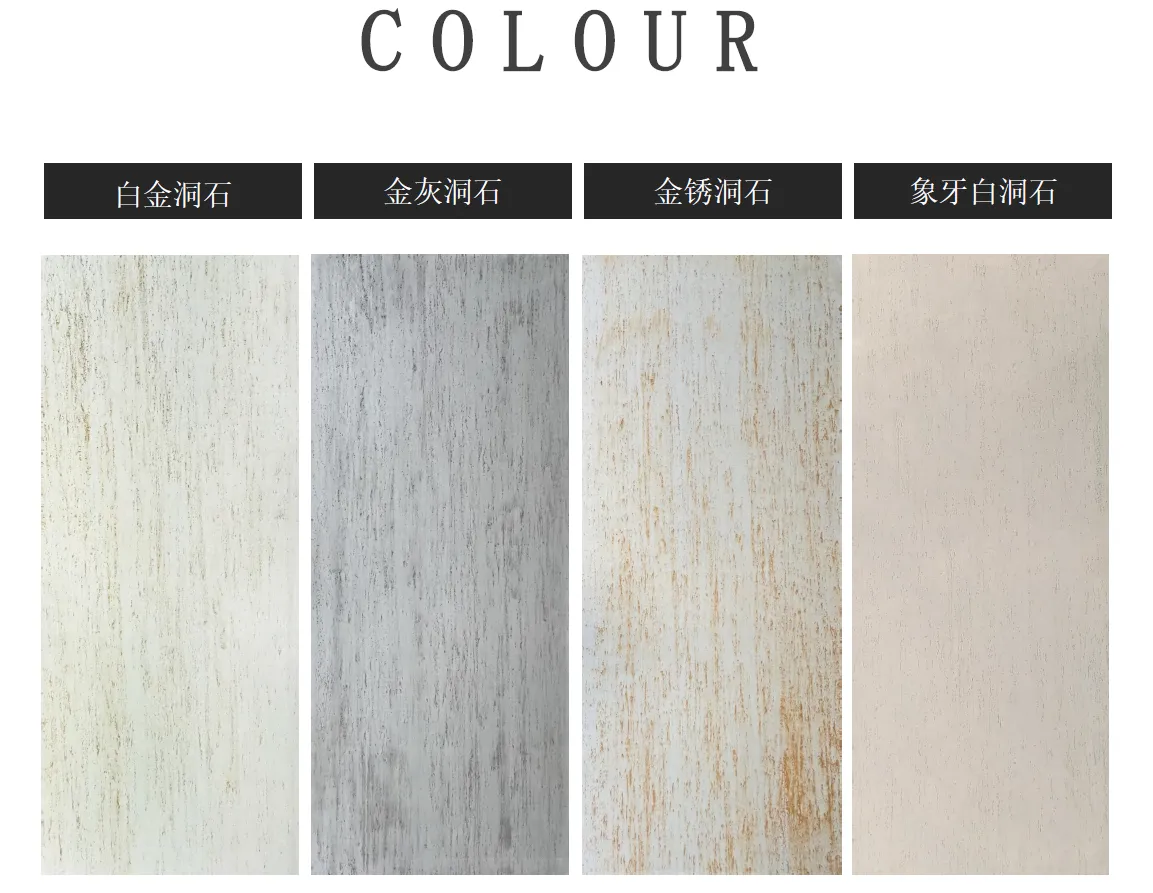
Beauty in design is subjective, but Roman Huge Travertine has a way of speaking to almost everyone. Its color palette alone is a masterclass in versatility. MCM's collection includes classics like travertine (vintage gold) , with its rich, buttery hues that warm up a room like morning sunlight. Then there are the "starry" variants— travertine (starry red) , travertine (starry blue) —where tiny mineral deposits glint like constellations, adding a touch of whimsy to otherwise serene surfaces. For those drawn to understated elegance, travertine (light grey) offers a cool, neutral backdrop that lets furniture and art take center stage.
But it's the stone's texture that truly sets it apart. Run your hand over a slab of Roman Huge Travertine, and you'll feel a gentle, almost tactile rhythm—the smoothness of polished areas giving way to the subtle roughness of its natural pores. This interplay of textures creates depth; a wall clad in Roman Huge Travertine doesn't just sit there—it changes with the light. At dawn, it might glow soft and warm; at dusk, it could take on moody, amber undertones. It's a material that interacts with its environment, making spaces feel dynamic and alive.
"I recently used Roman Huge Travertine in a client's living room, paired with wood grain board accents," shares Marco Chen, a senior designer at a leading New York firm. "The contrast was magic—travertine's earthiness grounded the space, while the wood added warmth. Even on rainy days, the room felt cozy, like a cabin in the woods with a touch of Roman grandeur."
Luxury isn't just about looking good—it's about lasting. A material that chips, stains, or fades loses its appeal quickly, no matter how beautiful it is. Here, Roman Huge Travertine shines (pun intended). Thanks to its dense composition and natural resistance to heat and moisture, it's built to withstand the chaos of daily life. Think about it: ancient Roman structures made of travertine have endured earthquakes, wars, and centuries of weather—and they're still standing. That's the kind of durability modern homeowners crave, especially in high-traffic areas like kitchens, entryways, and bathrooms.
MCM takes this durability a step further with its proprietary processing techniques. By enhancing the stone's natural density and treating it to resist stains and scratches, they've made Roman Huge Travertine even more practical for modern living. "I've had clients with young kids worry about spills on travertine floors," Elena Rossi notes. "But with MCM's finishes, a quick wipe with a damp cloth is usually all it takes. It's luxury that doesn't require babying—and that's a game-changer."
One of the biggest challenges with traditional natural stone is its weight and rigidity. Large slabs can be hard to transport, install, and adapt to curved or unconventional surfaces. Enter MCM flexible stone —a revolutionary take on Roman Huge Travertine that retains all the stone's beauty but adds a new level of versatility. MCM's flexible stone is thin, lightweight, and bendable, making it possible to clad everything from curved walls and ceilings to furniture and even accent pieces like fireplace surrounds.
"Flexible stone was a 'aha!' moment for me," Marco Chen says. "I once designed a boutique hotel lobby with a sweeping, curved reception desk. Traditional travertine would have been impossible—too heavy, too rigid. But MCM's flexible Roman Huge Travertine wrapped around the desk like a second skin. The result? A space that felt grand yet intimate, with the stone flowing seamlessly from floor to desk to wall."
This innovation also makes Roman Huge Travertine more accessible. No longer limited to large, high-budget projects, it can now be used in smaller spaces—a powder room backsplash, a bedroom accent wall, or even a custom bookshelf. Luxury, in other words, becomes something you can tailor to your space, not just dream about.
To truly understand Roman Huge Travertine's appeal, it helps to see how it compares to other popular luxury materials. Let's break it down:
| Material | Texture & Aesthetic | Durability | Best For | Emotional Vibe |
|---|---|---|---|---|
| Roman Huge Travertine | Organic pores, warm tones, dynamic light interaction | High (resistant to heat, moisture, wear) | Walls, floors, countertops, fireplaces | Nostalgic, grounded, timeless |
| Marble | Smooth, veiny, elegant but uniform | Medium (prone to etching, staining) | Accent walls, tabletops (low traffic) | Luxurious, formal, delicate |
| Fair-faced concrete | Industrial, matte, minimalist | High (durable, low maintenance) | Modern kitchens, commercial spaces | Edgy, contemporary, utilitarian |
| Wood grain board | Warm, tactile, natural grain patterns | Medium (vulnerable to water, scratches) | Floors, cabinetry, accent walls | Cozy, rustic, homey |
| Lunar peak golden | Metallic sheen, bold, futuristic | High (scratch-resistant, fade-proof) | Statement walls, lighting fixtures | Bold, glamorous, cutting-edge |
What stands out? Roman Huge Travertine balances the best of all worlds: the warmth of wood, the durability of concrete, and the elegance of marble—all with a personality that's uniquely its own. It doesn't just fill a space; it elevates it with a sense of history and authenticity that's hard to replicate.
Roman Huge Travertine isn't just for palaces or museums—it's for living. Let's look at a few real-world examples of how designers are using it to transform spaces:
1. The Cozy Villa: A family in Tuscany wanted a home that felt connected to the region's landscape. Their designer used Roman Huge Travertine (vintage gold) for the main living area floors and a feature wall behind the sofa. Paired with bamboo mat board ceilings and large windows overlooking olive groves, the space feels like an extension of the outdoors—warm, inviting, and rooted in the land.
2. The Urban Loft: In downtown Chicago, a minimalist loft needed a material that could soften its industrial bones. Roman Huge Travertine (starry blue) was chosen for the kitchen backsplash, adding a touch of whimsy to the sleek, fair-faced concrete countertops. The result? A space that's modern but not cold, with the travertine's "stars" twinkling like city lights at night.
3. The Boutique Hotel: A luxury hotel in Bali wanted to blend local culture with global elegance. Designers used Roman Huge Travertine (light grey) for the lobby floors, paired with Bali stone accents and woven textiles. The travertine's neutral palette let the vibrant Balinese art and lush greenery take center stage, while its durability stood up to constant foot traffic.
In today's design world, luxury and sustainability go hand in hand. Homeowners and businesses alike want materials that look good and do good. Roman Huge Travertine checks this box, too. As a natural stone, it's biodegradable and requires minimal processing compared to synthetic alternatives. MCM takes sustainability further by sourcing travertine from responsible quarries and using eco-friendly finishes that reduce harmful emissions.
"Sustainability isn't a trend for us—it's a responsibility," says a spokesperson for MCM. "Roman Huge Travertine's longevity is part of its eco-appeal. A well-maintained travertine floor or wall can last for decades, reducing the need for frequent replacements and cutting down on waste. It's luxury that doesn't cost the Earth."
At the end of the day, Roman Huge Travertine is more than just a stone. It's a bridge between past and present, a material that brings history into our modern lives while adapting to our ever-changing needs. With its timeless beauty, unmatched durability, and MCM's innovative twists like flexible stone, it's no wonder this material is becoming a staple in luxury interior design.
Whether you're designing a cozy home, a bustling hotel, or a sophisticated office, Roman Huge Travertine invites you to create spaces that aren't just seen—they're felt. They tell stories. They become part of your life's journey. And in a world that's always rushing, that's the ultimate luxury.
So, the next time you step into a space that takes your breath away, take a moment to feel the floor beneath your feet, or the wall beside you. Chances are, it might just be Roman Huge Travertine—quietly, beautifully, making luxury feel like home.
Recommend Products












