

In the world of architecture and design, the quest for the perfect material is a perpetual journey. We hunt for something that captures a specific mood, stands up to the elements, and speaks to our modern sensibilities about sustainability and efficiency. It's a tall order. We want the timeless beauty of natural stone, the industrial chic of weathered metal, and the performance of a 21st-century engineered product. For a long time, achieving all three in a single material felt like a compromise. But what if it wasn't?
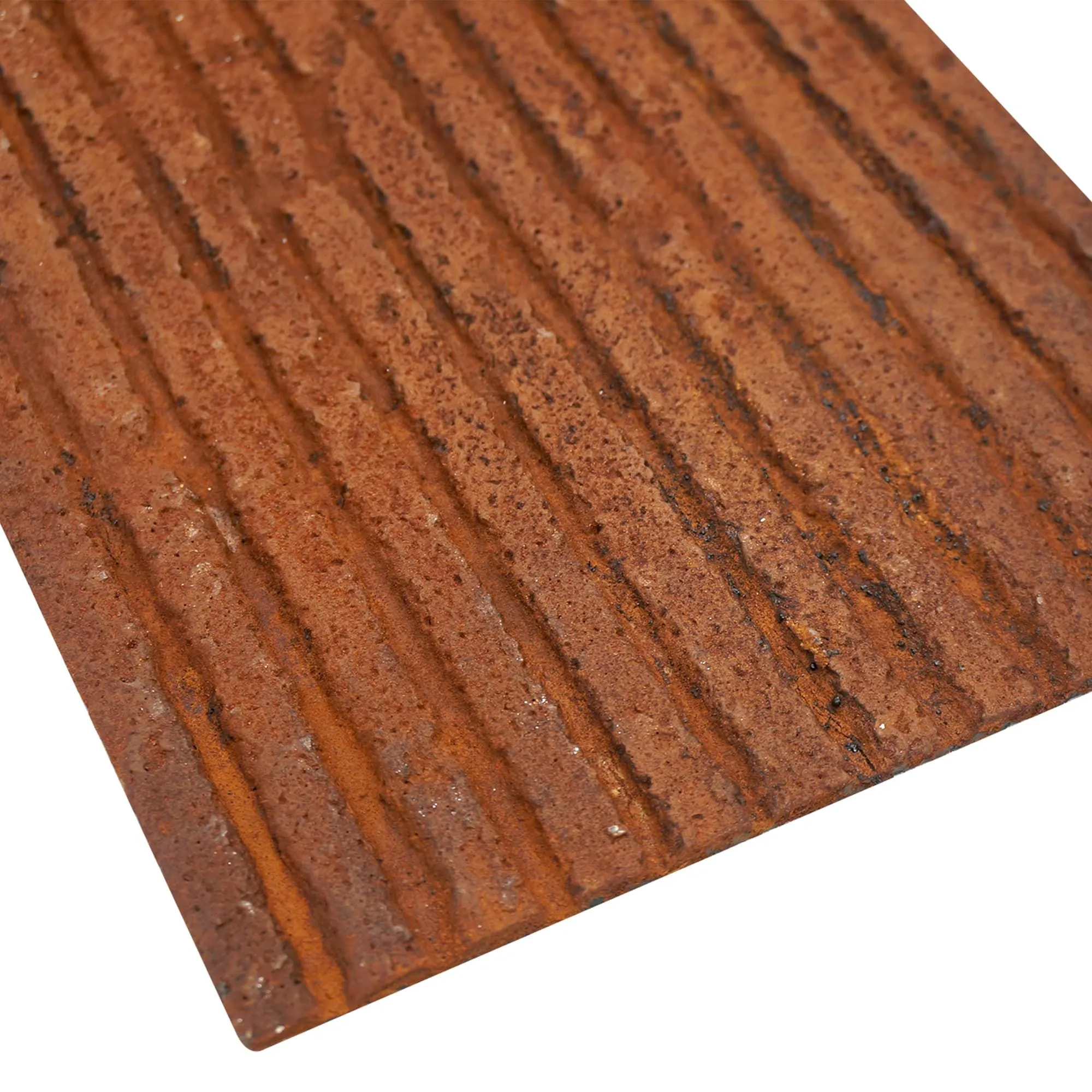
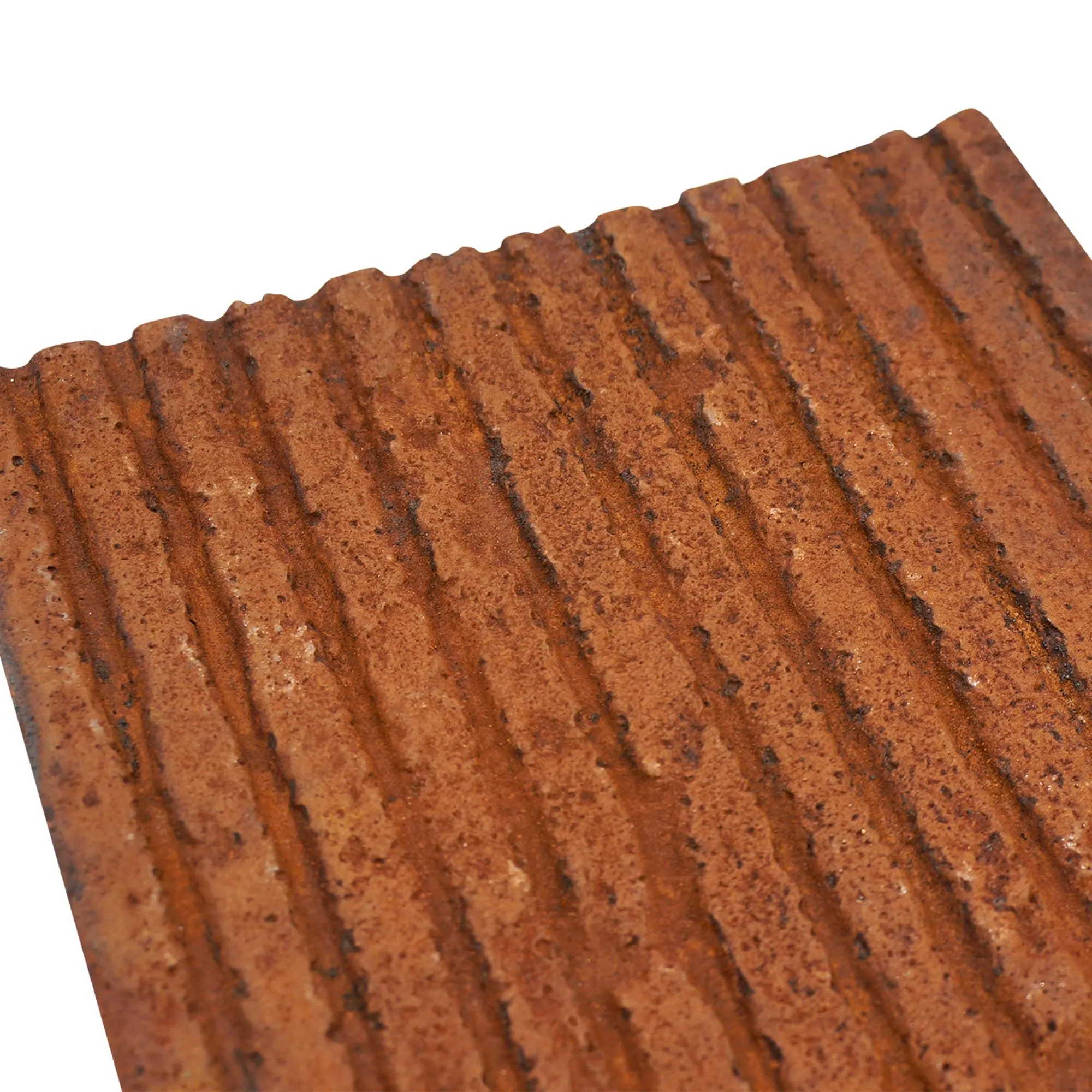
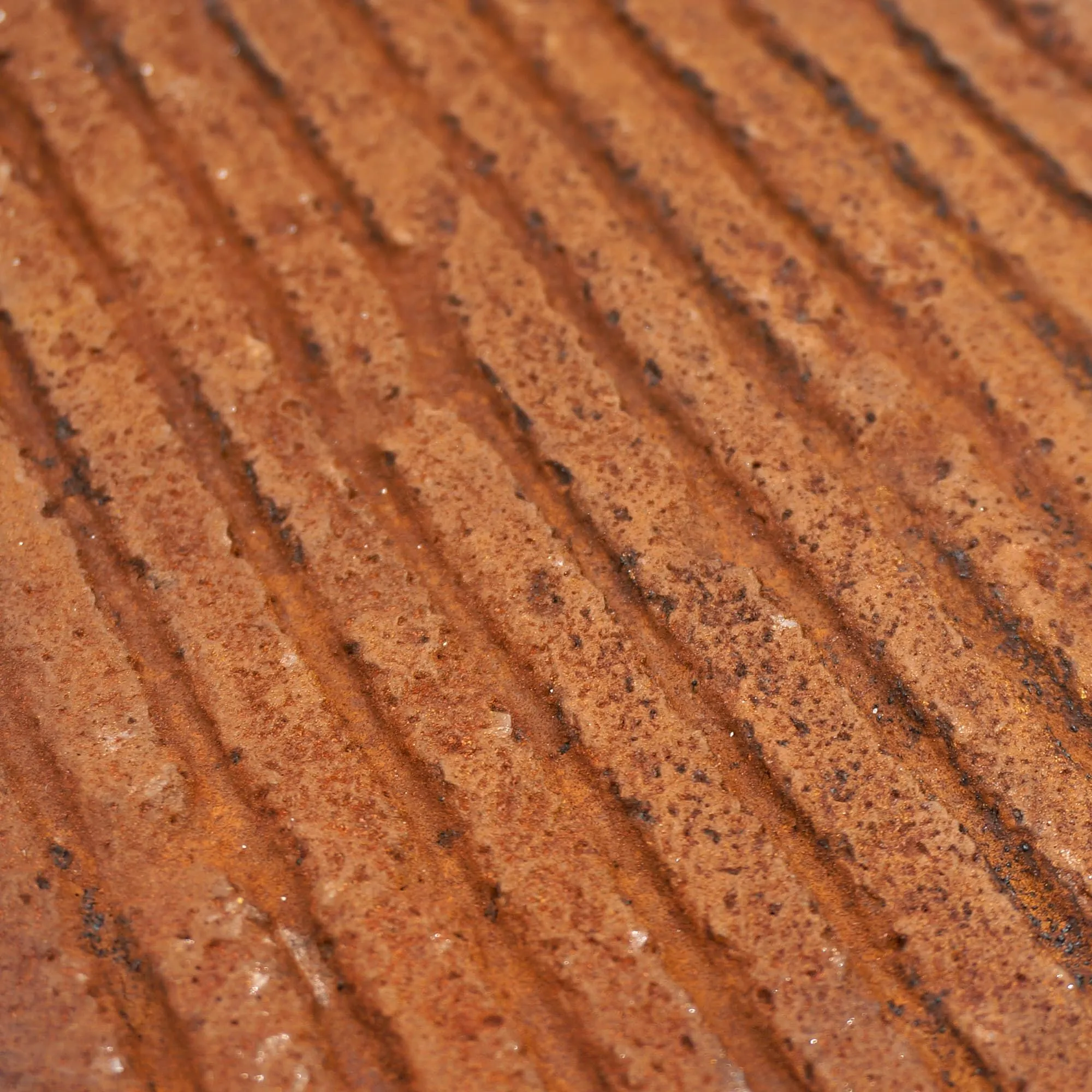
Enter the Rust Square Line Stone from COLORIA GROUP. At first glance, it's a striking surface. It has the deep, earthy tones of oxidized iron, the sophisticated texture of cut stone, and a clean, linear pattern that feels both organic and intentionally designed. It's a material that tells a story. But the real uniqueness, the "secret sauce," isn't just what you see on the surface. It's what lies beneath: a revolutionary material science pioneered and perfected by COLORIA—their patented MCM formulation. This article pulls back the curtain to explore exactly what makes this product, and the technology behind it, a true game-changer.
Before we dive into the technicalities, let's talk about the look. The trend towards industrial, rustic, and Wabi-Sabi aesthetics has been growing for years. Designers and homeowners are drawn to materials that show character—the raw texture of concrete, the warm patina of aged wood, the dramatic streaking of Corten steel. There's a beauty in "perfect imperfection."
Real rusted metal, however, comes with a hefty list of drawbacks. It's incredibly heavy, making it a structural challenge. It continues to rust and can stain adjacent surfaces, creating a maintenance nightmare. The weathering process is unpredictable, and it can be prohibitively expensive. COLORIA's Rust Square Line Stone was born from a simple question: How can we capture this powerful aesthetic without any of the functional downsides?
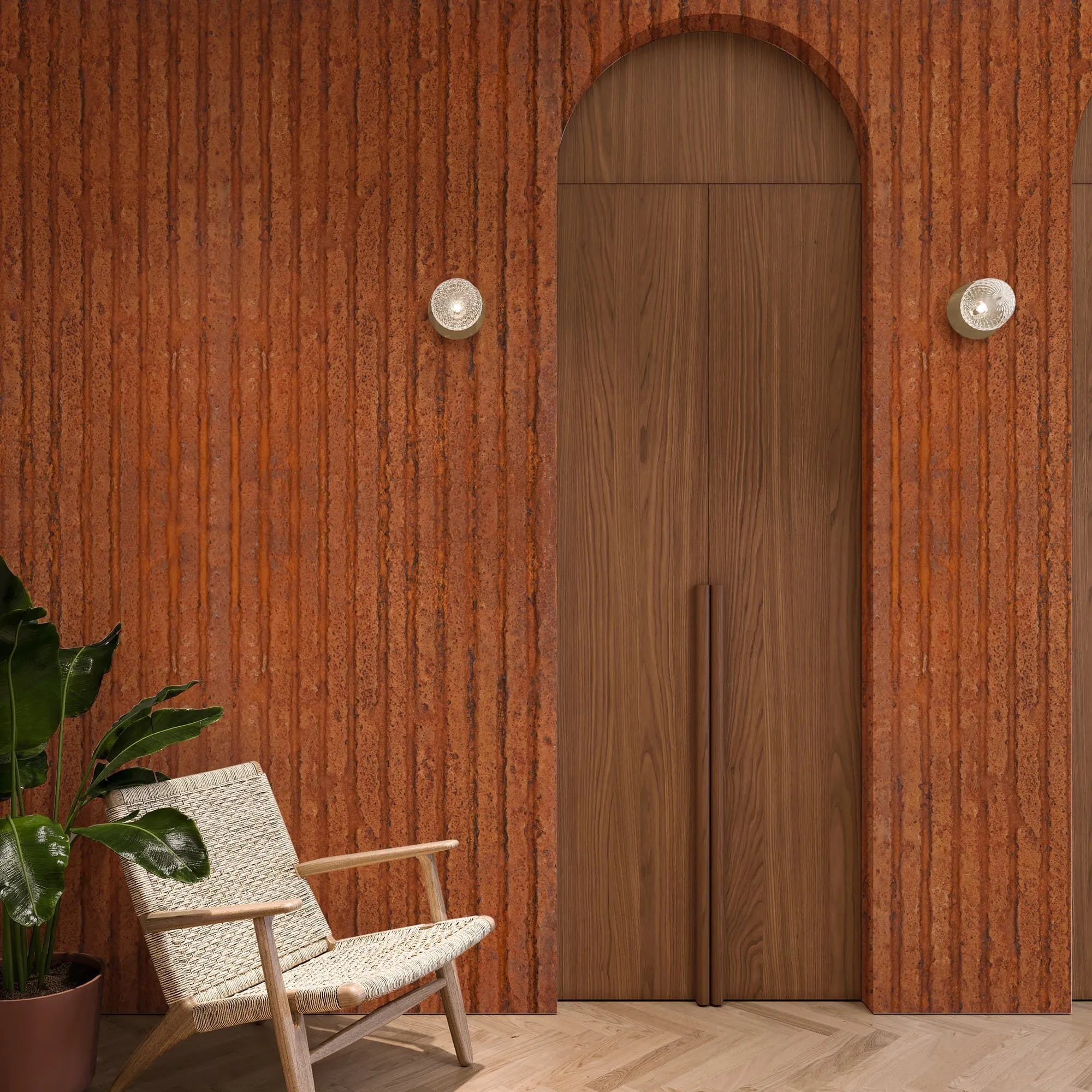
The answer lies in meticulous engineering. The "rust" in this product isn't a surface-level paint or a cheap imitation. It's an integral part of the material itself, achieved through carefully selected natural mineral pigments that are UV-stable and won't fade or wash away. The color is deep and varied, with subtle shifts in tone that mimic the natural oxidation process. The "Square Line" aspect adds another layer of design sophistication, providing a geometric structure that contrasts beautifully with the organic texture, making it suitable for everything from a rugged exterior facade to a chic interior feature wall.
MCM stands for Modified Cementitious Material . While the name sounds technical, the concept is beautifully simple. Think of it as the next evolutionary step for some of humanity's oldest building materials: clay and stone. For millennia, we've used earth and minerals to build our shelters. MCM takes this ancient wisdom and elevates it with modern polymer science.
COLORIA GROUP, as a focused one-stop solution provider in the building materials space, has invested decades of experience into creating its own patented MCM formulation. It's not just a generic recipe; it's a precisely balanced system where every component plays a critical role.
Another area where COLORIA's MCM technology shines is in its manufacturing process. Traditional building materials like ceramic tiles or fired bricks require kilns heated to over 1200°C (2200°F). This is an incredibly energy-intensive process with a significant carbon footprint.
MCM production, by contrast, is a low-carbon marvel. The entire process, from mixing to curing, happens at a relatively low temperature, typically between 80-120°C. Here's a simplified look at how a raw mix becomes a stunning piece of Rust Square Line Stone:
The unique formulation and manufacturing process of COLORIA's MCM translate into a host of practical benefits that are winning over architects, builders, and developers worldwide, from bustling urban centers to demanding climates like those in Saudi Arabia, where COLORIA has a strong presence.
MCM panels are astonishingly light, often weighing just 4-6 kg/m². This is a fraction of the weight of traditional stone (around 50 kg/m²) or even standard ceramic tiles. This lightweight nature has a massive domino effect on a project:
This is perhaps MCM's most visually stunning property. Products in the MCM Flexible Stone family can be bent to a surprising degree, allowing them to wrap seamlessly around curved walls, columns, and arches. This opens up a world of design possibilities that are simply impossible with rigid materials. No more awkward corner cuts or grout lines breaking up a smooth, flowing surface. This flexibility also makes the material more resilient to building movement and minor impacts.
Don't let the lightweight and flexible nature fool you. COLORIA's MCM is tough. It is Class A fire-rated, making it one of the safest cladding materials available. It's also highly resistant to water, freeze-thaw cycles, and the kind of wear and tear that would damage lesser materials. The integral coloring ensures it stands up to UV rays without fading, maintaining its beautiful appearance for decades. It's a material built to last, reducing the need for costly replacements and maintenance over the life of a building.
In an era of increased environmental awareness, the choice of building materials matters more than ever. COLORIA's MCM is a leader in this regard:
To truly appreciate the advantages of COLORIA's MCM Rust Square Line Stone, it's helpful to see how it stacks up against the materials it often replaces. The table below provides a clear, at-a-glance comparison.
| Feature | COLORIA MCM Rust Stone | Natural Stone (e.g., Slate, Granite) | Rusted Metal (Corten Steel) | Porcelain/Ceramic Tile |
|---|---|---|---|---|
| Weight | Very Low (4-6 kg/m²) | Very High (40-80 kg/m²) | High (20-40 kg/m²) | Moderate (15-25 kg/m²) |
| Flexibility | High (Can wrap around curves) | None (Rigid and brittle) | Low (Can be bent, but not flexible) | None (Rigid and brittle) |
| Installation | Fast, easy, low labor. Cut with a utility knife. | Slow, complex, high labor. Requires heavy machinery and specialized skills. | Complex, requires welding/specialized fixing systems. | Moderate complexity, requires wet saw, grouting. |
| Weather & UV Resistance | Excellent. Water-repellent, freeze-thaw resistant, UV stable. | Varies by stone type. Can be porous and require sealing. | Designed to weather, but can cause staining on adjacent surfaces. | Excellent, but grout lines can be a weak point for moisture. |
| Environmental Impact | Very Low. Low-energy production, lightweight transport, natural materials. | High. Quarrying is destructive, heavy transport, high waste. | High. Steel production is very energy-intensive. | High. High-temperature firing is energy-intensive. |
| Design Versatility | Extremely high. Countless textures, colors, and shapes. Customizable. | Limited by what can be quarried. Each piece is unique but non-uniform. | Limited to the look of rusted metal. | High, but limited by rigid formats and grout lines. |
The Rust Square Line Stone is a perfect embodiment of COLORIA GROUP's philosophy. It's not just a product; it's a thoughtfully engineered solution to a complex design problem. It demonstrates that you no longer have to choose between stunning aesthetics, long-term performance, and environmental responsibility.
The uniqueness of this product is a direct result of the patented MCM formulation at its core. This innovative blend of natural minerals and advanced polymers, brought to life through a low-impact manufacturing process, is what allows it to be simultaneously beautiful, lightweight, flexible, and incredibly tough.
So, when you see the warm, textured facade of a building clad in COLORIA's Rust Square Line Stone, know that you're looking at more than just a pretty surface. You're seeing the culmination of decades of industry experience, a commitment to sustainable innovation, and a vision for the future of building materials—a future that is more beautiful, more efficient, and far kinder to our planet.
Recommend Products











