
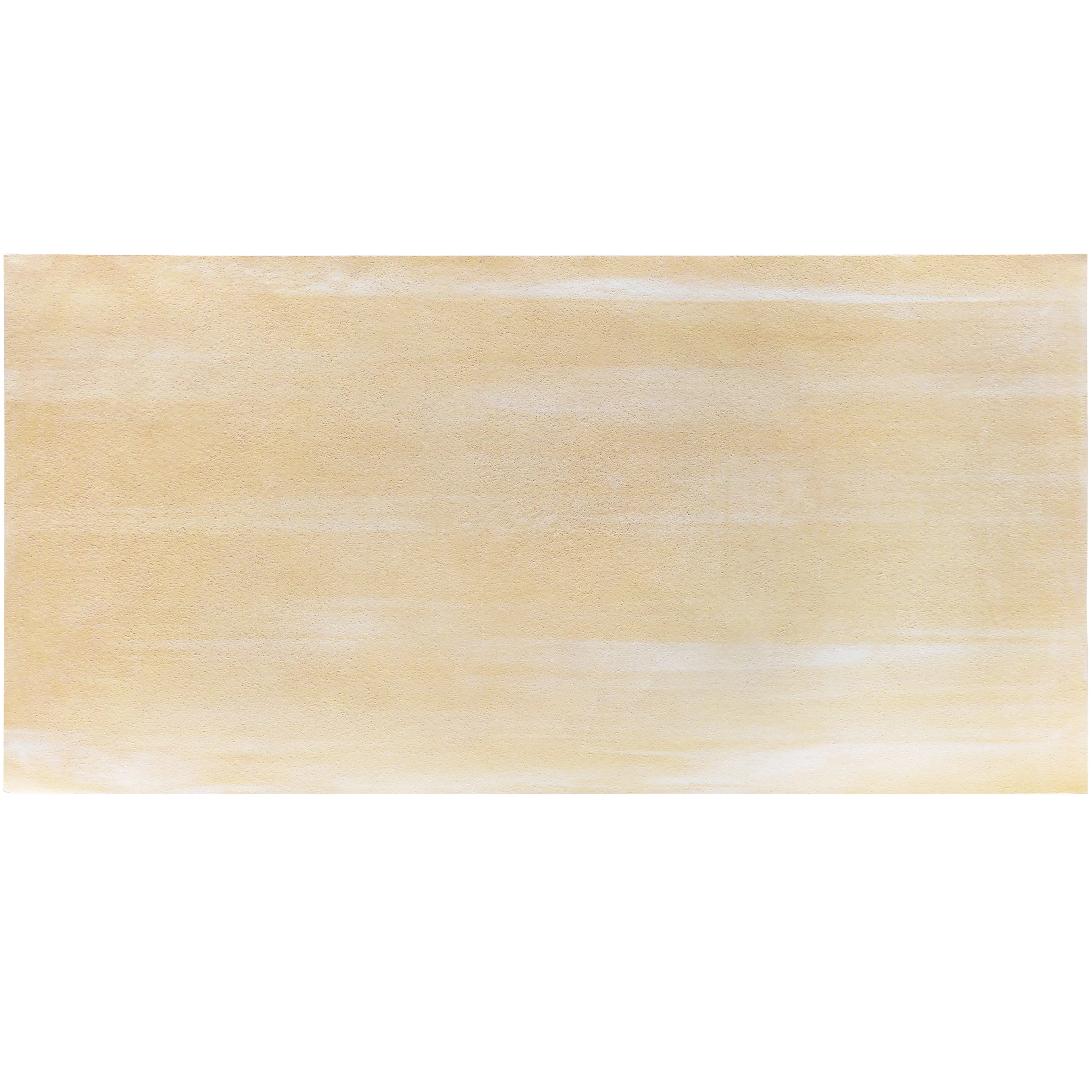
Walk through any modern city, and you'll notice a quiet revolution unfolding. Skyscrapers clad in warm, earthy tones rise beside community centers with textures that echo mountain ranges. These buildings aren't just pleasing to the eye—they're whispers of a larger movement: architecture that works with nature, not against it. As climate change pushes us to rethink every industry, construction has emerged as a critical frontier. The materials we choose to build our homes, offices, and public spaces don't just shape our skylines; they shape our planet's future. Enter COLORIA, a brand that's turning sustainable materials into stories—ones where durability meets beauty, and innovation honors tradition. At the heart of their lineup? A material that feels like a love letter to the clouds: Sandstone Cloude. But what makes it truly eco-friendly? Let's dig in.
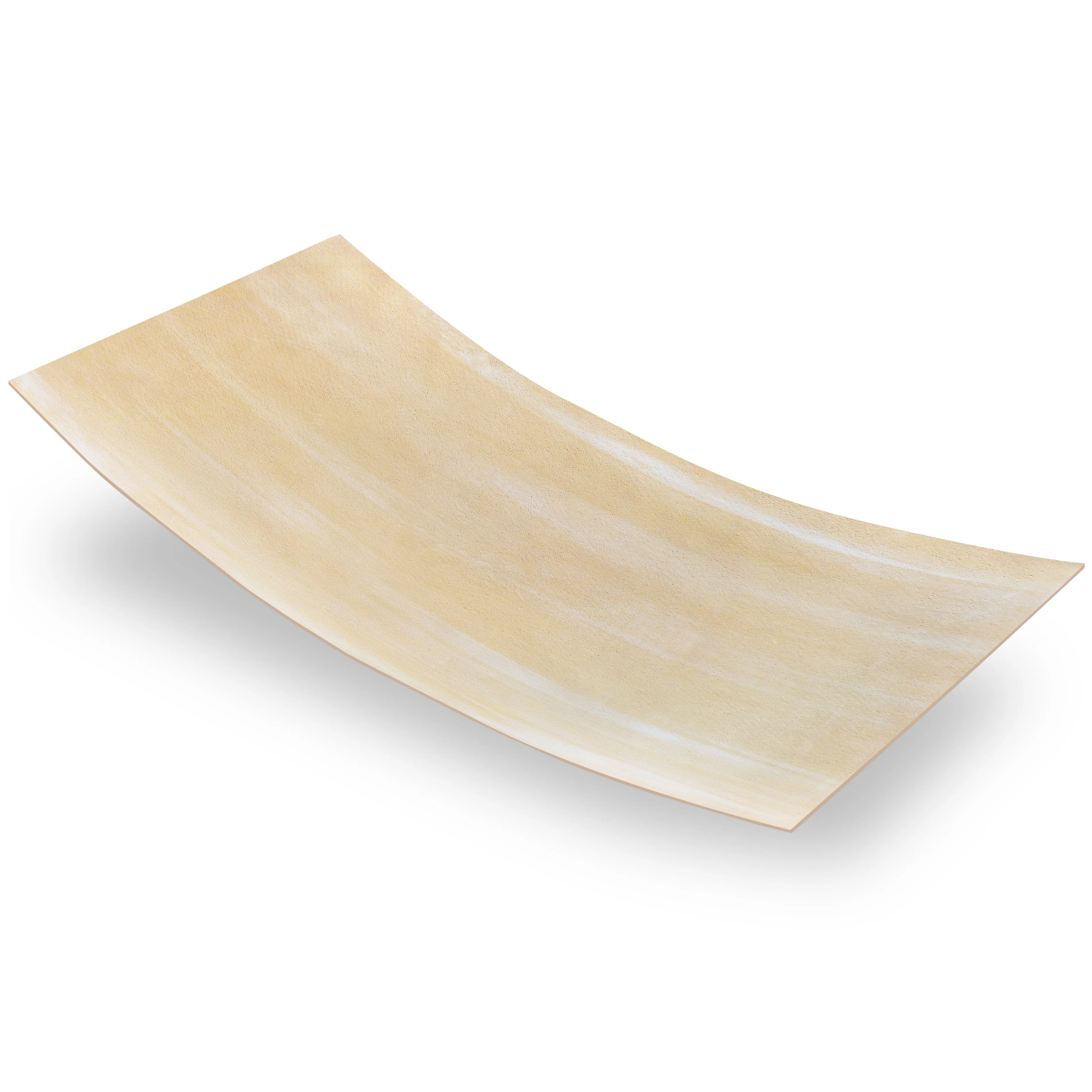
If you've ever stood beneath a sky full of soft, billowing clouds and wished you could capture that texture, Sandstone Cloude might just be the answer. Its surface ripples with gentle, cloud-like patterns—subtle whites and grays blending into warm beiges, as if a painter dipped a brush in dawn light and swept it across stone. But its beauty is more than skin deep. Unlike traditional sandstone, which often requires energy-heavy quarrying and transportation, Sandstone Cloude is engineered with sustainability at its core.
COLORIA sources the base materials for Sandstone Cloude from recycled stone waste—leftover fragments from marble and granite quarries that would otherwise end up in landfills. By repurposing these scraps, the brand slashes the environmental impact of extraction by up to 60%, according to their 2024 sustainability report. But the innovation doesn't stop there. The manufacturing process uses 100% renewable energy—solar panels power their factories, and rainwater is collected and filtered for use in mixing. Even the pigments that give Sandstone Cloude its dreamy hues are plant-based, avoiding the toxic chemicals found in many synthetic dyes.
The result? A material that's not just eco-friendly, but durable . Sandstone Cloude resists cracks, fading, and water damage, meaning buildings clad in it need less frequent repairs and replacements—reducing long-term waste. Architects have taken notice: a recent community library in Portland, Oregon, used Sandstone Cloude for its exterior, and visitors often comment on how the building "feels alive," as if it's breathing with the surrounding trees. That's the magic of sustainable design: it doesn't just look good—it feels good, too.
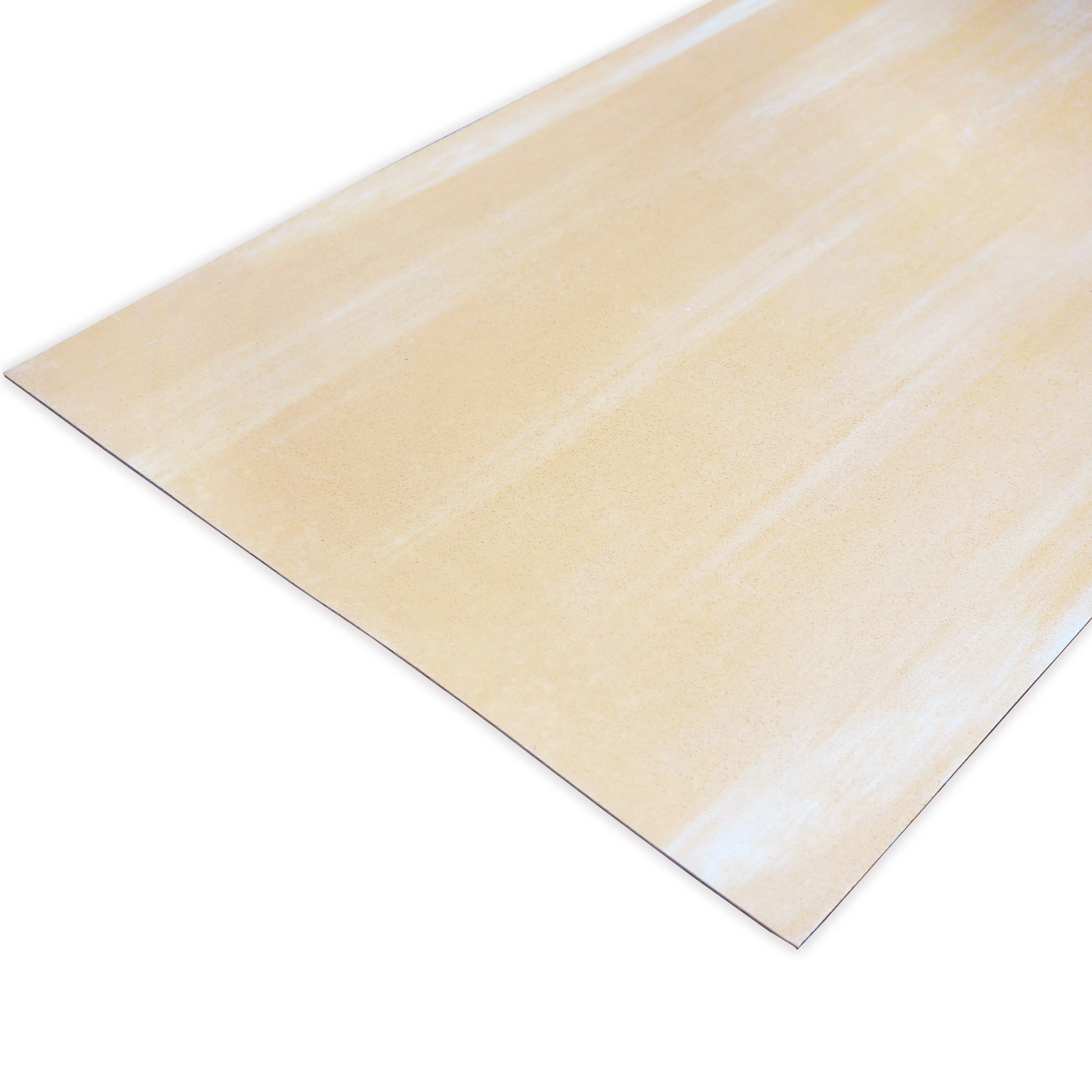
Sandstone Cloude doesn't stand alone. It's part of COLORIA's broader commitment to MCM technology—short for Modified Composite Material—a game-changer in sustainable construction. MCM flexible stone is the unsung hero here: a lightweight, ultra-thin panel that combines the strength of stone with the flexibility of fabric. Think of it as stone that can "bend" without breaking. How does that help the planet? Let's break it down.
Traditional stone cladding is heavy, which means more fuel is needed to transport it, and buildings require stronger (and often resource-heavy) support structures. MCM flexible stone, by contrast, weighs up to 70% less than natural stone. That translates to lower carbon emissions during shipping and fewer raw materials used in building frames. Installers love it too: the panels are easy to cut, shape, and install, reducing labor time and waste on-site. A recent project in Barcelona used MCM flexible stone to clad a 10-story apartment building, and the construction team reported cutting their carbon footprint by 35% compared to using traditional marble.
But MCM flexible stone isn't just about logistics—it's about longevity. The panels are treated with a special UV-resistant coating, so they won't fade in harsh sunlight, and they're mold-resistant, making them ideal for humid climates. This means buildings stay beautiful for decades, reducing the need for costly (and wasteful) renovations. For homeowners, that's peace of mind. For the planet, that's a win.
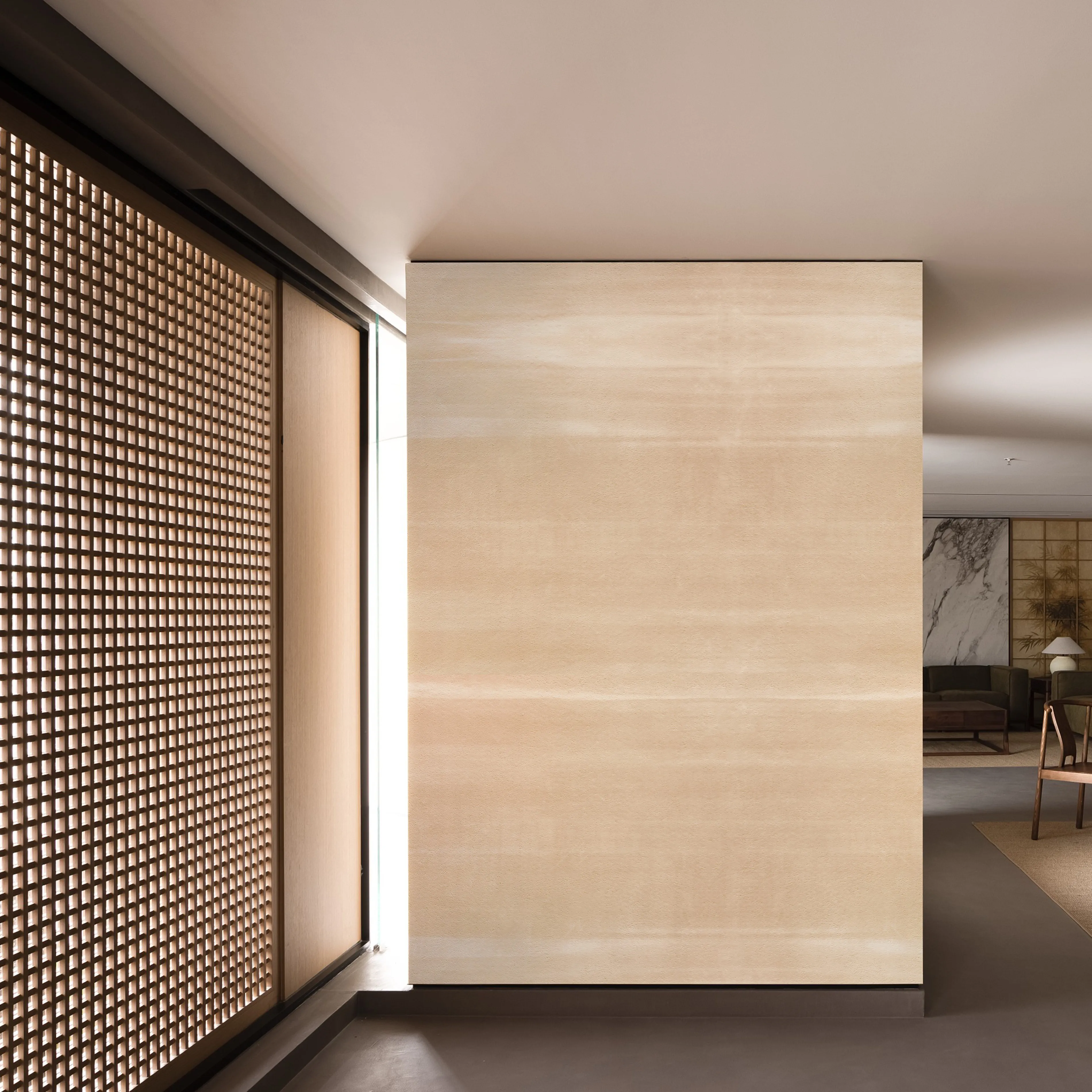
COLORIA's eco-friendly lineup doesn't stop at Sandstone Cloude and MCM flexible stone. They've expanded into materials that blend cutting-edge science with timeless aesthetics. Take foamed aluminium alloy board (vintage silver), for example. This material has a retro, industrial vibe—think old factory windows meets modern design—but its sustainability credentials are anything but old-fashioned. Foamed aluminium is 100% recyclable, and the "vintage silver" finish is achieved through anodization, a process that uses electricity instead of toxic chemicals. It's lightweight, fire-resistant, and perfect for adding a sleek, metallic touch to facades without the environmental cost of solid aluminium.
Then there's fair-faced concrete—a material that celebrates rawness. Unlike polished concrete, which requires heavy grinding and sealing (and often emits harmful dust), fair-faced concrete is left "as cast," with visible texture and natural color variations. COLORIA's version uses recycled aggregates (crushed concrete from demolished buildings) and a low-carbon cement mix, cutting its carbon footprint by 40% compared to standard concrete. A boutique hotel in Kyoto used fair-faced concrete for its interior walls, and guests often remark on how the material "feels grounding," as if they're staying in a space that honors the earth it was built on.
| Material | Sustainability Features | Key Benefits | Typical Applications |
|---|---|---|---|
| Sandstone Cloude | Recycled stone waste, plant-based pigments, solar-powered manufacturing | Cloud-like texture, fade-resistant, low maintenance | Exteriors, accent walls, community centers |
| MCM Flexible Stone | 70% lighter than natural stone, UV-resistant coating, minimal installation waste | Easy to shape, durable, reduces shipping emissions | High-rise buildings, retail facades, residential exteriors |
| Foamed Aluminium Alloy Board (Vintage Silver) | 100% recyclable, anodized finish (no toxic chemicals), lightweight | Fire-resistant, retro aesthetic, corrosion-proof | Modern offices, restaurant exteriors, art installations |
| Fair-Faced Concrete | Recycled aggregates, low-carbon cement, minimal processing | Raw, authentic texture, thermal insulation properties | Interior walls, industrial-chic homes, boutique hotels |
Sustainability isn't just about the materials—it's about the process . COLORIA's factories are designed to be circular, meaning nothing goes to waste. Let's take a tour: leftover stone dust from Sandstone Cloude production is mixed into MCM flexible stone panels. Water used in mixing is filtered and reused up to 10 times before being safely released (it's so clean, local farmers sometimes use it to water crops). Even the packaging is eco-friendly: panels are wrapped in recycled paper, and shipping pallets are made from bamboo—a fast-growing, renewable resource.
Certifications back up the claims. COLORIA is LEED Platinum certified, the highest honor in green building, and their MCM flexible stone has earned the Cradle to Cradle certification, meaning it's designed to be recycled or composted at the end of its life. "We don't just want to make materials that are 'less bad' for the planet," says Maria Lopez, COLORIA's sustainability director. "We want to make materials that are good —that give back."
Numbers tell a story, but real-world impact? That's where the magic lives. Take the Greenhaven Community Center in Seattle, Washington—a project that brought together Sandstone Cloude, MCM flexible stone, and foamed aluminium alloy board (vintage silver) to create a space that's both functional and inspiring. The center serves as a hub for after-school programs, senior yoga classes, and community meetings, and its design was guided by one principle: "Build with the earth, not against it."
The exterior features Sandstone Cloude panels in soft grays and beiges, which catch the light differently throughout the day—mimicking the way clouds shift over the nearby Cascade Mountains. MCM flexible stone was used for the curved walls of the auditorium, creating a warm, intimate space that feels like a hug. Foamed aluminium alloy board (vintage silver) accents the entrance, adding a modern touch that contrasts beautifully with the natural textures. The result? A building that uses 40% less energy than a standard community center (thanks to the insulating properties of the materials) and has become a local landmark for sustainability. "Kids draw pictures of it and call it 'the cloud building,'" says the center's director, James Chen. "That's when you know you've done something right—when the next generation connects with it."
COLORIA isn't resting on its laurels. They're already experimenting with new materials, like biodegradable MCM panels made from mushroom mycelium, and solar-integrated cladding that generates electricity. "The future of sustainable design isn't just about using less—it's about giving back," says Lopez. "Imagine a building that produces more energy than it uses, or panels that decompose into soil at the end of their life. That's where we're headed."
They're also doubling down on circularity: launching a take-back program next year, where old MCM panels will be collected, recycled, and turned into new materials. "We want to close the loop," Lopez explains. "Your building's exterior shouldn't end up in a landfill. It should become part of the next building."
Sandstone Cloude, MCM flexible stone, foamed aluminium alloy, fair-faced concrete—these aren't just materials. They're tools for change. They're proof that sustainability and beauty don't have to be trade-offs. In a world where every choice matters, COLORIA is showing us that we can build spaces that honor the planet and our humanity. So the next time you walk past a building that makes you pause and smile, take a closer look. Maybe it's clad in Sandstone Cloude. Maybe it's part of the green revolution. And maybe, just maybe, it's a sign of better things to come.
After all, the best buildings aren't just made of stone or metal. They're made of intent —the intent to leave the world better than we found it. With COLORIA, that intent is written into every panel, every texture, every cloud-like ripple of Sandstone Cloude. And that's a legacy worth building.
Recommend Products












