
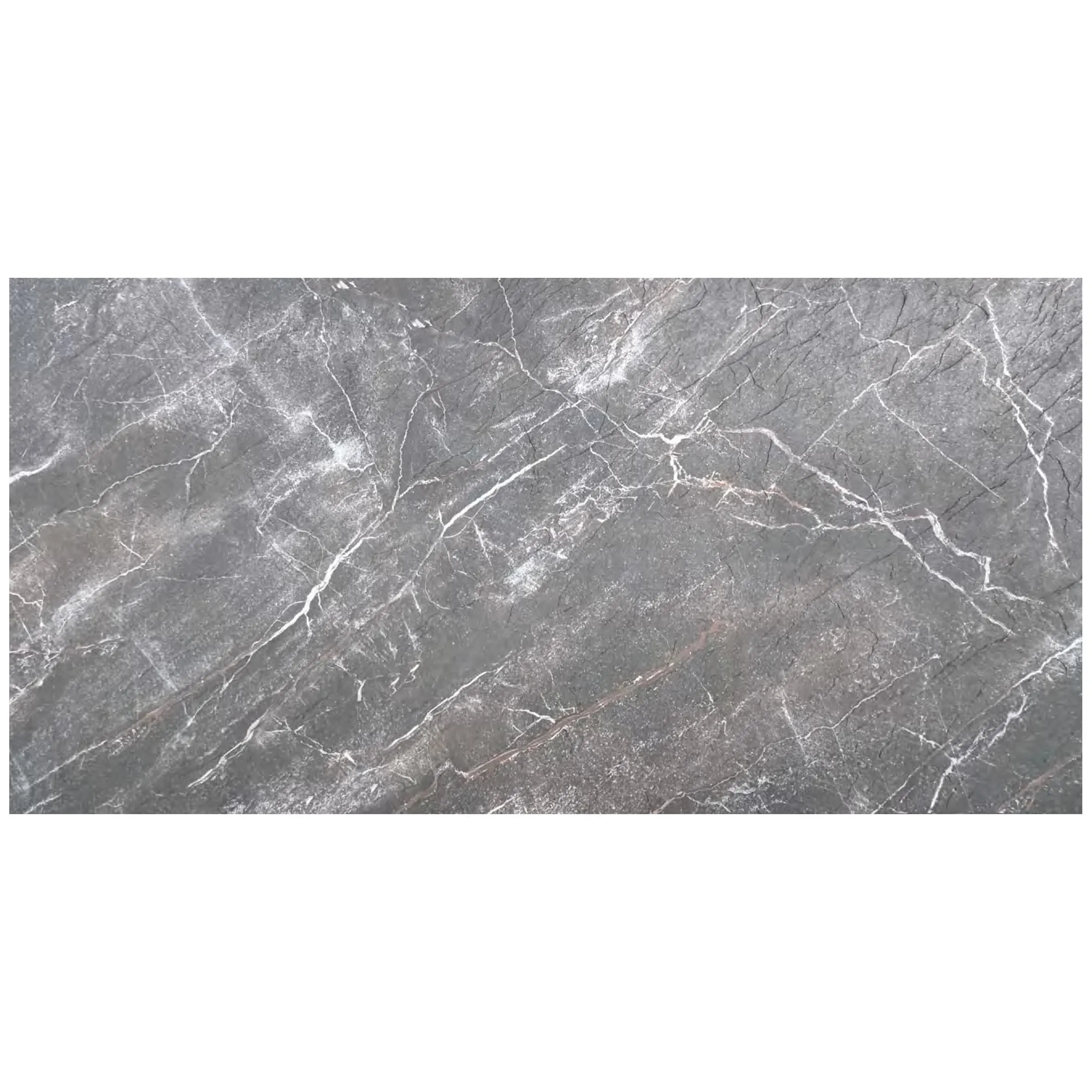
In the heart of the Arabian Peninsula, Saudi Arabia is undergoing a construction renaissance. From the futuristic skyline of Riyadh to the coastal luxury of Jeddah, and the ambitious mega-projects like NEOM and Qiddiya, the kingdom is redefining modern architecture. At the center of this transformation is a quiet star: Slate Portoro . This distinctive stone has become a go-to material for architects, developers, and designers, blending timeless elegance with the resilience needed to thrive in Saudi Arabia's unique climate. But what exactly makes Slate Portoro stand out in a market flooded with options like fair-faced concrete , travertine (beige) , and MCM flexible stone ? Let's dive into the story behind its popularity.
Walk into any high-end hotel lobby, luxury residence, or upscale commercial space in Riyadh, and you're likely to encounter Slate Portoro. Its allure starts with the eyes. Unlike the soft, neutral tones of travertine (beige) or the industrial edge of fair-faced concrete , Slate Portoro commands attention with its deep, moody base—think inky blacks and charcoal grays—interrupted by striking veins of gold, cream, or silver. These veins aren't just random; they flow like rivers frozen in time, each slab telling a unique geological story. It's a material that feels both ancient and modern, making it perfect for projects that aim to honor tradition while embracing innovation.
"Saudi clients crave spaces that feel luxurious but not ostentatious," says Lina Al-Mansoori, a Riyadh-based interior designer with over a decade of experience. "Slate Portoro hits that sweet spot. Its dark palette adds sophistication without overwhelming a room, and the gold veining ties in beautifully with the warm metallic accents we often use in Saudi decor—think brass fixtures, gold-leaf details, or even traditional mashrabiya screens. It's like the stone was made to complement our design sensibilities."
This versatility extends beyond interiors. On building exteriors, Slate Portoro creates a dramatic contrast against the kingdom's bright blue skies and desert landscapes. In Jeddah's waterfront developments, for example, architects have used it to clad penthouse facades, where the stone's dark surface absorbs the harsh midday sun, reducing glare, while the gold veins catch the soft glow of sunset, turning buildings into beacons of understated luxury.
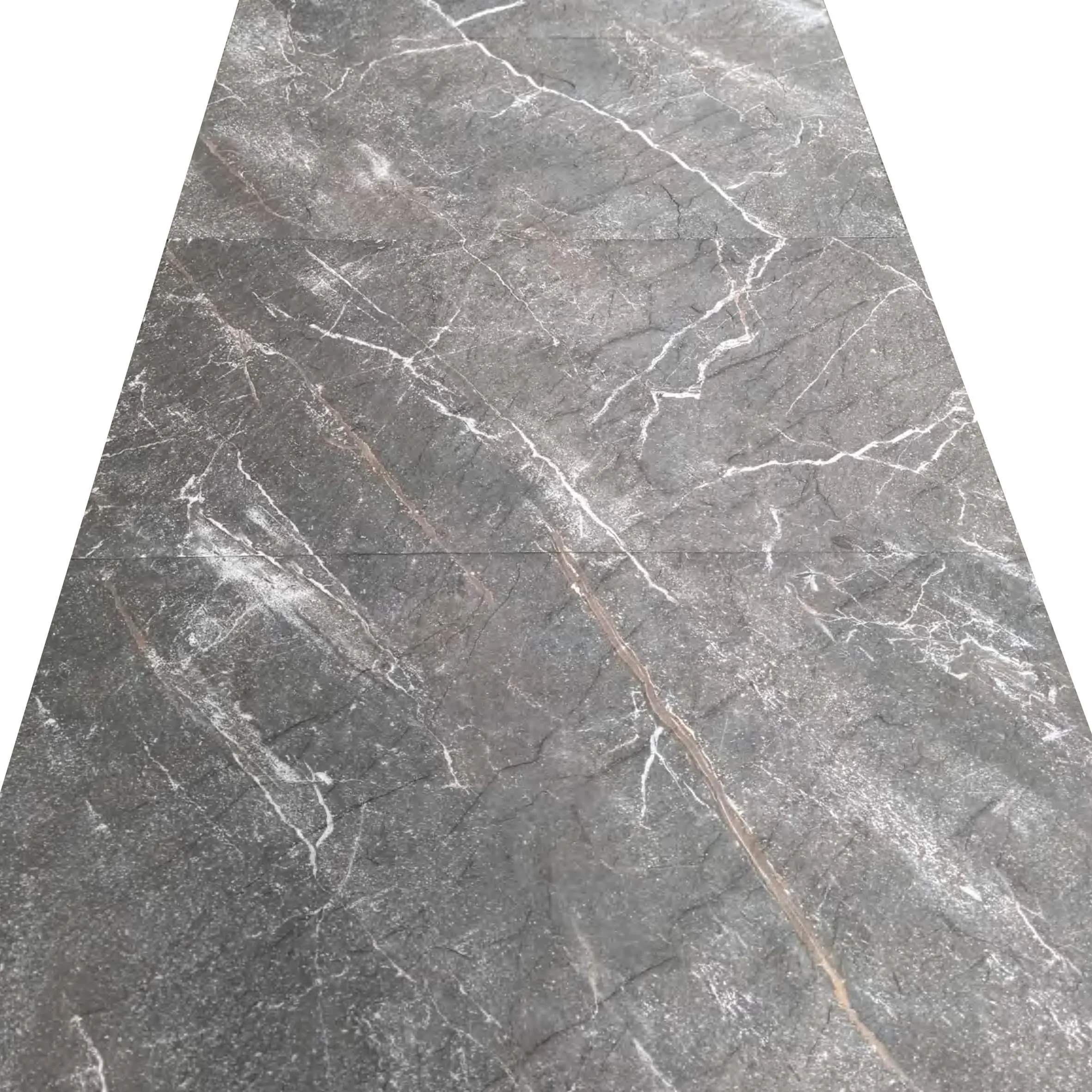
Saudi Arabia's climate is unforgiving: scorching summers with temperatures exceeding 50°C (122°F), blowing sand, and occasional dust storms. A material that looks stunning in a showroom might crumble after a year of exposure to these elements. Slate Portoro, however, is a survivor.
Unlike porous stones like travertine (beige) , which can absorb moisture and stain easily, Slate Portoro is dense and non-porous. This makes it resistant to the humidity of coastal areas (like Dammam) and the dry, dusty air of Riyadh. It also stands up to UV radiation, so its rich color won't fade under the relentless Saudi sun—a critical factor for exterior cladding or outdoor patios. "We specify Slate Portoro for high-traffic areas like hotel lobbies or shopping mall facades because we know it won't scratch, chip, or discolor," explains Ahmed Hassan, a project manager at a leading Riyadh construction firm. "In a country where replacing materials is costly and time-consuming, durability isn't just a bonus—it's a requirement."
Maintenance is another plus. Unlike polish concrete , which can require regular sealing, or wood grain board , which needs protection from moisture, Slate Portoro is low-effort. A quick wipe with a damp cloth is usually enough to remove dust or spills, making it ideal for busy commercial spaces where downtime is not an option.
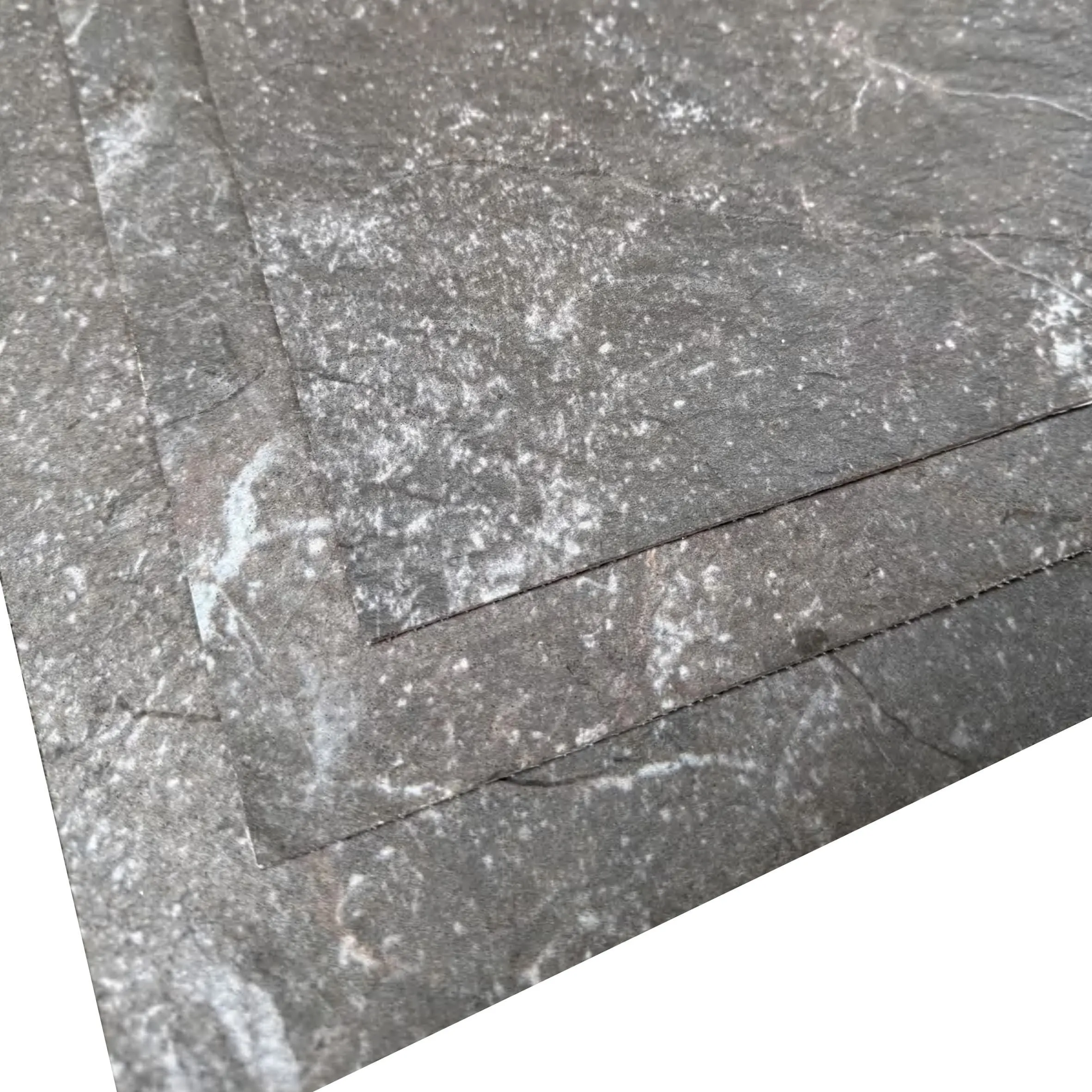
Saudi architecture is a delicate dance between honoring heritage and embracing progress. From the traditional mud-brick structures of Najd to the sleek glass towers of Riyadh's King Abdullah Financial District, designers strive to create spaces that feel "authentically Saudi." Slate Portoro fits this narrative surprisingly well.
Historically, Saudi design has favored materials that age gracefully—think the weathered stone of ancient forts or the patina of copper lanterns. Slate Portoro, with its natural variations and timeless appeal, aligns with this ethos. It doesn't feel "trendy"; it feels permanent, like it belongs in both a modern villa and a restored heritage hotel. "We recently used Slate Portoro in a renovation of a 1970s majlis (a traditional gathering space) in Riyadh," says Al-Mansoori. "The clients wanted to preserve the room's cultural significance but update it for modern use. The stone's dark, grounding presence complemented the carved wooden panels and handwoven rugs, creating a space that felt both old and new."
Even in cutting-edge projects like NEOM's sustainable city, Slate Portoro is making its mark. "NEOM is all about 'future heritage'—building structures that will still matter 100 years from now," notes Karim Ibrahim, an architect working on the project. "Slate Portoro's durability and classic beauty make it a natural choice for public spaces, where we want materials that can tell a story for generations."
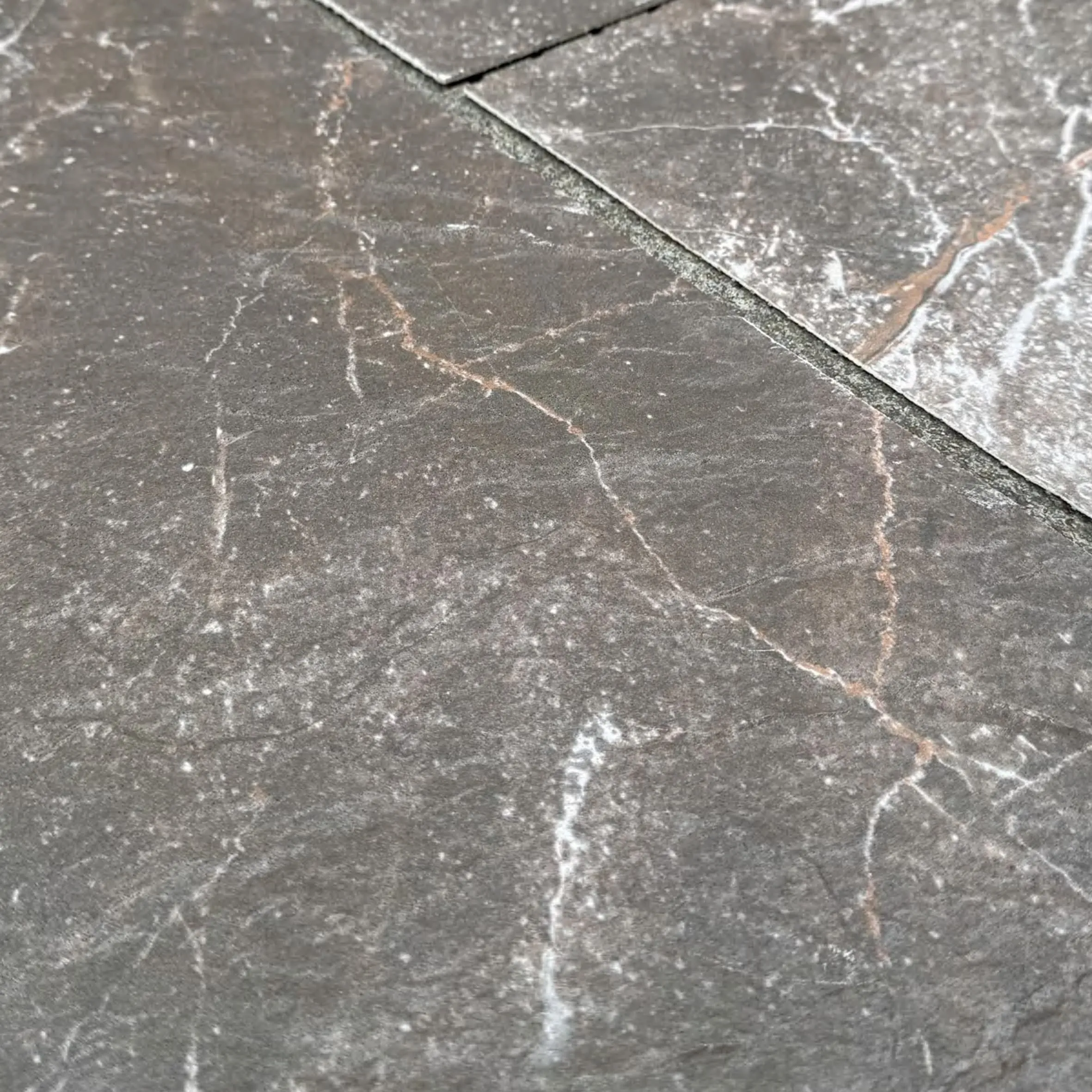
While Slate Portoro's beauty and durability are key, its popularity in Saudi Arabia also owes a debt to MCM flexible stone technology. Traditional natural stone is heavy, making it expensive to transport and install, and requiring reinforced structural support—costs that add up quickly in mega-projects. MCM (Modified Composite Material) changes the game. By bonding thin layers of natural stone to a lightweight, flexible backing, MCM Slate Portoro panels are easier to handle, install, and transport, without sacrificing the stone's natural look or strength.
"On a recent high-rise project in Jeddah, using MCM Slate Portoro saved us weeks of installation time and reduced the structural load on the building," says Hassan. "Traditional stone would have required cranes and specialized labor for each slab. With MCM panels, we could install entire walls in a fraction of the time. For developers racing to meet tight deadlines, that's a game-changer."
This practicality extends to customization, too. Unlike solid stone slabs, which are limited by natural size, MCM Slate Portoro can be cut into various shapes and sizes, making it perfect for intricate designs—think curved walls, accent panels, or even custom furniture pieces. "We used it to create a feature wall in a Riyadh restaurant that mimics the dunes of the Rub' al Khali desert," Al-Mansoori recalls. "The flexibility of the material let us shape it into flowing, organic forms that would have been impossible with traditional stone."
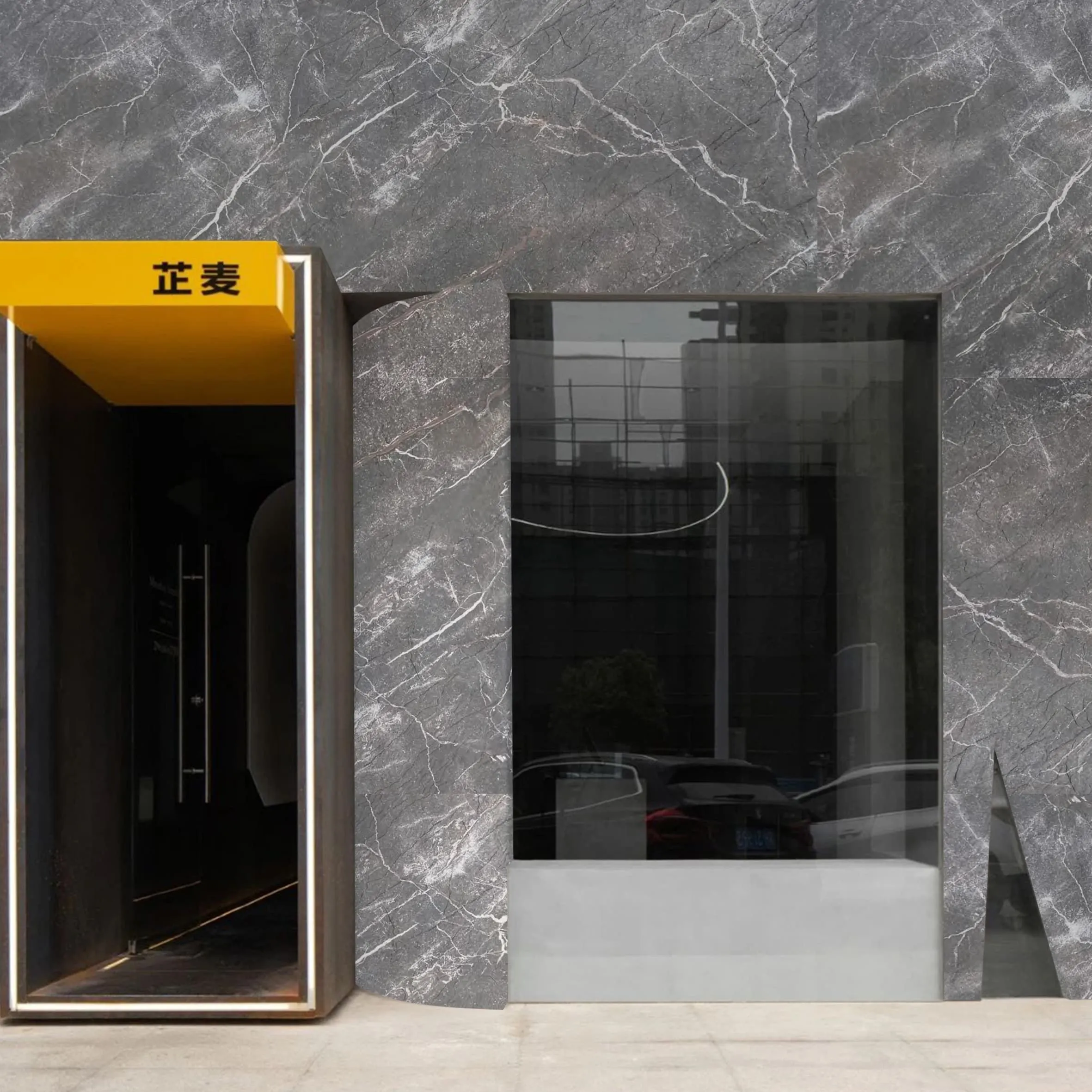
To truly understand Slate Portoro's appeal, it helps to see how it compares to other popular materials in the Saudi market. Let's break it down:
| Material | Key Aesthetic Traits | Durability in Saudi Climate | Best For | Price Point (Relative) |
|---|---|---|---|---|
| Slate Portoro (MCM) | Dark base with gold/silver veins; luxurious, timeless | High (UV-resistant, non-porous, scratch-proof) | Luxury interiors, high-end exteriors, feature walls | Mid-to-high |
| Fair-Faced Concrete | Raw, industrial, gray tones; minimalist | High (durable, low maintenance) | Modern commercial buildings, industrial-chic spaces | Mid |
| Travertine (Beige) | Soft, porous, warm beige with natural pits; earthy | Medium (requires sealing, prone to staining) | Residential interiors, low-traffic exteriors | Mid |
| Wood Grain Board | Warm, organic wood patterns; cozy | Low (susceptible to moisture, warping in heat) | Accent walls, indoor furniture | Low-to-mid |
As the table shows, Slate Portoro isn't the cheapest option, but it delivers unmatched value for projects where luxury, durability, and aesthetics are non-negotiable. "Clients in Saudi Arabia are willing to invest in materials that elevate their projects," Ibrahim explains. "Slate Portoro isn't just a building material—it's a statement. It tells visitors, 'This space matters.'"
Saudi Arabia's construction boom shows no signs of slowing down. With projects like the Riyadh Metro expansion, the Red Sea Project (a luxury tourism destination), and the futuristic city of NEOM, demand for premium building materials is skyrocketing. Slate Portoro is already making its mark in these developments.
Take NEOM's "The Line," a 170-kilometer linear city designed to be carbon-neutral. Architects there are using Slate Portoro in public plazas and cultural centers, where its durability and low maintenance align with the project's sustainability goals. "We need materials that can last for decades with minimal upkeep," says a NEOM spokesperson (name withheld for project confidentiality). "Slate Portoro checks that box, and its aesthetic fits our vision of a city that's both advanced and connected to nature."
Even in more traditional projects, like the restoration of historic palaces in Diriyah (a UNESCO World Heritage Site), Slate Portoro is finding a role. "We're using it to replace damaged stone in some of the palace courtyards," says Al-Mansoori, who's consulting on the project. "It's not about mimicking the original stone, but respecting its spirit. Slate Portoro's age-old look helps bridge the gap between past and present."
Slate Portoro's rise in Saudi Arabia's building industry isn't just about a pretty face. It's about a material that understands the kingdom's unique needs: the desire for luxury that doesn't fade, durability that outlasts harsh climates, and a design language that honors heritage while reaching for the future. In a market filled with options—from foamed aluminium alloy board (vintage gold) to travertine (starry blue) —Slate Portoro has carved out a niche by being unapologetically itself: bold, resilient, and full of stories.
As Saudi Arabia continues to build the cities of tomorrow, one thing is clear: Slate Portoro won't just be part of the skyline—it will help define it. For architects, designers, and developers, it's more than a choice; it's a trusted partner in turning visionary ideas into lasting reality. And in a country that dreams big, that's the highest compliment a building material can receive.
Recommend Products












