
Saudi Arabia's climate is not for the faint of heart. From the scorching deserts of Riyadh, where summer temperatures regularly soar past 45°C (113°F), to the humid coastal regions of Jeddah, where salt-laden winds whip against buildings year-round, the country's environment is a relentless test for any construction material. Add in frequent sandstorms—carrying abrasive particles that scratch surfaces and clog crevices—and intense UV radiation that fades colors and weakens structures, and it's clear: building in Saudi Arabia demands more than just "good enough" materials. It demands resilience, durability, and a design that can stand up to nature's harshest whims.
For architects, builders, and homeowners alike, the search for the perfect cladding and surfacing material is a balancing act. It needs to resist the sun's blistering heat to keep interiors cool, stand up to sand and wind erosion, require minimal maintenance in a region where labor and upkeep costs can add up, and still look visually appealing—whether blending with traditional Najdi architecture or complementing sleek, modern designs in cities like Dammam or Riyadh. In recent years, one material has emerged as a front-runner in this quest: Slate Sunnye . But what exactly sets it apart, and why is it quickly becoming the go-to choice for projects across the Kingdom?
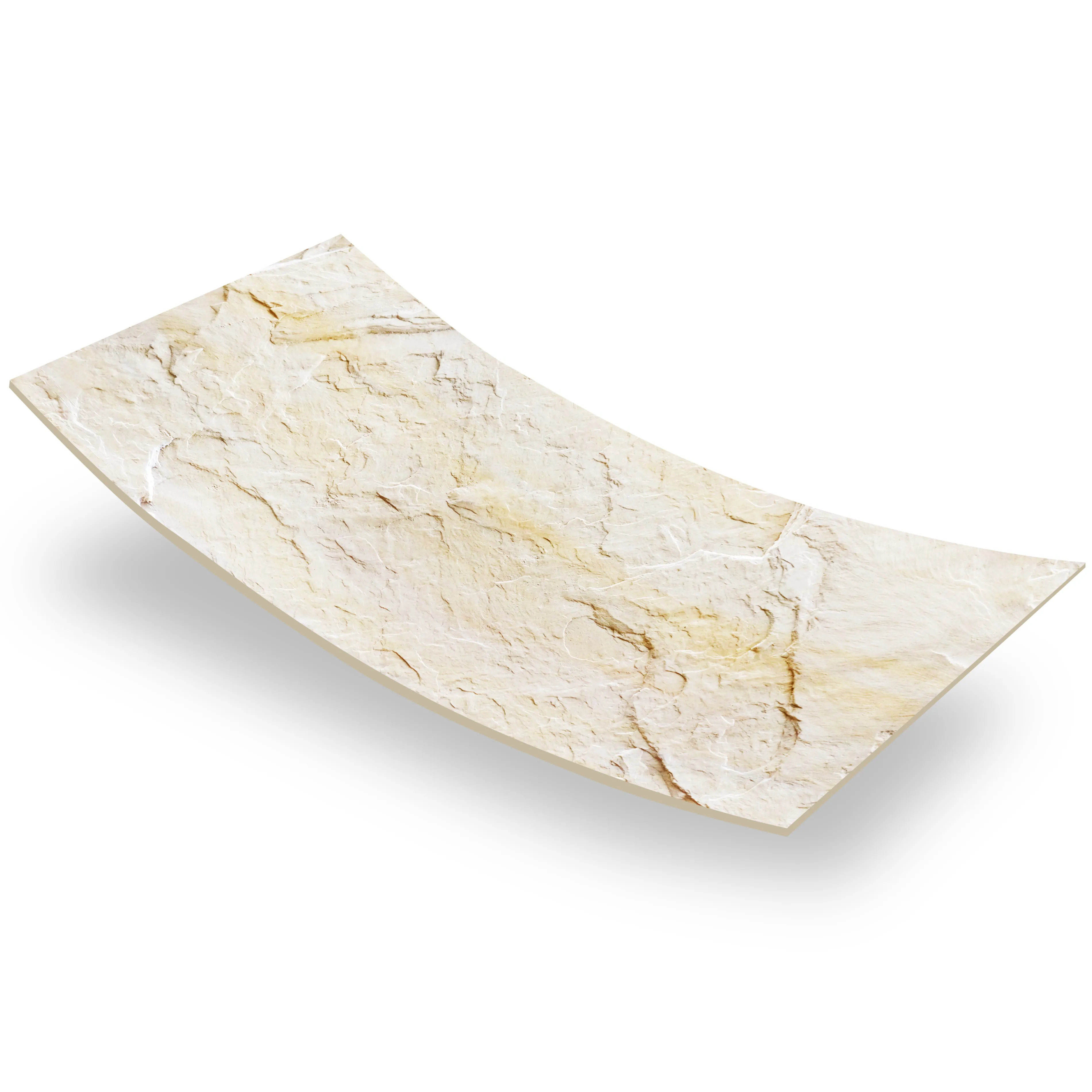
First, let's get to know Slate Sunnye beyond its name. Unlike traditional natural slate, which can be heavy, brittle, and prone to cracking under thermal stress, Slate Sunnye is a modified composite material engineered specifically for harsh climates. It combines natural slate aggregates with a reinforced polymer matrix, creating a product that marries the best of natural aesthetics with modern durability. Think of it as nature's beauty, but with a "superpower upgrade" for the 21st century.
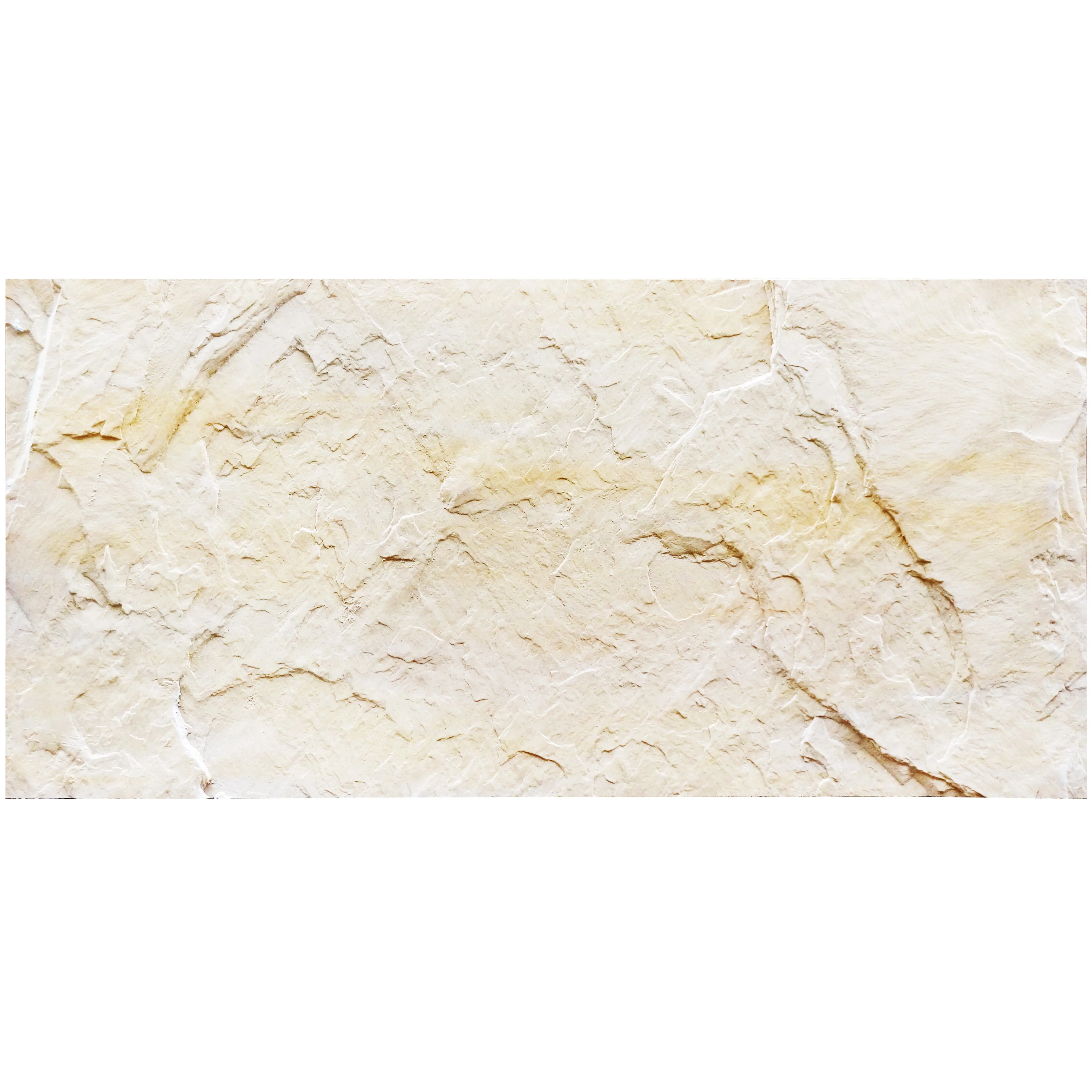
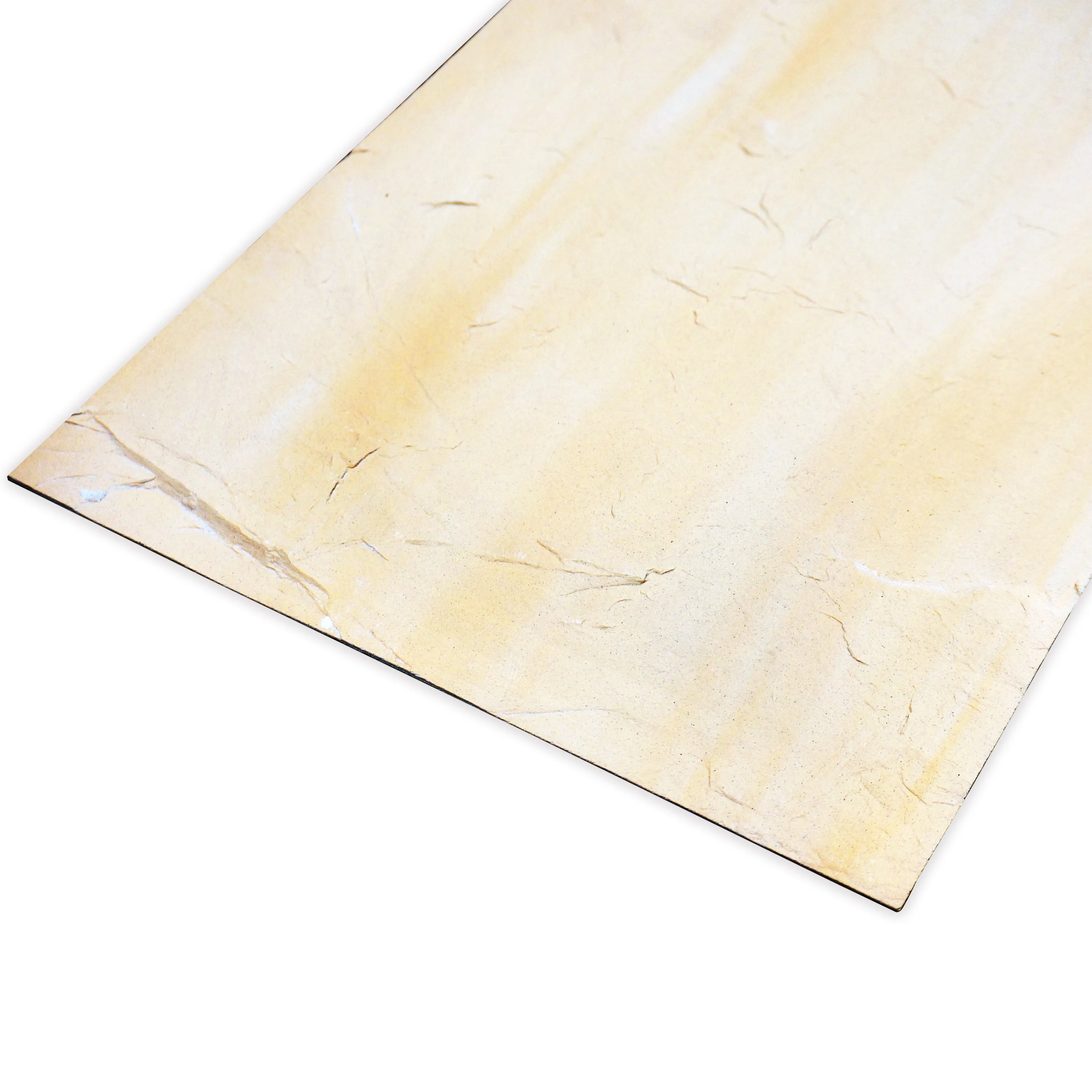
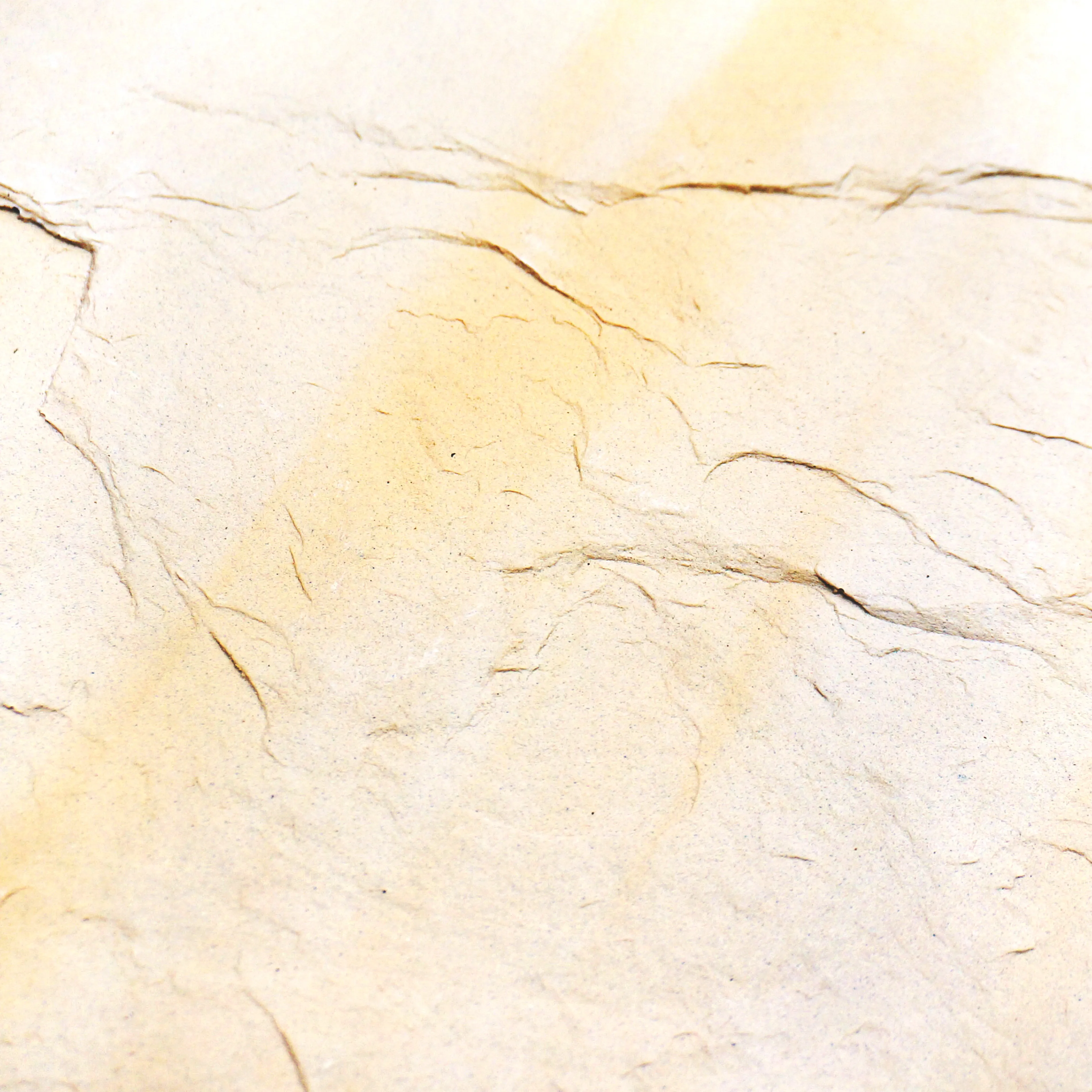
Visually, Slate Sunnye is a stunner. Its surface mimics the subtle veining and earthy tones of natural slate, with warm beige and soft gray hues that evoke the Saudi landscape—from the golden dunes of the Rub' al Khali to the rocky outcrops of the Asir Mountains. But its real magic lies in what you can't see: a composition designed to tackle the Kingdom's unique challenges head-on.
Let's break down the reasons why Slate Sunnye is quickly becoming a favorite among Saudi builders and designers. It's not just one feature, but a combination of traits that make it uniquely suited to the region.
In Saudi Arabia, heat isn't just a seasonal nuisance—it's a year-round reality. For building materials, excessive heat absorption can lead to two major problems: interiors that become unbearably hot (driving up AC costs) and material degradation over time as constant expansion and contraction weaken the structure. Slate Sunnye addresses this with a low thermal conductivity rating, meaning it doesn't absorb heat like a sponge. Instead, its dense, non-porous surface reflects a significant portion of the sun's infrared radiation, keeping walls and surfaces cooler to the touch even on the hottest days.
To put this in perspective: On a typical July afternoon in Riyadh, a wall clad in standard concrete might reach temperatures of 60°C (140°F) or more. Slate Sunnye, by contrast, stays around 45–50°C (113–122°F)—a noticeable difference that translates to cooler interiors and reduced strain on air conditioning systems. Over time, this can lead to significant energy savings, a critical factor in a country where electricity costs and sustainability goals are top priorities.
Saudi Arabia's sandstorms are legendary. These "haboobs" can hurl sand particles at speeds of up to 60 km/h (37 mph), scouring surfaces and leaving traditional materials pitted or faded. Slate Sunnye's reinforced polymer matrix gives it exceptional abrasion resistance—far more than natural slate or even materials like Gobi Panel , which, while rugged, can show signs of wear after repeated sand exposure. Its surface is also non-porous, so sand and dust don't settle into tiny cracks or pores, making it easy to clean with a simple hose-down (no need for harsh chemicals or specialized cleaning crews).
UV radiation is another silent enemy. The sun's harsh rays break down organic materials and fade colors over time, turning vibrant facades into dull, weathered versions of their former selves. Slate Sunnye's color is integrated throughout the material, not just applied as a topcoat, so even if the surface weathers slightly, the color remains consistent. This is a stark contrast to painted materials or even some types of fair-faced concrete , which can develop unsightly discoloration or patchiness after a few years in the Saudi sun.
In a region where labor and maintenance costs can be high, "set it and forget it" is a valuable trait for any building material. Slate Sunnye delivers on this front. Unlike natural stone, which often requires periodic sealing to prevent water absorption and staining, Slate Sunnye needs no such upkeep. Its non-porous surface resists water, oil, and even the occasional splash of date syrup or coffee (a common occurrence in busy Saudi households or cafes). Stains wipe away easily, and there's no risk of mold or mildew growth—even in the more humid coastal areas like Jeddah or Al Khobar, where moisture can seep into porous materials and cause decay.
Contractors and homeowners alike appreciate this low-maintenance profile. Imagine installing a cladding material and knowing that, aside from the occasional rinse, it will look as good in 10 years as it did on day one. That's the peace of mind Slate Sunnye offers.
Saudi architecture is a rich tapestry of old and new. From the mud-brick towers of Diriyah to the futuristic skyscrapers of Riyadh's King Abdullah Financial District, designers need materials that can adapt to diverse styles. Slate Sunnye shines here, with its neutral, earthy tones that complement both traditional Najdi motifs and sleek, contemporary lines.
For example, in a heritage restoration project in Jeddah's Al-Balad district, Slate Sunnye was used to replace weathered stone cladding on a 19th-century merchant's house. Its warm beige hues matched the original sandstone, preserving the area's historical character while adding modern durability. In contrast, at a new tech campus in Dhahran, architects paired Slate Sunnye with Lunar Peak Silvery panels for a striking, modern look—proving that Slate Sunnye isn't just for traditional designs; it's a chameleon that fits any aesthetic vision.
Saudi Arabia's Vision 2030 places a strong emphasis on sustainability and reducing carbon footprints. Slate Sunnye aligns with this vision in several ways. First, its long lifespan (estimated at 50+ years with proper installation) means less frequent replacement, reducing waste and the environmental impact of manufacturing and transportation. Second, its energy efficiency—by keeping interiors cooler—lowers reliance on air conditioning, which in turn reduces greenhouse gas emissions from power plants.
Additionally, Slate Sunnye is often manufactured using locally sourced aggregates, cutting down on transportation emissions compared to imported natural stone. For developers and contractors looking to earn LEED or Estidama certifications (Saudi Arabia's green building standard), these sustainability features can be a significant advantage.
To truly understand why Slate Sunnye is a standout, it helps to compare it to other materials commonly used in Saudi Arabia. Let's take a look at how it measures up against Gobi Panel , fair-faced concrete , and even foamed aluminium alloy board (vintage silver) —all popular choices for their own reasons.
| Feature | Slate Sunnye | Gobi Panel | Fair-faced Concrete | Foamed Aluminium Alloy (Vintage Silver) |
|---|---|---|---|---|
| Heat Resistance (Surface Temp on 45°C Day) | 45–50°C (Cool to touch) | 55–60°C (Warm to hot) | 60–65°C (Very hot) | 40–45°C (Coolest, but high glare) |
| Abrasion Resistance (Sandstorm Durability) | Excellent (Minimal wear after 10 years) | Good (Some pitting after 5+ years) | Fair (Surface roughness increases over time) | Very Good (Scratch-resistant, but dents easily) |
| Maintenance Needs | Low (Hose down occasionally) | Moderate (Seal every 3–5 years) | Moderate (Cleaning required to prevent staining) | Low (But prone to fingerprint smudges) |
| Aesthetic Versatility | High (Earthy tones, fits traditional/modern) | Moderate (Desert-inspired texture, limited color range) | Low (Industrial look, limited customization) | Moderate (Metallic finish, modern-only appeal) |
| Cost (Installation + 10-Year Maintenance) | Moderate (Higher upfront, low long-term costs) | Low-Moderate (Lower upfront, higher maintenance costs) | Low (Low upfront, moderate maintenance costs) | High (Very high upfront, low maintenance costs) |
As the table shows, Slate Sunnye strikes a rare balance: it offers better heat resistance than Gobi Panel and fair-faced concrete, similar durability to foamed aluminium without the high cost or glare issues, and unmatched aesthetic versatility. For most Saudi projects, this combination of performance, longevity, and beauty makes it the clear winner.
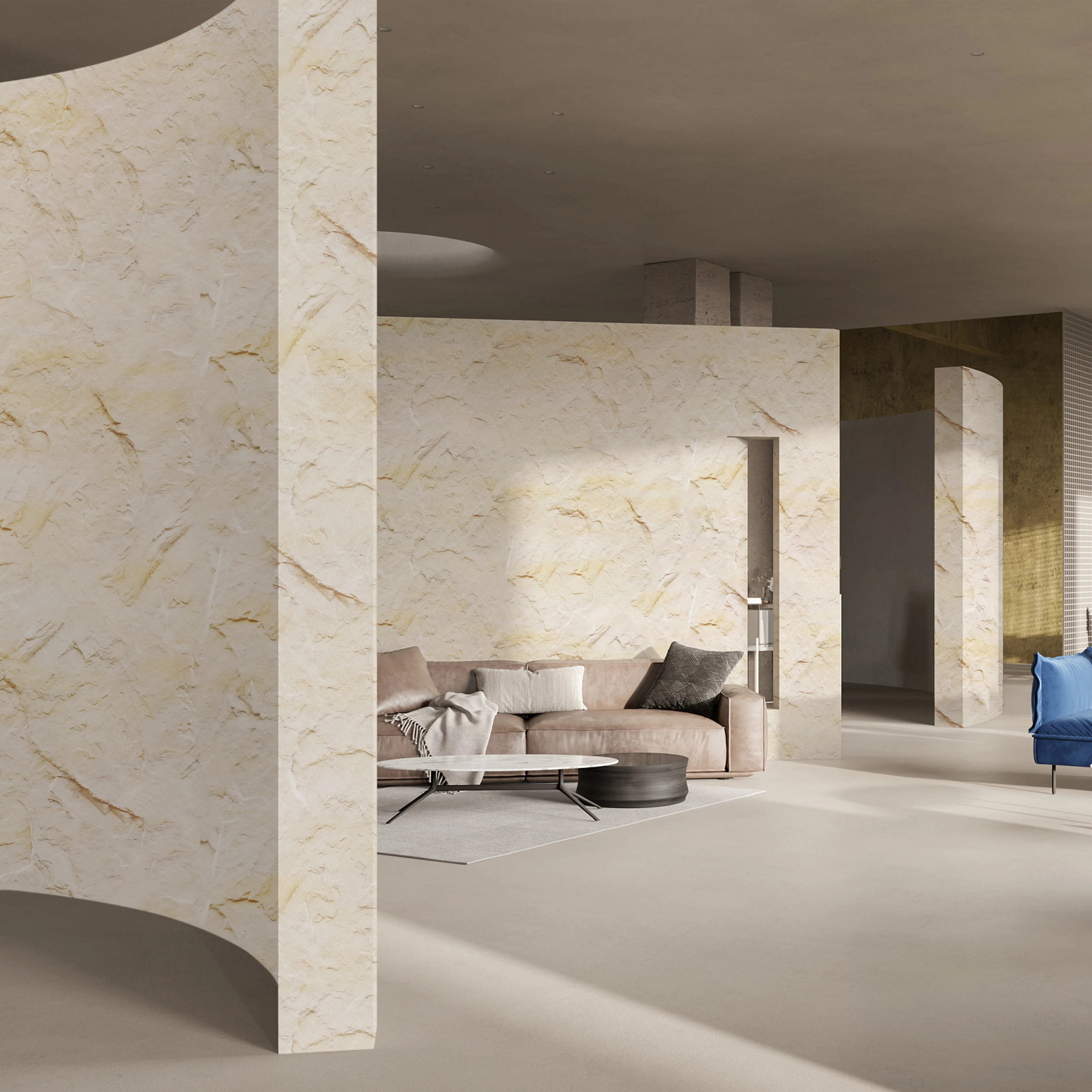
Talk is cheap—what really matters is how a material performs in the field. Across Saudi Arabia, Slate Sunnye is already making its mark in some high-profile projects. Let's take a look at a few examples:
A luxury residential complex in Riyadh's Diplomatic Quarter chose Slate Sunnye for its exterior cladding and courtyard flooring. Completed in 2020, the project has now weathered four Saudi summers, and residents report that their apartments stay noticeably cooler than neighboring buildings. The developer, who initially considered fair-faced concrete, notes that Slate Sunnye's lower maintenance costs have already offset the slightly higher upfront investment. "We've had zero complaints about fading or wear, even after the 2022 sandstorm season," says the project manager. "And the residents love how the warm tones complement the landscaping—especially in the evening when the setting sun hits the walls."
A new waterfront mall in Jeddah needed a material that could withstand both saltwater spray and intense sun. Slate Sunnye was chosen for the exterior facade and outdoor walkways. Two years after opening, the mall's exterior still looks brand-new, with no signs of salt corrosion or UV fading. "We were worried about the coastal humidity causing mold, but Slate Sunnye's non-porous surface has been a game-changer," says the mall's facilities director. "Even during the humid summer months, we haven't seen a single spot of mold or mildew. And cleaning is a breeze—our janitorial staff just hoses down the walkways once a week, and they're spotless."
Dammam's new Al Corniche Park features Slate Sunnye in its pavilion roofs and seating areas. Designed to withstand heavy foot traffic and constant exposure to the elements, the material has held up beautifully. "Kids run across the seating, adults sit with their coffee, and we've had no issues with chipping or staining," says the park's maintenance supervisor. "What's really surprised us is how well it handles temperature swings. Dammam can get hot during the day and cool at night, but we haven't seen any cracks or warping—something we had problems with in the park's previous concrete benches."
While Slate Sunnye is durable, proper installation is key to ensuring it performs at its best. Fortunately, it's designed to be installer-friendly. Unlike natural stone, which can be heavy and require specialized lifting equipment, Slate Sunnye is lightweight (around 20 kg/m²), making it easier to handle and install—reducing labor costs and installation time. It also comes in large, uniform panels, minimizing the number of seams (which can be weak points for water intrusion or sand buildup).
For long-term care, the rules are simple: Rinse with water periodically to remove dust and sand, and avoid using harsh chemicals or abrasive cleaners (which can damage the surface). That's it. No sealing, no repainting, no expensive maintenance schedules. This simplicity is a big part of why contractors and homeowners alike are drawn to it.
Saudi Arabia's climate is unforgiving, but that doesn't mean buildings have to be. Slate Sunnye represents a new era of building materials—ones that don't just tolerate harsh conditions, but thrive in them. With its heat resistance, durability, low maintenance, aesthetic versatility, and sustainability, it's not just a material; it's a solution tailored to the unique challenges of the Kingdom.
Whether you're building a family home in Riyadh, a commercial complex in Jeddah, or a public space in Dammam, Slate Sunnye offers something that few other materials can: peace of mind. It's a material that looks good, performs better, and stands the test of time—making it the ideal choice for Saudi Arabia's future. As the Kingdom continues to grow and develop, Slate Sunnye is poised to play a starring role in shaping its built environment, one cool, durable, and beautiful facade at a time.
Recommend Products












