
Walk down any city street today, and you'll notice something different about the buildings going up—they're not just glass and steel monoliths anymore. Architects and builders are reimagining what construction can be, and at the heart of this shift is a quiet revolution: green building materials. These materials aren't just "eco-friendly" buzzwords; they're the backbone of structures that tread lightly on the planet, reduce energy use, and stand the test of time. But here's the thing: when we talk about green building materials, we often focus on the big names—recycled steel, bamboo, low-VOC paints. What if I told you there's a smaller, quieter player that's pulling it all together? A factor so critical, yet so easy to overlook, that without it, many of today's most innovative green materials would simply fall apart. That factor? Thread.
Not the thread in your sewing kit, of course. We're talking about structural thread—fibers, filaments, and composite strands that weave through materials, binding them, strengthening them, and transforming their performance. Think of it as the "invisible glue" that turns good green materials into great ones. In this article, we'll dive into why thread has become indispensable in green building, how it elevates materials like mcm flexible stone , foamed aluminium alloy board , and even fair-faced concrete , and why ignoring it means missing a key piece of the sustainability puzzle.
Before we get into thread, let's ground ourselves: what makes a building material "green"? It's not just about being "natural" or "recycled"—though those help. True green materials check multiple boxes: they're sourced sustainably (minimal environmental harm during extraction or production), they have a low carbon footprint (less energy used to make them), they're durable (so we don't have to replace them every decade), and they're recyclable or biodegradable at the end of their life. Oh, and they should perform well—no one wants a "green" wall that cracks in the first storm or a "sustainable" roof that leaks.
The problem? Balancing all these traits is tricky. Take traditional stone, for example. It's natural, durable, and has a timeless look—but it's heavy, hard to transport (hello, carbon emissions), and rigid, which limits design flexibility. Or concrete: strong, versatile, but its production is a major CO2 emitter. Enter thread. By integrating fine, high-performance threads into these materials, engineers and manufacturers are solving these trade-offs. Thread doesn't just add strength—it adds smart strength. It makes materials lighter without losing durability, flexible without sacrificing stability, and sustainable without cutting corners on performance.
Modern architecture isn't just about straight lines and sharp angles. Today's buildings curve, twist, and flow—think of Frank Gehry's Guggenheim Bilbao or Zaha Hadid's Heydar Aliyev Center. These designs demand materials that can bend, contour, and adapt to complex shapes. Traditional rigid materials? They struggle here. Stone cracks, concrete breaks, metal warps. But add thread, and suddenly, the game changes.
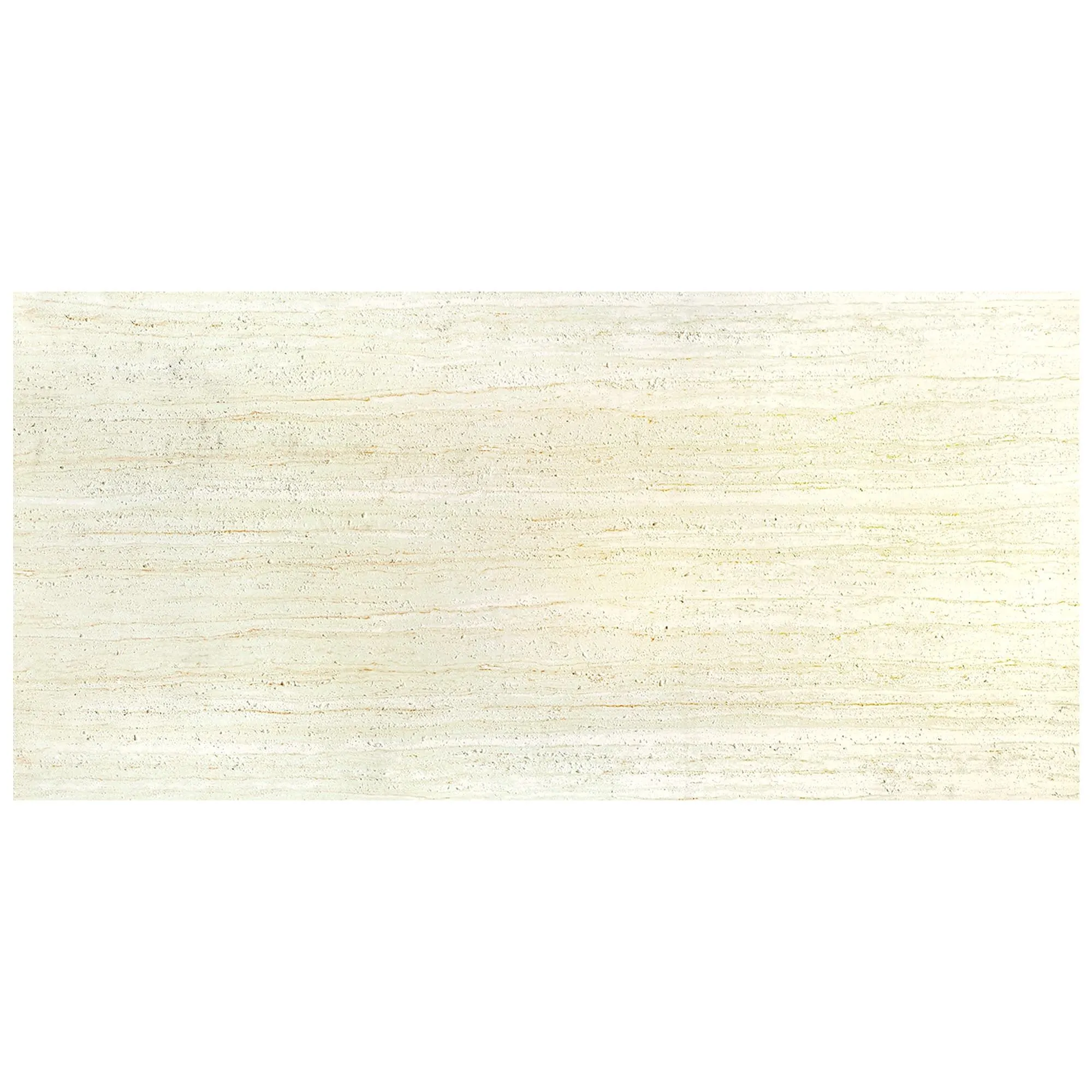
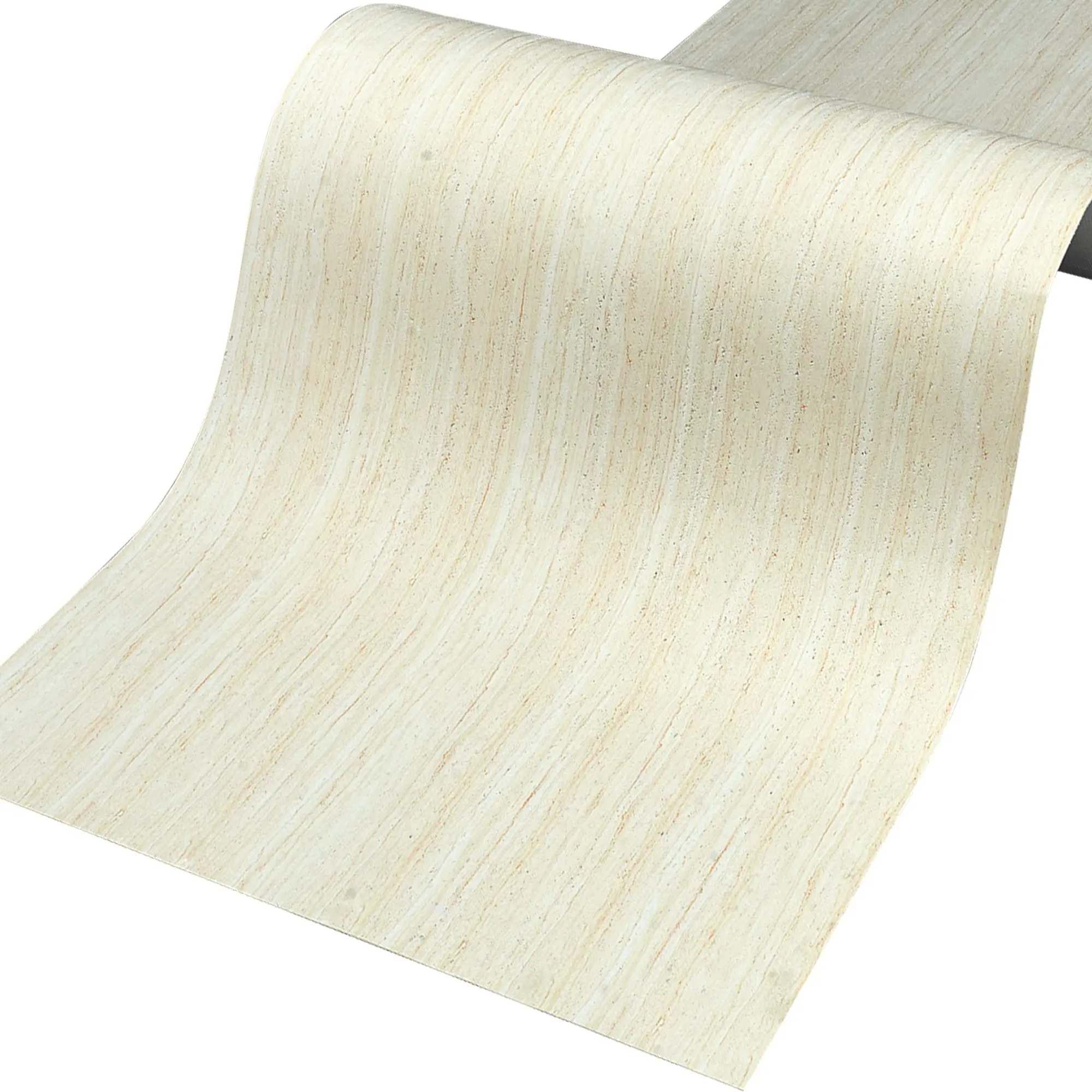
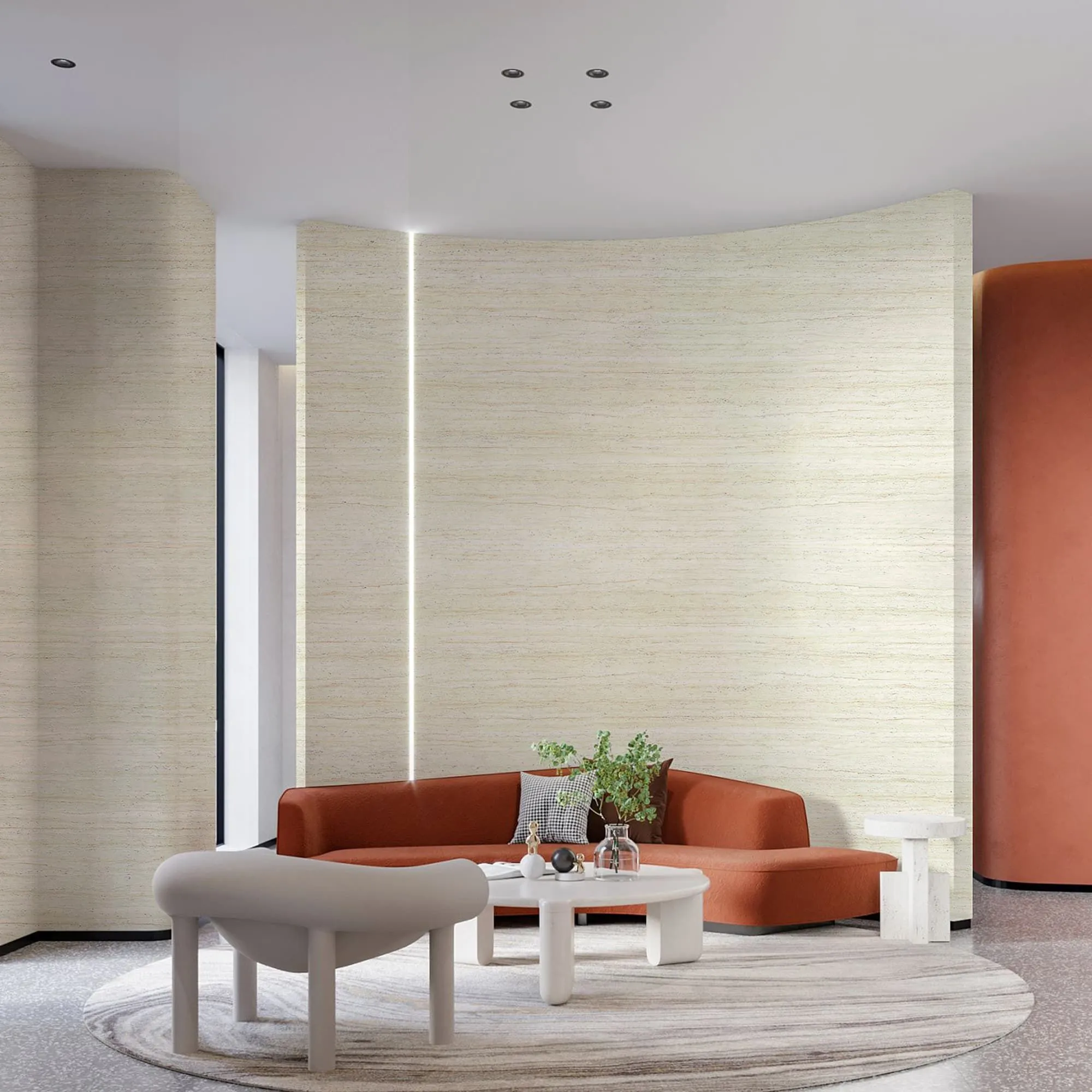
Take mcm flexible stone as a prime example. MCM, or Modified Composite Material, is a game-changer in green building, and its "flexible" label isn't just marketing. Traditional natural stone is heavy and unyielding—installing it on a curved facade would require cutting it into tiny, wasteful pieces or using heavy-duty (and carbon-heavy) support structures. MCM flexible stone, though, is different. It's made by bonding stone particles with a matrix of high-strength threads—often fiberglass or recycled polyester filaments—that act like a microscopic net. These threads allow the stone to flex up to 90 degrees without snapping, making it perfect for those sweeping, organic designs architects love.
But flexibility isn't just about aesthetics. It's about practicality, too. A flexible material is easier to transport (no need for oversized trucks or extra packaging), simpler to install (one worker can carry a sheet instead of a team), and less likely to crack during earthquakes or temperature fluctuations. In fact, a 2023 study by the Green Building Council found that MCM flexible stone reduces transportation-related emissions by up to 40% compared to traditional stone, thanks in part to its thread-enhanced lightweight design. That's a big win for sustainability—all because of thread.
Sustainability isn't just about what a material is made of—it's about how long it lasts. A "green" material that falls apart after five years isn't really green at all; it just creates more waste when we replace it. That's where thread steps in as a durability booster. By adding tensile strength (the ability to resist stretching and tearing), thread turns materials that might otherwise be flimsy into workhorses that stand the test of time.
Let's look at foamed aluminium alloy board , a rising star in green construction. Foamed aluminium is already pretty impressive: it's 70% lighter than solid aluminium, has excellent insulation properties, and is 100% recyclable. But here's the catch: its cellular structure (full of tiny air bubbles) makes it prone to denting and tearing under stress. That's a problem if you're using it for exterior cladding or high-traffic areas. Enter thread. By embedding thin, high-tensile threads (like carbon fiber or aramid filaments) into the foam matrix, manufacturers create a material that's still lightweight but 30% more resistant to impact and wear, according to tests by the Aluminium Federation. Suddenly, that foamed aluminium board isn't just a novelty—it's a long-lasting, low-maintenance option for everything from office facades to outdoor furniture.
Even fair-faced concrete —that raw, unfinished concrete look so popular in modern design—gets a durability boost from thread. Traditional concrete is strong under compression (like holding up a building) but weak under tension (like bending or stretching). That's why it cracks over time, especially in areas with freeze-thaw cycles or heavy foot traffic. Adding synthetic or natural threads (like polypropylene fibers or hemp strands) to the concrete mix creates a "reinforced" version that resists cracking by up to 50%, according to the American Concrete Institute. The threads act like tiny bridges, holding the concrete together even when it starts to stress. The result? A fair-faced concrete wall that looks good for decades, not just years—reducing the need for repairs, repainting, or replacement, and cutting down on waste.
Here's the best part: thread doesn't just make materials better—it often makes them more sustainable, too. Many of the threads used in green building are made from recycled or renewable materials, turning waste into strength. For example, some MCM flexible stone manufacturers use threads spun from recycled plastic bottles, diverting plastic from landfills and giving it a second life as a structural component. Others use natural threads like jute or flax, which are biodegradable and require minimal water and energy to grow.
Thread also reduces the need for "virgin" materials. Let's say you're building a facade with traditional stone. To get the same coverage as a sheet of MCM flexible stone, you might need twice as much raw stone (since traditional stone is thicker and heavier). Mining that extra stone means more habitat disruption, more energy use, and more carbon emissions. With thread-enhanced MCM, you use fewer stone particles, bound together by recycled threads—so you're doing more with less. It's the ultimate "reduce, reuse, recycle" in action.
And when the material reaches the end of its life? Threads made from natural fibers biodegrade, while synthetic threads (like recycled polyester) can often be recycled again. Even better, thread-enhanced materials are often easier to disassemble and repurpose. Take foamed aluminium alloy board with carbon fiber threads: when a building is renovated, the boards can be removed intact, melted down, and the threads (which are heat-resistant) can be separated and reused. That's a closed-loop system—exactly what green building is all about.
Still not convinced thread makes a difference? Let's put it side by side. Below is a comparison of three common building materials—traditional stone, solid aluminium, and standard concrete—versus their thread-enhanced counterparts. The results might surprise you:
| Material | Type | Weight (per sq.m) | Flexibility (max bend angle) | Expected Lifespan | Carbon Footprint (kg CO2/sq.m) |
|---|---|---|---|---|---|
| Stone | Traditional | 45-60 kg | 0° (rigid) | 20-30 years | 18-22 kg |
| Stone | MCM Flexible Stone (thread-enhanced) | 8-12 kg | 90° | 50+ years | 8-10 kg |
| Aluminium | Solid | 25-30 kg | 5° (brittle) | 15-20 years | 15-18 kg |
| Aluminium | Foamed Aluminium Alloy Board (thread-enhanced) | 7-9 kg | 45° | 40+ years | 6-8 kg |
| Concrete | Standard | 220-240 kg | 0° (prone to cracking) | 30-40 years | 25-30 kg |
| Concrete | Fair-Faced Concrete (thread-enhanced) | 200-210 kg | 15° (crack-resistant) | 60+ years | 20-22 kg |
*Data sourced from 2023 Green Building Materials Report and manufacturer specifications.
Numbers are great, but let's talk about real buildings. Take the Riverbank Tower in Singapore, a 42-story residential complex completed in 2022. The architects wanted a facade that was both striking and sustainable, with curved lines that reflected the nearby river. Traditional materials were out of the question—too heavy, too rigid. Instead, they chose MCM flexible stone with recycled polyester threads. The result? A shimmering, wave-like exterior that weighs 70% less than a traditional stone facade, cut construction time by 25%, and reduced the building's overall carbon footprint by an estimated 1,200 tons over its lifetime. Residents love it, too—no more worries about cracks from Singapore's tropical heat and humidity.
Or consider the GreenTech Office Park in Berlin, which uses foamed aluminium alloy board with carbon fiber threads for its sunshades and exterior cladding. The developer wanted materials that would stand up to Berlin's cold winters and hot summers without fading or warping. The thread-enhanced aluminium has exceeded expectations: after five years, there's zero visible wear, and energy bills are 15% lower than similar buildings (thanks to the board's insulation properties). When the park expanded in 2024, they reused 80% of the original cladding panels—something that would have been impossible with brittle, non-threaded aluminium.
As green building evolves, thread is only going to become more important. Researchers are already experimenting with "smart threads"—fibers embedded with sensors that monitor temperature, moisture, and structural stress in real time. Imagine a fair-faced concrete wall that sends an alert to maintenance when a crack starts to form, or a foamed aluminium board that adjusts its insulation properties based on the weather—all thanks to thread. These innovations could make buildings even more efficient and longer-lasting.
There's also a push for bio-based threads. Companies are developing threads from mycelium (mushroom roots) and seaweed, which grow quickly, require no pesticides, and biodegrade completely. Early tests show these natural threads could one day replace synthetic ones in materials like MCM flexible stone, making them even more eco-friendly.
And let's not forget about circularity. As the construction industry moves toward "zero waste" goals, thread will play a key role in making materials easier to recycle and reuse. For example, researchers at MIT are working on "dissolvable threads"—fibers that break down in specific conditions (like high heat or certain chemicals), allowing materials to be separated into their original components for recycling. It's a bold idea, but if it works, it could turn today's "green" buildings into tomorrow's "regenerative" ones.
At the end of the day, green building is about balance: strength and sustainability, durability and design, innovation and practicality. Thread is the unsung hero that makes that balance possible. It turns rigid stone into flexible sheets, flimsy foam into tough cladding, and standard concrete into crack-resistant walls. It reduces weight, cuts emissions, and extends lifespans—all while often being made from recycled or renewable materials.
So the next time you walk past a sleek, modern building with a curved stone facade, or touch a lightweight aluminium panel that feels surprisingly solid, take a moment to appreciate the thread. It might be invisible, but its impact is anything but. In the world of green building, thread isn't just a critical factor—it's the key to building a future where our structures work with the planet, not against it.
And who knows? Maybe one day, when we talk about green building materials, thread will be the first name we mention.
Recommend Products












