
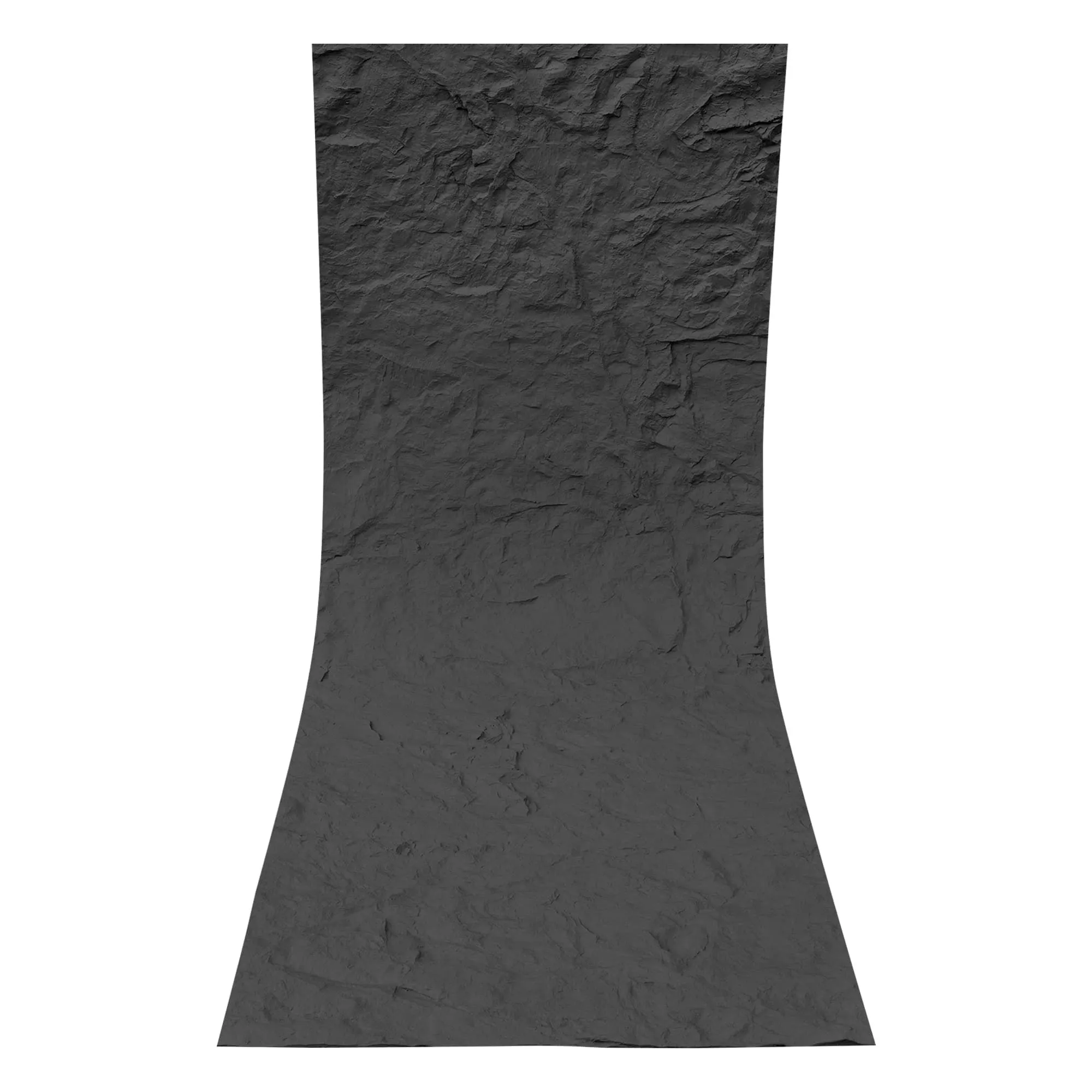
Walk into any modern boutique hotel, sleek office lobby, or even a thoughtfully designed home today, and you'll likely notice a trend: architects and designers are falling in love with "vintage black." It's not just a color—it's a statement. Deep, rich, and slightly weathered, it adds depth without feeling heavy, warmth without sacrificing edge. And leading the charge in bringing this aesthetic to life is COLORIA's Vintage Black Boulder Slab. But what exactly is in this material that makes it so coveted? Let's peel back the layers—literally—and explore the sustainable MCM ingredients that make this slab a game-changer in the world of building materials.
Before we dive into the Vintage Black Boulder Slab, let's get clear on the star of the show: MCM, or Modified Composite Material. If you're not familiar, think of it as the overachiever of the building material world. Traditional materials like natural stone or solid concrete are tough, but they're often heavy, hard to install, and not always kind to the planet. MCM flips that script. It's a blend of natural minerals, recycled polymers, and advanced binding agents, engineered to be lightweight, ultra-durable, and—most importantly—sustainable. Think of it as nature and science shaking hands: it borrows the best of natural materials (texture, visual appeal) and pairs it with the innovation of modern engineering (strength, flexibility, eco-friendliness).
But MCM isn't a one-trick pony. It comes in all shapes and sizes, from thin cladding panels to, you guessed it, big slabs. Which brings us to COLORIA's mcm big slab board series —a line designed for projects that demand presence. These slabs aren't just large; they're bold, with seamless surfaces that make a statement in everything from high-rise exteriors to sprawling commercial floors. And the Vintage Black Boulder Slab? It's the crown jewel of this series, blending the raw, earthy texture of natural stone with the sleekness of a modern finish.
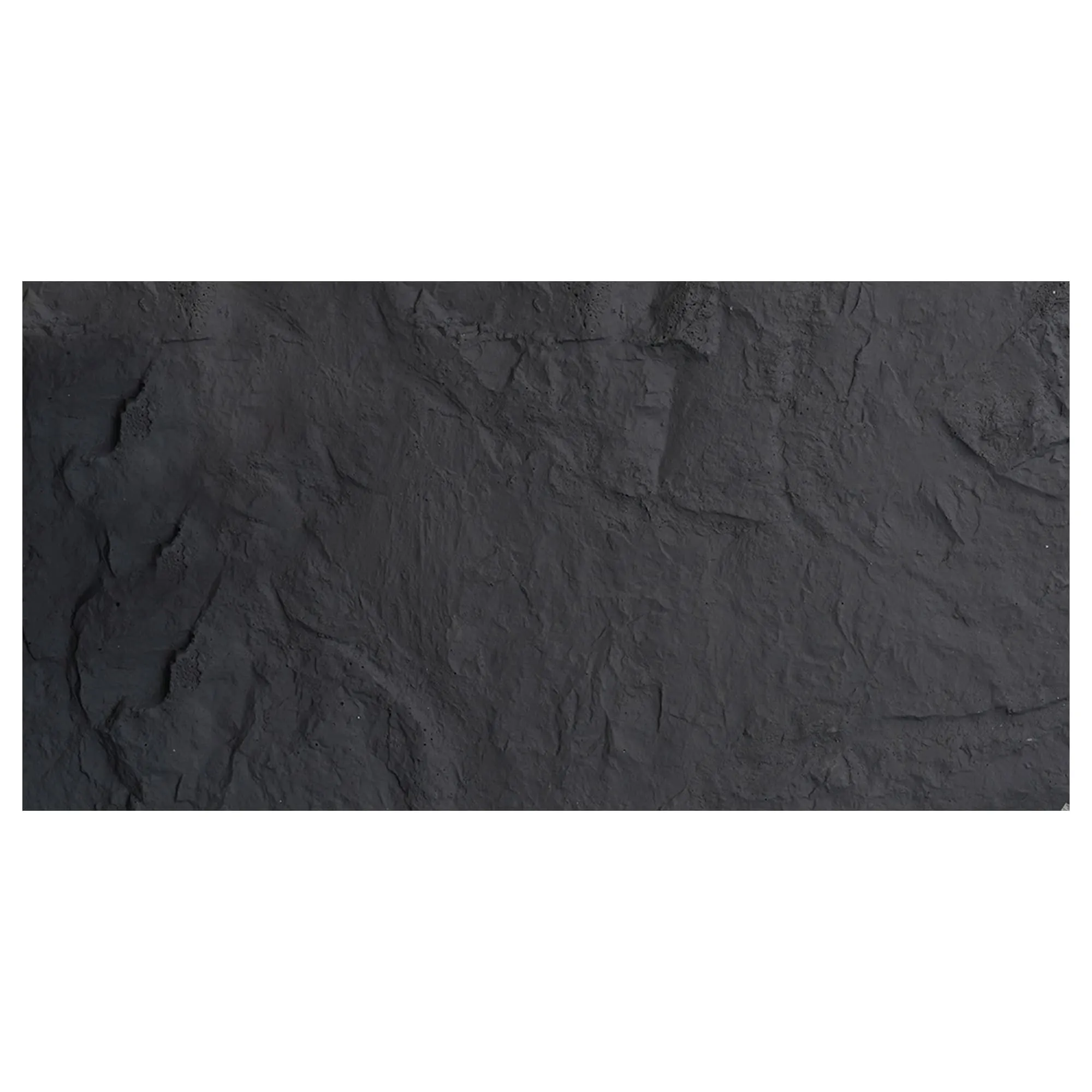
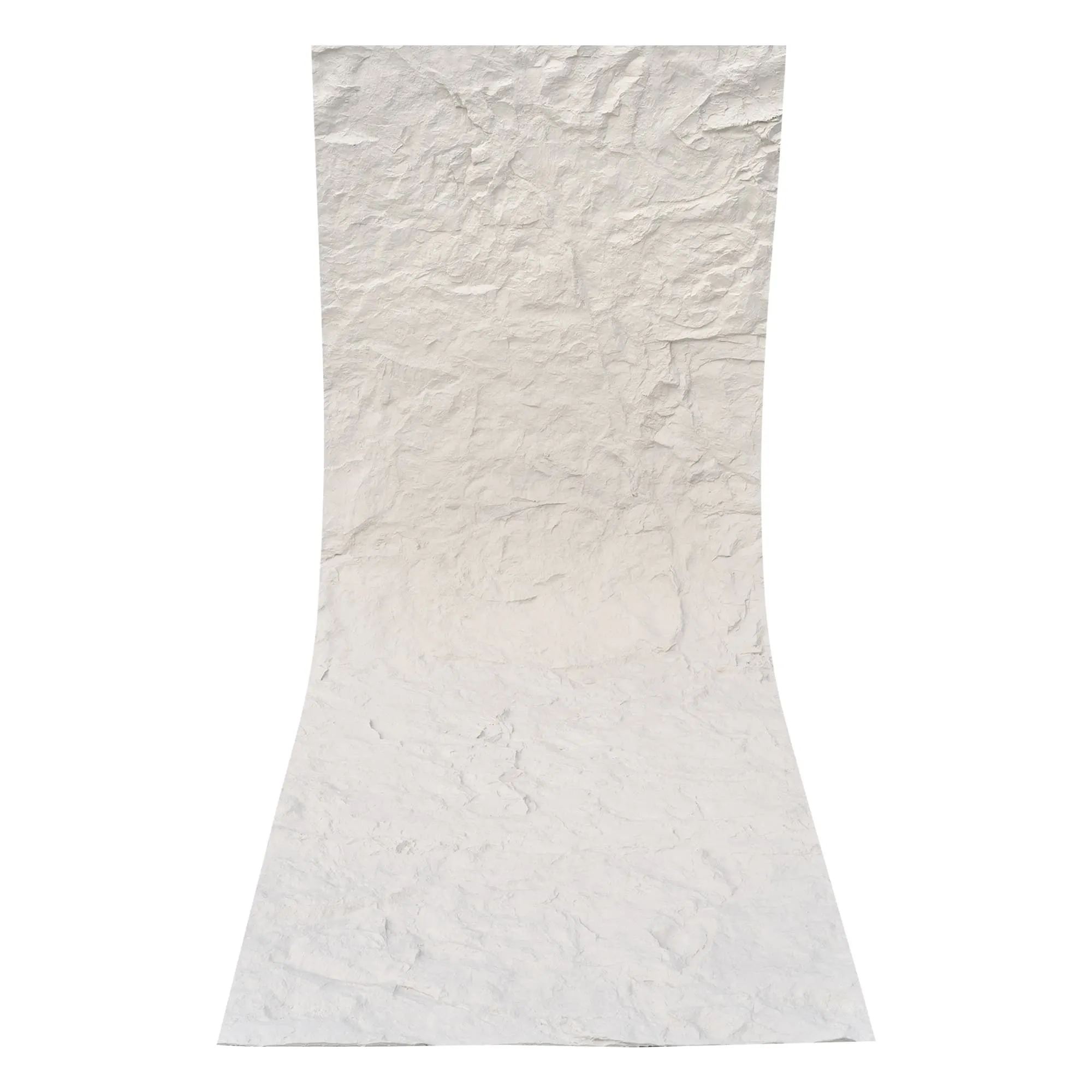
The Vintage Black Boulder Slab isn't alone in the COLORIA lineup. It's part of the broader Boulder Slab series, which includes siblings like vintage silver and vintage gold. Each variant has its own personality: vintage silver leans into industrial chic, vintage gold adds warmth and luxury, and vintage black? It's the epitome of timeless sophistication. But what unites them all is their commitment to the "big slab" philosophy—minimizing seams, maximizing impact, and proving that size and sustainability can go hand in hand.
I remember visiting a boutique hotel in Barcelona last year that used the vintage silver Boulder Slab in its lobby. The way the light hit those large, smooth surfaces—you'd swear it was polished metal, but it felt surprisingly light when I leaned against a column (don't worry, I asked permission first!). That's the magic of MCM: it can mimic the look of high-end materials without the bulk or environmental cost. And while vintage silver has its own cool allure, there's something about vintage black that feels both grounding and elevated—like a modern take on classic noir films or aged leather Chesterfield sofas.
Okay, let's get technical—but in a way that won't make your eyes glaze over. What exactly goes into making the Vintage Black Boulder Slab? Let's break it down into four key components:
At its core, the slab starts with a base of recycled natural minerals—think crushed stone dust, silica, and other earthy elements. These are byproducts of traditional mining and quarrying, which means COLORIA is diverting waste from landfills and giving it new life. To this, they add recycled polymers (think plastic resins, but the eco-friendly kind). These polymers act as the "glue" that holds everything together, but unlike some synthetic binders, they're designed to be low-VOC (volatile organic compounds) and free of harmful chemicals. The result? A base that's 30-50% lighter than natural stone, which means easier transport, lower installation costs, and less strain on building structures.
That rich, deep vintage black color isn't just paint slapped on top—it's integrated into the material itself. COLORIA uses iron oxide pigments, which are not only fade-resistant (no more sun-bleached exteriors!) but also naturally occurring. Unlike some synthetic dyes that leach toxins, iron oxide is inert and safe for both humans and the environment. And here's a fun fact: the "vintage" part of the color comes from subtle undertones—tiny flecks of gray and charcoal that mimic the look of stone that's aged gracefully over decades. It's not a flat, lifeless black; it's black with character, like a well-worn pair of jeans or a vintage record player.
To ensure the slab can handle the wear and tear of high-traffic areas (think hotel lobbies, restaurant floors, or busy office exteriors), COLORIA adds a layer of fiberglass mesh. This mesh is ultra-thin but surprisingly strong, acting like a skeleton within the material. It prevents cracking, increases impact resistance, and ensures the slab stays rigid even in extreme temperatures—from scorching desert heat to freezing winter chills. And yes, the fiberglass is also recycled, because sustainability isn't just about the main ingredients; it's about every component.
Last but not least, the slab gets a final coat of sealant—think of it as sunscreen for your building material. This sealant is water-resistant, stain-proof, and designed to let the material "breathe" (important for preventing moisture buildup). What's cool is that it's also low-VOC, so it doesn't off-gas harmful chemicals into the air once installed. That means better indoor air quality for homes and offices—a big win for health-conscious designers and homeowners.
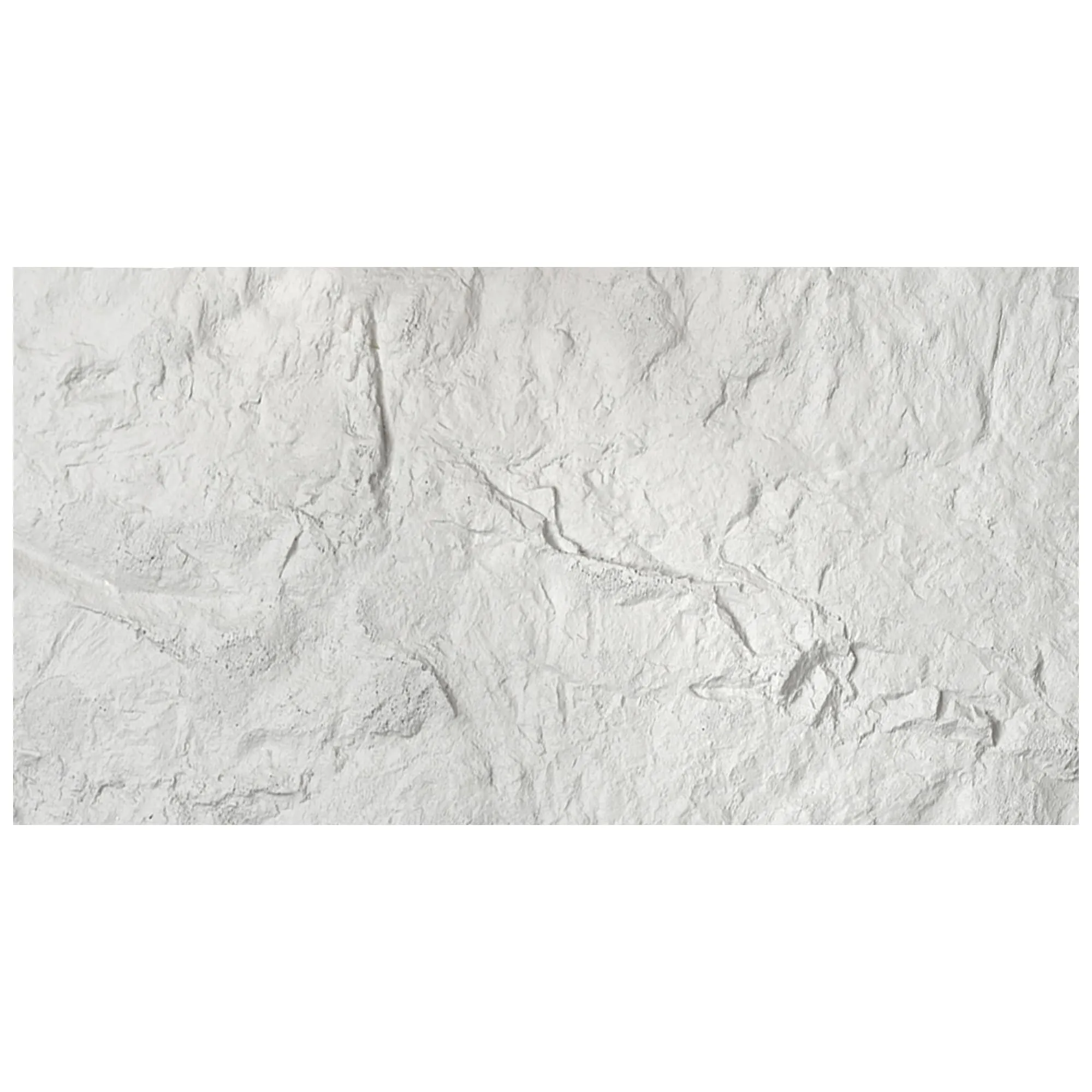
To really appreciate the Vintage Black Boulder Slab, let's compare it to some common alternatives. We'll use a quick table to break down the key factors—sustainability, weight, durability, and cost. Spoiler: MCM holds its own.
| Material | Sustainability | Weight (per sq.m) | Durability | Cost (Relative) |
|---|---|---|---|---|
| Vintage Black Boulder Slab (MCM) | High (recycled materials, low-VOC) | 12-15 kg | Excellent (resistant to cracks, fading) | Moderate |
| Natural Black Granite | Low (quarrying, high transport emissions) | 40-50 kg | Good (prone to chipping) | High |
| Fair-Faced Concrete | Moderate (high cement usage) | 25-30 kg | Good (can crack over time) | Low-Moderate |
| Foamed Aluminium Alloy Board (Vintage Silver) | High (recyclable, lightweight) | 8-10 kg | Very Good (corrosion-resistant) | High |
As you can see, MCM hits that sweet spot: more sustainable than natural stone, lighter than concrete, and more durable than some metals. And while foamed aluminium alloy board (vintage silver) is lighter, it doesn't quite capture the organic texture of the Boulder Slab—proof that there's a material for every design vision.
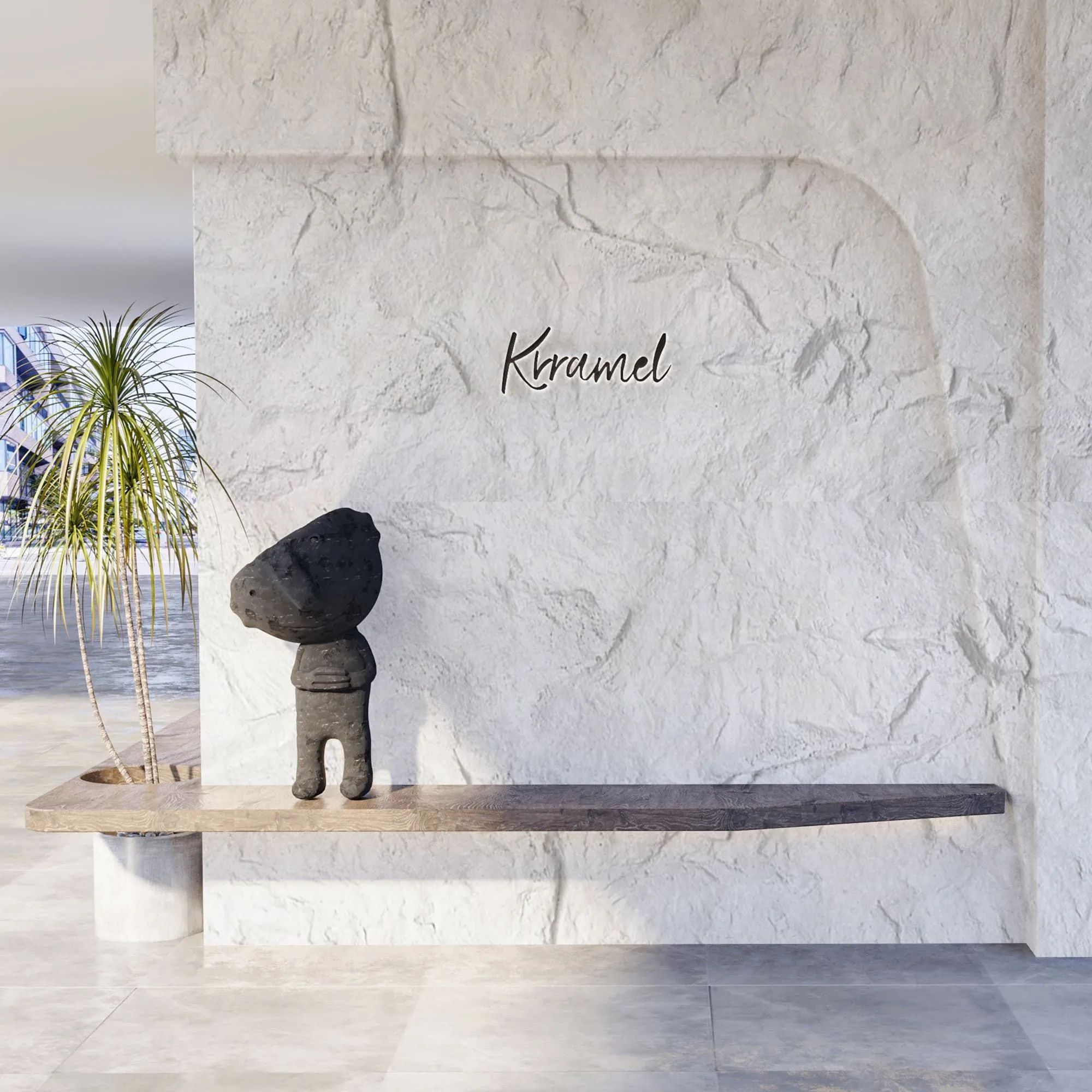
Black is a color that never goes out of style, but in architecture, it's having a moment. Designers are drawn to its ability to make spaces feel larger (yes, really—dark colors can create depth), its versatility (it pairs with everything from warm woods to bright accents), and its timelessness. But COLORIA gets that not everyone wants black, which is why their color palette is so diverse. Take travertine (starry blue) , for example. It's a playful, celestial take on traditional travertine, with flecks of blue that mimic a night sky. It's bold, it's unexpected, and it shows that MCM isn't just about neutrals—it's about self-expression.
Vintage black, though, has a quiet confidence. I recently worked with a client who wanted their home office to feel like a "creative cave"—a space where they could focus but still feel inspired. We used the Vintage Black Boulder Slab on one accent wall, paired with warm wood shelves and soft lighting. The result? It felt cozy, not gloomy, and the texture of the slab added just enough visual interest to keep the space from feeling flat. That's the power of a well-designed material: it doesn't just fill a space; it shapes the mood.
COLORIA doesn't stop at using recycled materials in the Vintage Black Boulder Slab. Their entire production process is designed with the planet in mind. For starters, their factories run on renewable energy—solar panels and wind turbines power most of the manufacturing. They also have a closed-loop water system, meaning the water used in production is filtered and reused, rather than dumped into rivers or oceans. And when it comes to waste, they've pledged to send zero waste to landfills by 2026—scraps are either recycled back into new MCM panels or repurposed into smaller decorative elements.
Compare that to traditional concrete production, which is one of the biggest sources of CO2 emissions globally. Fair-faced concrete is beloved for its raw, industrial look, but it's still concrete at the end of the day—resource-heavy and carbon-intensive. MCM, by contrast, cuts carbon emissions by up to 60% compared to traditional materials, according to COLORIA's 2024 sustainability report. That's not just a win for the planet; it's a win for builders and homeowners who want to reduce their carbon footprint without sacrificing style.
The short answer? Almost anywhere. But let's get specific:
I visited a co-working space in Berlin last month that used the slab for both flooring and desk tops. The uniformity of the big slabs made the space feel cohesive, and the vintage black added a touch of professionalism without feeling sterile. It was a reminder that great design isn't just about looks—it's about how a space functions and makes people feel.
At the end of the day, the Vintage Black Boulder Slab is more than just a building material—it's a sign of where the industry is heading. As consumers and designers become more eco-conscious, the demand for sustainable, stylish alternatives to traditional materials is skyrocketing. MCM isn't a passing trend; it's a solution to some of the biggest challenges in architecture today: reducing waste, lowering carbon footprints, and creating spaces that are both beautiful and functional.
COLORIA's commitment to innovation is evident in every slab. Whether it's the mcm big slab board series , the playful travertine (starry blue) , or the sleek foamed aluminium alloy board (vintage silver) , they're proving that you don't have to choose between sustainability and style. And in a world where our built environment has such a huge impact on our well-being and the planet, that's a big deal.
So, what's in COLORIA's Vintage Black Boulder Slab? Recycled minerals, eco-friendly polymers, a dash of innovation, and a whole lot of heart. It's a material that tells a story—of sustainability, of design excellence, and of the belief that our buildings can be both beautiful and kind to the planet.
Whether you're an architect designing the next iconic skyscraper, a homeowner renovating your kitchen, or just someone who appreciates good design, the Vintage Black Boulder Slab is worth considering. It's not just a slab of material; it's a choice—one that says you care about how things are made, how they look, and how they'll impact the world for years to come.
So go ahead—explore the possibilities. Touch the texture, admire the color, and imagine the spaces you could create. After all, great architecture starts with great materials. And this one? It's a keeper.
Recommend Products












