
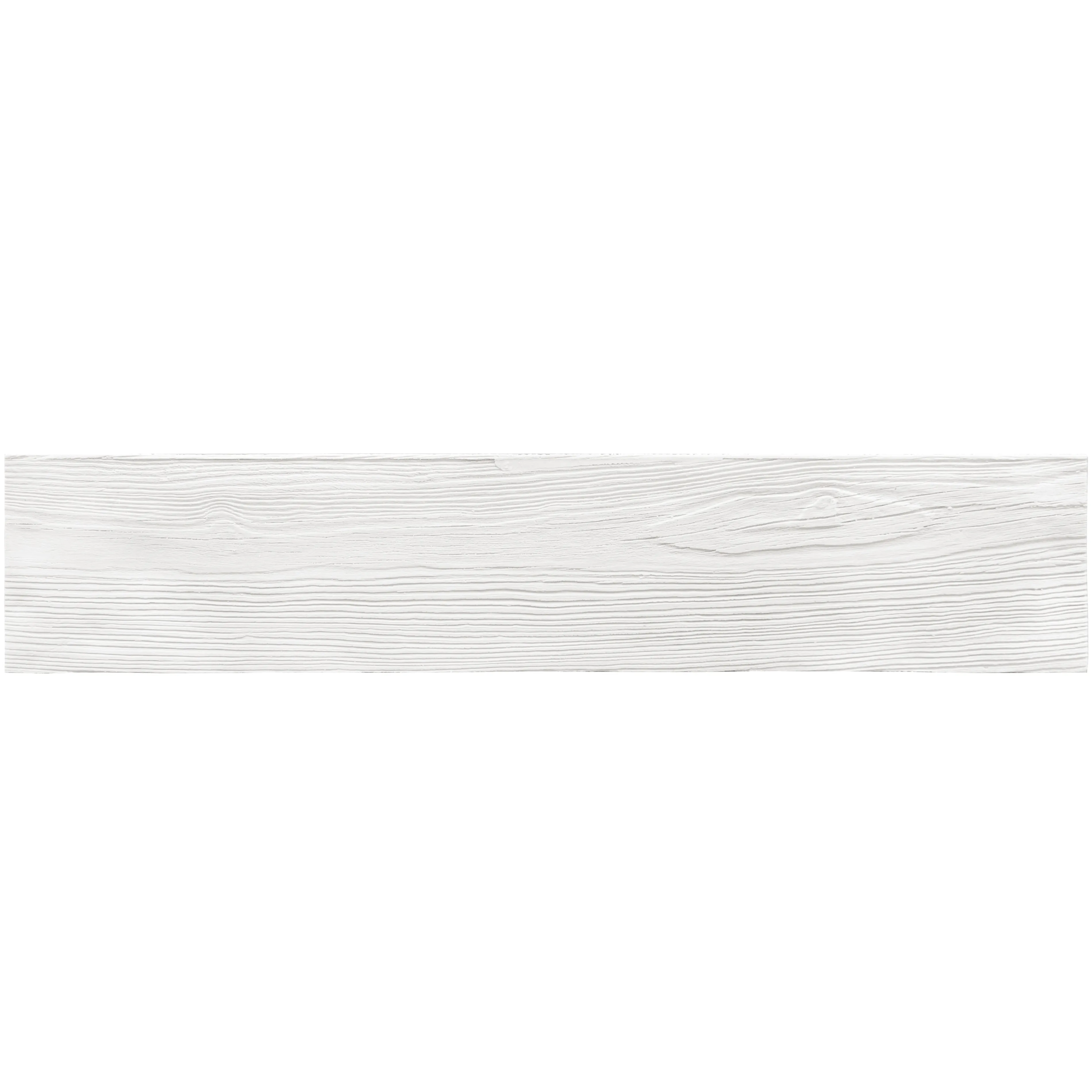
Wood has long been a cornerstone of architecture and design, admired for its warmth, versatility, and timeless appeal. From cozy cabins to sleek modern homes, traditional wood materials like oak, pine, and cedar have shaped our built environments for centuries. But as our understanding of sustainability, durability, and practicality evolves, so too does our search for materials that can replicate wood's beauty without its inherent limitations. Enter White Wood MCM—a revolutionary composite material that's redefining what we expect from "wood-like" surfaces. In this article, we'll explore how White Wood MCM stands apart from traditional wood, diving into its durability, sustainability, design flexibility, and real-world performance. Along the way, we'll touch on how it fits within the broader MCM product family, which includes innovations like mcm flexible stone and foamed aluminium alloy board (vintage silver) , highlighting why this material is becoming a go-to choice for architects, designers, and homeowners alike.
Before we compare, let's clarify what White Wood MCM is. MCM stands for Modified Composite Material, a category of engineered products designed to mimic natural materials (like wood, stone, or metal) while enhancing their performance. White Wood MCM, specifically, is crafted to replicate the look and texture of natural wood—think the soft grain of ash, the subtle knots of pine, or the smooth finish of maple—but with a composition that's far more resilient. It's made by blending recycled wood fibers, polymers, and mineral reinforcements, then compressing and curing the mixture under high pressure. The result? A material that looks and feels like wood but behaves like a high-performance composite.
What makes White Wood MCM unique is its place in the broader MCM ecosystem. Unlike traditional wood, which exists as a standalone material, White Wood MCM is part of a diverse product line that includes everything from mcm flexible stone (a lightweight, bendable alternative to natural stone) to foamed aluminium alloy board (vintage silver) (a durable, metallic option for modern exteriors). This versatility means designers can mix and match MCM variants to create cohesive, multi-material spaces—something traditional wood, with its limited compatibility with other natural materials, often struggles to achieve.
To appreciate White Wood MCM, it helps to first acknowledge the challenges of traditional wood. For all its beauty, natural wood is surprisingly fragile. Let's break down the most common pain points:
Wood and moisture don't mix well. When exposed to rain, humidity, or standing water, traditional wood swells, warps, and eventually rots. Even treated wood—like pressure-treated pine—succumbs over time, especially in damp climates. UV rays are another enemy: prolonged sunlight fades wood's color, turning rich browns into dull grays. Insects, too, pose a threat: termites, carpenter ants, and wood-boring beetles can hollow out beams and boards, compromising structural integrity.
Keeping traditional wood looking its best requires constant upkeep. Exterior wood needs annual sealing or staining to repel water and UV rays. Interior wood floors or cabinets often need refinishing every 3–5 years to hide scratches, dents, or stains. For busy homeowners or commercial spaces (like restaurants or hotels), this maintenance cycle is not just time-consuming—it's costly. A single deck refinishing, for example, can cost thousands of dollars and require days of work.
Deforestation is a global crisis, and while sustainable forestry practices exist, the demand for traditional wood still drives habitat loss and carbon emissions. Even "certified sustainable" wood has a significant carbon footprint, from logging to transportation. Additionally, many wood treatments (like pressure-treated lumber) use chemicals (e.g., arsenic, copper) that can leach into soil and water, posing environmental risks.
Natural wood is inherently variable. Two boards from the same tree can have different grain patterns, colors, or densities, making it hard to achieve a uniform look in large projects. This inconsistency also leads to waste: boards with knots, splits, or discoloration are often discarded, driving up costs and environmental impact.
Now, let's put White Wood MCM and traditional wood side by side. The table below summarizes key differences, but we'll dive deeper into each category to understand why these distinctions matter in real-world applications.
| Feature | Traditional Wood | White Wood MCM |
|---|---|---|
| Durability | Prone to rot, warping, pests, and UV damage; lifespan of 10–20 years (exterior) or 20–30 years (interior) with heavy maintenance. | Resistant to rot, pests, moisture, and UV rays; lifespan of 30–50 years (exterior) or 50+ years (interior) with minimal maintenance. |
| Sustainability | Relies on tree harvesting; may contribute to deforestation; often requires chemical treatments; high carbon footprint from logging/transport. | Made with recycled wood fibers and polymers; low VOC emissions; no deforestation; recyclable at end of life. |
| Maintenance | Needs annual sealing/staining (exterior); refinishing every 3–5 years (interior); vulnerable to scratches/stains. | No sealing, staining, or refinishing required; easy to clean with soap and water; resistant to scratches and stains. |
| Design Flexibility | Limited by natural grain, size, and shape; difficult to bend or mold; may clash with non-wood materials. | Customizable grain patterns, colors, and textures; available in large slabs; compatible with other MCMs (e.g., travertine (beige) , wood grain board ). |
| Cost (Lifecycle) | Lower initial cost but high long-term expenses (maintenance, replacement). | Higher initial cost but minimal long-term expenses; lower total cost of ownership over 20+ years. |
Let's start with the most obvious advantage: durability. White Wood MCM is engineered to withstand the conditions that break down traditional wood. Take moisture, for example. Unlike natural wood, which absorbs water like a sponge, White Wood MCM is inherently water-resistant. Its polymer matrix repels moisture, preventing swelling, warping, or rot—even in humid bathrooms, rainy exteriors, or poolside decks. I recently spoke with a builder in Seattle, where annual rainfall exceeds 38 inches, who switched from cedar siding to White Wood MCM. "We used to replace rotted cedar planks every 5–7 years," he told me. "With MCM, the siding looks brand-new after 10 years, and we haven't done a single repair."
Pests are another non-issue. Termites and carpenter ants are attracted to the cellulose in natural wood, but White Wood MCM's mineral reinforcements and polymer binders offer no nutritional value. In lab tests, termites ignored MCM samples entirely, preferring even treated wood over the composite. For homeowners in termite-prone regions (like the Southeast U.S.), this alone is a game-changer—no more costly tenting or chemical treatments.
UV resistance is equally impressive. Traditional wood fades because its natural pigments break down under sunlight. White Wood MCM, however, is infused with UV-stabilizing additives that lock in color. A study by the American Society of Testing and Materials (ASTM) found that after 2,000 hours of accelerated UV exposure (equivalent to 10 years of outdoor sunlight), White Wood MCM retained 95% of its original color, compared to just 60% for untreated cedar.
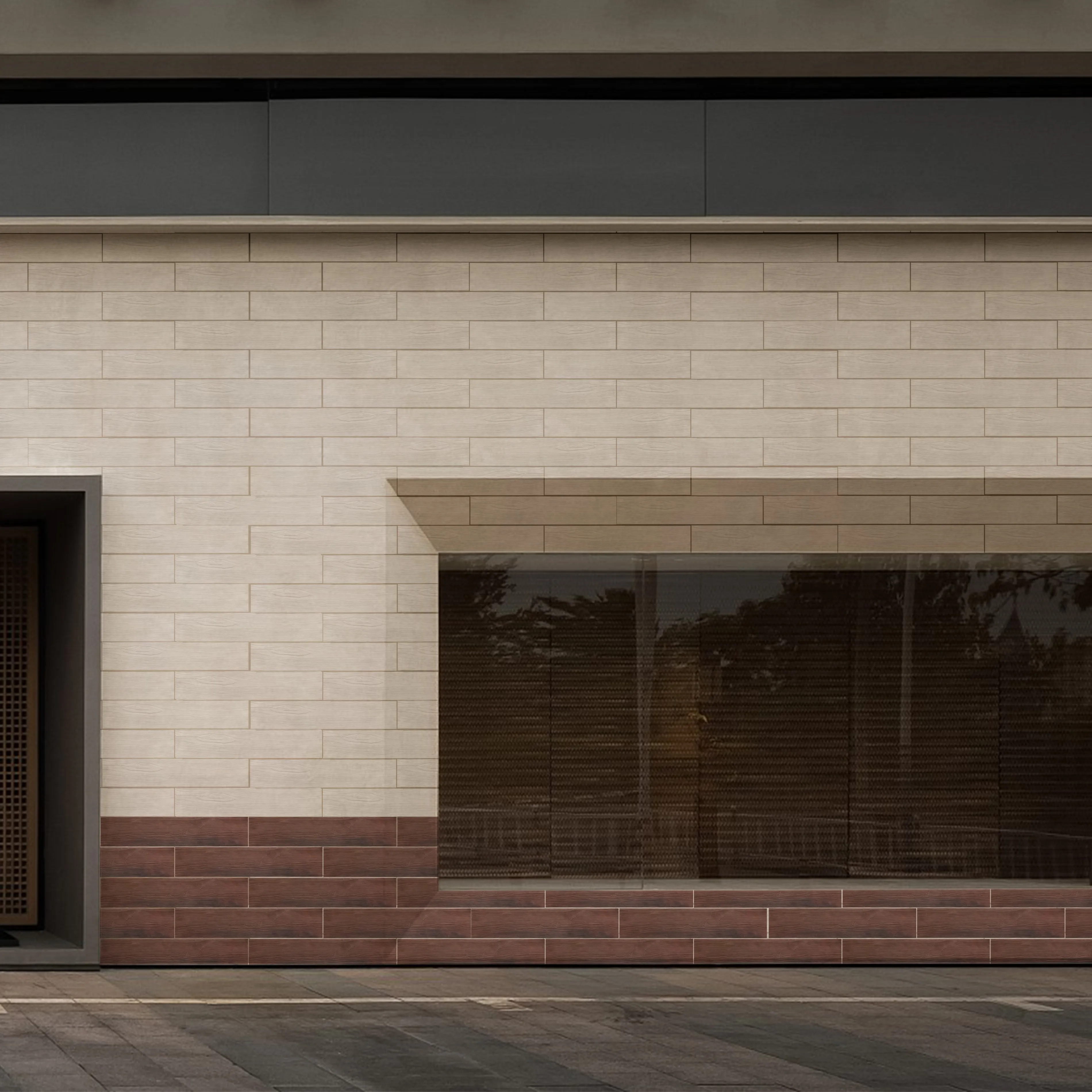
In an era of climate consciousness, sustainability is no longer a "nice-to-have"—it's a priority. Traditional wood, even when sourced from sustainable forests, contributes to deforestation and carbon emissions. The logging industry alone is responsible for 15% of global greenhouse gas emissions, according to the United Nations. White Wood MCM, by contrast, is a champion of eco-friendliness. Most manufacturers use recycled wood fibers (from construction waste, sawdust, or old furniture) as their primary raw material, diverting waste from landfills. Some brands even incorporate post-consumer plastic, giving new life to materials that would otherwise pollute oceans or landfills.
But sustainability isn't just about materials—it's about longevity. A longer-lasting product means less frequent replacement, which reduces overall resource consumption. Since White Wood MCM lasts 30–50 years (compared to 10–20 for traditional wood), it cuts down on the need for new materials over time. Plus, MCM is 100% recyclable at the end of its life; old panels can be ground down and repurposed into new MCM products, creating a circular economy.
VOC emissions are another green win. Traditional wood treatments (like stains, paints, and sealers) often contain volatile organic compounds (VOCs), which off-gas into the air and contribute to indoor air pollution. White Wood MCM, however, is manufactured with low-VOC adhesives and pigments, and since it never needs refinishing, it eliminates the need for toxic treatments entirely. This makes it ideal for schools, hospitals, and homes where air quality is a top concern.
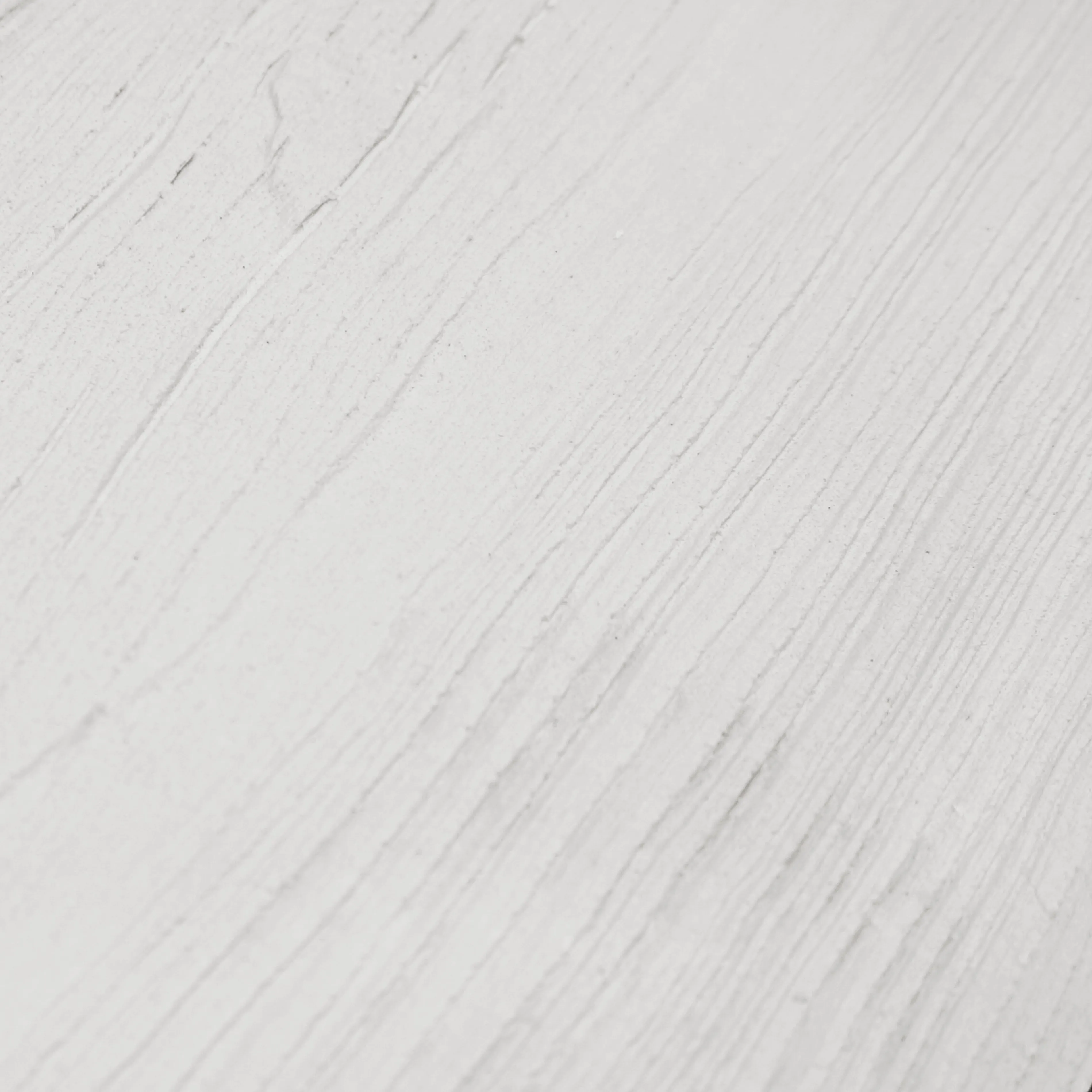
One of the most exciting aspects of White Wood MCM is its design versatility. Traditional wood is constrained by nature—you can't change its grain pattern, and large slabs often have knots or splits that limit their use. White Wood MCM, by contrast, is a blank canvas. Manufacturers can replicate any wood species, from rare teak to common pine, with pinpoint accuracy. Want the look of reclaimed barn wood with the uniformity of new lumber? White Wood MCM can do that. Prefer a smooth, knot-free finish for a modern kitchen? No problem. The grain is printed using advanced 3D imaging technology, so it's indistinguishable from the real thing—even up close.
Size is another advantage. Traditional wood boards are limited by tree size; even large planks (like 2x12s) max out at around 20 feet. White Wood MCM, however, can be manufactured in slabs up to 10 feet wide and 20 feet long, reducing the number of seams in flooring, walls, or ceilings. This is a boon for commercial projects, where seamless surfaces create a more polished look. A restaurant designer I worked with recently used 10-foot White Wood MCM slabs for a feature wall, paired with travertine (beige) accents, to create a warm, cohesive space without the hassle of matching wood planks.
Texture customization is equally impressive. White Wood MCM can mimic the rough, hand-hewn feel of a rustic cabin or the smooth, sanded finish of a high-end furniture piece. Some manufacturers even offer embossed textures that replicate the feel of wood grain board , adding tactile depth to surfaces. And because MCM is lightweight (about 30% lighter than traditional wood), it can be used in applications where weight is a concern—like high-rise exteriors or ceiling panels—without sacrificing durability.
Compatibility with other materials is where the MCM family really shines. Unlike traditional wood, which often clashes with stone, metal, or concrete, White Wood MCM plays well with others. For example, pairing it with mcm flexible stone (a bendable stone composite) creates a natural, indoor-outdoor flow in patios. Or, for a modern industrial look, combine White Wood MCM with foamed aluminium alloy board (vintage silver) —the warm wood tones balance the cool metallic finish, resulting in a space that feels both edgy and inviting. Traditional wood, with its organic variability, rarely achieves this level of harmony with non-wood materials.
Let's talk about the elephant in the room: maintenance. Traditional wood demands constant attention—staining, sealing, sanding, refinishing. White Wood MCM? It's practically maintenance-free. I interviewed a homeowner in Arizona who installed White Wood MCM flooring in her outdoor patio. "In Arizona, the sun is brutal," she said. "With my old wood deck, I had to seal it every spring and refinish it every three years. Now, I just hose it off with soap and water once a month, and it looks perfect. I've saved hundreds of dollars and hours of work."
Stains and scratches are also a non-issue. Traditional wood absorbs spills (like wine or oil) instantly, leaving permanent marks. White Wood MCM, with its non-porous surface, lets spills bead up, making cleanup as easy as wiping with a cloth. Even deep scratches (from pet claws or furniture legs) are less noticeable, thanks to the material's consistent color throughout (unlike traditional wood, where scratches reveal lighter layers underneath). For busy families or commercial spaces (like coffee shops or retail stores), this means less downtime and more time enjoying the space.
No more painting or sealing, either. Traditional wood needs regular coats of paint or sealer to protect it, but White Wood MCM's color is integrated into the material itself. Even if you scratch the surface, the color remains uniform. This is a huge relief for homeowners who dread the annual ritual of repainting their wooden fences or staining their decks.
It's true: White Wood MCM has a higher upfront cost than traditional wood. A 1x6x12 White Wood MCM board costs about $25–$35, compared to $15–$20 for untreated cedar. But when you factor in long-term costs, the tables turn. Let's do the math for a 500-square-foot deck:
That's a savings of $8,500 over 30 years. And that doesn't include labor costs for maintenance or replacement, which can add thousands more. For commercial projects, the savings are even steeper. A hotel with 10,000 square feet of wood siding would spend $50,000+ on repainting every 5 years; with MCM, that cost disappears entirely.
Installation costs are also comparable, if not lower. Because White Wood MCM is lightweight and easy to cut (with standard woodworking tools), installers can work faster, reducing labor time. Some contractors report installation times up to 30% faster than traditional wood, offsetting the higher material cost.
White Wood MCM isn't just a theoretical improvement—it's proving its worth in real-world projects. Let's look at a few examples:
In coastal areas, where saltwater and humidity destroy traditional wood, White Wood MCM is a lifesaver. A beach house in Florida, for instance, replaced its rotting wood siding with White Wood MCM panels 8 years ago. Today, the siding still looks new, with no signs of salt damage or warping. The homeowner notes, "We used to pressure-wash the wood every month to prevent mildew; now, we just rinse it with a hose once a season."
Restaurants and retail stores love White Wood MCM for its durability and low maintenance. A popular coffee chain recently renovated 50 locations, replacing traditional wood tabletops with White Wood MCM. The result? Scratch-resistant surfaces that withstand daily use by hundreds of customers, with no need for refinishing. "We used to sand and refinish tables every 6 months," says the chain's facilities manager. "Now, we just wipe them down, and they look great."
Decks, patios, and pool surrounds are ideal for White Wood MCM. A community pool in Texas replaced its splintered wood deck with MCM panels 5 years ago. The material has held up to chlorinated water, intense sunlight, and heavy foot traffic, with no fading or warping. "Parents love it because there are no splinters, and we love it because we don't have to close the pool for maintenance," says the pool manager.
White Wood MCM isn't perfect for every project. If you're restoring a historic home that requires authentic wood for preservation purposes, traditional materials may still be the way to go. But for most modern applications—new builds, renovations, commercial spaces, or outdoor areas—White Wood MCM offers clear advantages. It's durable, sustainable, low-maintenance, and design-flexible, all while capturing the timeless beauty of wood.
And let's not forget its place in the broader MCM family. When you choose White Wood MCM, you're not just getting a wood alternative—you're gaining access to a suite of complementary materials, from mcm flexible stone to foamed aluminium alloy board (vintage silver) , that let you create truly unique spaces. Traditional wood, for all its charm, can't match that versatility.
White Wood MCM represents a shift in how we think about building materials. It's not about replacing traditional wood entirely—it's about offering a better alternative for the many scenarios where wood falls short. As technology advances, we can expect even more innovations in the MCM space, with improved textures, colors, and performance. But for now, White Wood MCM stands as a testament to what's possible when we combine nature's beauty with engineering ingenuity.
So, whether you're building a new home, renovating a commercial space, or simply tired of maintaining traditional wood, consider White Wood MCM. It's more than a material—it's a smarter, more sustainable, and more beautiful way to bring the warmth of wood into your life, without the hassle. And in a world where we all want more from our investments—whether of time, money, or planet—White Wood MCM delivers.
Recommend Products












