
Walk into a space that takes your breath away, and chances are, the materials used play a starring role. Whether it's the warm glow of natural stone in a cozy café, the sleek lines of metal in a modern office, or the earthy texture of rammed earth in a countryside home, materials don't just fill a room—they tell a story. Today, we're diving into one material that's been turning heads in the world of architecture and design: Huge Travertine MCM Slabs. If you've ever wondered how to bring grandeur, warmth, and versatility to a space, this might just be the answer. Let's start with the basics: sizes. Because when it comes to making a statement, size matters—but so does flexibility.
First things first: MCM stands for Modified Composite Material, and it's a game-changer in the world of building materials. Think of it as the perfect blend of nature and innovation. MCM takes the aesthetic appeal of natural materials like stone, wood, or metal and combines it with the durability, lightweight nature, and sustainability of modern composites. The result? Slabs that look and feel like the real thing but are easier to install, more resistant to the elements, and kinder to the planet. From exterior cladding that withstands harsh weather to interior accent walls that add texture, MCM has become a go-to for designers who refuse to compromise on beauty or practicality.
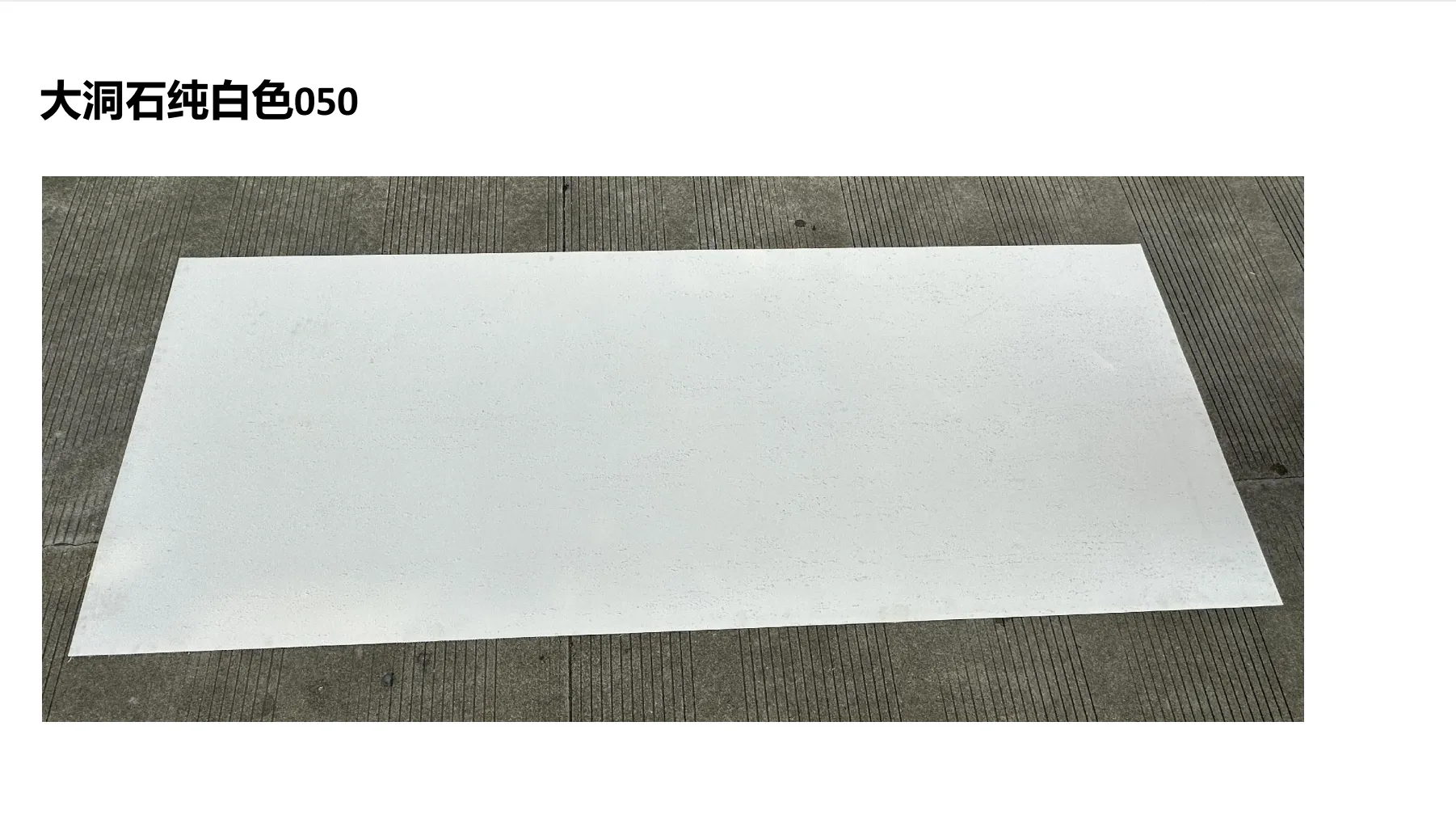
Now, let's zoom in on the star of today's conversation: Huge Travertine MCM Slabs. Travertine itself is a classic—known for its porous, matte finish, warm tones, and subtle veining that feels both timeless and organic. But when you scale it up into "huge" slabs and wrap it in the benefits of MCM, you get something truly special. These slabs aren't just big; they're bold, versatile, and designed to make spaces feel expansive and connected.
So, what sizes do these slabs come in? Let's break it down. MCM manufacturers understand that one size doesn't fit all, so they offer a range of standard dimensions to suit different projects. Here's a look at the most common options for Huge Travertine MCM Slabs:
| Standard Size (Width x Height) | Thickness | Common Applications |
|---|---|---|
| 1200mm x 2400mm | 4-6mm | Interior accent walls, kitchen backsplashes, small to medium exterior facades |
| 1500mm x 3000mm | 6-8mm | Large interior walls, commercial lobbies, restaurant feature walls |
| 1800mm x 3600mm | 8-10mm | Grand exterior cladding (hotels, malls), high-ceilinged interiors, statement staircases |
| 2000mm x 4000mm | 10-12mm | Iconic buildings, architectural landmarks, projects aiming for seamless, monolithic looks |
Why these sizes? They strike a balance between practicality and impact. The 1200mm x 2400mm slab, for example, is a workhorse—it's easy to handle during installation but still large enough to minimize (seams) on a wall. On the flip side, the 2000mm x 4000mm slab is all about drama. Imagine a hotel lobby with a single, unbroken expanse of travertine stretching from floor to ceiling—no seams, no interruptions, just pure, uninterrupted beauty. That's the power of a huge slab.
You might be thinking, "Can't I just use smaller slabs and piece them together?" Technically, yes—but there's a reason huge slabs are gaining popularity. For one, fewer seams mean less maintenance. Seams can trap dirt, moisture, or grime over time, but with larger slabs, you cut down on those potential trouble spots. Aesthetically, larger slabs create a sense of flow and continuity. In a living room, a huge travertine wall can make the space feel more open and cohesive. In a retail store, it can draw the eye and guide customers through the space. And let's not forget installation efficiency: fewer slabs mean fewer cuts, less labor, and a quicker timeline—all of which can save on costs.
Huge Travertine MCM Slabs aren't just for show—they're surprisingly versatile. Here are a few spaces where they've made a big impact:
Now, here's where things get even more exciting: standard sizes are just the starting point. Many MCM manufacturers (including those behind the Huge Travertine line) offer custom dimensions. Because sometimes, a project has unique needs—maybe a curved wall that requires non-rectangular slabs, or a ceiling installation with specific height constraints. Custom sizing lets you tailor the material to the space, not the other way around.
Customizing a Huge Travertine MCM Slab isn't as daunting as it might sound. The process usually starts with a conversation: you share your project's blueprints, dimensions, and vision with the manufacturer. They'll then work with you to determine the best slab size, thickness, and finish. Since MCM is a composite material, it's more malleable than solid stone, which means it can be cut, shaped, and sized to fit almost any requirement. Whether you need a slab that's 1900mm x 3800mm to fit a specific wall height or a uniquely curved edge to mimic a natural rock formation, the team can make it happen.
Why go custom? For starters, it lets you push the boundaries of design. Maybe you've always wanted a travertine accent wall that wraps around a staircase, following its curve—custom slabs make that possible. Or perhaps you're working on a historic renovation where the existing walls have irregular dimensions; custom sizing ensures the new cladding fits seamlessly with the old. Custom slabs also reduce waste: instead of cutting standard slabs to fit and ending up with scraps, you get exactly what you need. And let's not underestimate the "wow" factor—projects with custom materials often become talking points, setting them apart from the ordinary.
Take, for instance, a boutique hotel in Tuscany that wanted to blend modern design with the region's rustic charm. The designers opted for custom Huge Travertine MCM Slabs in a warm beige tone, cut to fit the hotel's sloped ceilings and arched doorways. The result? A space that feels both old-world and contemporary, with travertine that seems to "hug" the architecture. Another example: a tech startup in Silicon Valley wanted an office that felt creative and organic, so they installed custom-sized travertine slabs on the walls of their open workspace, paired with foamed aluminium alloy board (vintage silver) for a mix of earthy and industrial vibes. The contrast of textures and sizes created a dynamic environment that employees loved.
Huge Travertine MCM Slabs are undeniably impressive, but they're just one part of the larger MCM family. To truly elevate a space, designers often mix and match different MCM series to create layers of texture, color, and personality. Let's take a quick tour of some complementary series that pair beautifully with Huge Travertine:
If you want to add a touch of the cosmos to your project, the Lunar Peak series is a stunner. Available in silvery, golden, and black shades, these slabs have a metallic, almost iridescent finish that shimmers in the light. Imagine pairing a huge travertine wall with Lunar Peak Golden accents on a fireplace mantel—the warm travertine grounds the space, while the golden Lunar Peak adds a touch of glamour. It's perfect for modern living rooms or upscale dining areas where you want to balance coziness with luxury.
For a more industrial vibe, Foamed Aluminium Alloy Board is a great pick. With finishes like vintage silver, vintage gold, and metal, these boards have a cool, contemporary look—but they're surprisingly warm to the touch. They pair wonderfully with Huge Travertine in spaces like lofts or art galleries, where the contrast of rough travertine and sleek aluminium creates visual interest. Use them for accent walls, cabinet fronts, or even ceiling panels to add depth.
Rammed earth has been used for centuries, but the Rammed Earth Board series gives this traditional material a modern upgrade. Available in shades like white, middle, matcha green, and gradient options, these boards capture the natural, textured look of rammed earth without the weight or installation challenges. Pair them with Huge Travertine in a home or wellness center for a space that feels grounded and serene. The earthy tones of rammed earth complement travertine's warmth, creating a palette that's both calming and inviting.
For projects that crave texture, the Weaving series is a must-see. Available in khaki, jacinth, grey, and beige, these slabs mimic the look of woven fabrics—think rattan, jute, or linen. When paired with Huge Travertine, they add softness and movement. Imagine a dining room with a huge travertine wall and weaving (khaki) panels on the ceiling; the travertine adds structure, while the weaving adds warmth and texture. It's a combination that feels both tactile and visually engaging.
So, how do you get started with Huge Travertine MCM Slabs—standard or custom? It all begins with a vision. Ask yourself: What feeling do I want the space to evoke? What are the practical needs (e.g., moisture resistance, maintenance)? Do I have specific dimensions or architectural features to work around? Once you have a clear idea, reach out to an MCM supplier or manufacturer. Most have design consultants who can walk you through the options, share samples, and even help with renderings to visualize the final result. Don't be afraid to ask for custom solutions—remember, the best spaces are the ones that are tailored to the people who use them.
At the end of the day, building materials are more than just tools—they're storytellers. Huge Travertine MCM Slabs, with their standard sizes and custom flexibility, give designers and homeowners the chance to tell bold, beautiful stories. Whether you're creating a cozy home, a bustling commercial space, or a landmark building, these slabs offer the perfect blend of form and function. And when paired with complementary series like Lunar Peak, Foamed Aluminium Alloy, or Rammed Earth, the possibilities are endless. So, the next time you're dreaming up a space, think big—think huge travertine. Your walls (and your guests) will thank you.
Recommend Products












