
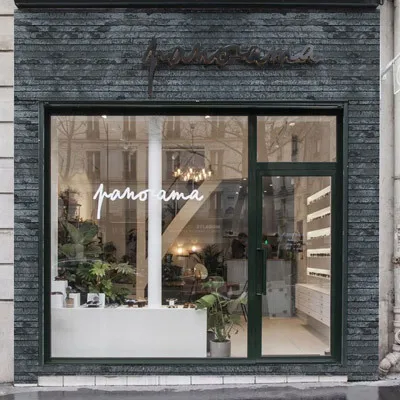
Picture this: You step into a room where the walls are clad in a material that feels both solid and alive—deep, moody, yet surprisingly warm. The light hits it, revealing subtle textures that shift like shadows at dusk. That's the allure of dark grey muretto stone. It's not just a surface; it's a backdrop for life's moments: morning coffee by the window, laughter around a dinner table, quiet evenings lost in a book. But before you fall for its rugged charm, let's talk about what makes this stone more than just a pretty face. Choosing a material like dark grey muretto is about balancing practicality with poetry, and today, we're diving into the questions that matter most.
Dark grey muretto stone has a personality—quietly confident, with a texture that tells a story of earth and time. But personalities clash, right? So first, ask: What does your space want to say? If you're dreaming of a modern, minimalist kitchen, its rough-hewn surface might play beautifully against sleek stainless steel appliances, softening the coldness with organic depth. But if your living room leans into bohemian warmth, pairing it with vibrant textiles and wooden furniture could create a cozy, layered vibe—like a cabin in the woods meets industrial chic.
I once worked with a couple who wanted to use dark grey muretto in their home office. They loved its ( – wěndìng, steady) feel but worried it might make the small room feel cramped. We tested it with warm brass lamps and large mirrors, and suddenly the stone wasn't just dark—it was a canvas that made the light dance. The key? Contrast. Dark stone loves light: natural sunlight streaming through windows, warm-toned bulbs, or even pale wooden floors. It's not about avoiding darkness; it's about using it to highlight what matters.
And don't forget to compare. If you're torn, look at alternatives like lunar peak black —a smoother, more uniform dark stone—or rammed earth board (dark grey) , which has a softer, more earthen texture. Dark grey muretto stands out for its unique veining and matte finish, but it's not the only dark player in town. Think of it like choosing between a leather jacket (muretto) and a wool coat (lunar peak black)—both stylish, but one fits your vibe better.
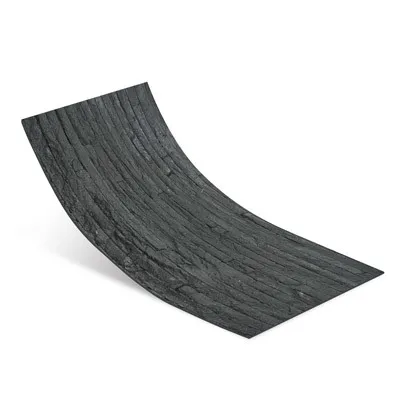
Let's get real: A stone that looks stunning today but chips, stains, or fades in a year is just a pretty regret. Dark grey muretto is tough—made from compressed natural aggregates, it's resistant to scratches and dents, which is why it's a favorite for high-traffic areas like entryways or commercial spaces. But how does it hold up over time?
Consider a café I visited last year, where the walls were clad in dark grey muretto. After three years of coffee spills, chair scrapes, and the occasional rain splash from an open door, the stone still looked rich and unapologetic. The owner mentioned they seal it once a year with a natural stone sealer—no harsh chemicals, just a quick wipe-down. That's the beauty: it ages with grace, developing a subtle patina that adds character rather than looking worn out.
Compare that to something like wood grain board , which, while warm and inviting, can warp in humidity or scratch easily with heavy use. Dark grey muretto laughs off most spills (though red wine or oil might need a quick wipe) and doesn't demand constant attention. If you're the type who hates high-maintenance materials—no judgment, we've all got better things to do than scrub walls—this stone could be your low-effort hero.
In a world where "sustainable" is thrown around like confetti, it's worth asking: Where does this stone come from, and how is it made? Dark grey muretto is typically composed of natural stone fragments, cement, and water—minimal processing, which means a lower carbon footprint than synthetic alternatives like vinyl or some engineered stones. Many manufacturers source the aggregates locally, reducing transportation emissions, and the production process avoids toxic resins or chemicals.
A friend of mine, an architect focused on green building, once told me, "The best sustainable materials are the ones that last." Dark grey muretto's longevity means less frequent replacement, which cuts down on waste over time. Compare that to foamed aluminium alloy boards, which, while durable, require energy-intensive manufacturing. If reducing your project's environmental impact is a priority, ask suppliers about their sourcing practices—look for certifications or transparency about where the aggregates are mined and how much water/energy goes into production. Your future self (and the planet) will thank you.
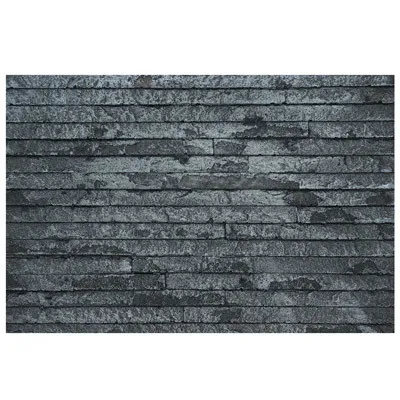
Imagine falling in love with a material, only to find out it's a nightmare to install—heavy, tricky to cut, or incompatible with your walls. Dark grey muretto is denser than drywall but lighter than natural marble, which is a win. However, its weight still means you'll likely need professional installers, especially for vertical applications like accent walls. I've seen DIY enthusiasts attempt it and end up with uneven seams or cracked boards—save yourself the stress and hire a crew experienced with stone cladding.
Another thing to consider: moisture. If you're using it in a bathroom or outdoor space, ensure the installer adds a waterproof membrane behind the stone to prevent water seepage. It's a small step that prevents big headaches later. And while we're on the topic of outdoors—yes, dark grey muretto can handle rain, snow, and UV rays, but it's not invincible. In extremely cold climates, freeze-thaw cycles might cause minor cracking over time, so consult with a local expert to see if it's the right fit for your region.
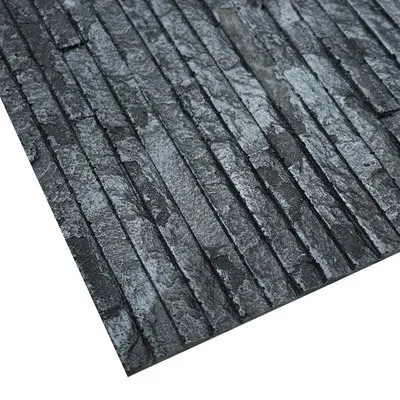
Let's talk numbers. Dark grey muretto isn't the cheapest option out there—you'll pay more upfront than for paint or basic drywall, but less than high-end natural marble or polish concrete . The key is to think long-term: Its durability means you won't be repainting or replacing it every 5-10 years, so that initial cost spreads out over decades. A quick example: If you spend $20 per square foot on muretto versus $10 per square foot on paint, but the paint needs refreshing every 3 years (and labor costs add up), the stone might actually save you money in the long run.
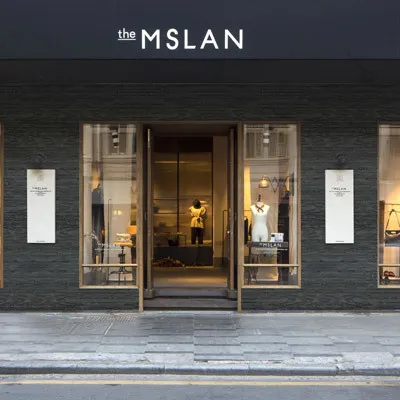
I worked with a small business owner who wanted to revamp her boutique's facade. She was torn between dark grey muretto and a cheaper vinyl siding. We crunched the numbers: Vinyl would cost $8/sq ft but need replacement in 10 years. Muretto was $18/sq ft but would last 30+. Over 30 years, vinyl would cost $24/sq ft (with replacements), while muretto stayed at $18. Plus, the stone added curb appeal, which she credited with a 15% increase in foot traffic. Sometimes, the pricier option is the smarter investment.
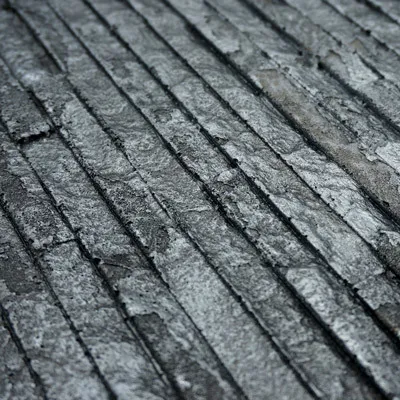
Still unsure? Let's put dark grey muretto side by side with a few popular alternatives to see how they stack up:
| Material | Durability (1-5) | Maintenance Ease (1-5) | Aesthetic Vibe | Avg. Cost per sqm | Best For |
|---|---|---|---|---|---|
| Dark Grey Muretto Stone | 4.5 | 4 | Rugged, earthy, timeless | $150-$220 | Accent walls, exteriors, high-traffic areas |
| Lunar Peak Black | 5 | 3.5 | Sleek, modern, uniform | $180-$250 | Contemporary interiors, statement floors |
| Rammed Earth Board (Dark Grey) | 4 | 3 | Soft, organic, rustic | $130-$190 | Cottages, eco-friendly homes |
| Wood Grain Board | 3 | 2.5 | Warm, cozy, traditional | $90-$150 | Bedrooms, low-traffic living areas |
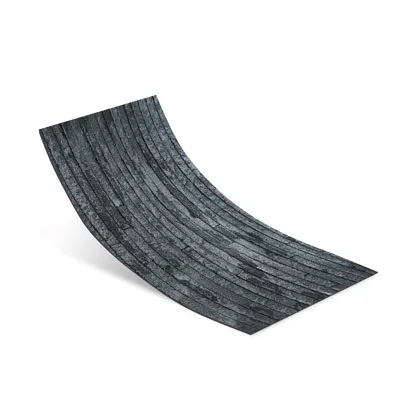
At the end of the day, choosing dark grey muretto stone isn't just about checking boxes—it's about how it makes you feel. Will it be the quiet backdrop to your child's first steps, the elegant frame for your art collection, or the welcoming face of your business? It's a material that doesn't just fill a space; it becomes part of its story.
So take your time. Order samples, hold them up to your walls, see how they look in morning light and evening shadow. Talk to installers, ask about real-world experiences, and trust your gut. Dark grey muretto stone isn't for everyone—but if its earthy texture, low-maintenance charm, and timeless appeal speak to you, it might just be the missing piece your space has been waiting for.
And when you finally stand in that room, with the stone walls surrounding you, remember: This isn't just a renovation. It's the start of new memories, and that's worth every consideration.
Recommend Products












