

Rust Mosaic Stone has become an increasingly popular choice for architects, interior designers, and homeowners seeking to infuse their spaces with natural elegance and timeless appeal. This distinctive building material combines the raw beauty of weathered stone with modern manufacturing techniques, creating a versatile solution for both interior and exterior applications. Whether you are planning a residential renovation, commercial project, or large-scale architectural development, understanding where and how to source high-quality rust mosaic stone can significantly impact the success of your project.
Rust Mosaic Stone derives its distinctive character from natural oxidation processes and mineral composition that create rich, earthy tones ranging from deep amber to warm copper. Unlike uniform synthetic materials, each piece tells a geological story through its unique color variations and textural patterns. This natural variation ensures that no two installations are identical, offering designers and property owners a truly bespoke aesthetic.
Modern manufacturing innovations have transformed traditional stone mosaic applications. Leading manufacturers now offer MCM (Modified Clay Materials) versions that maintain the authentic appearance of natural rust stone while providing enhanced durability, lighter weight, and improved installation efficiency. These advanced flexible stone solutions overcome many limitations of traditional heavy stone cladding, making them suitable for a broader range of applications including curved surfaces, renovation projects, and lightweight construction structures.
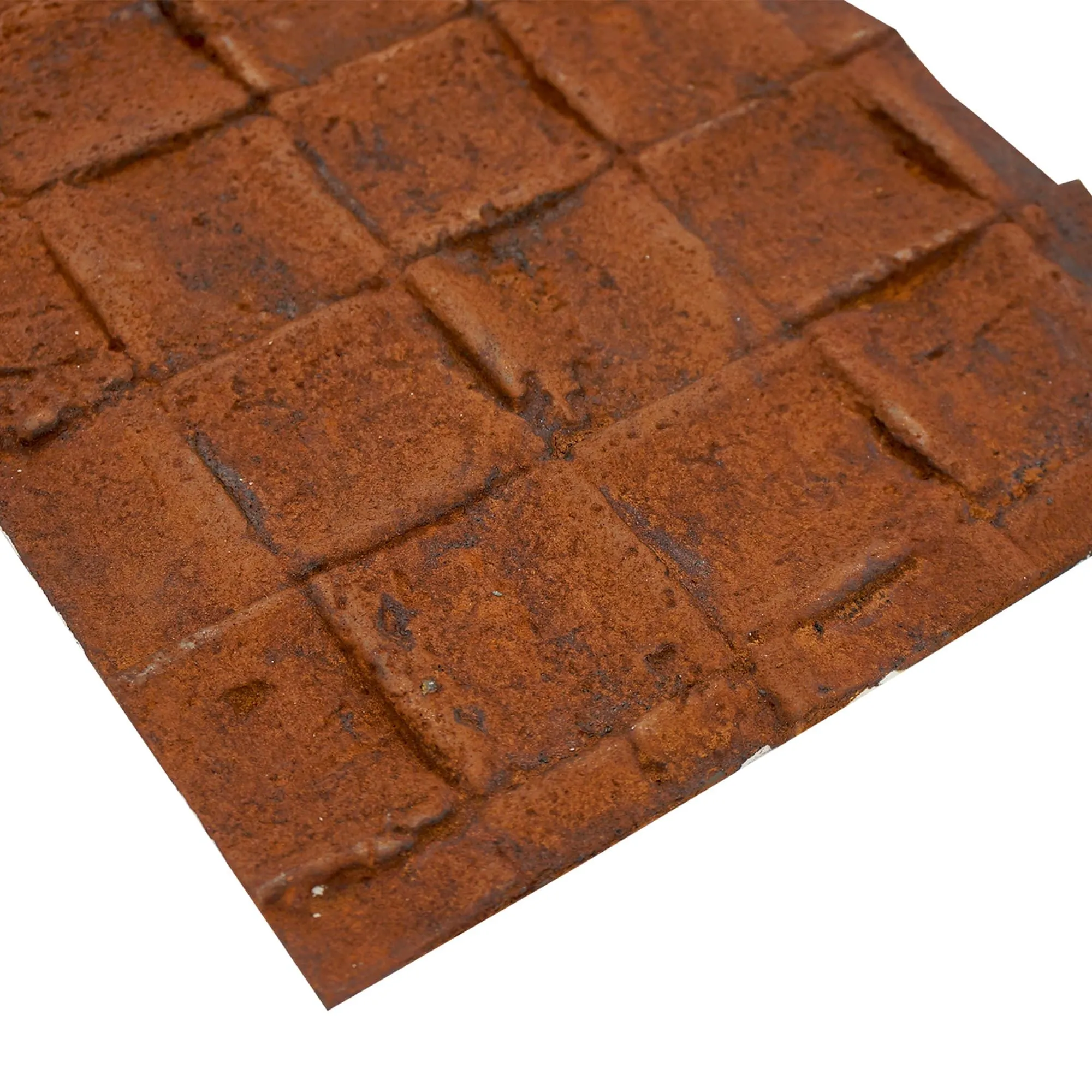
The versatility of Rust Mosaic Stone makes it suitable for numerous architectural and design scenarios:
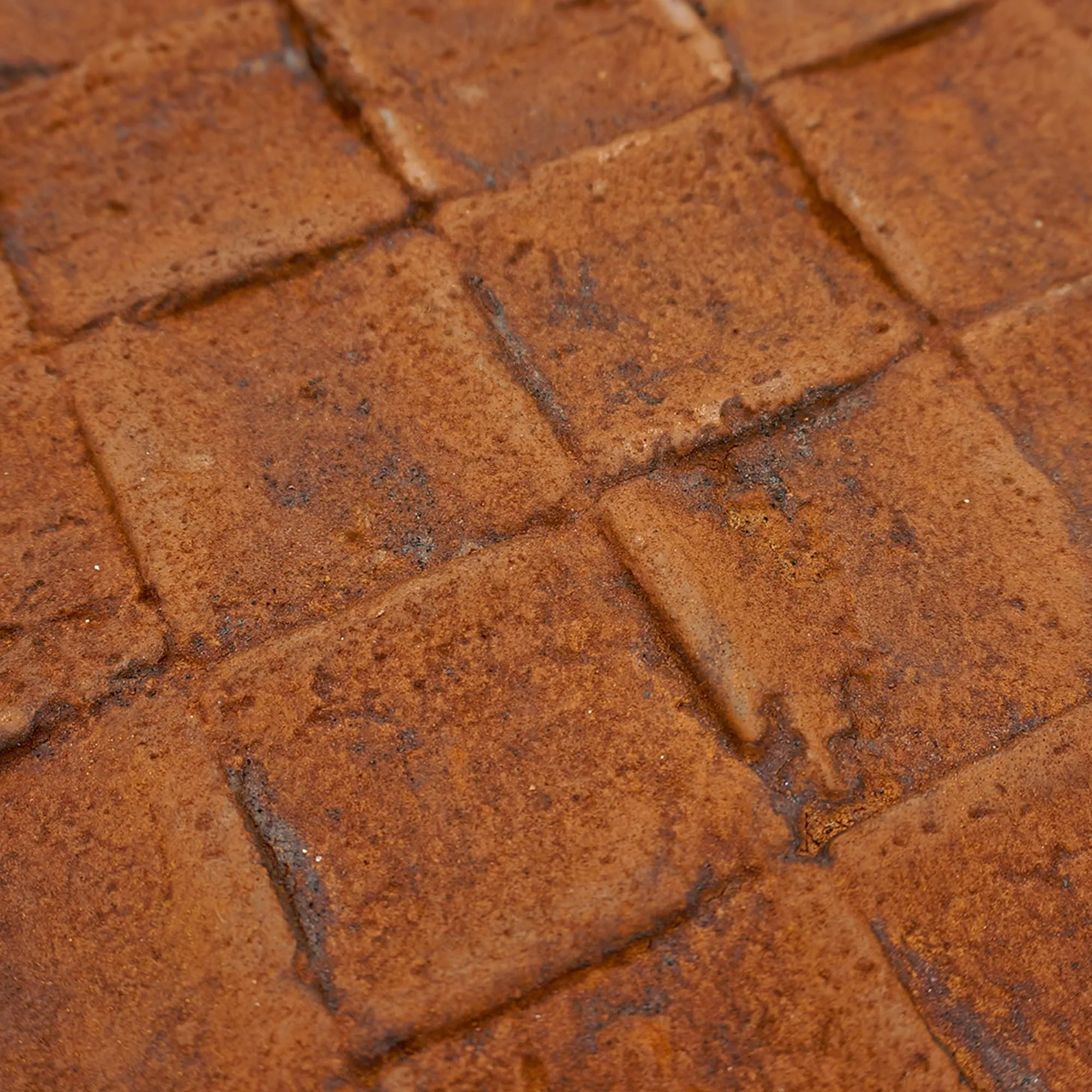
Finding reliable suppliers requires careful evaluation of several critical factors:
Reputable manufacturers utilize advanced MCM technology to produce flexible stone panels that maintain authentic appearance while offering superior performance characteristics. Look for suppliers who invest in research and development, hold relevant certifications, and can provide technical specifications for their products. Quality indicators include consistent color distribution, precise dimensional accuracy, and verified durability testing results.
Leading suppliers offer diverse product lines including different formats, sizes, and finish variations. The ability to customize colors, patterns, and dimensions ensures your specific project requirements can be met. Some manufacturers provide specialized series such as MCM Big Slab Board Series for large-scale applications, MCM Project Board Series for commercial installations, and MCM 3D Printing Series for contemporary design expressions.
Professional suppliers provide comprehensive technical documentation including installation guides, maintenance recommendations, and warranty information. They should offer consultation services to help architects and contractors select appropriate products for specific applications and environmental conditions.
For international projects, choose suppliers with proven export experience and established logistics networks. Companies serving global markets understand customs requirements, shipping regulations, and quality control procedures necessary for successful international transactions. Look for manufacturers with presence in key markets and references from completed international projects.
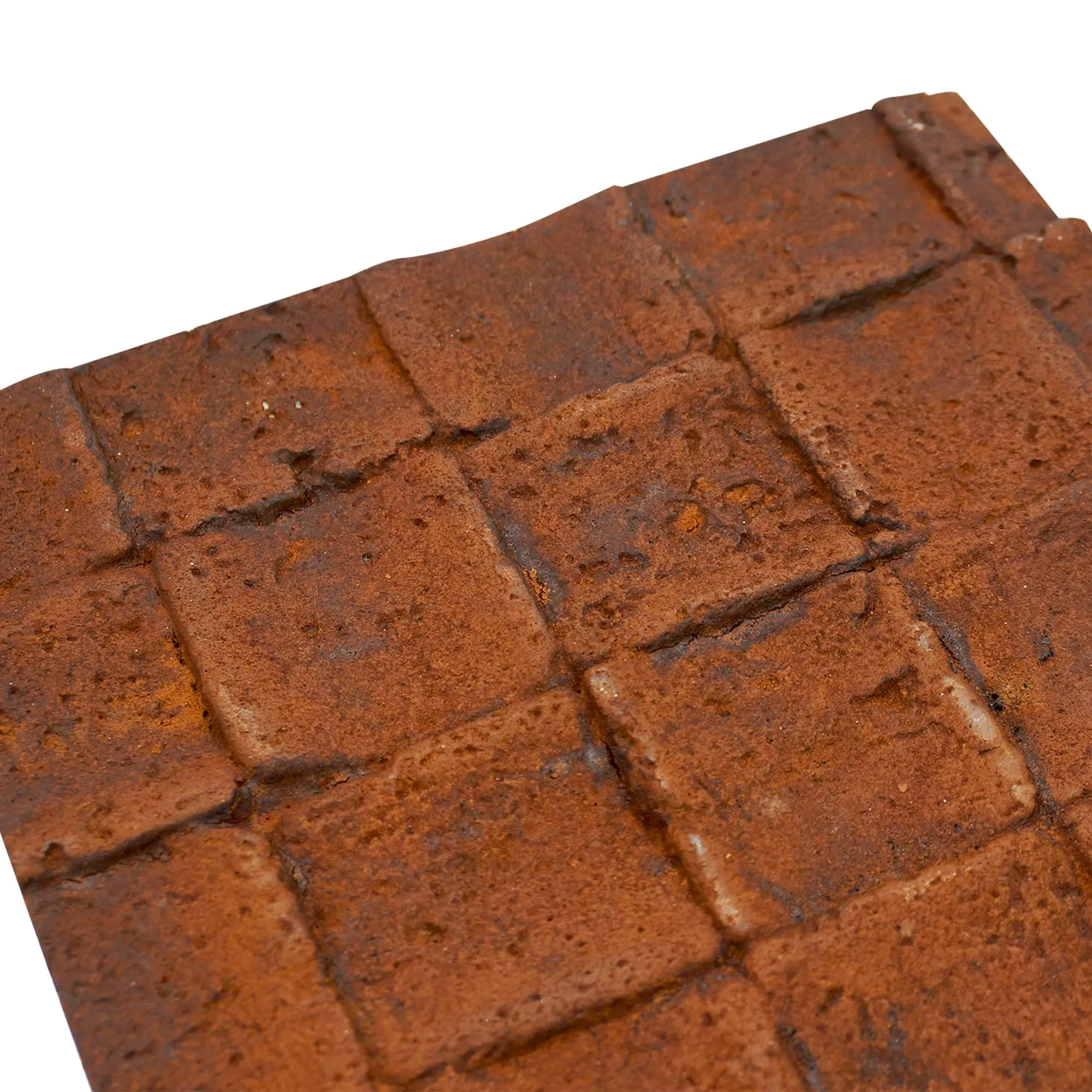
Modern MCM (Modified Clay Materials) technology has revolutionized the stone cladding industry by addressing traditional limitations while preserving aesthetic authenticity:
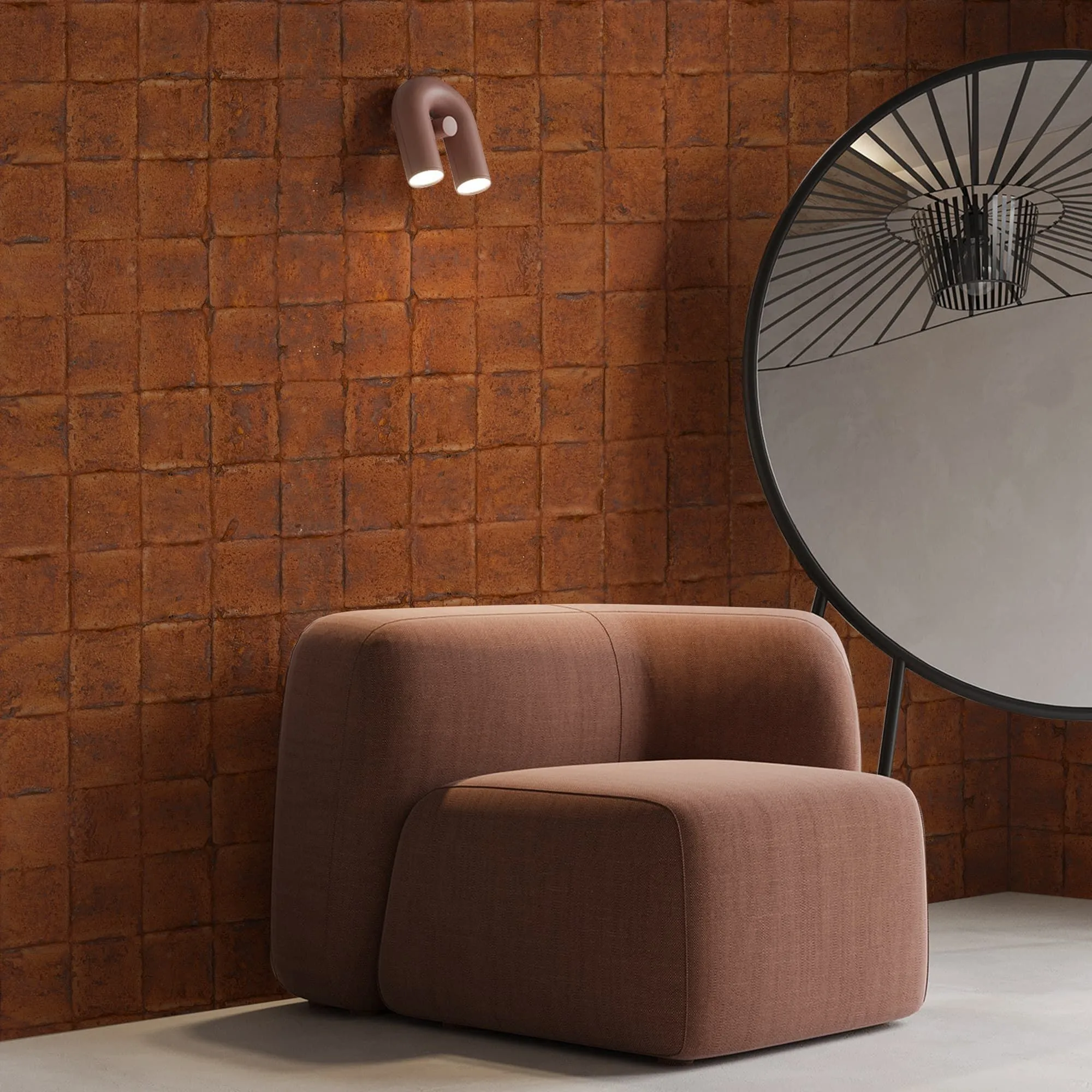
Selecting the appropriate supplier involves evaluating their ability to serve as a comprehensive building materials partner rather than simply a product vendor. Companies offering one-stop solutions can streamline procurement processes, provide integrated product selections, and offer valuable project consultation throughout the design and construction phases.
Consider suppliers with demonstrated expertise in both residential and commercial projects. Their experience across different project types provides valuable insights into application requirements, installation best practices, and performance expectations. Suppliers who invest in their teams through continuous training and development programs are better positioned to provide knowledgeable support and stay current with industry innovations.
For projects requiring international shipping or serving clients in multiple regions, choose suppliers with established global distribution networks and experience navigating international construction material markets. Their understanding of regional requirements, building codes, and logistics challenges can prevent costly delays and complications.
When ready to purchase Rust Mosaic Stone, request detailed quotations that include product specifications, pricing structures, minimum order quantities, lead times, and shipping options. Request samples to evaluate color accuracy, texture quality, and dimensional consistency before committing to large orders.
Verify that suppliers can provide adequate quantities for your project timeline and discuss contingency plans for potential additional requirements. Understand warranty coverage, after-sales support policies, and procedures for addressing any quality issues that might arise.
By carefully evaluating suppliers based on these criteria and conducting thorough due diligence, you can identify reliable partners who will contribute to the success of your building project. Quality Rust Mosaic Stone from reputable manufacturers transforms ordinary surfaces into extraordinary design statements, creating lasting value for property owners and memorable experiences for building occupants.
Recommend Products











