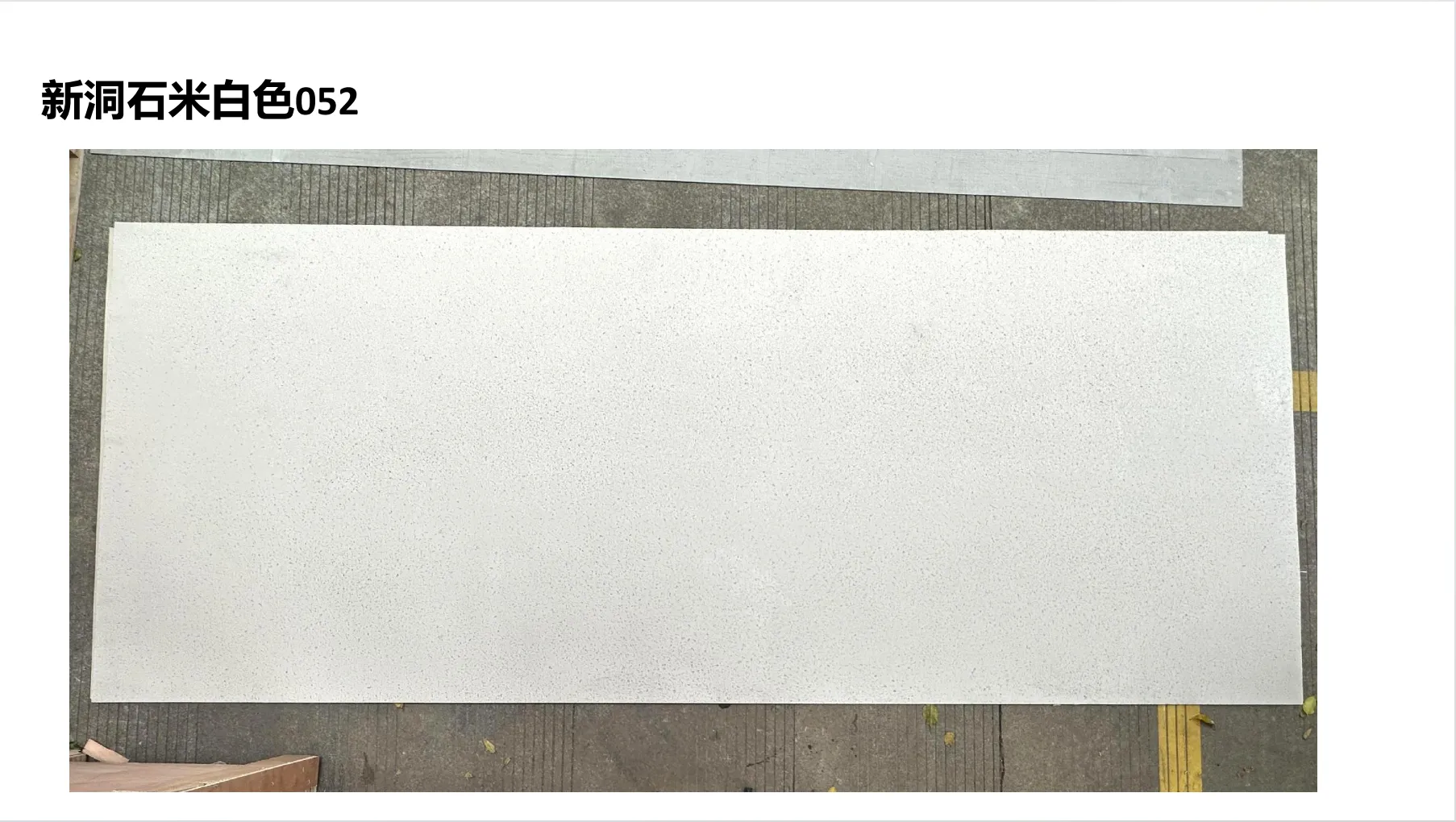
For high-rise projects, the benefits of White
Travertino Flexible Stone go far beyond aesthetics. Let's break it down:
1. Weight Reduction, Structural Freedom:
Every kilogram saved on the facade translates to reduced stress on the building's frame, foundations, and support systems. This not only cuts construction costs but also opens doors to more ambitious designs. Imagine adding an extra floor, or cantilevering a section of the building, simply because the cladding no longer weighs it down. White
Travertino makes that possible.
2. Installation That Keeps Up with Deadlines:
Traditional stone cladding requires cranes, heavy lifting equipment, and teams of workers to maneuver slabs into place. White
Travertino Flexible Stone, by contrast, is lightweight enough to be carried by two people and installed with basic tools. Panels can be cut on-site to fit irregular spaces, and they bond directly to substrates like concrete or metal with specialized adhesives. On the Azure Tower project, Marquez's team shaved three weeks off the cladding timeline—a critical advantage in a city where construction delays cost millions.
3. Durability That Stands the Test of Time:
Don't let the "flexible" label fool you—this is a tough material. White
Travertino is resistant to UV rays, rain, wind, and temperature fluctuations, ensuring it won't fade, crack, or erode over decades. Unlike natural
travertine, which is prone to staining, its polymer coating repels water and dirt, keeping facades looking fresh with minimal maintenance. For high-rises, where accessing exterior panels for repairs is costly and risky, this longevity is priceless.
4. Design Versatility: From Façades to Interiors:
White
Travertino isn't just for exteriors. Its warm white tone and subtle texture make it a star in lobbies, elevator banks, and even residential interiors. Imagine a high-rise apartment where the kitchen backsplash flows seamlessly into the living room wall, or a hotel lobby where the reception desk is clad in the same material as the building's exterior—creating a sense of continuity that ties the building together from street to sky.