
Redefining how we build—one lightweight innovation at a time
Picture this: A young architect stands in front of a blueprint, frustration creasing her brow. She's designed a stunning curved wall for a boutique hotel lobby, envisioning the warm, earthy texture of travertine to wrap around the space like a gentle embrace. But there's a problem—traditional travertine slabs weigh over 150 pounds per square meter. Her client's budget can't handle reinforcing the building's structure to support that weight, and the contractor warns that installation will require a small army of workers. "We'll have to scale back," the client says, and the curve flattens into a plain, boxy wall. Sound familiar? For decades, the beauty of natural stone and concrete has come with a heavy price—literally.
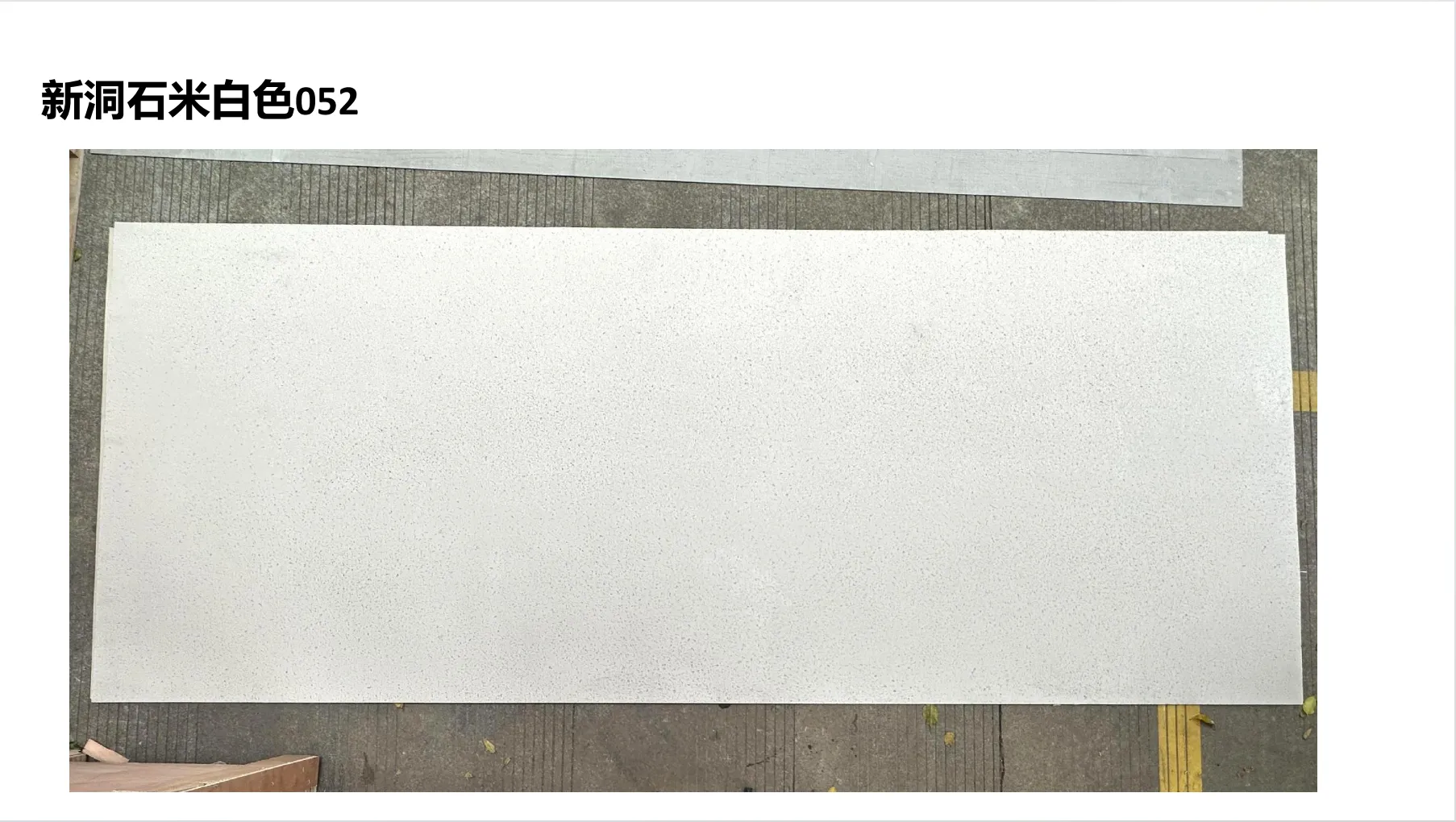
Enter White Travertino Flexible Stone , part of the innovative MCM (Modified Composite Material) project board series. It's not just a material; it's a quiet revolution in how we think about building. Lightweight yet surprisingly tough, it's the answer to that architect's prayer—and a game-changer for anyone who's ever wanted beauty without the bulk.
First, let's clear up a misconception: "flexible" doesn't mean flimsy. MCM flexible stone is engineered to mimic the look and feel of natural travertine—those subtle, sun-bleached veins, the soft matte finish, the organic pits and pores that tell a story of time—while ditching the weight. Unlike traditional travertine, which is quarried as solid slabs, White Travertino is crafted using advanced processes from the MCM 3D printing series, layering durable polymers with natural stone particles to create a sheet that's thin, lightweight, and yes, bendable.
Think of it like a high-tech sticker, but for buildings—only this sticker can withstand rain, wind, and the test of time. And when we say lightweight, we mean it: clocking in at just 3-5 kg per square meter, it's a fraction of the weight of traditional travertine (which can hit 25-30 kg/m²) or even Lunar Peak silvery, another popular stone in the MCM lineup, which weighs around 8-10 kg/m² for its sleek, metallic finish.
To put it in perspective, let's say you're cladding a 100-square-meter wall. With traditional marble, you'd be looking at hauling around 2,700 kg—about the weight of a small car. With White Travertino Flexible Stone? A mere 500 kg, which is roughly the weight of a grand piano. That difference isn't just about muscle; it's about structural sanity.
| Material | Weight (kg/m²) | Installation Requirement |
|---|---|---|
| Traditional Travertine | 25-30 | Heavy machinery, 4+ workers |
| White Travertino Flexible Stone | 3-5 | 2 workers, basic tools |
| Lunar Peak Golden | 8-10 | 3 workers, minimal machinery |
| Fair-Faced Concrete | 20-22 | Formwork, curing time |
This weight reduction translates to three big wins: lower transportation costs, faster installation, and—most importantly—less stress on a building's structure. Engineers often have to overdesign foundations or limit height when using heavy materials, but with MCM flexible stone, suddenly that 10-story boutique hotel with a curved travertine facade isn't just a dream. It's a feasible, budget-friendly reality.
Lightweight doesn't mean cutting corners on performance. White Travertino Flexible Stone is built to last, with resistance to UV rays, moisture, and even fire—thanks to the MCM series' focus on durability. But where it truly shines is in structural efficiency: the way it transforms how buildings are designed, built, and experienced.
Imagine (oops, scratch that—let's consider ) a museum wing designed to curve like a wave, its walls rippling with the texture of travertine. With traditional stone, that curve would require custom-cut slabs, heavy steel supports, and a fortune in labor. With White Travertino, the material bends to the architect's vision, wrapping around curves with minimal effort. It's why the MCM 3D printing series is a favorite among designers: it marries the organic beauty of natural stone with the precision of modern technology.
Heavy materials don't just cost more to transport and install—they also demand stronger foundations, thicker walls, and more structural reinforcement. Over the life of a building, those costs add up. White Travertino slashes those expenses: lighter foundations mean lower concrete and steel usage, faster installation cuts labor days, and reduced structural load extends the building's lifespan. It's an investment that pays off from groundbreaking to grand opening.
White Travertino rarely works alone—and that's a good thing. It plays well with others, complementing materials like foamed aluminium alloy board (vintage silver) for a modern, industrial edge, or fair-faced concrete for a raw, tactile contrast. Imagine a restaurant interior where White Travertino walls meet Lunar Peak black accents, the warm stone softening the cool metal, creating a space that feels both grounded and contemporary.
Even better, these pairings don't sacrifice efficiency. Foamed aluminium alloy boards, part of the MCM family, are similarly lightweight (around 4-6 kg/m²), making them ideal partners for White Travertino in high-rise applications or spaces where every kilogram counts. Together, they prove that beauty and practicality don't have to be rivals—they can be collaborators.
Let's walk through a small-scale example: a homeowner wants to renovate their outdoor patio, replacing a cracked concrete slab with something warmer and more inviting. They love the look of travertine but worry about the weight—their deck isn't designed to support heavy stone. Enter White Travertino Flexible Stone.
Two workers arrive with lightweight sheets of White Travertino, cutting them to size on-site with basic tools. Within a day, the patio is transformed: the stone's creamy texture and subtle veining make the space feel like a Mediterranean courtyard, while the lightweight backing ensures the deck remains structurally sound. To add contrast, they accent the edges with foamed aluminium alloy board (vintage gold), its metallic sheen catching the afternoon sun. Total cost? Less than half of traditional travertine, with zero stress about structural damage. The homeowner gains a beautiful, durable outdoor space—and peace of mind.
It's a fair question: can something so lightweight really stand up to the elements? The answer is a resounding yes. MCM flexible stone is tested rigorously, enduring freeze-thaw cycles, heavy rain, and even extreme heat without fading, cracking, or warping. Unlike natural travertine, which can absorb water and stain, White Travertino's protective coating repels liquids, making maintenance a breeze—just a quick wipe with a damp cloth.
Sustainability is another plus. The MCM production process uses less water and energy than traditional stone quarrying, and the lightweight nature reduces carbon emissions during transportation. It's a material that looks good and does good—a rare win-win in construction.
White Travertino Flexible Stone isn't just a product—it's a glimpse into the future of construction. As cities grow taller and design ambitions soar, the need for materials that balance beauty, strength, and weight has never been greater. The MCM project board series, with innovations like White Travertino, is leading that charge, proving that we don't have to choose between what looks good and what works well.
So the next time you walk into a building and marvel at its stunning stone walls, take a moment to wonder: is it heavy, or is it MCM? Chances are, it's the latter—quietly revolutionizing construction, one lightweight, beautiful sheet at a time.
Recommend Products












