
Buildings are more than just structures—they're storytellers. From the rough-hewn charm of masonry stone that whispers of ancient craftsmanship to the sleek minimalism of modern materials, a facade speaks volumes about a space's identity. Today, a new chapter is being written in this narrative: White Travertino MCM 3D Printing. Blending the timeless elegance of travertine with cutting-edge technology, it's redefining how we think about texture, pattern, and personality in architecture. Let's dive into how this innovation is transforming facades, one custom design at a time.
For centuries, masonry stone was the backbone of facade design. Quarried, cut, and stacked by hand, it exuded durability and warmth, but its rigidity limited creativity. Builders were confined to the shapes nature provided, and customization meant painstaking labor. Then came industrialization: materials like brick, concrete, and metal took center stage, prioritizing efficiency over artistry. Fair-faced concrete , with its raw, unpolished finish, became a symbol of modernism—but even it lacked the organic variability that makes stone so captivating.
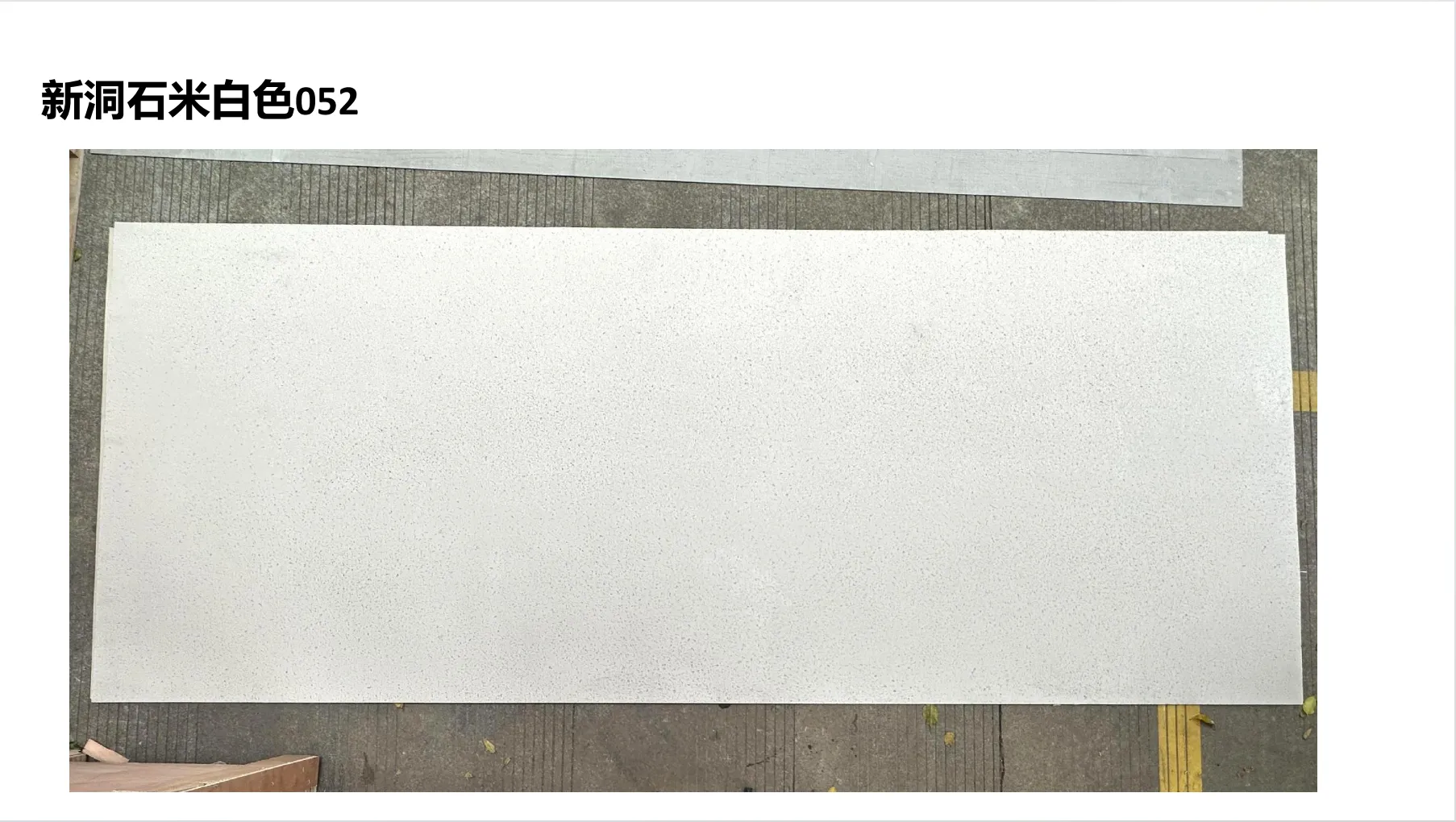
Enter 3D printing. Suddenly, the constraints of traditional manufacturing melted away. Now, designers could craft textures that mimic the chaos of a mountain range or the delicacy of a spider's web. White Travertino MCM (Modified Composite Material) takes this a step further. It's not just about printing shapes—it's about capturing the essence of natural stone, like the iridescent flecks in travertine (starry green) or the smooth, moonlit glow of lunar peak silvery , but with the flexibility to adapt to any vision.
At its core, White Travertino MCM is a lightweight, high-performance composite. Unlike natural travertine, which can be heavy and prone to cracking, MCM combines mineral aggregates with polymer binders, creating a material that's 70% lighter than traditional stone but just as durable. This lightness isn't just practical for installation—it opens doors for architects to experiment with bold, overhanging designs or intricate latticework that would be impossible with heavier materials.
But the real magic is in the 3D printing process. Using precision extrusion technology, layers of MCM are deposited to build up textures with microscopic detail. Want a facade that shimmers like lunar peak silvery under sunlight? The printer can replicate the subtle metallic sheen of moon dust. Craving the deep, starry veining of travertine (starry green) ? It can embed tiny, iridescent particles in a matrix of creamy white, mimicking the way minerals crystallize in natural stone. And because it's digital, every panel can be unique—no two facades have to look the same.
| Feature | Traditional Travertine | White Travertino MCM 3D Printing | Fair-Faced Concrete |
|---|---|---|---|
| Weight (per sq.m) | 45-60kg | 12-18kg | 25-35kg |
| Custom Texture Options | Limited (natural veining only) | Unlimited (3D printed patterns) | None (uniform finish) |
| Installation Time | 3-4 days/100 sq.m | 1-2 days/100 sq.m | 2-3 days/100 sq.m |
| Weather Resistance | Good (prone to staining) | Excellent (stain & UV resistant) | Good (may crack over time) |
The beauty of White Travertino MCM 3D Printing lies in its versatility. Designers aren't just choosing a color—they're sculpting an experience. Take, for example, a boutique hotel in Bali aiming to evoke the island's lush landscapes. By 3D printing panels with the swirled, emerald patterns of travertine (starry green) , the facade becomes a reflection of the surrounding rice terraces, inviting guests into a world of tranquility.
Or consider a tech company headquarters wanting to project innovation. Here, lunar peak silvery textures could take center stage—smooth, cool, and subtly reflective, like the surface of the moon. The printer can etch fine lines that catch light at different angles, creating a dynamic facade that shifts with the sun. For a more industrial edge, designers might blend in foamed aluminium alloy board (vintage silver) , its matte metallic finish complementing the travertine's organic warmth.
Even historical buildings can benefit. Imagine restoring a 19th-century town hall: instead of sourcing rare, weathered masonry stone that's hard to match, 3D printing allows for exact replicas of the original texture, preserving the building's heritage while ensuring structural integrity. It's a bridge between past and present, honoring tradition without being bound by it.
Great facades aren't just about one material—they're about balance. White Travertino MCM plays well with others, creating visual interest through contrast and harmony. Pair it with fair-faced concrete , for instance: the travertine's soft, textured patterns soften the concrete's cold, industrial edge, resulting in a facade that feels both modern and inviting. In a residential project, this combination might wrap around a home's exterior, with concrete forming the base and travertine panels climbing up the walls, like a natural stone cliff emerging from solid ground.
Foamed aluminium alloy board (vintage silver) adds another layer of possibility. Its lightweight, malleable nature makes it ideal for accent pieces—think geometric cutouts or curved panels that frame the travertine. In a commercial space, this could mean a storefront where silver aluminium "waves" cradle starry green travertine, drawing the eye and creating a sense of movement. The contrast of warm stone and cool metal is timeless, yet the 3D-printed textures keep it fresh and unexpected.
In an era where sustainability matters more than ever, White Travertino MCM delivers. Traditional stone quarrying is resource-intensive, requiring heavy machinery and leaving behind scars on the landscape. MCM, by contrast, uses recycled mineral aggregates and low-VOC binders, reducing its carbon footprint. Its lightweight design also cuts down on transportation emissions—trucks can carry more panels per trip, and installation requires less labor and equipment, further lowering environmental impact.
Durability is another eco-friendly win. White Travertino MCM resists fading, staining, and weathering, meaning facades stay beautiful for decades with minimal maintenance. No need for harsh chemical cleaners or frequent replacements—just a simple wash now and then to keep the textures looking crisp. When the time does come for renovation, the panels are recyclable, closing the loop on sustainability.
White Travertino MCM 3D Printing isn't just a trend—it's a glimpse into the future of architecture. As 3D printing technology advances, we'll see even more possibilities: larger panels, more complex textures, and integration with smart materials that respond to their environment. Imagine travertine-like panels that change color with temperature, or textures that absorb sound, turning noisy urban facades into quiet sanctuaries.
But at its heart, this innovation is about something simpler: giving architects and designers the freedom to dream. No longer limited by what's possible with traditional materials, they can create facades that reflect a building's purpose, its surroundings, and even the people who use it. Whether it's a school with lunar peak silvery textures to inspire curiosity, a hospital with warm travertine to soothe patients, or a museum with starry green patterns that evoke wonder, White Travertino MCM 3D Printing is helping buildings become more than structures—they're becoming works of art.
From the rough charm of masonry stone to the precision of 3D-printed textures, facade design has come a long way. White Travertino MCM 3D Printing stands at the intersection of tradition and innovation, honoring the beauty of natural materials while unlocking endless creative potential. It's lightweight, sustainable, and infinitely customizable—qualities that make it perfect for the buildings of tomorrow.
So the next time you pass a building with a facade that makes you stop and stare, take a closer look. Maybe it's the starry glow of travertine (starry green) , the moonlit sheen of lunar peak silvery , or the sleek contrast of foamed aluminium alloy board (vintage silver) . Whatever it is, chances are it's not just stone or metal—it's a story, told through texture, pattern, and the endless possibilities of 3D printing. And that's the future of architecture: buildings that don't just exist, but speak .
Recommend Products












