Walk through Riyadh's skyline today, and you'll notice something different. The gleaming towers and sprawling commercial hubs aren't just reaching for the clouds—they're reaching for a greener future. Saudi Arabia's construction boom, fueled by Vision 2030, isn't just about building bigger; it's about building smarter. Enter White
Travertino MCM, a material that's quietly revolutionizing how architects and developers balance luxury, durability, and sustainability. But it's not alone. A suite of innovative MCM products, from flexible stone to foamed aluminium alloys, is reshaping the kingdom's built environment—one wall, one facade, one sustainable choice at a time.
What is MCM, Anyway? The Unsung Hero of Modern Construction
MCM, or Modified Composite Material, is the underdog of modern construction. Born from the need to reduce reliance on heavy, resource-intensive materials like natural stone and concrete, MCM blends polymers, minerals, and recycled components into thin, lightweight panels that mimic the look and feel of traditional materials—without the environmental footprint. Think of it as nature's beauty, reimagined with cutting-edge science. Unlike quarrying natural
travertine, which can strip landscapes and generate tons of waste, MCM production uses minimal water and recycles up to 30% of its raw materials. For Saudi Arabia, where preserving the desert ecosystem is as crucial as building its cities, that's a difference worth celebrating.
Why does this matter?
Every year, traditional construction in Saudi Arabia emits millions of tons of CO2—from quarrying stone to transporting heavy materials. MCM slashes that footprint by up to 50%: its lightweight design cuts fuel use during transport, and its low-energy production process reduces factory emissions. For developers chasing LEED or Estidama certifications, MCM isn't just a choice—it's a shortcut to sustainability.
White Travertino MCM: Where Luxury Meets Responsibility
Let's talk about the star of the show: White
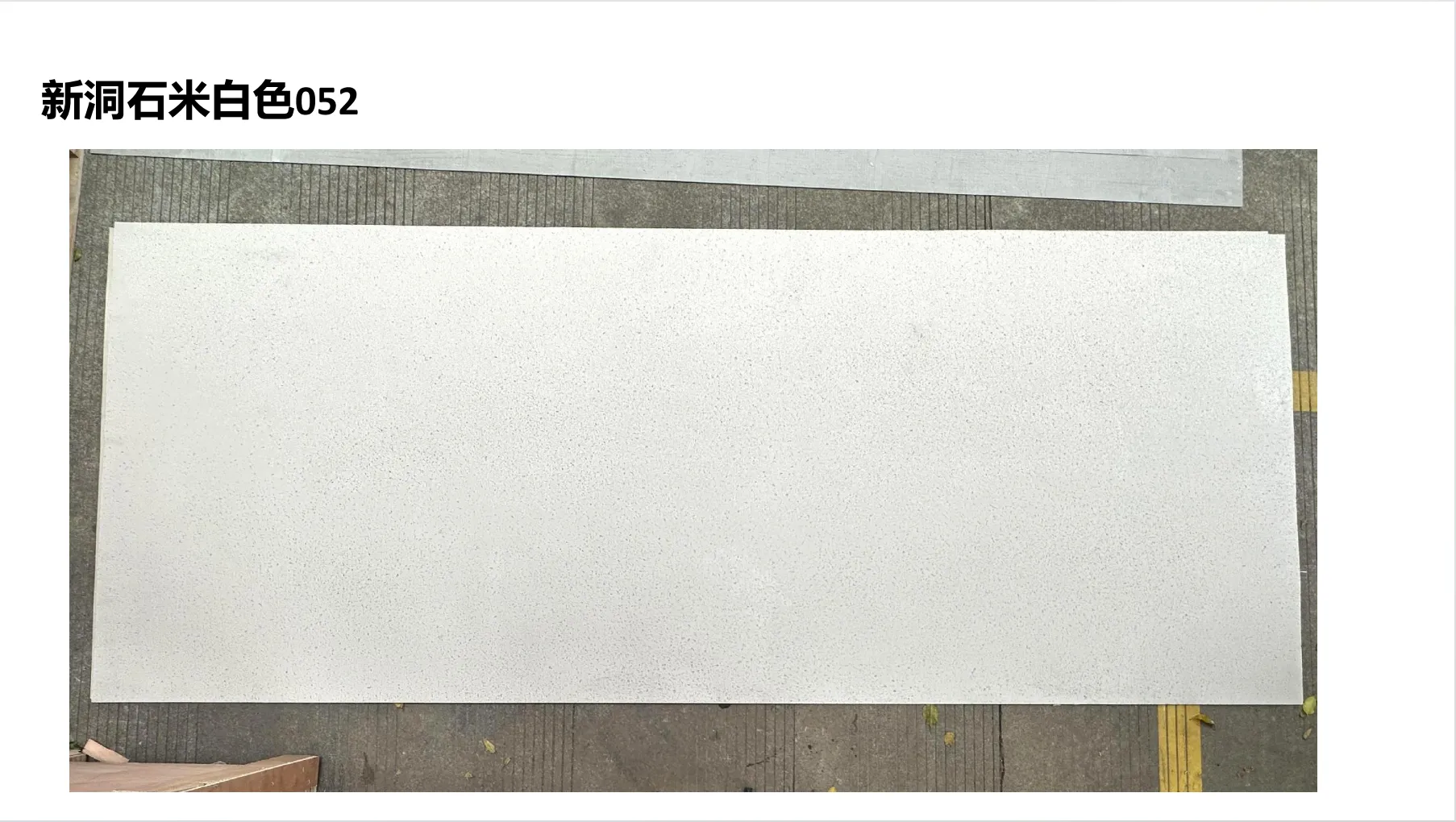
Travertino MCM. Close your eyes and picture a sunlit lobby in Jeddah. The walls are clad in soft, ivory-toned panels that catch the light, revealing subtle veining and tiny, natural-looking pores—just like the
travertine quarried in Italy's Tivoli region. Now open your eyes: that "stone" is actually MCM, and it weighs less than a tenth of the real thing. Run your hand over it, and you'll be shocked. It's cool to the touch, with a texture that feels organic, not synthetic. Architects love it because it doesn't just
look
like natural
travertine—it
feels
like it, too.
But White
Travertino MCM's magic isn't just skin-deep. At 4-6mm thick, it's thin enough to flex around curves (hello, futuristic facades!) but tough enough to withstand Saudi Arabia's brutal summers, where temperatures soar above 50°C, and sandstorms whip at buildings like angry ghosts. Unlike natural stone, which can crack under thermal expansion, White
Travertino MCM stays stable—no warping, no fading, no need for costly repairs. And because it's lightweight, installing it is a breeze: crews can cover more ground in a day, reducing labor costs and project timelines. For a kingdom racing to meet Vision 2030 deadlines, time is money—and White
Travertino MCM saves both.
Beyond White Travertino: A Palette of Sustainable Choices
White
Travertino MCM may be the headline act, but it's part of a larger ensemble. Let's meet the supporting cast—materials that are turning Saudi buildings into showcases of eco-friendly innovation:
MCM Flexible Stone:
Imagine designing a curved wall in a Riyadh art gallery, one that flows like desert sand. Traditional stone would require custom cutting, heavy machinery, and a mountain of waste.
MCM flexible stone? It bends. Literally. This thin, pliable panel bends up to 90 degrees without cracking, letting architects dream bigger. It's perfect for accent walls, niche spaces, or even furniture—all while keeping the same low environmental impact as White
Travertino.
Foamed Aluminium Alloy Board (Vintage Silver):
For a touch of industrial chic with a sustainable twist, look no further. This lightweight panel mimics aged silver metal, adding a sleek, modern edge to facades or interior ceilings. But here's the kicker: it's 70% lighter than solid aluminium, reducing structural load and transportation emissions. In Riyadh's King Abdullah Financial District, developers paired it with White
Travertino MCM for a facade that shimmers by day and glows by night—proving sustainability doesn't mean sacrificing style.
Lunar Peak Silvery:
If the desert sky had a texture, it might look like
Lunar Peak Silvery. This MCM panel shimmers with a metallic finish, evoking moonlight on sand dunes. It's fade-resistant, scratch-proof, and perfect for outdoor cladding—even in Saudi Arabia's harsh UV rays. When paired with White
Travertino, it creates a contrast that's both timeless and futuristic, like a dialogue between tradition and innovation.
Travertine (Starry Green):
For projects craving a pop of color, Starry Green
Travertino MCM delivers. Deep, earthy green with flecks of metallic "stars," it adds warmth to commercial spaces or residential exteriors. Like its white cousin, it's lightweight, durable, and eco-friendly—proving sustainability can be as vibrant as it is responsible.
The Numbers Speak: Why MCM Beats Traditional Materials
Don't just take our word for it. Let's stack MCM against traditional building materials to see how it measures up—for the planet, your budget, and your peace of mind:
|
Material
|
Sustainability (Carbon Footprint)
|
Durability (Lifespan)
|
Installation Time
|
Aesthetic Versatility
|
|
Natural Travertine
|
High (quarrying + heavy transport)
|
50-70 years (prone to cracking/fading)
|
Slow (requires heavy machinery)
|
Limited (fixed color/pattern)
|
|
White Travertino MCM
|
Low (recycled materials + lightweight transport)
|
80+ years (UV/heat resistant)
|
Fast (lightweight, easy to handle)
|
High (custom colors/finishes)
|
|
Fair-Faced Concrete
|
High (cement production = high CO2)
|
60-80 years (prone to staining)
|
Slow (requires curing time)
|
Low (monochromatic, industrial look)
|
|
Foamed Aluminium Alloy Board (Vintage Silver)
|
Low (recycled aluminium + low energy production)
|
100+ years (corrosion-resistant)
|
Fast (lightweight, interlocking design)
|
High (metallic finishes, custom sizes)
|
Building the Future: MCM in Saudi Arabia's Vision 2030
Let's get concrete—literally. Take the hypothetical "Green Horizon Tower" in Riyadh, a 30-story mixed-use development set to open in 2026. Its architects wanted a facade that reflected Saudi Arabia's heritage while embracing modernity. The solution? White
Travertino MCM for the main panels, accented with
Lunar Peak Silvery and Foamed Aluminium Alloy (Vintage Silver). The result? A building that looks like it's been carved from desert stone, but was built in half the time of traditional materials. During construction, the team reported a 40% reduction in transport emissions (thanks to MCM's lightweight design) and a 25% cut in labor costs (thanks to faster installation). And because MCM is low-maintenance, the tower's owners will save millions on repairs over its lifetime. It's a win-win-win: for the planet, the budget, and the skyline.
Or consider the "Heritage Mall" in Al-Ula, a cultural retail center designed to blend with the ancient city's rock formations. Developers chose
Travertine (Starry Green) MCM for its earthy tones, pairing it with White
Travertino to mimic the region's natural stone. The panels were installed in weeks, not months, allowing the mall to open ahead of schedule—just in time for the annual Winter at Tantora festival. Today, visitors marvel at how the building seems to rise from the desert, unaware that its "natural" beauty is actually a feat of sustainable engineering.
Why MCM is More Than a Trend—It's the Future
Saudi Arabia's construction industry isn't just growing—it's evolving. Vision 2030 demands buildings that are not just iconic, but responsible. MCM, led by White
Travertino, delivers on both fronts. It's a material that understands the kingdom's dual goals: to honor its past and build a future where progress and sustainability go hand in hand.
So the next time you pass a building wrapped in the soft glow of White
Travertino MCM, or catch a glimpse of Starry Green panels shimmering in the sun, remember: you're not just looking at a facade. You're looking at a promise. A promise that Saudi Arabia's skyline can be both breathtaking and kind to the planet. And in a world that needs more of both, that's a promise worth keeping.