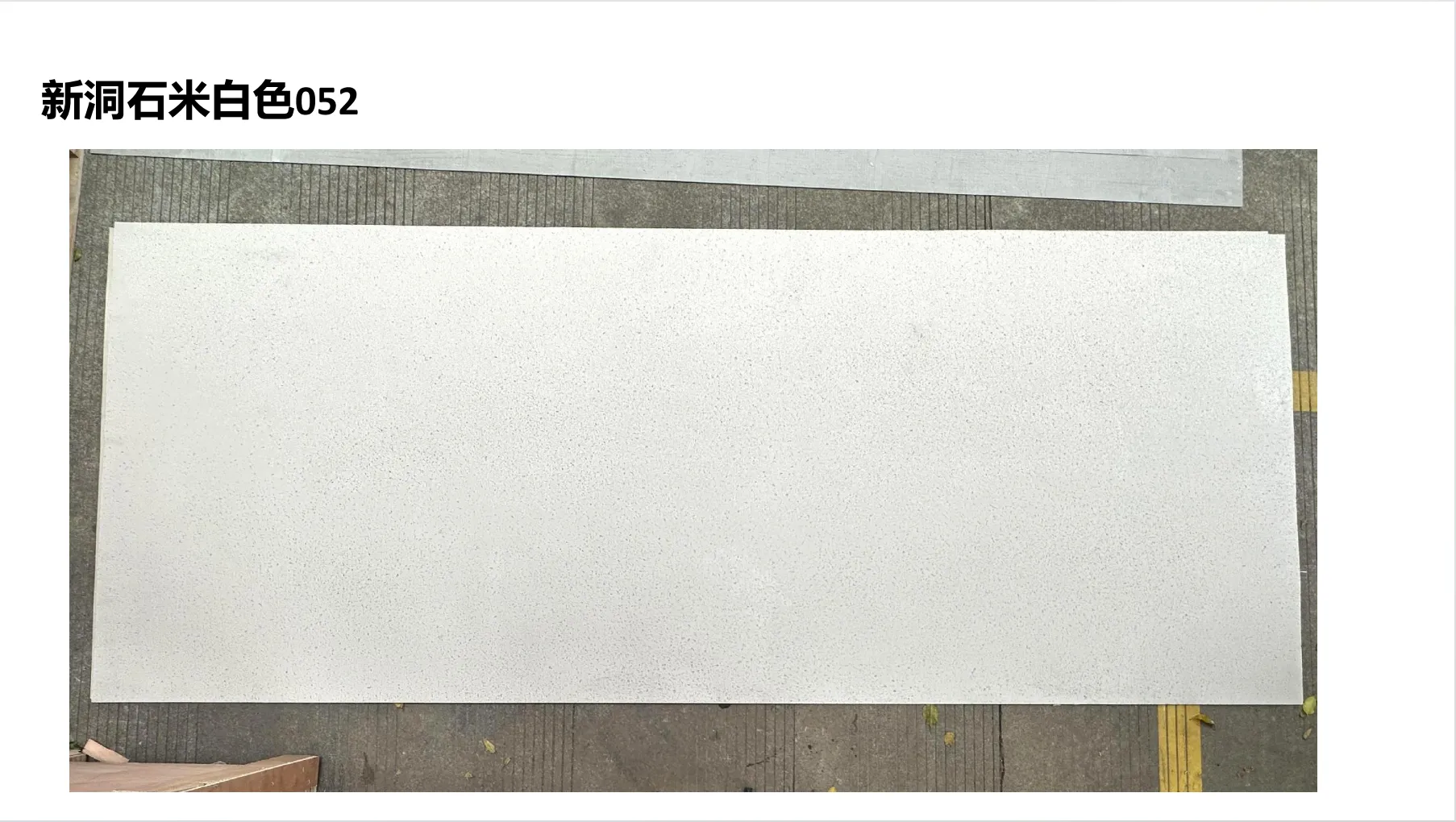
There's a quiet magic in the way light dances across a White Travertino MCM surface. Whether it's the countertop in your kitchen where you sip morning coffee, the backsplash that frames your stove, or the flooring that leads guests through your home, this material has a way of turning ordinary spaces into something extraordinary. Its soft, creamy tones with subtle veining feel both timeless and modern, like a nod to ancient stonework reimagined for today's living. But owning something this beautiful comes with a question we've all asked:
How do I keep it looking this good?
The answer isn't about endless scrubbing or expensive products—it's about understanding your White Travertino MCM, respecting its needs, and building small habits that protect its beauty for years to come.
What Makes White Travertino MCM Special?
Before we dive into maintenance, let's talk about why this material deserves a little extra care. White Travertino MCM isn't just any stone—it's a modified composite material (MCM) that blends the natural elegance of travertine with modern engineering. Unlike traditional travertine, which can be porous and heavy, MCM technology makes it lightweight, flexible, and more resistant to cracks and chips. It's why designers love using it for everything from wall cladding to outdoor patios; it's durable enough to handle daily life but delicate enough to feel organic and alive.
Think of it like a well-tailored suit: it looks effortless, but that's because it's crafted with precision. The surface has tiny pores that give it that signature texture, but those pores also mean it can absorb liquids if left unattended. And while it's stronger than materials like wood grain board or even some marbles, it's not invincible. Scratches, stains, and dullness can sneak in if we're not careful. The good news? With the right care, your White Travertino MCM can stay as radiant as the day it was installed—no magic required, just a little attention.
"I remember the first time I saw White Travertino MCM in a friend's home," says Maria, a interior designer in Chicago. "Her kitchen had it on the countertops and backsplash, and I kept running my hand over it—it felt so warm, like a piece of history you could touch. A year later, I visited again, and it looked
exactly
the same. When I asked her secret, she laughed and said, 'I treat it like I'd treat a good book—with respect.' Turns out, she wipes spills right away, uses a gentle cleaner, and seals it once a year. No fancy gadgets, just consistency. That's when I realized: great maintenance isn't about perfection. It's about showing up, even in small ways."
Daily Habits That Keep Your Surfaces Gleaming
Maintenance starts with the moments we often overlook—the quick wipe after breakfast, the coaster under a glass, the decision to use a cutting board instead of chopping directly on the counter. These small acts add up to big results, and they're easier than you might think.
Start with the Basics: Wipe, Don't Wait
Spills happen. Coffee dribbles, wine splashes, oil splatters—life is messy, and that's okay. The key is to act fast. White Travertino MCM's pores can absorb liquids within minutes, especially acidic ones like lemon juice or vinegar (yes, even the "natural" cleaners!). Grab a soft, damp microfiber cloth and blot the spill—don't rub, which can spread it. For sticky messes (like syrup or honey), add a drop of mild dish soap to the cloth, wipe gently, then rinse with a clean damp cloth and dry immediately. This one habit alone will prevent 90% of stains.
Choose Your Tools Wisely
Not all cleaning tools are created equal, and using the wrong ones can do more harm than good. Skip the scouring pads, steel wool, or abrasive sponges—they'll scratch the surface and dull the finish over time. Instead, opt for soft microfiber cloths (they trap dirt without scratching) or a natural bristle brush for tough spots. When it comes to cleaners, stick to pH-neutral, non-abrasive formulas. Avoid anything with vinegar, bleach, ammonia, or citrus, which can etch the stone or discolor it. A simple mix of warm water and a few drops of mild dish soap works for daily cleaning; for something stronger, look for cleaners specifically labeled "safe for travertine" or "pH-neutral."
The "No-Go" List: What to Keep Away
Some things just don't mix with White Travertino MCM. Keep these far from your surfaces:
-
Acidic cleaners (vinegar, lemon, lime-based products)
-
Abrasive powders (baking soda, comet)
-
Oil-based soaps (they leave a greasy residue)
-
Sharp objects (knives, keys) dragged across the surface
-
Hot pans placed directly on the stone (always use a trivet)
Pro Tip:
Keep a small caddy under your sink with your go-to tools: microfiber cloths, pH-neutral cleaner, and a soft brush. Having everything handy makes it easier to clean up spills right away—no more "I'll get to it later" excuses!
Deep Cleaning: When Your Travertino Needs a Little Extra Love
Daily wiping keeps the surface clean, but every few months, your White Travertino MCM will benefit from a deeper clean. Think of it like giving your material a spa day—removing the buildup of oils, dust, and grime that daily cleaning might miss. How often? It depends on use: kitchen countertops (where spills are frequent) might need deep cleaning every 2–3 months, while a bathroom backsplash could wait 4–6 months. Here's how to do it right:
-
Clear the surface:
Remove all items—dishes, appliances, decor—and sweep or vacuum away crumbs and dust. This prevents scratching during cleaning.
-
Mix your cleaner:
In a bucket, combine warm water with a pH-neutral stone cleaner (follow the product's instructions for dilution). Avoid over-sudsing, as soap residue can dull the surface.
-
Gently scrub:
Dip a soft natural bristle brush (or a microfiber mop for floors) into the solution and scrub in small, circular motions. Focus on areas with visible buildup, like around the faucet or near the stove.
-
Rinse thoroughly:
Use a clean mop or cloth dampened with plain water to rinse away the cleaner. Any leftover soap can attract dirt later, so don't skip this step!
-
Dry completely:
Wipe the surface with a dry microfiber cloth to prevent water spots. For floors, open windows or turn on a fan to speed up drying.
After deep cleaning, take a step back and admire—you'll notice the difference immediately. The surface will feel smoother, the colors brighter, like it's breathing again. This is also a good time to check for any small scratches or stains you might have missed, so you can address them before they get worse.
Stain Removal: Tackling the Toughest Culprits
Even with the best intentions, stains happen. Maybe you forgot the coaster under a red wine glass, or a pan of tomato sauce boiled over and you didn't notice until it was too late. The key is to stay calm and treat the stain as soon as possible. Different stains need different approaches, so let's break down the most common ones and how to fight back.
Organic Stains (Coffee, Wine, Juice, Food)
These are the most common, and they're usually water-based. Start by blotting up as much of the spill as possible with a dry cloth. Then, mix a paste of baking soda and water (about 3 parts baking soda to 1 part water) and spread it over the stain, making sure it's thick enough to cover the area. Cover the paste with plastic wrap and let it sit overnight—this gives the baking soda time to draw out the stain. In the morning, remove the plastic, wipe away the paste with a damp cloth, and dry the area. If the stain is still there, repeat the process. For stubborn stains, add a drop of hydrogen peroxide to the paste (test it on an inconspicuous area first to ensure it doesn't lighten the stone).
Oil-Based Stains (Grease, Cooking Oil, Makeup)
Oil stains are trickier because they repel water. Blot the area first with a paper towel to absorb excess oil (don't rub!). Then, sprinkle cornstarch or talcum powder over the stain and let it sit for 15–20 minutes—the powder will absorb the oil. Brush away the powder, then apply a small amount of dish soap (the mild, clear kind, not antibacterial) to a damp cloth and gently rub the stain in a circular motion. Rinse with a clean damp cloth and dry. If the stain lingers, try a commercial stone stain remover labeled "oil-safe" (avoid anything with harsh chemicals like bleach).
Hard Water Stains (Rings from Glasses, Soap Scum)
These appear as white, cloudy spots, often in bathrooms or around faucets. Mix equal parts water and white vinegar (yes, vinegar—
but only for hard water stains
, and only in small amounts!). Dip a cloth in the solution, apply it to the stain, and let it sit for 5 minutes. Wipe away with a damp cloth, then dry. Vinegar is acidic, so don't leave it on too long, and always rinse thoroughly. For tough spots, use a soft toothbrush to gently scrub the solution into the stain.
"Last year, I hosted a dinner party, and one of my guests accidentally knocked over a bowl of spaghetti sauce onto my White Travertino MCM flooring," recalls James, a homeowner in Austin. "I panicked—red sauce on light stone? I thought it was ruined. But I remembered reading to blot first, so I grabbed paper towels and blotted like crazy. Then I mixed baking soda and water into a paste, spread it over the stain, and left it overnight. The next morning, I held my breath as I wiped it away… and the stain was gone! My guests couldn't believe it. Now, I keep a 'stain emergency kit' under the sink: baking soda, cornstarch, microfiber cloths, and a small brush. It's saved me more than once."
Preventing Damage: Proactive Steps for Longevity
The best way to maintain your White Travertino MCM is to prevent damage before it starts. Think of it like caring for a plant—regular attention keeps it healthy, so it doesn't need drastic measures later. Here are the most important steps to protect your investment.
Seal It Right
Sealing is like adding a protective shield to your White Travertino MCM. It fills in the pores, making it harder for liquids to seep in and stains to set. How often should you seal? For high-traffic areas like kitchen countertops or floors, seal every 1–2 years. For lower-traffic areas like a backsplash, every 3–5 years is usually enough. To check if it's time to seal, pour a few drops of water on the surface—if it beads up, the sealer is still working; if it soaks in, it's time to reseal.
When choosing a sealer, look for one labeled "impregnating" or "penetrating"—these sink into the stone instead of sitting on top (which can make the surface slippery). Apply it on a dry day, and follow the manufacturer's instructions carefully. Most sealers need to be applied with a cloth, left to sit for a few minutes, then wiped away. It's a simple process, but it's worth taking your time—even coverage means even protection.
Use Coasters and Trivets
It might seem small, but coasters and trivets are your best friends. Hot pans can scorch the surface (yes, even MCM can be damaged by extreme heat), and glasses with condensation or alcohol can leave water rings or stains. Keep a set of coasters on every table and trivets near the stove—make it a habit, and your guests will follow your lead. Bonus: Coasters and trivets can add a pop of style to your space, so choose ones that match your decor!
Protect Against Scratches
White Travertino MCM is scratch-resistant, but not scratch-proof. Avoid dragging heavy appliances or furniture across floors—lift, don't slide. Use felt pads under chair and table legs to prevent scratches from movement. When cutting food, always use a cutting board—never chop directly on the countertop. Even small scratches from knives can dull the surface over time, so treat it gently.
White Travertino MCM vs. Other Materials: A Maintenance Showdown
Wondering how White Travertino MCM stacks up against other popular materials? Let's compare it to a few favorites—fair-faced concrete, wood grain board, and travertine (starry green)—so you can see why a little maintenance goes a long way with this stone.
|
Material
|
Daily Care
|
Stain Susceptibility
|
Long-Term Tips
|
|
White Travertino MCM
|
Wipe spills, use pH-neutral cleaner
|
Moderate (act fast on acids/oils)
|
Seal every 1–2 years; avoid abrasives
|
|
Fair-Faced Concrete
|
Resistant to stains, but needs regular dusting
|
Low (dense surface)
|
Seal every 3–5 years; prone to cracking if not installed properly
|
|
Wood Grain Board
|
Oil monthly, wipe spills immediately (water damage risk)
|
High (absorbs liquids quickly)
|
Sand and refinish every 2–3 years; avoid direct sunlight
|
|
Travertine (Starry Green)
|
Similar to MCM, but more porous
|
High (needs sealing every 6–12 months)
|
More prone to etching; avoid acidic cleaners entirely
|
As you can see, White Travertino MCM hits a sweet spot: it's easier to care for than wood grain board or traditional travertine, but has more warmth and character than fair-faced concrete. It rewards a little attention with years of beauty, making it a smart choice for busy households who don't want to sacrifice style for practicality.
Troubleshooting: Common Myths and Mistakes to Avoid
Even with the best intentions, it's easy to fall for myths about stone care. Let's debunk a few so you can keep your White Travertino MCM in top shape.
Myth: "White Travertino MCM is maintenance-free."
False. No natural or composite stone is truly maintenance-free. While MCM technology makes it more durable than traditional travertine, it still needs regular cleaning and sealing to stay looking new. Skipping these steps will lead to dullness, stains, and damage over time.
Myth: "Vinegar is a great natural cleaner for stone."
False! Vinegar is acidic, and acid eats away at stone surfaces, causing etching (dull, cloudy spots) that are hard to fix. Stick to pH-neutral cleaners—your stone will thank you.
Mistake: Using abrasive cleaners "to get it really clean."
Scouring pads, bleach, and abrasive powders (like comet) scratch the surface, making it more prone to staining later. Think of it like sandpaper on wood—once the finish is dull, it's hard to restore. Always opt for soft tools and gentle cleaners.
Mistake: Forgetting to seal (or sealing too often).
Sealing is crucial, but over-sealing can leave a sticky residue that traps dirt. Follow the 1–2 year rule for high-traffic areas, and test with the water bead method to know when it's time.
Long-Term Care: Ensuring Your Investment Lasts Decades
Your White Travertino MCM isn't just a surface—it's an investment in your home's beauty and value. With the right care, it can last 20, 30, even 50 years, aging gracefully and developing a unique patina that tells the story of your life there. Here are a few long-term tips to make sure it stays a source of pride for decades.
Schedule Regular Inspections
Every 6 months, take 10 minutes to inspect your surfaces. Look for cracks, chips, or areas where the sealer might be wearing thin (water no longer beads up). Catching issues early makes them easier to fix—small cracks can be repaired with stone epoxy, and worn sealer can be reapplied before stains set in.
Consider Professional Help for Big Jobs
Every 5–7 years, it might be worth hiring a professional stone cleaner to deep clean and reseal your surfaces. They have tools and products that can restore shine and protection better than DIY methods, especially if your stone has heavy wear. Think of it like a professional tune-up for your car—it keeps everything running smoothly.
Embrace the "Lived-In" Look (But Know the Difference)
Over time, your White Travertino MCM might develop minor scratches or subtle changes in color—that's normal, and it adds character. But there's a difference between "lived-in charm" and neglect. A few small scratches from daily use? That's life. A large stain from years of ignoring spills? That's preventable. Learn to tell the difference, and address the preventable issues.
Conclusion: Cherishing Your White Travertino MCM for Years to Come
Caring for White Travertino MCM isn't about perfection—it's about connection. It's about noticing the way the light hits it in the morning, taking a moment to wipe up a spill, and feeling proud when guests comment on how beautiful it still looks years later. This material isn't just a surface; it's a part of your home's story, and like any story worth telling, it deserves to be cared for.
So grab your microfiber cloth, stock up on pH-neutral cleaner, and remember: the best maintenance is the kind that fits into your life. A few minutes a day, a little attention when it matters, and your White Travertino MCM will keep shining—through coffee spills, dinner parties, homework sessions, and all the small moments that make a house a home. You've invested in beauty; now, let that beauty invest in you, day after day, year after year.