
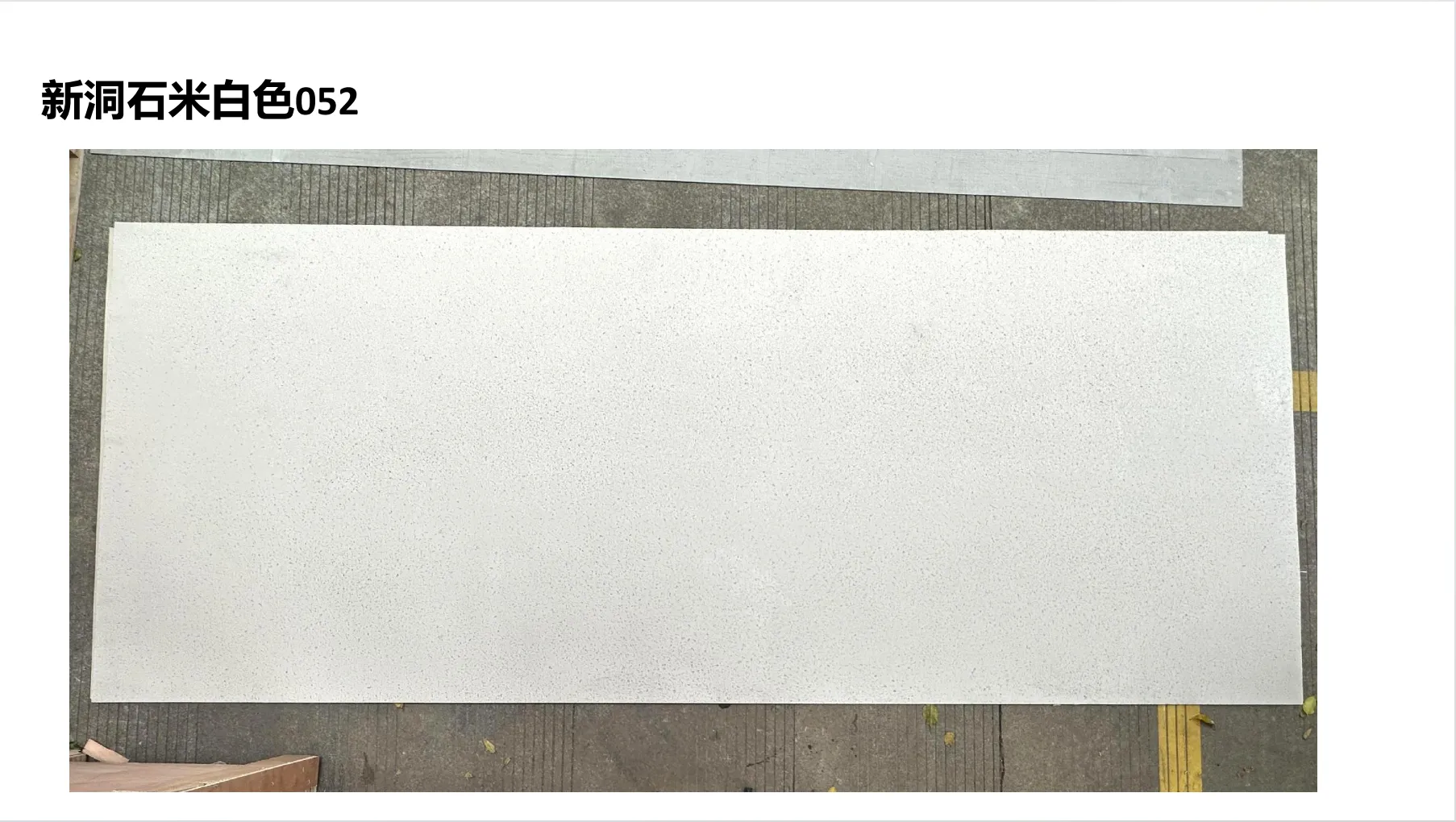
White Travertino MCM has taken the design world by storm, gracing everything from residential backsplashes to high-end retail facades with its soft, luminous texture and timeless elegance. Its ability to mimic the organic beauty of natural travertine while offering the durability of modern composite materials makes it a favorite among architects and homeowners alike. Yet, with its rising popularity comes a tide of misinformation about how to care for it. These myths—often rooted in assumptions about "traditional stone" or generic "composite materials"—can lead to costly mistakes, premature wear, or even permanent damage. Today, we're setting the record straight by debunking five of the most common maintenance myths surrounding White Travertino MCM, ensuring your surfaces stay stunning for decades.
One of the biggest misconceptions about White Travertino MCM stems from its classification as "MCM flexible stone." Many assume that because it's engineered with a flexible backing and composite layers, it's impervious to stains and doesn't require sealing. This couldn't be further from the truth. While MCM flexible stone is far more resilient than natural travertine (thanks to its reinforced structure), its surface still retains the porous nature of travertine—a defining feature that gives it that signature matte, textured finish. Those tiny pores are magnets for liquids like coffee, wine, or oil, which can seep in and leave discoloration if not protected.
Think of it this way: MCM flexible stone combines the best of both worlds—natural travertine's aesthetic and modern engineering's durability—but it doesn't erase the basic properties of its core material. Sealing acts as a barrier, slowing down liquid absorption and giving you time to wipe up spills before they become stains. Skipping this step is like leaving a window open during a rainstorm; eventually, water (or in this case, stains) will find its way in.
Pro Tip: Seal White Travertino MCM immediately after installation and reapply every 1–2 years (or as recommended by the manufacturer). Use a water-based penetrating sealer designed for travertine or composite stones—avoid solvent-based sealers, which can darken the surface of lighter materials like White Travertino.
There's a persistent belief that white surfaces demand aggressive cleaning to stay bright, and White Travertino MCM is often caught in this crossfire. Homeowners reach for bleach, ammonia, or abrasive scrubbers, thinking "stronger is better." But harsh chemicals and scouring pads are Public Enemy #1 for White Travertino. Bleach, for example, can etch the stone's surface, creating microscopic scratches that trap dirt over time, leaving your once-gleaming panels looking dull and discolored. Ammonia, on the other hand, can react with the minerals in travertine, causing irreversible yellowing—especially noticeable on white surfaces.
Compare this to fair-faced concrete, another popular MCM product. Fair-faced concrete also thrives with gentle care; harsh cleaners break down its sealant and strip away its natural patina. The same logic applies here: White Travertino MCM needs a gentle touch. Most everyday messes (dust, fingerprints, mild spills) can be wiped away with warm water and a soft cloth. For tougher grime, a pH-neutral stone cleaner is your best friend—it cleans without compromising the surface or sealant.
Panic sets in the moment a red wine spill hits White Travertino—we've all been there. The fear that the stain is permanent is palpable, but here's the good news: MCM flexible stone is far more forgiving than natural travertine when it comes to stains. Its engineered layers slow down absorption, and with quick action, most stains can be reversed. The key is to avoid rubbing (which pushes the stain deeper) and instead blot the spill gently with a clean, dry cloth. For oil-based stains (like cooking grease or makeup), a poultice made from baking soda and water can work wonders: apply the paste, let it sit overnight to draw out the oil, then rinse with warm water.
Even if a stain lingers, don't despair. Unlike natural travertine, which can etch or discolor permanently, White Travertino MCM's surface is more uniform, making spot treatments easier. For example, a coffee stain that's been left for a day might require a specialized travertine stain remover (always test on an inconspicuous area first!), but it's unlikely to leave a permanent mark. This resilience is one of the reasons designers love MCM products—they offer the look of natural stone without the high-maintenance anxiety.
Quick Fix: For fresh stains, mix equal parts water and hydrogen peroxide (3%) and dab gently with a cotton ball. This works wonders on organic stains like juice or coffee—just avoid over-saturating the surface, and rinse thoroughly after 10 minutes.
It's easy to assume that because products like wood grain board, fair-faced concrete, and White Travertino MCM all fall under the "MCM" umbrella, they can be maintained interchangeably. This is a dangerous oversimplification. Each MCM series is engineered for specific aesthetics and uses, and their care requirements vary drastically. Take wood grain board, for example: it mimics wood's texture and needs protection from excessive moisture to prevent warping. Fair-faced concrete, with its industrial vibe, can handle mild acids (like lemon juice) better than White Travertino, which is more sensitive to pH imbalances.
White Travertino MCM, in particular, demands attention to its travertine-like properties. Unlike polish concrete (another MCM favorite, which can handle occasional scrubbing with a soft brush), White Travertino's surface is more delicate. Using a stiff brush on it would scratch the matte finish, dulling its appearance. Similarly, while wood grain board might benefit from a wood conditioner, applying that to White Travertino would clog its pores and ruin its texture. The lesson? Always check the manufacturer's care guidelines for your specific MCM product—one size does not fit all.
A small scratch or chip in your White Travertino MCM might seem like a minor issue—something you can fix with a tube of super glue or a DIY epoxy kit from the hardware store. But proceed with caution: MCM flexible stone's layered construction makes DIY repairs risky. Super glue, for instance, can seep into the pores and dry clear, but over time, it yellows, leaving a noticeable mark. Epoxy kits designed for natural stone might not bond properly with MCM's composite layers, leading to peeling or uneven surfaces.
For minor scratches, a better approach is to use a travertine polishing powder (mixed with water to form a paste) and buff gently with a soft cloth—this can blend the scratch into the surrounding texture. For chips, contact the manufacturer or a professional installer. Many MCM brands offer color-matched repair kits specifically formulated for their products, ensuring the fix is seamless and long-lasting. Remember, MCM flexible stone is an investment; cutting corners on repairs can end up costing more in the long run if the damage worsens.
| Do's | Don'ts |
|---|---|
| Seal annually with a water-based travertine sealer | Use bleach, ammonia, or acidic cleaners (e.g., vinegar) |
| Blot spills immediately with a dry cloth | Rub stains or use abrasive scrubbers |
| Clean with warm water and pH-neutral stone cleaner | Apply DIY epoxy or super glue for repairs |
| Test new cleaners on hidden areas first | Skip sealing (even "low-maintenance" MCM needs protection) |
| Use coasters for glasses and trivets for hot pans | Assume it's identical to natural travertine or other MCM products |
White Travertino MCM is more than just a design choice—it's a blend of art and engineering, offering the timeless beauty of travertine with the practicality of modern materials. By debunking these myths, we hope to empower you to care for it properly: seal regularly, clean gently, act fast on spills, and treat it with the specificity it deserves. With the right maintenance, your White Travertino MCM surfaces won't just look stunning today—they'll remain a focal point of your space for years to come, proving that great design and easy care can go hand in hand.
Recommend Products












