
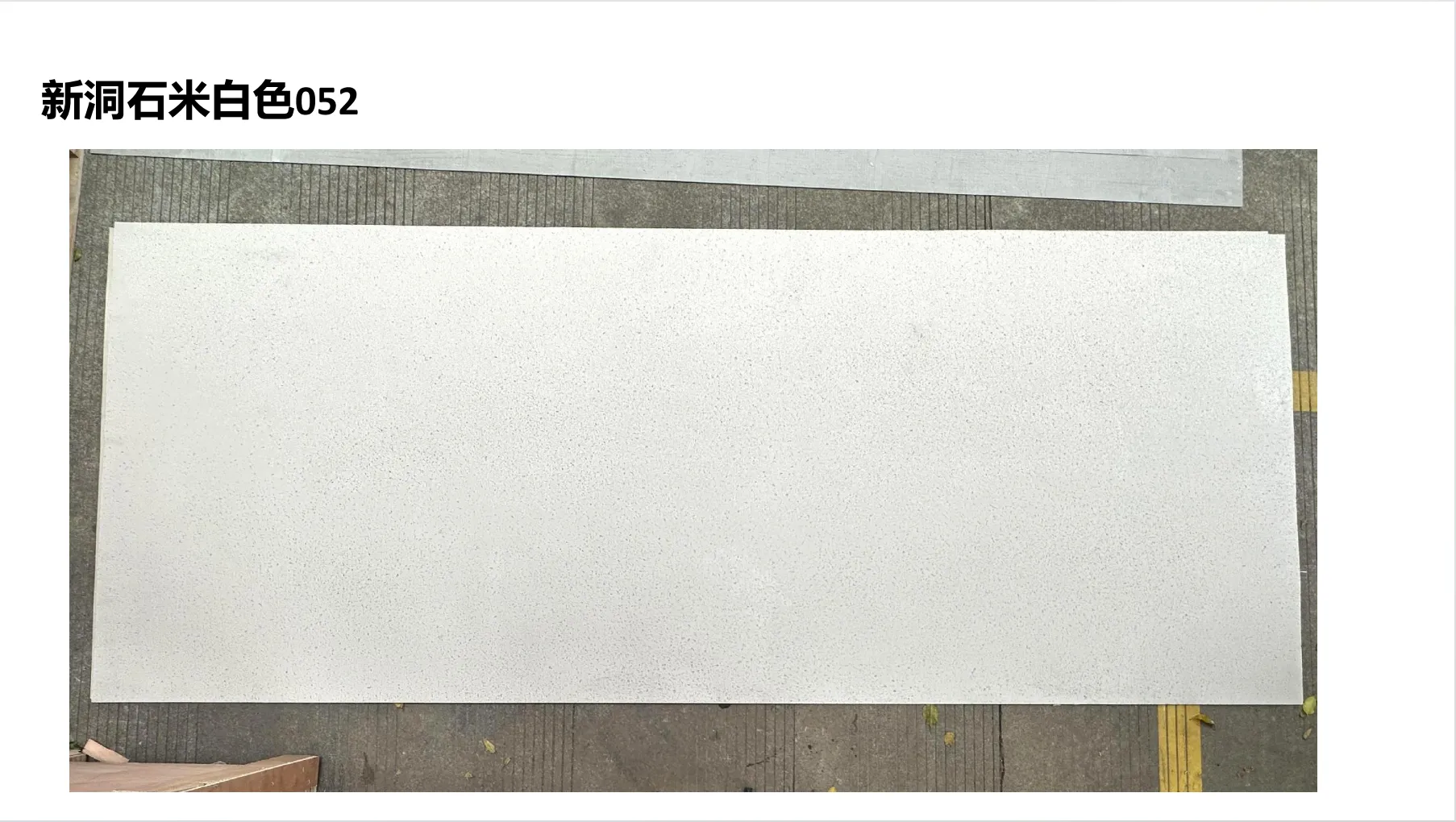
Walk into any modern home or office, and you'll likely notice the little things that make it feel "right"—the warmth of sunlight through windows, the quiet hum of a well-insulated room, the texture of walls that feel both solid and inviting. What you might not see, though, is the unsung hero working behind the scenes: the building envelope. It's the silent barrier between the chaos of the outdoors and the comfort of the indoors, and its performance can make or break a space's energy efficiency. Today, we're diving into a material that's redefining what building envelopes can do: White Travertino MCM . Part of the innovative MCM flexible stone family, it's not just about looks—it's about creating spaces that stay comfortable, save energy, and stand the test of time.
Think of a building as a human body. If the foundation is the bones and the HVAC system is the lungs, the building envelope is the skin—it keeps the elements out, regulates temperature, and protects what's inside. A poorly designed envelope leaks heat in summer and cold in winter, forcing heating and cooling systems to work overtime. The result? Higher energy bills, increased carbon footprints, and spaces that never quite feel "cozy."
For decades, builders relied on heavy, rigid materials like brick, concrete, or traditional stone. While durable, these options often lack insulation, adding extra weight to structures and limiting design flexibility. Then came MCM (Modified Composite Material) —a game-changer in the construction world. MCM flexible stone panels are lightweight, thin (often just 4-6mm thick), and surprisingly strong, thanks to a core of mineral composites bonded to reinforced fibers. They mimic the look and texture of natural stone but with a flexibility that makes installation a breeze and performance that outshines many traditional materials.
Travertine has long been a favorite in architecture for its timeless beauty—those soft, earthy tones and unique veining that add warmth to any space. But natural travertine is heavy, porous, and expensive to quarry and install. Enter White Travertino MCM : a modified composite version that captures travertine's elegance without the drawbacks. Its creamy white base, subtle beige veins, and matte finish evoke the serene vibe of Italian villas or modern minimalist homes, making it a favorite for designers aiming for both luxury and understatement.
What sets White Travertino MCM apart is its flexibility . Unlike natural stone, which cracks under stress, MCM panels bend without breaking, making them ideal for curved walls, accent features, or buildings with unique architectural shapes. Imagine a boutique hotel with a sweeping, curved facade clad in White Travertino—no more clunky, straight lines. Just smooth, flowing texture that catches the light and draws the eye.
Let's get technical—briefly. The key to a material's insulation power is its R-value , a measure of how well it resists heat flow. The higher the R-value, the better the insulation. Traditional materials like fair-faced concrete (a smooth, uncoated concrete finish) have low R-values—around 0.1 per inch—meaning they conduct heat easily. White Travertino MCM, on the other hand, boasts an R-value of 0.8-1.2 per inch, thanks to its composite core that traps air pockets, slowing heat transfer.
What does that mean for you? Picture a sunny summer day. A wall clad in fair-faced concrete absorbs heat like a sponge, turning your living room into a sauna by afternoon. With White Travertino MCM, the heat struggles to penetrate the panel, keeping the interior cool. In winter, the reverse happens: the warm air inside stays in, reducing the need to crank up the heater. Over time, these small differences add up—to lower energy bills, fewer carbon emissions, and a space that feels comfortable year-round.
Curious how White Travertino MCM holds up against other popular building materials? Let's break it down with a side-by-side look at three common options: White Travertino MCM, fair-faced concrete, and Lunar Peak Silvery (another striking MCM variant with a metallic, moon-like finish).
| Material | R-Value (per inch) | Weight (per sq. ft) | Aesthetic Vibe | Best For |
|---|---|---|---|---|
| White Travertino MCM | 0.8-1.2 | 1.5-2 lbs | Soft, natural travertine look; creamy whites with subtle veins | Residential homes, boutique hotels, spaces needing warmth |
| Fair-Faced Concrete | 0.1-0.2 | 15-20 lbs | Raw, industrial; gray, matte finish | Warehouses, modernist commercial buildings |
| Lunar Peak Silvery MCM | 0.7-1.0 | 1.3-1.8 lbs | Metallic, otherworldly; silvery sheen with texture | Contemporary art galleries, tech offices, statement facades |
The numbers speak for themselves. White Travertino MCM outperforms fair-faced concrete in insulation by leaps and bounds, and it's exponentially lighter—meaning less stress on building structures and easier installation. While Lunar Peak Silvery offers similar insulation, its bold, metallic look isn't for every space. White Travertino, with its timeless travertine aesthetic, strikes that rare balance: it's functional and beautiful.
Let's step out of the lab and into real buildings. Take the Villa Solara , a 12-unit residential complex in Arizona, where developers swapped traditional stucco for White Travertino MCM cladding. The desert climate is brutal—summer temperatures soar to 110°F, and winters dip to 40°F. After installation, residents reported something surprising: their AC units ran 30% less in summer, and heating use dropped by 25% in winter. One homeowner, Maria, put it simply: "Before, my electric bill was $300+ in July. Now? It's under $200. And the walls feel cool to the touch, even when the sun's blazing. It's like the house has its own built-in shade."
Then there's the Harmony Office Park in Colorado, which used White Travertino MCM for its lobby walls and exterior accent panels. The design team wanted a space that felt "welcoming but professional," and the travertine's soft texture delivered. But the real win was energy efficiency. The park's management reported a 18% reduction in overall energy costs across the complex, attributing much of it to the MCM panels' insulation. "We thought we were just picking a pretty material," said project architect James Lin. "We didn't realize it would be one of the smartest sustainability choices we made."
In a world where sustainability is no longer optional, White Travertino MCM checks more boxes than just energy efficiency. As part of the green building materials movement, it's designed with the planet in mind. Unlike natural travertine, which requires heavy quarrying and transportation (contributing to carbon emissions), MCM panels are made from recycled mineral composites and natural pigments, reducing waste. They're also lightweight, which cuts down on fuel use during shipping—trucks can carry more panels per trip, lowering the carbon footprint of transportation.
Installation is another eco-friendly win. Traditional stone requires mortar, adhesives, and heavy machinery, often leading to jobsite waste. MCM panels, though, are installed with simple mechanical fasteners or lightweight adhesives, generating less debris. And because they're flexible, there's less cutting and trimming, which means fewer scraps ending up in landfills. For builders aiming for LEED certification or other green building standards, White Travertino MCM is a easy way to earn points for energy efficiency, sustainable materials, and reduced waste.
You might be wondering: "Lightweight and flexible—does that mean it's flimsy?" Far from it. MCM panels are engineered to withstand the elements. White Travertino MCM is water-resistant, fade-resistant (even in harsh UV rays), and impact-resistant—tested to handle hailstorms, high winds, and the occasional stray basketball. In coastal areas, it resists salt spray, making it a better choice than natural stone, which can erode over time. And unlike wood or vinyl, it doesn't rot, warp, or attract pests. For homeowners and businesses, that translates to less maintenance, fewer repairs, and a material that looks as good in 20 years as it did on day one.
As we look ahead, materials like White Travertino MCM are leading the charge in reimagining what buildings can be. They're proof that you don't have to choose between beauty and function, or sustainability and durability. Whether you're building a cozy home, a bustling office, or a landmark hotel, the right building envelope material can turn a structure into a space that feels good, works hard, and respects the planet.
So the next time you walk into a room that feels "just right"—not too hot, not too cold, with walls that invite you to reach out and touch them—take a closer look. It might just be White Travertino MCM, quietly doing what it does best: making buildings better, one panel at a time.
Recommend Products












