
Walk into a sunlit café, and the first thing that catches your eye might not be the menu—it's the walls. The way light dances on a textured surface, the subtle warmth of a neutral tone, or the quiet elegance of a material that feels both timeless and alive. Building materials are more than just structural; they're the silent narrators of our daily lives. Today, we're diving into two materials that have architects, designers, and homeowners alike falling in love: White Travertino MCM and Limestone . One is a modern marvel blending nature and innovation, the other a classic rooted in the earth's own history. Let's explore how they stack up, and why the choice between them is about more than just looks—it's about the story you want your space to tell.
Imagine running your hand over a surface that feels like polished marble but bends—yes, bends—without cracking. That's the magic of MCM flexible stone , a modified composite material designed to capture the soul of natural stone while ditching its limitations. And White Travertino MCM? It's the crown jewel of this lineup, a love letter to the iconic travertine stone reimagined for the demands of modern design.
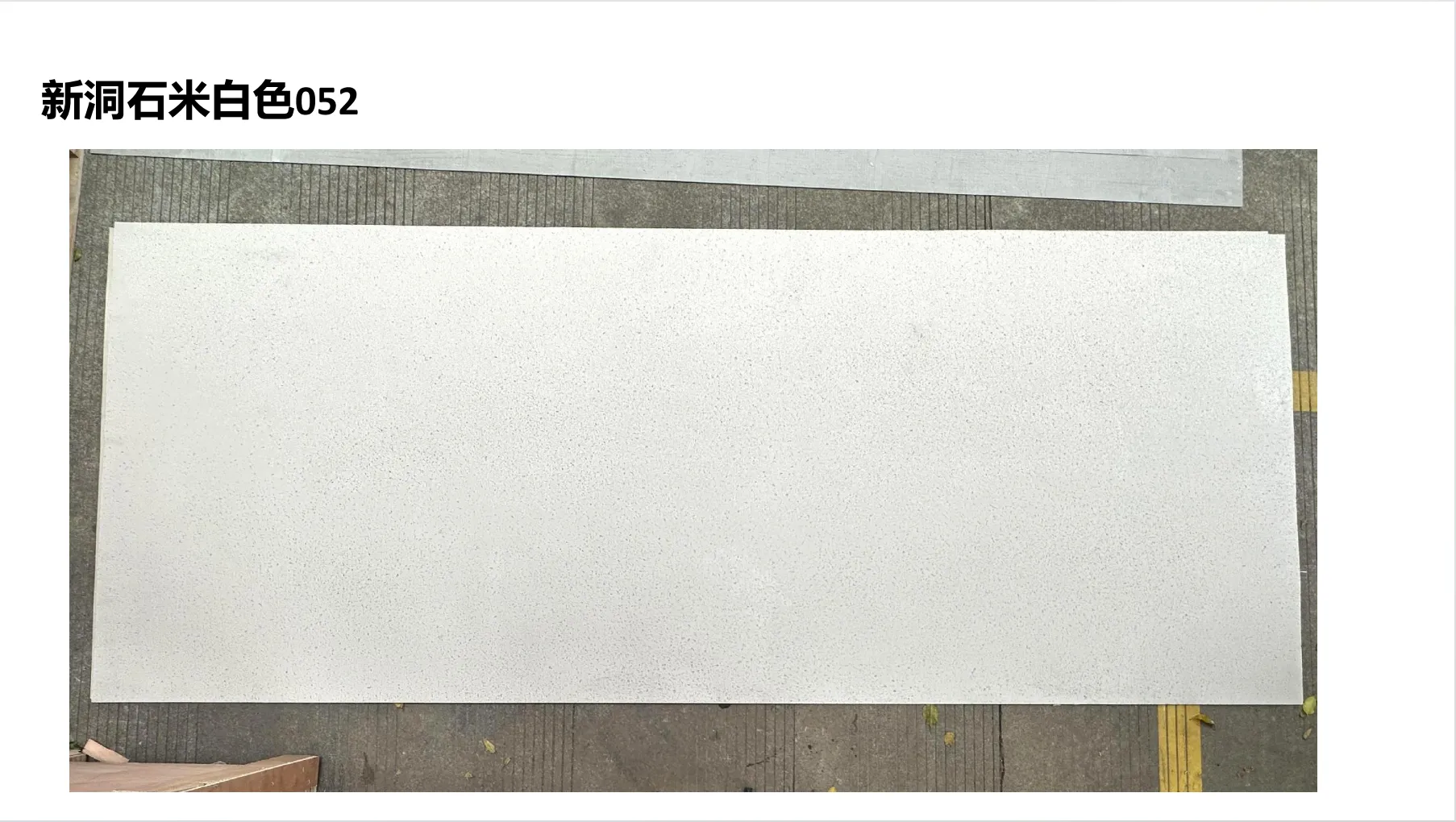
Travertine itself is a rock star of the natural stone world, formed from mineral-rich hot springs that deposit layers of calcium carbonate over centuries. Think of the Colosseum's weathered walls or the sunlit piazzas of Rome—travertine's warm, porous texture and soft veining have defined timeless beauty for millennia. White Travertino MCM takes that legacy and supercharges it. Using advanced manufacturing, it replicates the ivory hues, delicate gold or gray veins, and even the subtle "pockmarks" (vugs) that make natural travertine so distinctive—all while being lighter, more durable, and infinitely more adaptable.
What sets it apart? Flexibility, for one. Unlike heavy natural stone slabs that require reinforced structures, MCM panels are thin (often 3-5mm) and lightweight, making them ideal for vertical applications like feature walls, backsplashes, or even curved surfaces. Ever dreamed of a spiral staircase wrapped in travertine? With MCM, it's possible. And because it's engineered, you get consistency—no surprises with overly bold veins or uneven coloration, just the serene, uniform elegance of white travertine, batch after batch.
But don't mistake "engineered" for "cold." White Travertino MCM retains the organic charm that makes travertine so beloved. Run your fingers across it, and you'll feel the gentle texture, as if the stone itself has been softened by time. In a kitchen, it adds a airy brightness; in a bathroom, it evokes a spa-like calm; in a commercial lobby, it whispers sophistication without shouting.
Limestone is the quiet poet of building materials. Formed from the compressed remains of marine organisms, coral, and shells over millions of years, it carries the weight of the planet's history in every layer. Its palette is soft and earthy—think warm beiges, creamy whites, and subtle grays—with fossilized patterns that tell tales of ancient seas. Unlike the bold drama of marble or the flash of granite, limestone invites you in with understated grace. It's the material of cathedrals, palaces, and cobblestone streets, where its weathered patina only grows more beautiful with age.
What makes limestone so cherished? Its versatility. Polished, it becomes a smooth, reflective surface perfect for flooring or countertops; left natural, it gains a matte, tactile quality that feels grounded and authentic. In a countryside cottage, rough-hewn limestone walls evoke coziness and tradition; in a minimalist home, honed limestone floors add warmth without overwhelming the space. Its neutral tones act as a blank canvas, letting furniture, art, and light take center stage—yet it never fades into the background. There's a depth to limestone, a sense that it's been part of something bigger than itself.
But limestone is also a material of compromise. As a natural stone, it's porous, meaning it absorbs liquids easily. A spilled glass of red wine on a limestone countertop? You'll need to blot fast, or risk a stain. It's also softer than granite or engineered stones, so it can scratch if not sealed and maintained. Yet for many, these "flaws" are part of its charm. A scratch becomes a memory, a stain a story—proof that the space is lived in, loved, and alive.
Choosing between White Travertino MCM and Limestone isn't just about picking a color or texture—it's about aligning your material with your project's needs, lifestyle, and aesthetic goals. Let's break down their key differences and similarities.
| Feature | White Travertino MCM | Limestone |
|---|---|---|
| Visual Character | Ivory base with soft, consistent veining (gold, gray, or beige); subtle vugs (pockmarks) for texture; replicates natural travertine's elegance with controlled uniformity. | Warm beige, cream, or soft gray tones; organic veining and fossilized patterns (shells, coral fragments); unique variations between slabs—no two pieces are identical. |
| Texture | Smooth yet tactile; engineered to mimic travertine's natural porosity without the same level of absorbency; consistent finish across panels. | Matte to slightly rough (depending on finish); porous surface with visible pits and irregularities that add depth and character. |
| Durability | Highly durable; resistant to cracking, chipping, and fading; withstands moisture better than natural travertine; ideal for high-traffic areas. | Moderate durability; softer than granite or quartz; prone to scratching, staining, and etching from acidic substances (lemon, vinegar). |
| Maintenance | Low maintenance; wipe clean with mild soap and water; no need for sealing (thanks to its non-porous engineered core). | High maintenance; requires annual sealing to prevent stains; avoid harsh cleaners; spills must be blotted immediately. |
| Installation | Lightweight (5-8 lbs per sq ft) and flexible; easy to cut, shape, and install on walls, ceilings, or curved surfaces; reduces structural load. | Heavy (15-20 lbs per sq ft); requires professional installation and reinforced support; limited to flat or gently sloped surfaces. |
| Sustainability | Eco-friendly; uses recycled materials in its composite core; reduces quarrying impact compared to natural stone; energy-efficient manufacturing process. | Natural and biodegradable but requires extensive quarrying, which can disrupt ecosystems; transportation of heavy slabs increases carbon footprint. |
| Ideal Applications | Feature walls, backsplashes, shower surrounds, furniture surfaces, exterior cladding (with proper sealing), curved or custom designs. | Flooring (low-traffic areas), fireplace surrounds, outdoor patios (with sealing), countertops (for homeowners willing to maintain), heritage restoration projects. |
When it comes to looks, both materials bring unique charm, but they cater to different moods. White Travertino MCM is the epitome of effortless elegance . Its bright ivory base reflects light, making spaces feel larger and airier—perfect for small rooms or modern, minimalist designs. The controlled veining adds subtle interest without overwhelming, creating a calm, cohesive backdrop for bold decor or busy family life. Imagine it in a sunlit kitchen: paired with wooden cabinets and brass hardware, it feels warm and inviting; with sleek black appliances, it becomes crisp and contemporary.
Limestone, on the other hand, is all about timeless character . Its soft, earthy tones and organic patterns feel grounded and authentic, like bringing a piece of the outdoors inside. In a living room with a stone fireplace clad in limestone, you'll feel the weight of tradition—the same material that built castles and cottages for centuries. Its variations add visual texture: a slab might have a streak of amber here, a fossilized shell there, making every surface one-of-a-kind. It's the material for those who love imperfection, who see beauty in the "flaws" that tell a story of millions of years of formation.
Let's get practical: how do these materials hold up in everyday life? For a family with young kids, a White Travertino MCM backsplash in the kitchen is a no-brainer. Spilled juice? Wipe it up with a cloth—no stain, no stress. A playful toddler banging a toy against the wall? The MCM panel won't chip or crack. It's a material that keeps up with chaos without losing its beauty.
Limestone, though, demands a gentler touch. It's perfect for a quiet home office or a master bathroom where you can savor its beauty without the rush of daily spills. If you're the type who enjoys the ritual of maintenance—sealing the stone each year, wiping up water droplets immediately after a shower—limestone rewards you with unparalleled authenticity. It's not for everyone, but for those who crave a connection to nature, it's worth the extra care.
In an era where eco-conscious design matters more than ever, both materials have their merits. Limestone is a natural resource, quarried from the earth, and biodegradable at the end of its life. However, quarrying can disrupt local ecosystems, and transporting heavy slabs across the globe leaves a significant carbon footprint.
White Travertino MCM, as part of the MCM project board series , takes a more modern approach to sustainability. Its composite core often includes recycled stone dust and resins, reducing the need for virgin materials. Because it's lightweight, shipping requires less fuel, and its durability means it lasts longer, reducing the need for replacement. For architects and homeowners prioritizing green building practices, MCM offers a way to enjoy the look of natural stone with a smaller environmental impact.
To truly understand the impact of these materials, let's step into a few real-world scenarios where White Travertino MCM and Limestone have transformed spaces.
Architect Sarah Chen was tasked with designing a 1,200 sq ft loft in downtown Chicago—a space that needed to feel open, bright, and connected to nature, despite its high-rise location. The client, a young professional, wanted a "spa-like retreat" that could handle weekend gatherings and weekday work-from-home chaos.
Sarah chose White Travertino MCM for the feature wall behind the sofa. "The loft has floor-to-ceiling windows, but the industrial concrete walls felt cold," she explains. "MCM was the perfect solution: lightweight enough to install on the existing drywall, and its ivory tone reflects the natural light, making the room glow. We paired it with a wood grain board accent shelf and soft linen furnishings, and suddenly the space felt warm and grounded."
The client was thrilled: "I host friends for dinner, and everyone comments on that wall—it's the first thing they notice. And when I spill wine (which I've done… twice), I just wipe it off. No panic, no stains. It's beautiful and practical—exactly what I needed."
For Mark and Lisa's 18th-century cottage renovation in upstate New York, authenticity was non-negotiable. "We wanted to honor the home's history, not erase it," Lisa says. The original limestone fireplace had crumbled over time, so they sourced matching limestone slabs to rebuild it—and extended the material to the surrounding hearth and floor.
"Limestone was the only choice," Mark adds. "Its soft beige color matches the cottage's stone exterior, and the fossilized shells in the slabs feel like little time capsules. We sealed it properly, and yes, we're careful—no setting hot pans directly on the hearth—but it's worth it. On winter nights, sitting by that fire, the limestone radiates warmth, and it feels like the house has been whole again."
When designing a community center in Austin, Texas, the goal was to create a space that felt inclusive—welcoming kids, seniors, and everyone in between. Designer Miguel Torres turned to both materials to strike that balance.
"We used White Travertino MCM for the main lobby walls and reception desk," Miguel says. "It's durable enough to handle kids running around, and its brightness keeps the space cheerful. For the outdoor patio, though, we went with limestone. It's under a covered pergola, so we could manage the maintenance, and its natural texture makes the patio feel like an extension of the nearby park. The contrast works: modern energy inside, timeless calm outside."
At the end of the day, White Travertino MCM and Limestone are more than just building materials—they're storytellers. White Travertino MCM tells a story of innovation, of honoring tradition while embracing progress. It's for those who want beauty without compromise, who believe that a space can be both stunning and practical.
Limestone, on the other hand, tells a story of time—of ancient seas, slow formation, and the quiet strength of nature. It's for those who cherish authenticity, who see imperfection as part of the charm, and who want their home to feel rooted in something larger than themselves.
So, which one is right for you? Ask yourself: What does your space need to feel like? How do you live in it? And what story do you want to tell? Whether you choose the modern flexibility of White Travertino MCM or the timeless warmth of Limestone, remember: the best materials don't just fill a room—they make it yours .
After all, a home isn't just walls and floors. It's the laughter around the dinner table, the quiet mornings with a cup of coffee, the memories that stick. And the right material? It's the backdrop that makes those moments feel like magic.
Recommend Products












