
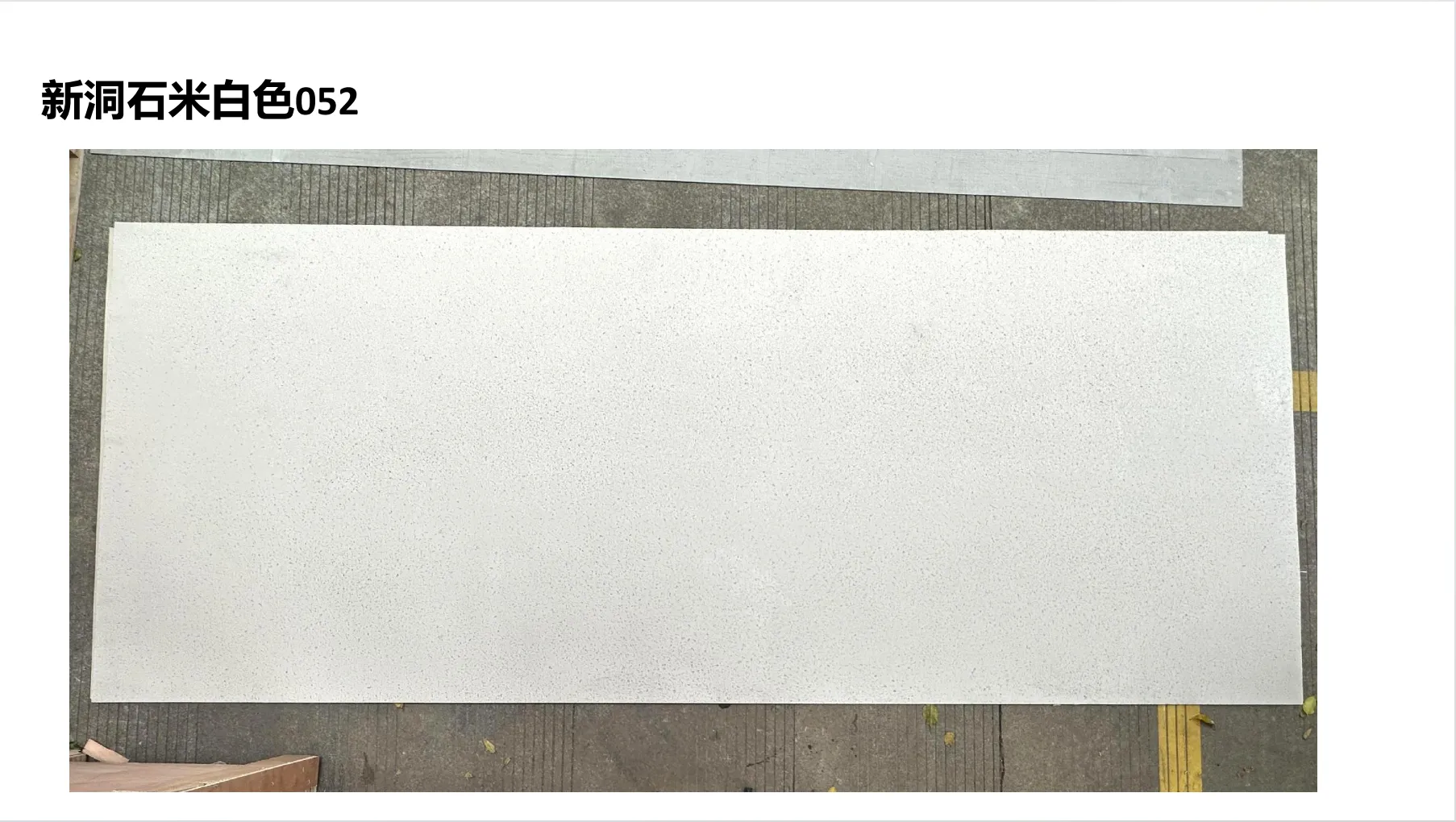
Choosing the right building material is like picking the perfect ingredient for a signature dish—you want it to look stunning, perform reliably, and align with your values. In the world of architecture and design, two names often spark debate among professionals: White Travertino, the timeless natural stone with a history as rich as its texture, and MCM panels, the modern composite upstart redefining what's possible in construction. Today, we're breaking down their differences in durability and sustainability, so you can make a choice that feels as good as it looks. Whether you're restoring a heritage building or crafting a cutting-edge commercial space, understanding these two materials isn't just about specs—it's about building spaces that last, both in style and impact.
Let's start with White Travertino, a stone that's been gracing buildings for centuries. Quarried from regions like Italy and Turkey, this natural travertine is prized for its soft, ivory hues and unique veining—each slab tells a story written by millions of years of mineral deposits and water flow. Run your hand over a polished White Travertino surface, and you'll feel the subtle pits and ridges that make it distinct; these aren't flaws, but fingerprints of nature itself. It's the kind of material that adds warmth to a space, turning a cold lobby into a welcoming hall or a sterile kitchen into a cozy gathering spot.
But beauty isn't everything—how does White Travertino hold up over time? Let's talk durability. As a natural stone, it's inherently tough. Its density makes it resistant to scratches from daily wear, and it can handle heavy foot traffic in high-traffic areas like airports or shopping malls. However, travertine is porous by nature. Those tiny holes we mentioned? They're great for character but can be a headache if not sealed properly. Spills—whether from coffee, wine, or rain—can seep in and leave stains if the stone isn't treated with a quality sealer every few years. And while it stands up well to heat (making it a favorite for fireplaces), extreme temperature swings can cause it to crack over time, especially if installed in areas with harsh winters.
Now, sustainability. There's something inherently "green" about using a natural material, right? White Travertino is, after all, a product of the earth, with no synthetic chemicals in its makeup. But here's the catch: quarrying natural stone is resource-intensive. Heavy machinery, water usage, and land disruption are all part of the process, and transporting massive slabs from quarries to job sites adds to its carbon footprint. Once installed, it's not easily recyclable—if a slab cracks or becomes damaged beyond repair, it often ends up in a landfill. That said, when maintained properly, White Travertino can last for decades, even centuries, reducing the need for frequent replacements. Think of the Colosseum or ancient Roman baths—travertine there has stood the test of time, proving that longevity is a form of sustainability too.
Now, let's shift to MCM panels, or Modified Composite Material panels—a relative newcomer that's quickly gaining ground in modern architecture. Unlike White Travertino, MCM panels are engineered, not mined. They're typically made by bonding a thin layer of natural stone (like marble or travertine) or mineral composite to a lightweight backing, often aluminum or fiberglass. This sandwich structure gives them the best of both worlds: the aesthetic appeal of stone with the flexibility and durability of modern composites. Ever walked past a building with a striking 3D facade or a curved wall that seems to defy gravity? Chances are, it's clad in MCM panels.
One of the first things you'll notice about MCM panels is their versatility. Thanks to advancements in manufacturing—including 3D printing techniques—they can be shaped into intricate designs, from wave panels that mimic ocean swells to semicircle boards that add softness to angular architecture. The MCM big slab board series takes this further, offering large-format panels that minimize grout lines, creating a seamless, contemporary look. And because they're lightweight (often weighing 70-80% less than natural stone), they're easier to transport, handle, and install. This not only cuts down on labor costs but also reduces the structural load on buildings, opening up possibilities for retrofits and high-rise applications where heavy materials just won't work.
When it comes to durability, MCM panels are built to withstand the elements. Their composite core is non-porous, so water absorption is minimal—no more panicking over rainstorms or spilled drinks. They're also resistant to UV rays, which means their color won't fade under harsh sunlight, and they stand up to temperature extremes without cracking or warping. Scratches? While they're not indestructible, most MCM panels have a protective top layer that can be refinished if needed, extending their lifespan. In short, they're designed for the chaos of modern life, from busy urban streets to coastal areas with salt spray.
Now, sustainability—the area where MCM panels really shine. Because they use a thin layer of natural stone (or even recycled materials in some cases), they reduce the demand for quarrying. Their lightweight design also slashes transportation emissions; a truckload of MCM panels can cover far more area than a truckload of natural stone, meaning fewer trips and less fuel burned. Many manufacturers also prioritize recyclability, using aluminum backings that can be melted down and reused, and composite cores made from recycled polymers. Plus, since they require less maintenance (no regular sealing, minimal cleaning), they save water and chemicals over time. It's a material that thinks about the planet from production to installation to long-term use.
To make it easier to compare, let's put White Travertino and MCM panels head-to-head in key areas of durability and sustainability. This table breaks down the details, so you can see exactly where each material excels—and where it might fall short.
| Feature | White Travertino | MCM Panels |
|---|---|---|
| Material Type | Natural sedimentary stone | Engineered composite (thin stone/mineral layer + lightweight backing) |
| Density | 2,300–2,500 kg/m³ (heavy) | 300–800 kg/m³ (lightweight) |
| Water Absorption Rate | 2–5% (porous, requires sealing) | 0.1–0.5% (non-porous, no sealing needed) |
| Scratch Resistance | High (but porous surface can trap debris, causing micro-scratches) | Moderate to high (protective top layer resists most scratches) |
| Weather Resistance | Good (but vulnerable to freeze-thaw cycles without sealing) | Excellent (resists UV, salt, and temperature extremes) |
| Installation Weight | 20–30 kg/m² (requires sturdy structural support) | 5–12 kg/m² (suitable for retrofits and lightweight structures) |
| Environmental Impact (Production) | High (quarrying, heavy machinery, water usage) | Lower (minimal raw material use, recycled components) |
| Recyclability | Low (difficult to repurpose; often ends in landfills) | High (aluminum backing and composite cores often recyclable) |
| Maintenance Needs | High (sealing every 2–3 years, regular cleaning to prevent staining) | Low (occasional washing with soap and water; no sealing) |
| Lifespan (With Care) | 50–100+ years (historical examples last centuries) | 30–50 years (depending on manufacturer and conditions) |
So, which one is right for your project? The answer depends on what matters most to you. If you're after that irreplaceable, organic beauty of natural stone—think a boutique hotel lobby or a heritage home restoration—White Travertino is hard to beat. Its timeless appeal and long lifespan (when maintained) make it a investment in legacy. Just be prepared for the upkeep and the environmental impact of quarrying.
On the other hand, if you're building for the future—prioritizing innovation, sustainability, and low maintenance—MCM panels are a standout choice. They're perfect for modern commercial buildings, high-rises, or projects where weight and design flexibility are key. And with their reduced carbon footprint and recyclable materials, they let you build boldly without costing the planet.
It's also worth considering hybrid approaches. Some designers mix White Travertino accents with MCM panel cladding, blending classic and contemporary elements. For example, using White Travertino on a feature wall to add warmth, then wrapping the rest of the facade in MCM panels for durability and sustainability. There's no rule that says you have to choose one or the other—sometimes, the best spaces are born from balance.
Recommend Products












