Think about the last time you walked into a newly renovated room. That "fresh" smell—the one we often associate with progress and new beginnings—might not be as harmless as it seems. In fact, that scent is often a cocktail of volatile organic compounds (VOCs), chemicals released by paints, adhesives, and building materials that can linger for years. For the average person, who spends 90% of their life indoors, the quality of the air we breathe at home, work, or school isn't just a comfort issue; it's a health imperative. Headaches, allergies, fatigue, and even long-term respiratory issues can trace back to poor indoor air quality. But what if there was a way to design beautiful, durable spaces without sacrificing the air we breathe? Enter MCM materials—modified composite materials that blend innovation, aesthetics, and eco-consciousness. Today, we're diving into how products like
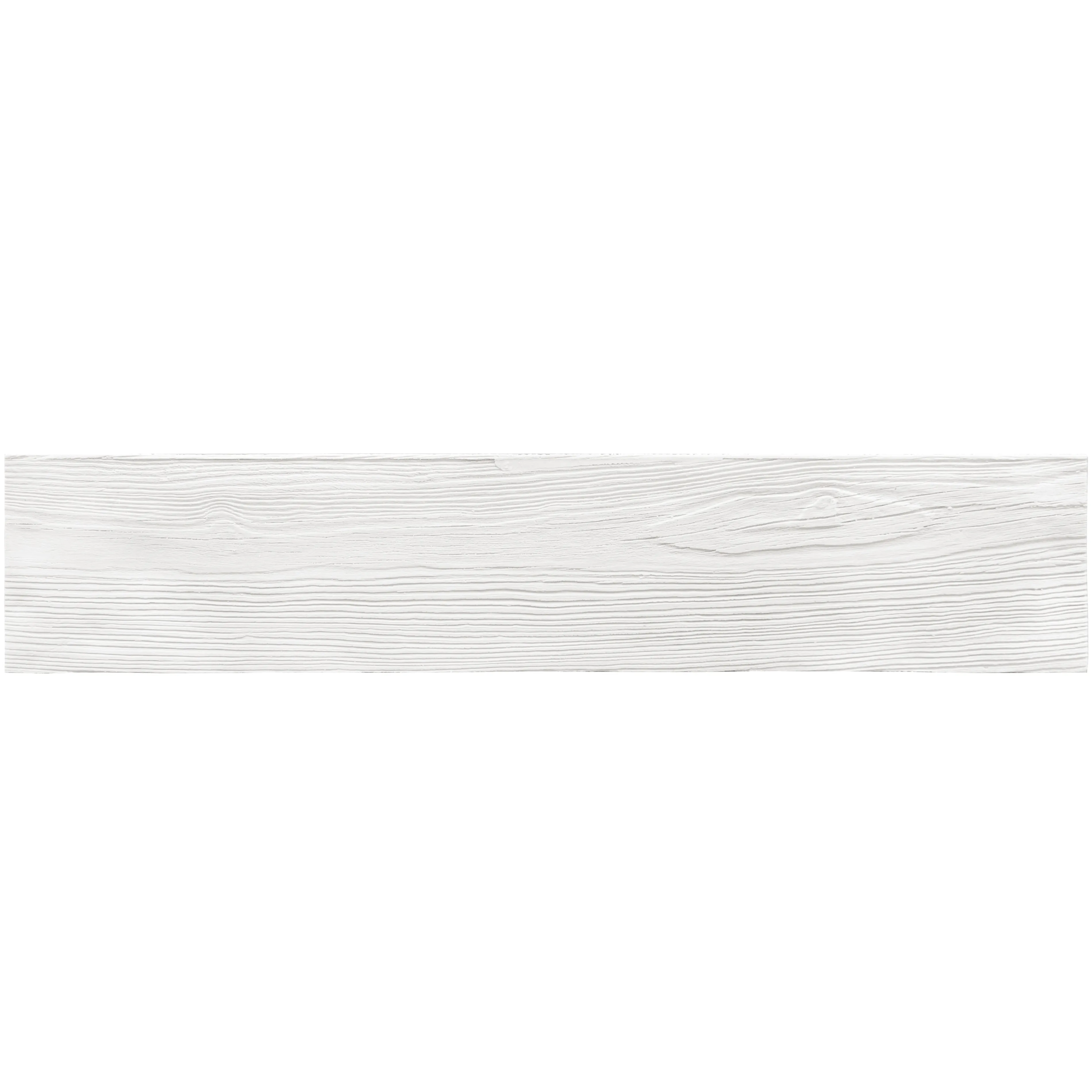
White Wood
,
Fair-Faced Concrete
, and
Travertine (Starry Green)
are redefining what it means to build "healthy" spaces.
VOCs: The Hidden Threat in Our Homes
VOCs are carbon-based chemicals that evaporate at room temperature, releasing gases into the air. They're found in everything from traditional plywood and vinyl flooring to oil-based paints and even some "natural" stone sealants. Short-term exposure can trigger eye irritation, dizziness, or nausea; long-term exposure has been linked to liver damage and increased cancer risk, according to the EPA. For families with young children, seniors, or anyone with asthma, these invisible pollutants turn living spaces into silent health hazards.
The problem isn't just new construction, either. Older homes often off-gas VOCs from aging carpets, outdated insulation, or deteriorating furniture finishes. Even "eco-friendly" labels can be misleading—some products market themselves as "low-VOC" but still release trace amounts that add up in poorly ventilated rooms. So, what's the alternative?
MCM Materials: Where Innovation Meets Health
MCM, or modified composite materials, are engineered to address exactly this issue. Unlike traditional materials that rely on toxic adhesives, solvents, or sealants, MCM products are crafted using advanced bonding technologies and low-emission resins. The result? Materials that look and feel like natural stone, wood, or metal—without the harmful off-gassing. Let's break down why MCM stands out:
-
Low to Zero VOC Emissions:
MCM manufacturing prioritizes water-based or solvent-free binders, drastically reducing harmful chemical release.
-
Durability Without Compromise:
These materials resist moisture, mold, and wear, meaning fewer replacements (and fewer opportunities for off-gassing over time).
-
Design Versatility:
From the warmth of wood to the sleekness of metal, MCM mimics natural textures while offering customizable colors and patterns.
Now, let's explore some standout MCM products that are making waves in healthy home design.
Spotlight on MCM Stars: Beauty, Safety, and Style
1. White Wood: Warmth Without the Worry
White Wood
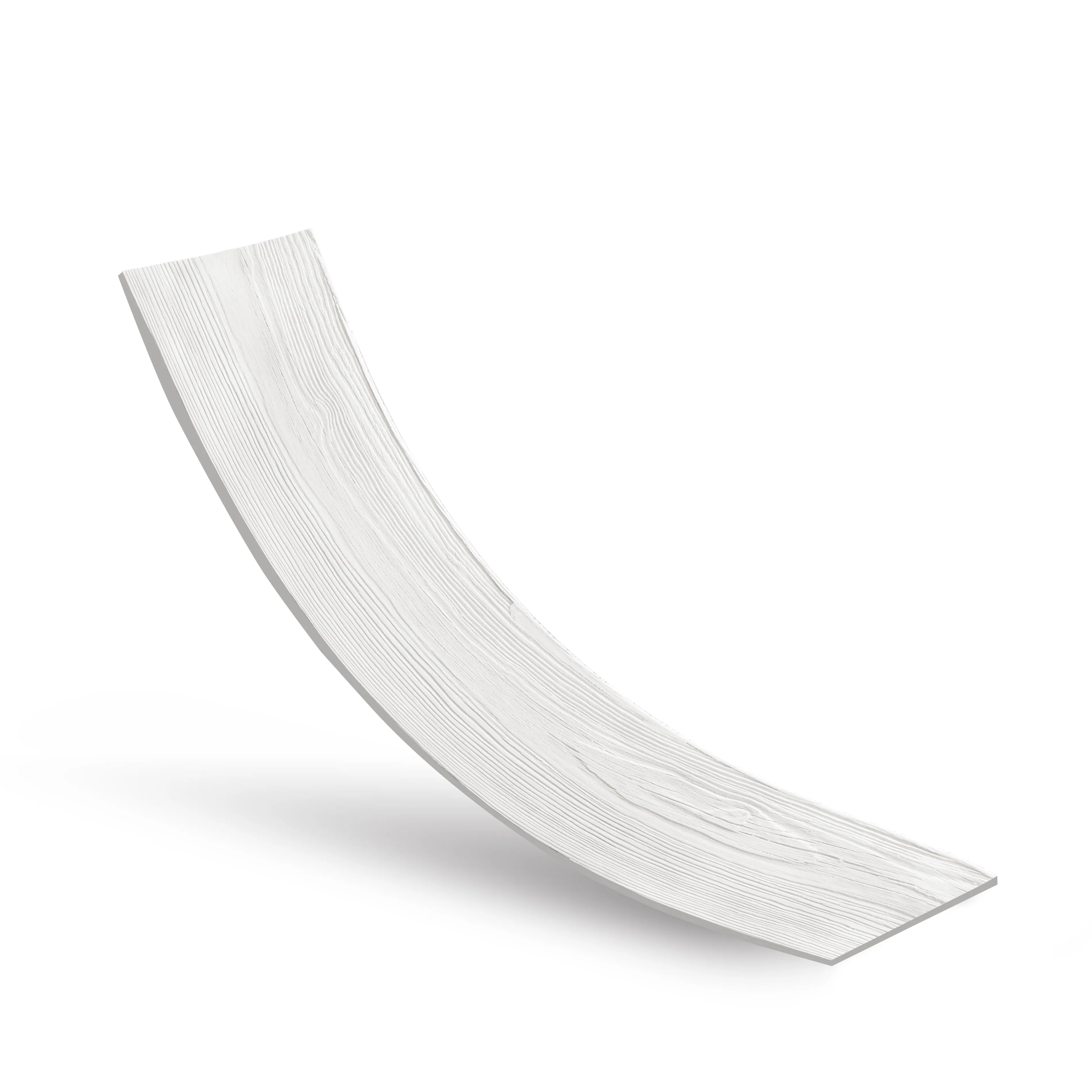
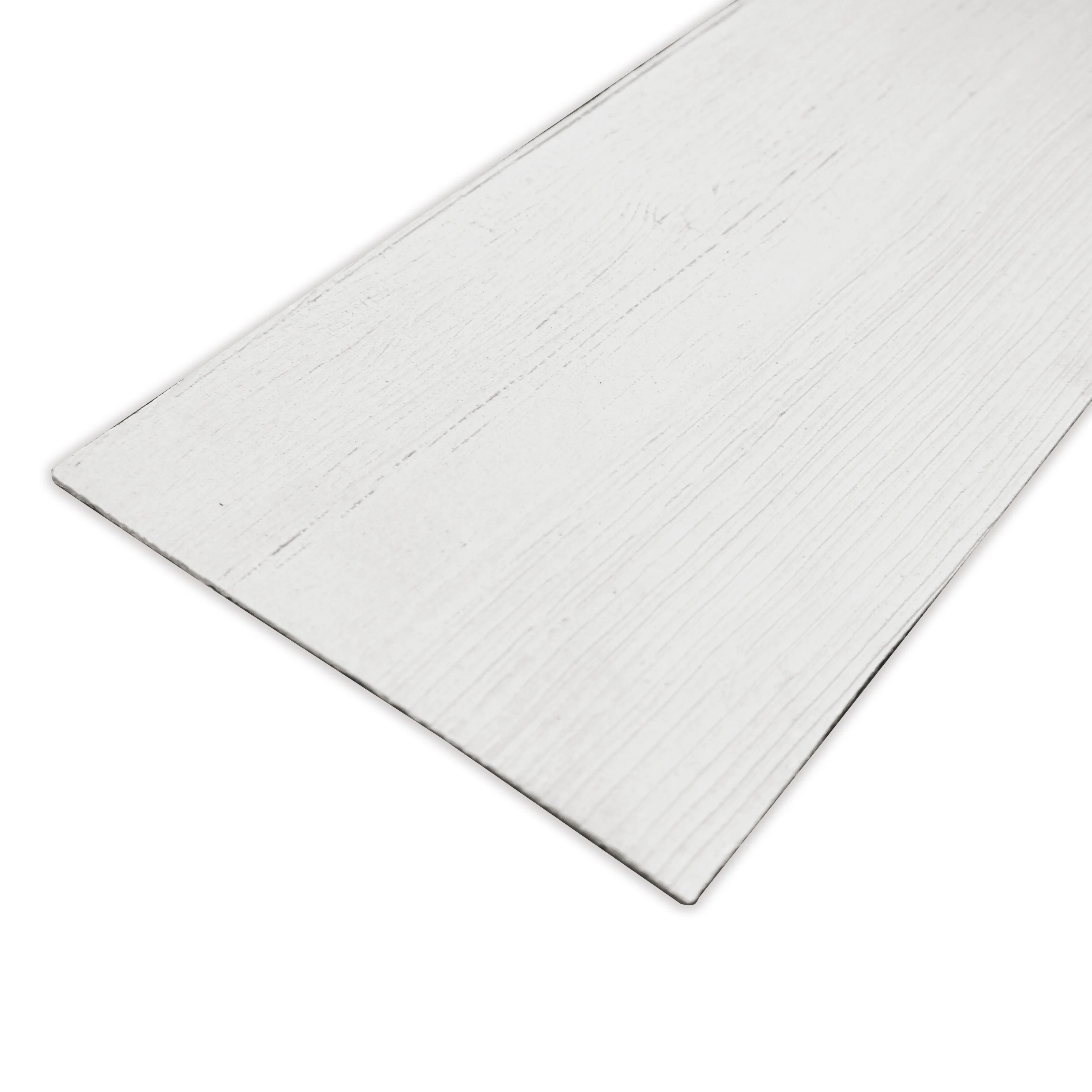
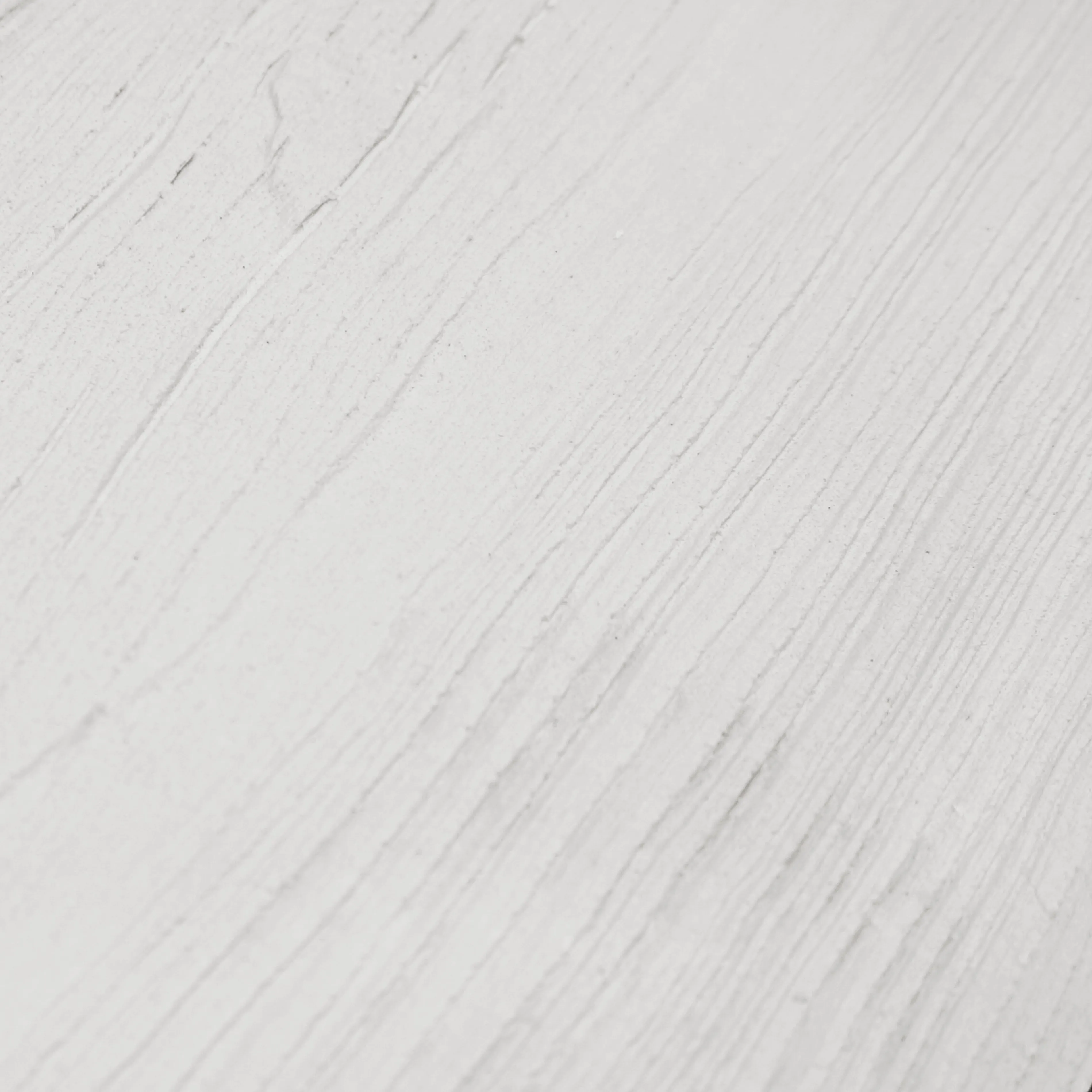
is a fan favorite for its ability to bring the cozy charm of natural wood into spaces without the formaldehyde emissions of traditional plywood or particleboard. Imagine a nursery with
White Wood
accent walls—soft, light-toned (wood grain) that adds warmth, paired with the peace of mind that your baby isn't breathing in toxic fumes. Unlike real wood, which often requires chemical treatments to resist pests or rot,
White Wood
is engineered to be moisture-resistant and low-maintenance. It's also surprisingly flexible; contractors love it for curved walls or custom furniture pieces where traditional wood might crack or warp.
2. Fair-Faced Concrete: Industrial Chic, Healthier Edition
Fair-Faced Concrete
has become a staple in modern design for its raw, minimalist appeal. But here's the kicker: traditional concrete can leach VOCs from curing agents or sealants. MCM's take on
Fair-Faced Concrete
skips the harsh chemicals, using a blend of natural aggregates and low-emission binders. The result is a material that retains that signature matte finish and subtle texture—perfect for loft apartments or restaurant interiors—without contributing to indoor air pollution. It's also fire-resistant, making it a smart choice for both safety and health.
3. Travertine (Starry Green): Nature's Sparkle, Reimagined
For those who crave the elegance of natural stone,
Travertine (Starry Green)
is a showstopper. This MCM variant mimics the look of travertine, complete with delicate veining and a "starry" sparkle from embedded mineral particles. But unlike natural travertine, which often requires heavy-duty sealants to prevent staining,
Travertine (Starry Green)
comes pre-sealed with a low-VOC coating. It's lighter than natural stone, too, making installation easier and reducing structural stress on buildings. Picture a kitchen backsplash in
Starry Green
—it catches the light beautifully, and you'll never have to worry about harsh chemicals seeping into your cooking space.
4. Lunar Peak Silvery: Out-of-This-World Style, Earth-Friendly
Lunar Peak Silvery
leans into the trend for metallic, futuristic aesthetics. With a cool, silvery sheen that evokes moonlit landscapes, it's a popular choice for accent walls in home offices or commercial lobbies. What sets it apart? Its base is a modified composite that emits next to no VOCs, even in high-humidity environments. Unlike real metal panels, which can corrode or require toxic primers,
Lunar Peak Silvery
is rust-resistant and easy to clean—no special chemicals needed.
5. Foamed Aluminium Alloy Board (Vintage Silver): Lightweight Luxury
Foamed Aluminium Alloy Board (Vintage Silver)
marries the durability of metal with the benefits of MCM engineering. Its foam core makes it lightweight (ideal for ceiling installations or wall cladding), while the vintage silver finish adds a touch of industrial elegance. Whether used in a boutique hotel or a home bar, this material brings sophistication without the off-gassing of traditional metal coatings. It's also recyclable, aligning with sustainability goals for eco-conscious builders.
Traditional vs. MCM: A Clear Choice for Air Quality
Still on the fence? Let's compare traditional materials to MCM across key factors, including VOC emissions, to see the difference:
|
Material Type
|
VOC Emissions (Typical)
|
Health Impact Risk
|
Durability
|
Aesthetic Flexibility
|
|
Traditional Plywood
|
High (formaldehyde-based adhesives)
|
Moderate to High
|
Prone to warping/moisture damage
|
Limited (natural wood grain only)
|
|
Standard Paint (Oil-Based)
|
Very High (solvents)
|
High (short-term irritation)
|
Fades/chips over time
|
High, but at cost of emissions
|
|
Natural Travertine (Sealed)
|
Moderate (from sealants)
|
Moderate
|
Durable but heavy/fragile
|
High, but limited color options
|
|
MCM White Wood
|
Low to Zero
|
Very Low
|
Resistant to moisture/warping
|
High (custom colors/textures)
|
|
MCM Fair-Faced Concrete
|
Low to Zero
|
Very Low
|
Fire/mold-resistant
|
High (matte, textured, or polished)
|
|
MCM Travertine (Starry Green)
|
Low to Zero
|
Very Low
|
Lightweight/durable
|
High (custom starry patterns/colors)
|
Real-Life Impact: A Family's Healthy Home Makeover
Take the case of the Lin family, who recently renovated their 1,200 sq ft apartment in Shanghai. Mrs. Lin, who suffers from allergies, was determined to avoid the "new home syndrome"—the headaches and congestion that plagued her after their last renovation. Working with a designer, they chose MCM materials throughout:
White Wood
for bedroom wardrobes,
Fair-Faced Concrete
for the living room accent wall, and
Travertine (Starry Green)
for the kitchen backsplash. Post-renovation air tests showed VOC levels 90% lower than the national safety standard. "We could move in right away," Mrs. Lin shared. "No more sneezing, no more stuffy rooms. It feels like living in a space that cares about us."
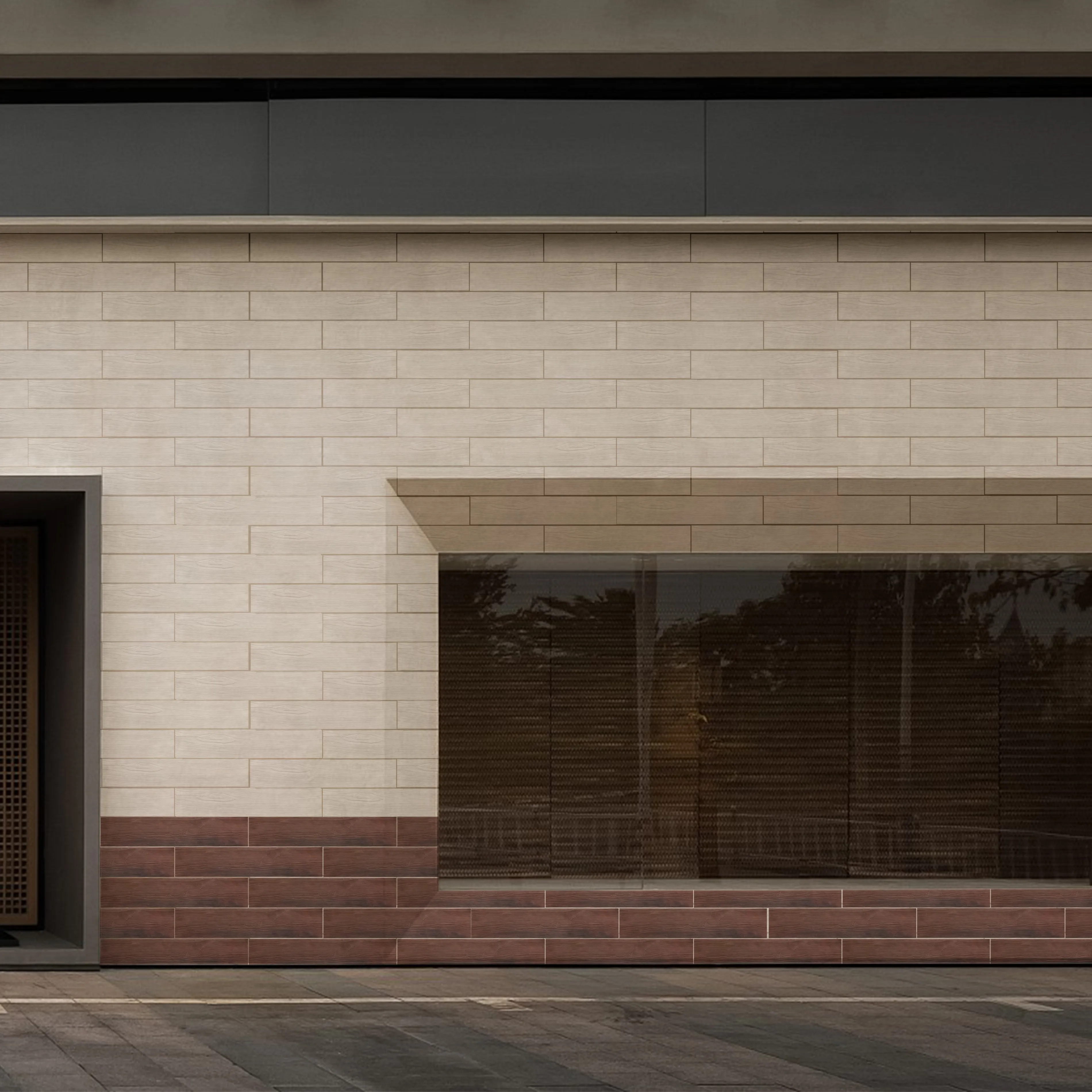
Beyond VOCs: Why MCM Makes Sense for Every Space
While low-VOC emissions are MCM's standout feature, they're far from the only benefit. These materials are also:
-
Eco-Friendly:
Many MCM products use recycled or sustainably sourced materials, reducing environmental impact.
-
Cost-Effective:
Their durability means fewer repairs or replacements over time, saving money long-term.
-
Easy to Install:
Lightweight and flexible, MCM cuts down on labor time and costs compared to heavy natural stone or traditional wood.
From residential homes to commercial spaces like hospitals, schools, and offices, MCM is proving that health and beauty don't have to be mutually exclusive.
Conclusion: Breathe Easier with MCM
Indoor air quality isn't a luxury—it's a necessity. As we spend more time indoors, the materials we choose for our walls, floors, and furniture directly impact our health and well-being. MCM materials like
White Wood
,
Fair-Faced Concrete
, and
Travertine (Starry Green)
offer a path forward: spaces that are as safe as they are stunning. They prove that you don't have to sacrifice style for sustainability, or comfort for health. So, the next time you plan a renovation, ask:
What's in the air I'm breathing?
With MCM, the answer will be simple: nothing but freshness.