
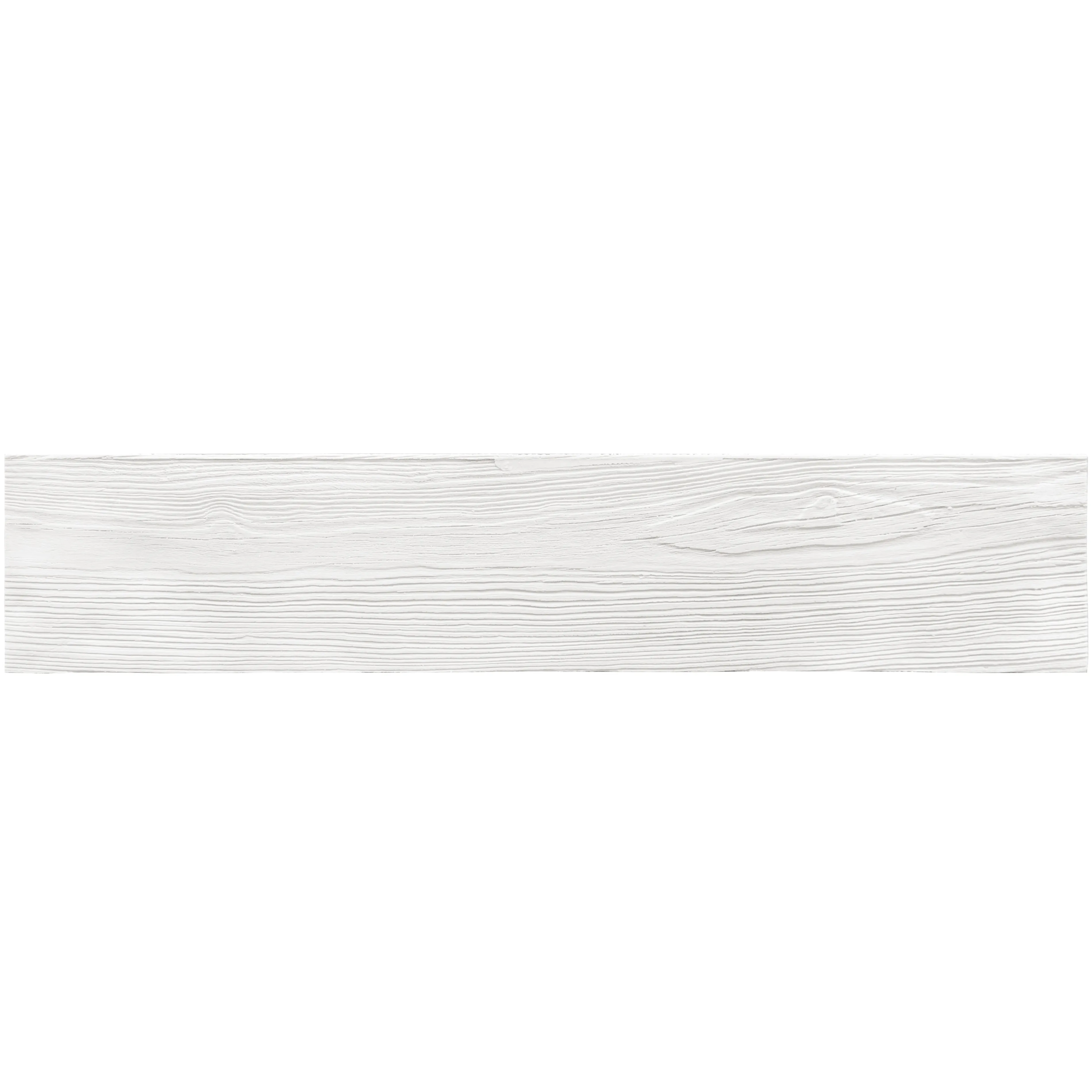
In the world of architecture, materials aren't just tools—they're storytellers. They shape how we experience spaces, how buildings age, and how we connect with the environments we inhabit. Among the many materials that grace our homes, offices, and public spaces, one stands out for its quiet versatility and timeless charm: White Wood. More than just a surface or a structural element, White Wood carries the warmth of nature with the resilience needed for modern construction. Let's explore what makes it a standout choice, and how it holds its own alongside other beloved building materials like wood grain board, bamboo mat board, and even the industrial edge of fair-faced concrete.
Before diving into its traits, let's clarify: White Wood isn't a single species, but a term used to describe light-toned woods prized for their pale color, fine grain, and workability. Think of species like pine, spruce, or poplar, though the exact type can vary by region. What unites them is that soft, almost luminous hue—like sunlight filtered through fresh snow—that gives the material its name. Unlike darker woods that demand attention, White Wood has a subtlety that makes it a chameleon in design, adapting to rustic cabins, sleek modern homes, and everything in between.
But it's not just about looks. White Wood's popularity in construction stems from a unique blend of practicality and beauty. It's been used for centuries—think of old farmhouses with whitewashed wooden beams, or traditional Japanese interiors with light wood floors—but modern advancements in treatment and finishing have only expanded its potential. Today, it's as likely to be found in high-rise lobbies as it is in cozy cottages, proving that good materials never really go out of style.
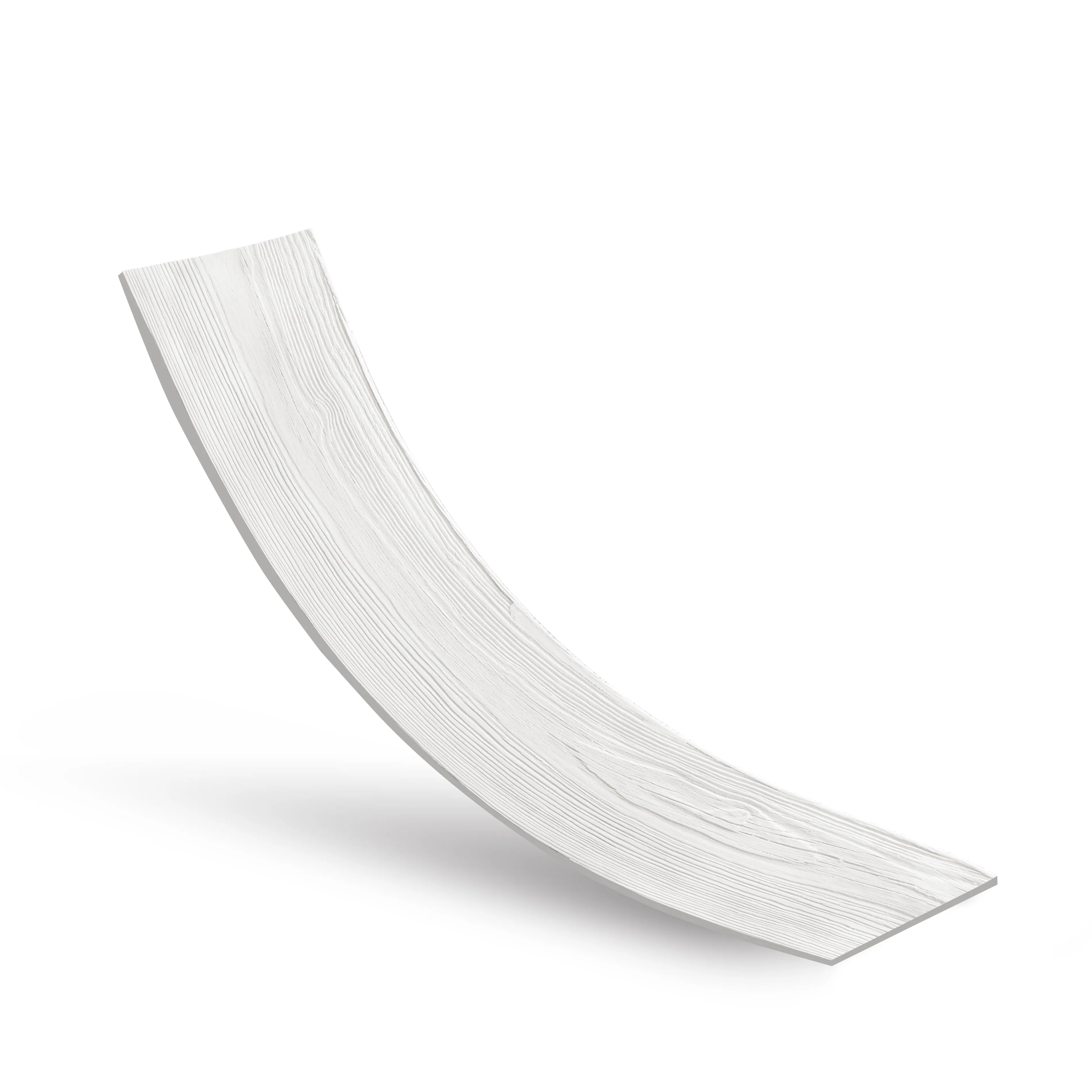
One of the first things builders notice about White Wood is its surprising strength. While it's often categorized as a "softwood," don't let the label fool you. When properly treated—with sealants, stains, or preservatives—White Wood holds up remarkably well against the elements. Take a White Wood deck, for example: with annual sealing, it can withstand rain, snow, and UV rays for decades, developing a gentle silver patina that adds character rather than detracting from its beauty. Unlike some materials that crack or warp when exposed to moisture, White Wood's natural resilience (when cared for) makes it a reliable choice for both indoor and outdoor use.
Pests? They're less of a problem than you might think. Treated White Wood resists termites and wood-boring insects, and its light density means it's less prone to the deep rot that plagues untreated woods. Even in humid climates, a well-finished White Wood wall panel or ceiling beam stays solid, making it a practical pick for coastal homes or tropical getaways.
If there's one trait that makes White Wood a designer favorite, it's its aesthetic flexibility. Its pale color acts as a blank canvas, letting other elements in a space—bold artwork, vibrant textiles, or contrasting materials—shine. In a minimalist kitchen, White Wood cabinets paired with marble countertops create a clean, airy feel. In a cabin-style living room, White Wood ceiling planks with visible knots and grain add warmth without overwhelming the space.
And then there are the finishes. Stain it a warm honey tone for a traditional look, or keep it natural with a clear sealant to highlight its snowy color. Some homeowners even opt for a whitewash to enhance its "white" in gabled ceilings or accent walls. Compare that to wood grain board—a synthetic material designed to mimic wood patterns—which, while versatile, can lack the organic variation of real White Wood. White Wood's grain tells a story; each knot, each swirl, is a unique fingerprint from the tree it came from, adding depth that printed patterns just can't replicate.
In an era where green building is more than a trend, White Wood checks the sustainability box, too. Most White Wood species are fast-growing—pine, for instance, matures in 25-30 years—making them a renewable resource. When sourced from FSC-certified forests (Forests Stewardship Council), White Wood ensures that for every tree cut down, another is planted, keeping ecosystems balanced. Compare that to bamboo mat board, which is also sustainable but often requires heavy processing to bind bamboo strips into boards. White Wood, by contrast, is a natural product with minimal processing, reducing its carbon footprint.
It's also biodegradable. At the end of its life, a White Wood beam or panel won't sit in a landfill for centuries; it will break down, returning to the earth. For eco-conscious builders, that's a big selling point. Even better, its light weight reduces transportation emissions—trucks can carry more White Wood planks per trip than heavier materials like stone or concrete, cutting down on fuel use during construction.
Talk to carpenters and contractors, and they'll rave about how easy White Wood is to work with. Its soft texture means it cuts cleanly with standard tools, drills without splintering, and sands to a smooth finish. Whether you're building a custom bookshelf, installing wainscoting, or framing a wall, White Wood bends (literally and figuratively) to the task. This workability makes it ideal for DIY projects, too—homeowners don't need industrial equipment to shape it, saving time and money on labor.
Contrast that with fair-faced concrete, a material celebrated for its raw, industrial look. While fair-faced concrete has its own appeal, it's heavy, requires specialized mixing and pouring, and leaves little room for mistakes. White Wood, by comparison, is forgiving. A mismeasured cut? Sand it down and try again. Want to add a decorative edge? A router or chisel will glide through it. For small-scale projects or custom designs, that flexibility is invaluable.
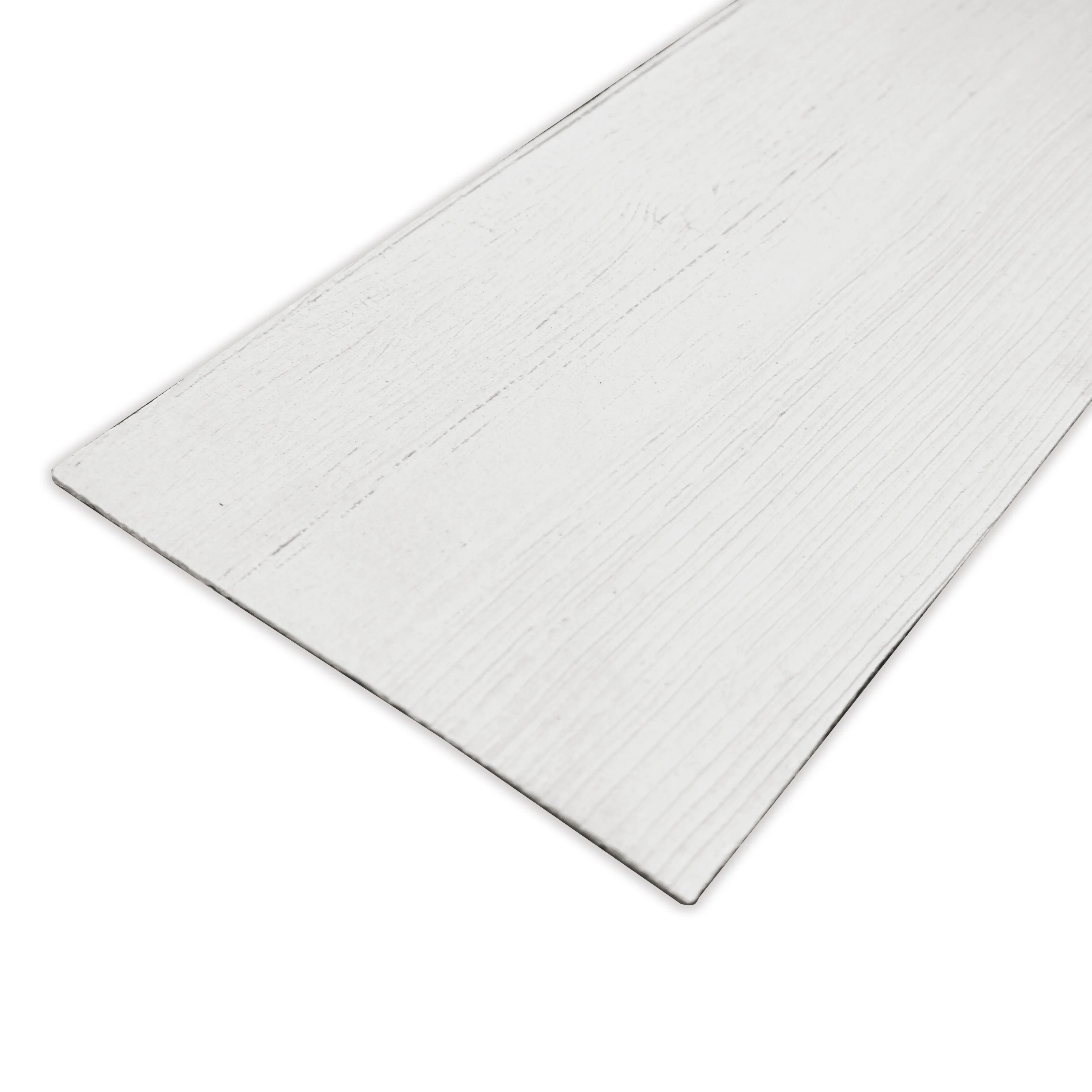
To truly appreciate White Wood, it helps to see how it stacks up against other popular building materials. Let's compare it to two close cousins—wood grain board and bamboo mat board—and touch on how it complements (or contrasts with) fair-faced concrete.
| Traits | White Wood | Wood Grain Board | Bamboo Mat Board |
|---|---|---|---|
| Durability | High (with treatment); ages with patina | Medium; prone to chipping at edges | High; naturally moisture-resistant |
| Aesthetic | Organic grain, unique knots, natural variation | Uniform printed patterns; consistent look | Linear, woven texture; modern, earthy vibe |
| Sustainability | High (renewable, biodegradable, FSC-certified options) | Medium (synthetic binders may contain VOCs) | High (fast-growing bamboo, low processing) |
| Cost | Moderate (varies by species and treatment) | Budget-friendly (mass-produced) | Moderate to high (premium for natural bamboo) |
| Workability | Excellent (easy to cut, shape, and sand) | Good (but may splinter; requires sharp tools) | Fair (harder than wood; may dull tools faster) |
As the table shows, White Wood holds its own in key areas. While wood grain board is cheaper and bamboo mat board offers unique texture, White Wood's natural beauty and workability make it a top choice for projects where authenticity matters. And when paired with fair-faced concrete? The contrast is striking. Imagine a modern home with fair-faced concrete walls (cool, industrial, sleek) and a White Wood ceiling (warm, organic, soft). Together, they balance each other, creating a space that feels both grounded and airy. It's a pairing architects love for its ability to blend the old and new—nature and industry—in one cohesive design.
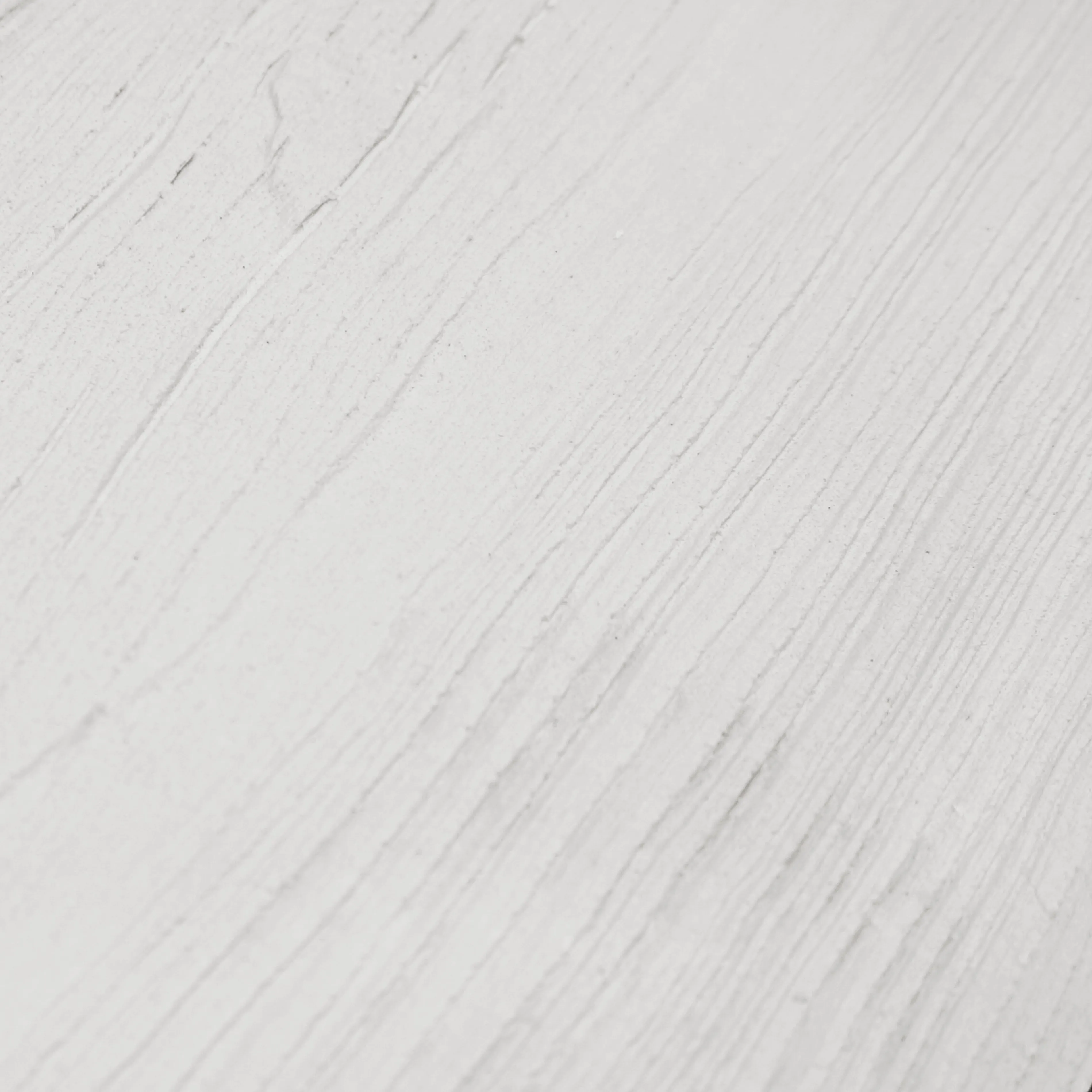
White Wood's versatility means it pops up in all kinds of spaces, from cozy bedrooms to grand public buildings. Here are just a few ways it's used:
One memorable example is a boutique hotel in the Pacific Northwest, where designers used White Wood for both exterior siding and interior ceiling beams. The result? A building that blends into the surrounding forest (thanks to the wood's natural color) while feeling warm and inviting inside. Guests often comment on how the space "feels like a hug from nature"—a testament to White Wood's ability to create emotional connections with people.
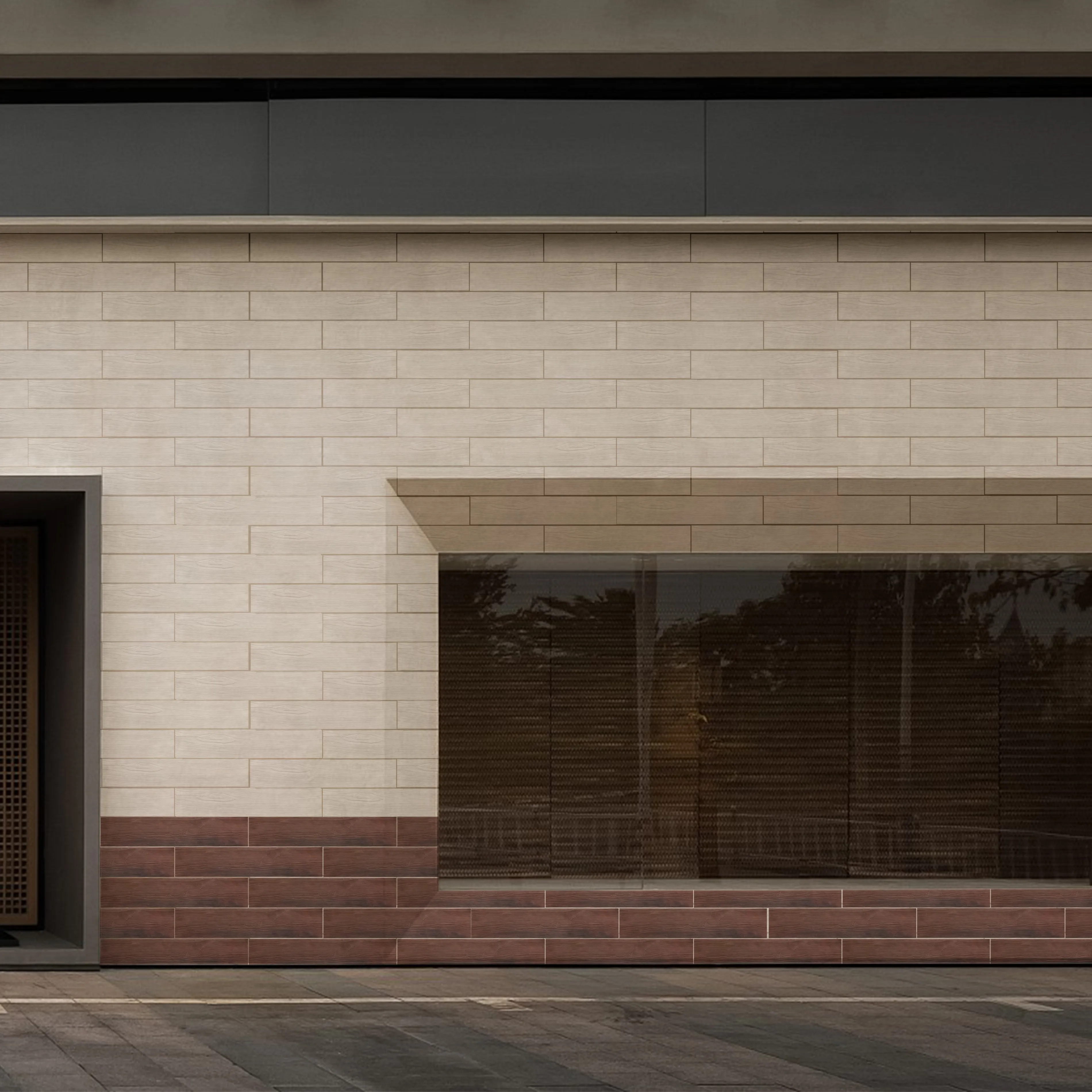
Like any natural material, White Wood needs a little TLC to stay looking its best. Here's how to keep it in top shape:
Indoors: Dust regularly with a microfiber cloth, and wipe spills immediately with a damp rag (avoid harsh cleaners, which can strip the finish). Every 3-5 years, apply a fresh coat of clear sealant or wax to protect against scratches and moisture. For floors, use felt pads under furniture to prevent dents.
Outdoors: Clean with a mild soap and water solution annually, and inspect for cracks or peeling sealant. Re-seal every 1-2 years (more often in rainy or coastal areas) to prevent water damage. If you notice mold or mildew, a mixture of vinegar and water will kill it without harming the wood.
The good news? Even with minimal care, White Wood ages gracefully. That silver patina we mentioned earlier? Many homeowners consider it a feature, not a flaw. It adds character, telling the story of years of family gatherings, quiet mornings, and life well-lived.
As we lean into sustainable building practices and crave more connection to nature in our built environments, White Wood's popularity is only growing. Architects are using it in innovative ways—think curved White Wood ceilings in airports, or modular White Wood panels in affordable housing projects. Its light weight makes it ideal for eco-friendly builds, where reducing material waste and energy use is key.
It also aligns with the "biophilic design" trend, which seeks to bring nature into indoor spaces to boost mental health and well-being. Studies show that natural materials like wood can reduce stress and improve focus—something we could all use more of in our busy lives. White Wood, with its soft color and organic texture, is the perfect partner for this movement.
And let's not forget its affordability. While some premium woods (like teak or oak) can break the bank, White Wood offers a budget-friendly way to bring natural beauty into a space. For homeowners or builders working with limited funds, that's a game-changer. It proves you don't need to splurge to create a home that feels warm, welcoming, and connected to the world outside.
At the end of the day, building materials are about more than function—they're about feeling. White Wood excels here because it doesn't just build spaces; it creates moods. It's the quiet strength in a rustic cabin, the fresh simplicity in a modern loft, and the sustainable choice in an eco-friendly home. Its durability, beauty, and versatility make it a standout, whether paired with wood grain board for a layered look, bamboo mat board for texture, or fair-faced concrete for contrast.
So the next time you walk into a room and feel an instant sense of calm, take a closer look at the materials around you. If there's White Wood in the mix—whether in the floors, walls, or furniture—you'll know why. It's not just wood. It's a material with heart, and that's something no synthetic or industrial alternative can fully replicate. In a world that's always rushing toward the new, White Wood reminds us that sometimes the best building blocks are the ones that have been right in front of us all along.
Recommend Products












