
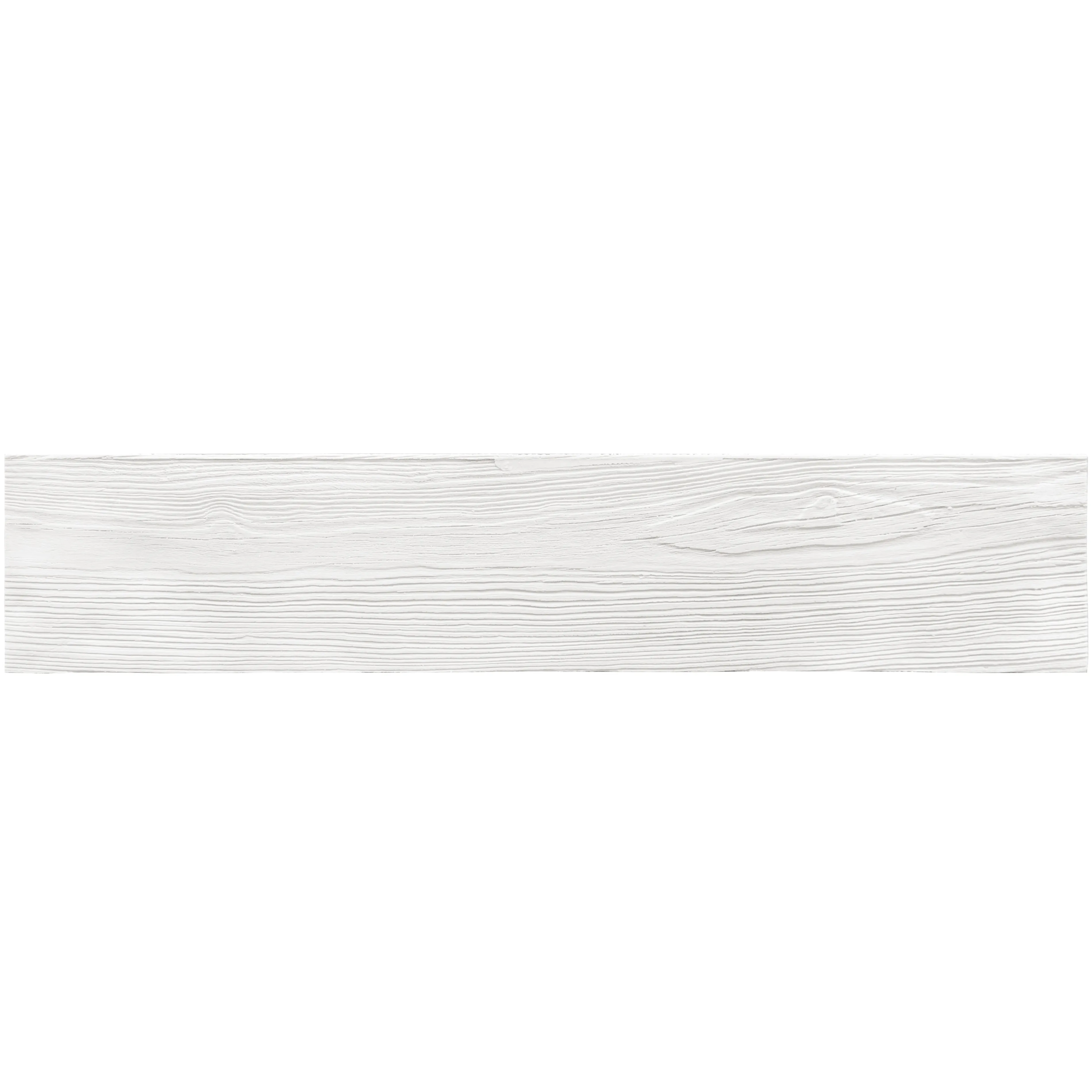
Exploring the rise of a timeless aesthetic in modern Saudi architecture
Saudi Arabia's skyline is in the midst of a quiet revolution. For decades, the nation's architecture was defined by stark concrete monoliths and glass facades—bold, functional, yet often lacking the warmth of human connection. Today, a new trend is emerging: white wood cladding. It's a material that speaks to both the country's rich cultural heritage and its ambitious vision for the future, blending the organic texture of wood with the clean, sun-reflective properties of white. In a landscape where temperatures soar and light is abundant, white wood cladding isn't just a design choice; it's a dialogue between nature and modernity, between tradition and progress.
From the bustling streets of Riyadh to the coastal elegance of Jeddah, architects and designers are embracing this material to create spaces that feel both expansive and intimate. It's a response to a growing desire for buildings that don't just serve a purpose, but tell a story—one of sustainability, of cultural pride, and of a future where architecture harmonizes with the environment. As we look to 2025, white wood cladding isn't just a trend; it's a movement reshaping how Saudi Arabia builds, lives, and sees itself.
To understand the rise of white wood cladding, we must first look to the past. Traditional Saudi architecture was a masterclass in adaptability: mud-brick walls, thick and insulating, kept interiors cool in the desert heat; wooden latticework (mashrabiya) filtered harsh sunlight while preserving privacy. These materials were local, sustainable, and deeply tied to the rhythms of daily life. But as the nation rapidly modernized in the 20th century, concrete and steel became the norm. While these materials offered speed and scalability, they often stripped buildings of their soul—creating sterile, uniform cityscapes that felt disconnected from Saudi identity.
In recent years, however, there's been a quiet renaissance. Architects are revisiting traditional materials with fresh eyes, seeking to merge their timeless appeal with modern performance. White wood cladding sits at the heart of this revival. It echoes the warmth of the wooden beams once used in traditional Najdi homes, yet its light color and sleek finish feel distinctly contemporary. It's a bridge between eras—a way to honor the past while building for a future where sustainability and aesthetics are equally valued. This isn't just nostalgia; it's a deliberate choice to create spaces that feel rooted, even as they reach for the sky.
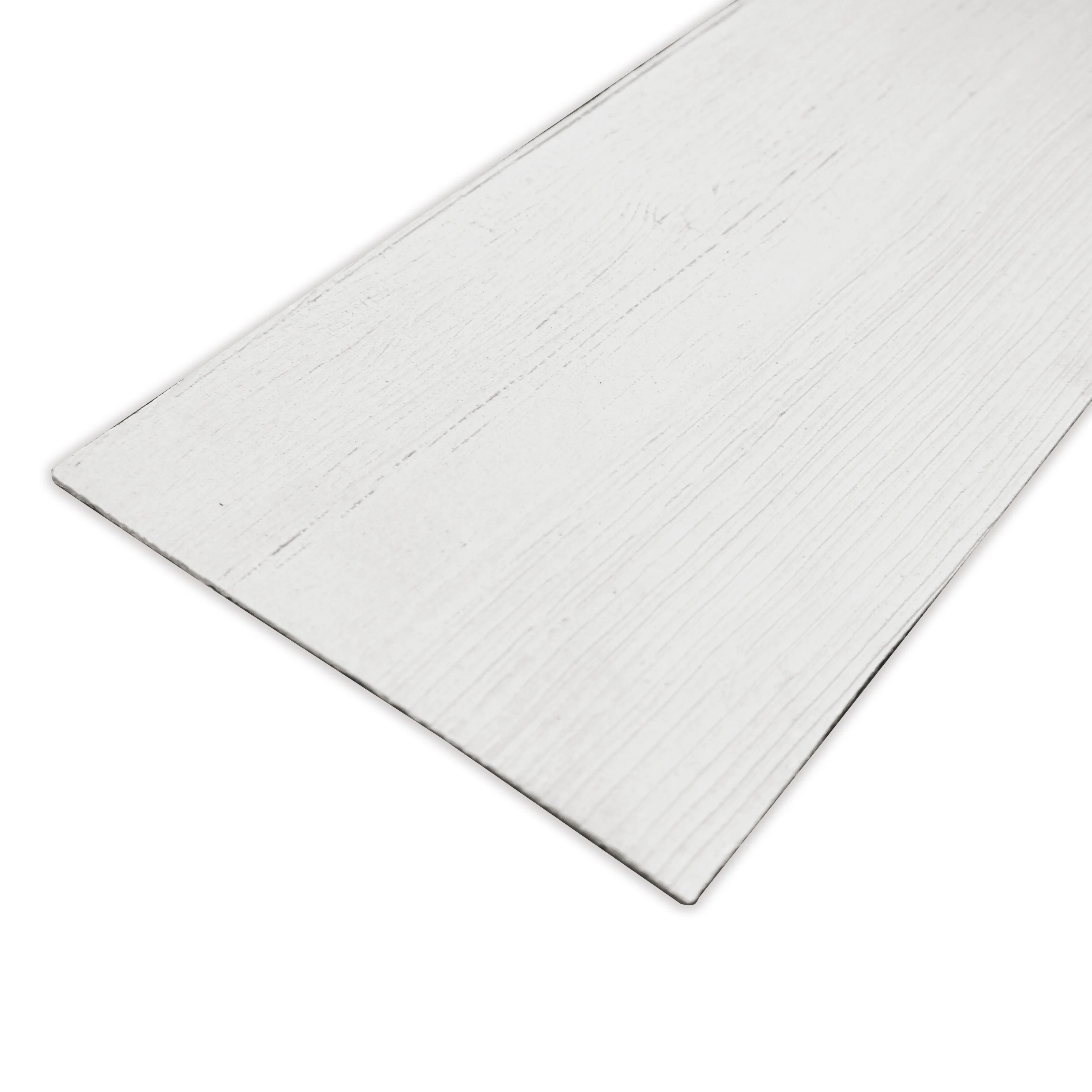
At first glance, white might seem an unlikely star in a desert landscape dominated by earthy tones of sand and stone. But in Saudi Arabia, where sunlight is intense and temperatures can exceed 50°C, white is a practical choice. It reflects up to 80% of solar radiation, keeping buildings cooler and reducing reliance on air conditioning—a critical factor in a nation working to lower its carbon footprint. Yet beyond functionality, white wood cladding offers something deeper: a sense of calm. In a world of noise and chaos, its soft, neutral palette creates spaces that feel serene, almost meditative.
Then there's the wood itself. Unlike cold concrete or glossy glass, wood has a tactile quality that invites touch. Its grain tells a story of growth, of time, of the natural world—a stark contrast to the man-made precision of modern cities. When stained white, this grain becomes a subtle work of art: delicate lines that catch the light, shifting from warm ivory to soft cream as the sun moves across the sky. It's a material that ages gracefully, too; over time, white wood develops a gentle patina, adding character rather than showing wear. In a region where durability is key, this longevity is invaluable.
Perhaps most importantly, white wood cladding is versatile. It works in residential villas, commercial offices, and cultural centers alike. Pair it with traditional stone accents, and it feels rooted in heritage; combine it with floor-to-ceiling glass, and it becomes sleek and futuristic. It's a chameleon, adapting to the vision of the architect while maintaining its core identity—a material that doesn't just cover buildings, but elevates them.
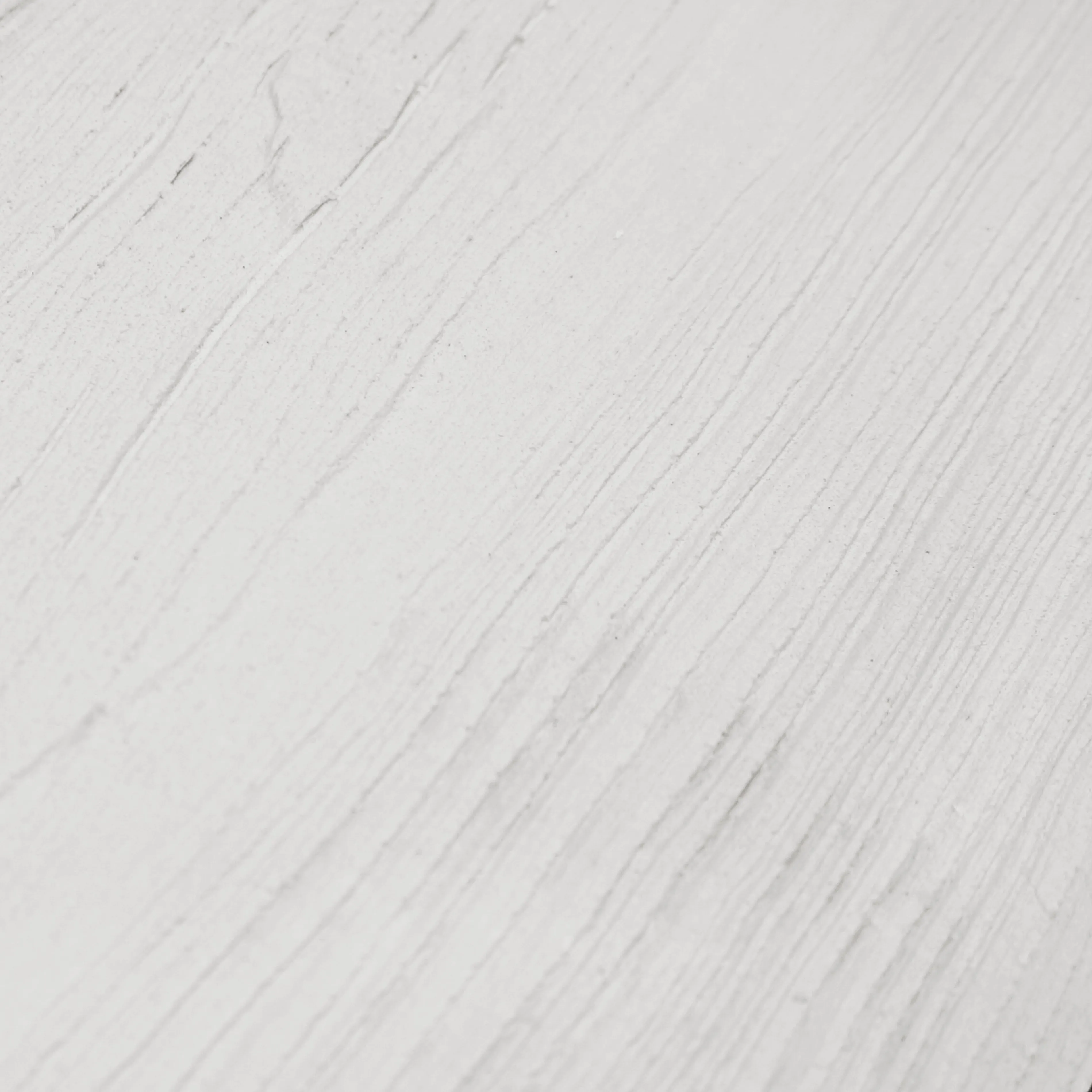
Gone are the days of flat, uniform cladding. In 2025, texture will be king—and white wood is leading the charge. Designers are experimenting with wood grain board techniques that amplify the natural pattern of the wood, creating depth and movement. Imagine a facade that shimmers as you walk past, its surface rippling with the organic lines of oak or teak. Some are even adding subtle 3D elements: small indentations or raised panels that cast delicate shadows at different times of day. This isn't just about aesthetics; texture adds grip, making white wood cladding safer in wet conditions (a boon for coastal cities like Jeddah). It also reduces glare, ensuring buildings remain visually striking without overwhelming the senses.
Saudi Arabia's Vision 2030 has put sustainability at the forefront of national priorities, and white wood cladding is answering the call. In 2025, "green" won't be a buzzword—it will be a requirement. Architects and developers are increasingly sourcing wood from FSC-certified forests, ensuring it's harvested responsibly and replanted. Some are even exploring local alternatives, like bamboo (though its pale color requires careful treatment to achieve that signature white hue). Equally important is the rise of green building materials as a whole: white wood cladding is often paired with solar panels, green roofs, and rainwater harvesting systems, creating buildings that don't just look sustainable, but act sustainable. This shift isn't just good for the planet; it's good for business. With global investors prioritizing ESG (Environmental, Social, Governance) criteria, sustainable cladding has become a selling point for commercial projects.
White wood cladding rarely stands alone—and 2025 will see even more creative pairings. One of the most exciting trends is the combination of white wood with fair-faced concrete . The contrast is striking: the warmth of wood against the raw, industrial texture of concrete creates a balance of soft and hard, organic and man-made. It's a look that feels both grounded and forward-thinking, perfect for mixed-use developments in Riyadh's King Abdullah Financial District. Another rising star is mcm flexible stone , a lightweight, durable material that mimics the look of natural stone. When used as an accent—say, a stone panel inset into a white wood facade—it adds a touch of rugged elegance, paying homage to Saudi Arabia's rocky landscapes. Even metal is getting in on the action: thin strips of brushed brass or copper are being used to frame white wood panels, adding a hint of luxury without overwhelming the design.
In a world of mass production, uniqueness is a luxury—and 2025 will see a surge in custom white wood cladding. Architects are working closely with manufacturers to create one-of-a-kind patterns: geometric shapes inspired by traditional Islamic art, flowing lines that echo desert winds, even abstract designs that tell local stories. Some are using CNC machines to carve intricate details into the wood, turning facades into giant works of art. Others are experimenting with color gradients, blending white with soft beiges or pale grays to create a sense of movement. This level of customization isn't just about aesthetics; it's about identity. In a region where cities are growing rapidly, buildings want to stand out—to say, "This is who we are."
Finally, 2025 will see white wood cladding move beyond exteriors and into interiors, creating seamless transitions between inside and out. Imagine a villa where the same white wood panels that cover the facade continue into the living room, wrapping around a fireplace or lining a feature wall. It's a design trick that makes spaces feel larger and more connected to nature—a critical consideration in Saudi Arabia, where outdoor living is cherished but often limited by extreme heat. By extending white wood indoors, architects are bringing the calm of the exterior into the home, creating sanctuaries that feel both open and cozy. It's a reminder that great design isn't just about what you see—it's about how you feel.
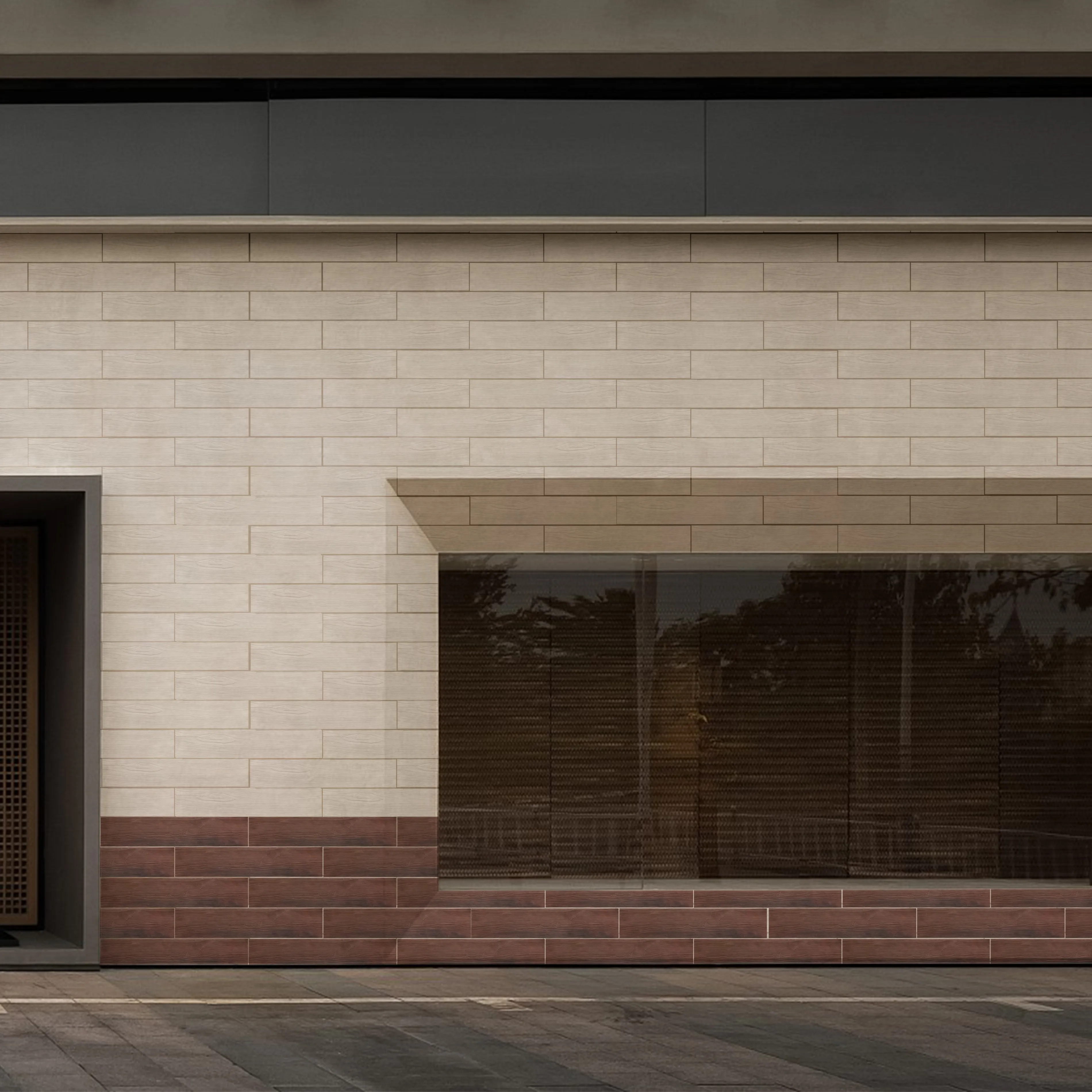
No material exists in a vacuum, and white wood cladding is at its best when paired with complementary elements. To help designers navigate the options, we've compared white wood to two popular alternatives: fair-faced concrete and wood grain board. Each brings its own strengths to the table, but white wood's versatility makes it a standout choice for 2025.
| Material | Aesthetic Appeal | Durability (Avg. Lifespan) | Sustainability | Cost (Relative) |
|---|---|---|---|---|
| White Wood Cladding | Warm, organic, with subtle texture; bright white hue reflects light and creates calm spaces. | 15–20 years (with proper treatment and maintenance) | High (when sourced from FSC-certified forests; biodegradable at end of life) | Medium-High |
| Fair-Faced Concrete | Raw, industrial, with a matte finish; gray tone adds bold contrast to white wood. | 50+ years (resistant to weathering and pests) | Medium (high carbon footprint during production; recyclable) | Medium |
| Wood Grain Board | Replicates wood texture with more uniformity; available in white but often warmer tones. | 10–15 years (less prone to warping than solid wood) | Medium (often made from composite materials; may contain plastics) | Medium |
The takeaway? While fair-faced concrete offers unbeatable durability and wood grain board provides a budget-friendly alternative, white wood cladding stands out for its emotional resonance. It's not just a material—it's a feeling. And in 2025, that feeling will be more important than ever.
To see white wood cladding in action, look no further than Riyadh's Al Faisaliah District, where the recently completed "White Dune" residential complex has become a local landmark. Designed by Saudi architect Lina Al-Hathloul, the complex features 12 villas clad in white oak, their facades angled to mimic the curves of desert sand dunes. The wood, sourced from sustainably managed forests in Sweden, was treated with a UV-resistant coating to withstand Riyadh's harsh sun. Residents report cooler indoor temperatures (average 3–4°C lower than neighboring concrete buildings) and a sense of peace that comes from the soft, diffused light filtering through the wood. "It feels like living in a poem," says one homeowner. "The way the light changes on the walls throughout the day—it's never the same twice."
In Jeddah, the boutique "Azure Hotel" has taken a different approach, pairing white wood cladding with mcm flexible stone accents. The hotel's exterior features horizontal white wood panels interrupted by vertical strips of stone in warm terracotta—a nod to traditional Jeddah architecture. Inside, the same wood lines the lobby, where it wraps around a fireplace and contrasts with fair-faced concrete floors. "We wanted to create a space that felt both local and global," says interior designer Omar Khalid. "White wood gave us the warmth we needed, while the stone grounded it in Saudi culture. Guests love it—they say it feels like a home away from home."
Despite its many benefits, white wood cladding isn't without challenges—especially in Saudi Arabia's unique climate. Coastal cities like Jeddah face high humidity, which can lead to mold and rot; inland areas like Riyadh battle extreme heat and dust. Termites, too, are a concern, as wood is a natural food source. But designers are finding innovative solutions. For humidity, many are using pressure-treated wood infused with boron compounds, which repel insects and prevent mold. In dusty regions, special coatings create a smooth, easy-to-clean surface that can be hosed down without damage. Some are even combining white wood with mcm flexible stone in high-risk areas (like ground floors), using the stone as a protective barrier while keeping the wood's aesthetic intact.
Cost is another hurdle. White wood cladding is often pricier than concrete or vinyl, but proponents argue it's an investment. "Yes, upfront costs are higher," says developer Ali Al-Mansoori, "but the energy savings alone pay for it within 5–7 years. Plus, properties with white wood cladding sell faster and at a premium. People are willing to pay for beauty and sustainability." Government incentives are helping, too: Saudi Arabia's Ministry of Energy offers tax breaks for projects using green building materials , making white wood more accessible for developers of all sizes.
As we move into 2025 and beyond, white wood cladding shows no signs of slowing down. In fact, experts predict it will become even more integrated into Saudi Arabia's architectural fabric, with new innovations on the horizon. One exciting development is the rise of "smart" wood cladding: panels embedded with sensors that monitor temperature, humidity, and structural integrity, sending data to building managers in real time. Another is the exploration of bio-based coatings, made from natural materials like beeswax and plant oils, which enhance durability while keeping the wood's organic feel.
There's also a growing focus on circularity. In the past, old cladding was often sent to landfills; now, companies are developing ways to recycle it into new products, like furniture or decorative panels. "Sustainability isn't just about the materials we use," says environmental architect Amina Al-Zahrani, "but about how we treat them at the end of their life. White wood cladding, with its biodegradable nature, is perfectly positioned to lead this charge."
White wood cladding is more than a trend; it's a reflection of Saudi Arabia's evolving identity. It's a material that honors the past while embracing the future—a bridge between tradition and innovation, between sustainability and beauty. As we look to 2025, it's clear that white wood will play a central role in shaping the nation's built environment, creating spaces that are not just functional, but meaningful. Spaces that make us feel connected—to the land, to our heritage, and to each other.
In the end, architecture is about people. It's about the way a building makes you feel when you walk through its doors, the way light dances on its walls, the stories it tells. White wood cladding, with its warmth, its versatility, and its quiet elegance, tells a story of hope—a story of a nation building a future that's as bright and enduring as the desert sun.
Recommend Products












