
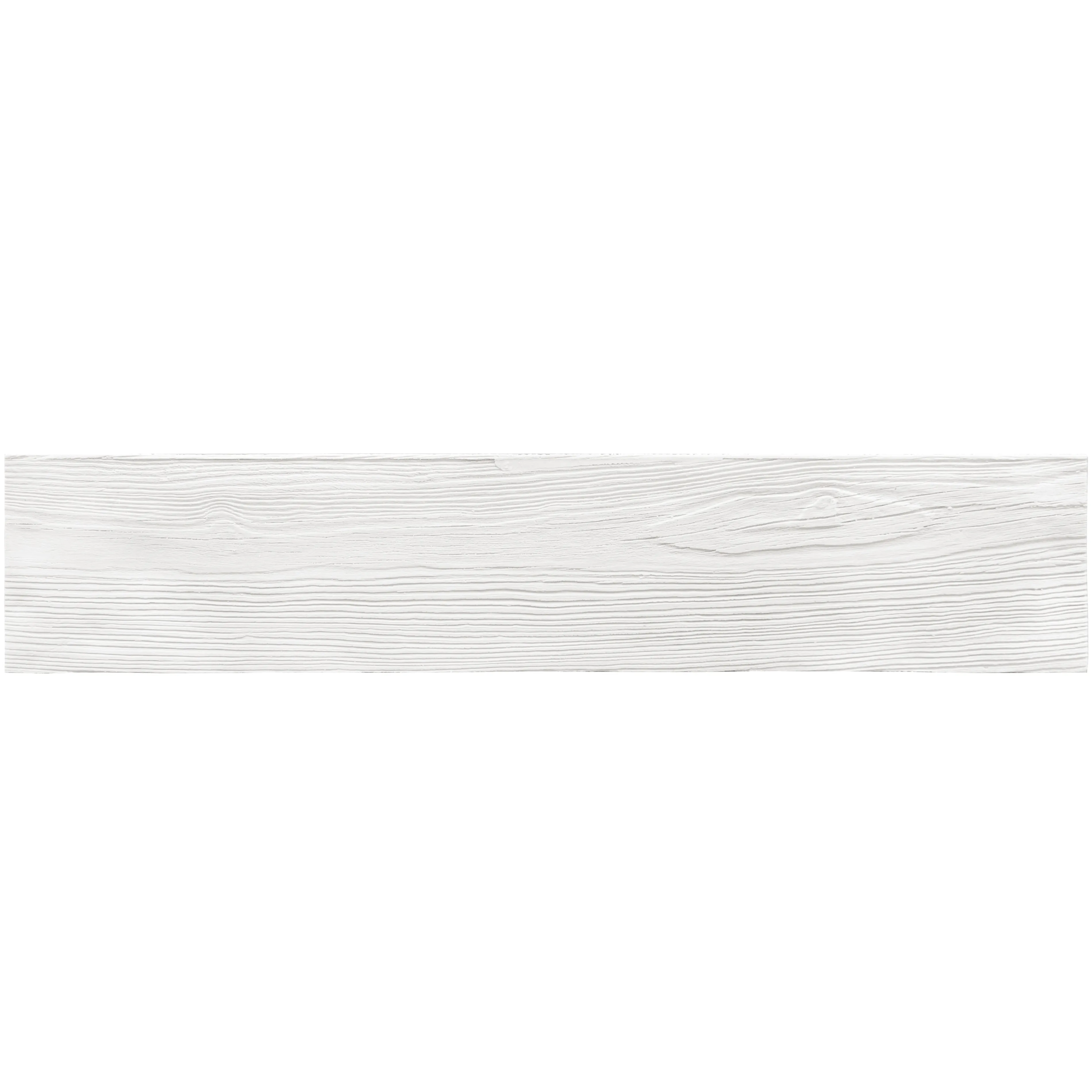
In an era where travelers increasingly seek stays that align with their values, eco-friendly hotels have moved from niche to necessity. Today's guests don't just want a comfortable bed—they want to feel good about where they spend their money, knowing their stay supports sustainability. And while energy-efficient HVAC systems and water-saving fixtures are foundational, it's the decor that often leaves the first (and lasting) impression. Enter white wood decor: a timeless choice that marries aesthetic charm with eco-consciousness, setting the stage for spaces that feel both luxurious and responsible. But how do you leverage white wood and other sustainable materials to not only create stunning interiors but also earn coveted green building certifications? Let's dive in.
Walk into a hotel lobby draped in white wood, and you'll immediately understand its magic. There's something inherently calming about its light, airy tones—think sunlit coastal retreats or minimalist mountain lodges. Unlike dark woods that can feel heavy, white wood opens up spaces, making even compact areas feel spacious and inviting. It's versatile, too: pair it with soft pastels for a serene vibe, bold accents for modern edge, or natural textures for rustic warmth. But beyond aesthetics, white wood brings a quiet sustainability story that eco-friendly hotels can't afford to overlook.
Take, for example, bamboo mat board—a close cousin in the sustainable decor family. Bamboo, known for its rapid growth and minimal resource needs, offers a similar light-toned look to white wood but with even faster renewability. Hotels in tropical regions, like Bali, have embraced bamboo mat board for ceiling panels or room dividers, blending local craftsmanship with eco-credentials. It's a reminder that white wood decor isn't limited to traditional timber; it's a design philosophy centered on light, natural materials that honor the planet.
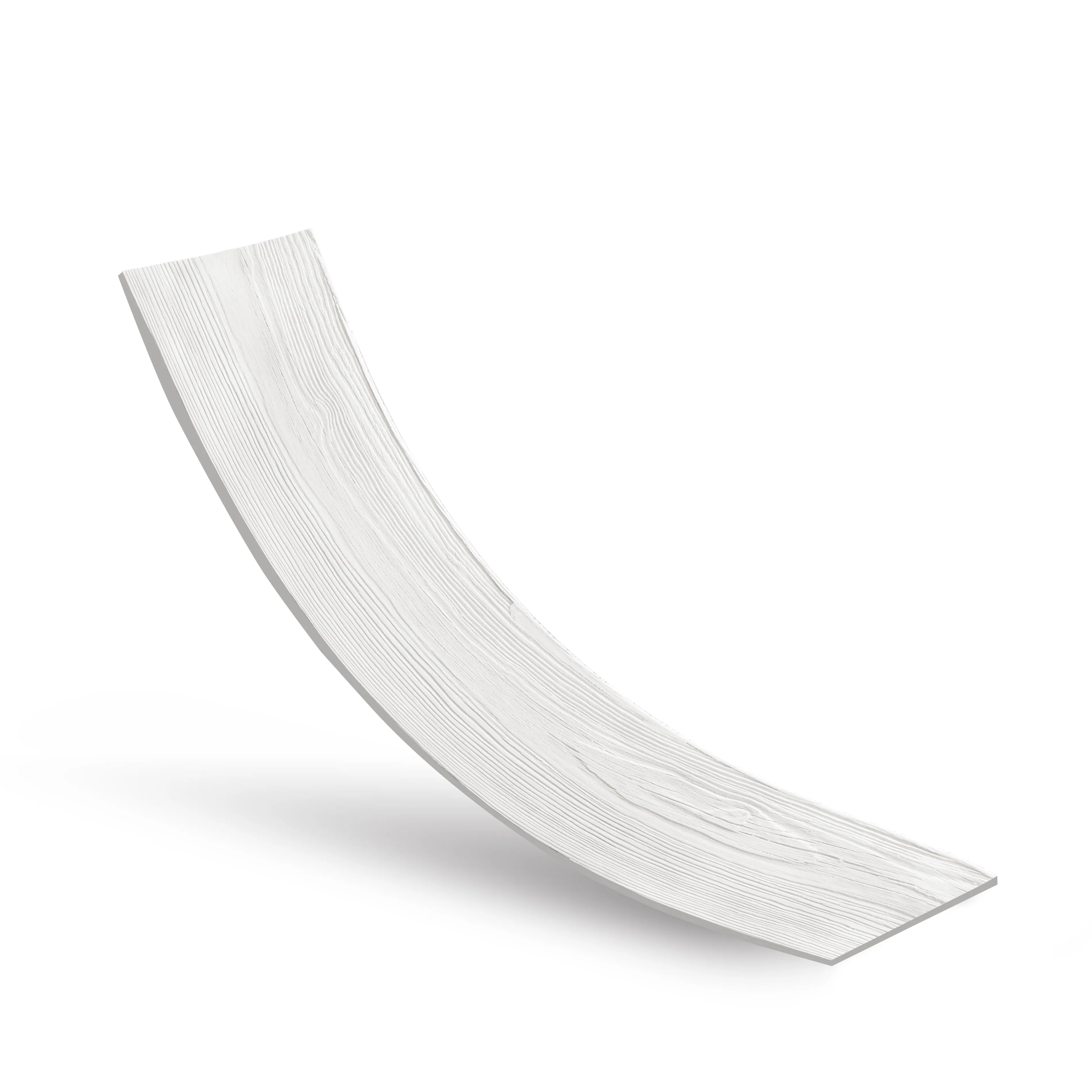
Not all white wood is created equal, and that's where the sustainability rubber meets the road. The key lies in sourcing. Opting for FSC-certified white wood ensures the timber comes from forests managed responsibly—no illegal logging, no habitat destruction, just forests that are replanted and preserved for future generations. Reclaimed white wood takes it a step further: salvaged from old barns, warehouses, or even decommissioned ships, it gives new life to materials that might otherwise end up in landfills. Imagine a hotel bar where the countertop is made from reclaimed white wood, each knot and grain telling a story of the past—guests love that narrative, and it slashes the carbon footprint of new timber production.
Durability is another win. High-quality white wood, when treated with low-VOC (volatile organic compound) finishes, can withstand the wear and tear of hotel life—think scuff-resistant floors in hallways or moisture-resistant panels in bathrooms. Unlike synthetic materials that degrade quickly and require frequent replacement, white wood ages gracefully, reducing long-term waste. And when it does eventually reach the end of its lifecycle, it's biodegradable, leaving minimal environmental trace. Compare that to plastic laminates or vinyl "wood-look" boards, which often end up as non-recyclable waste, and the choice becomes clear.
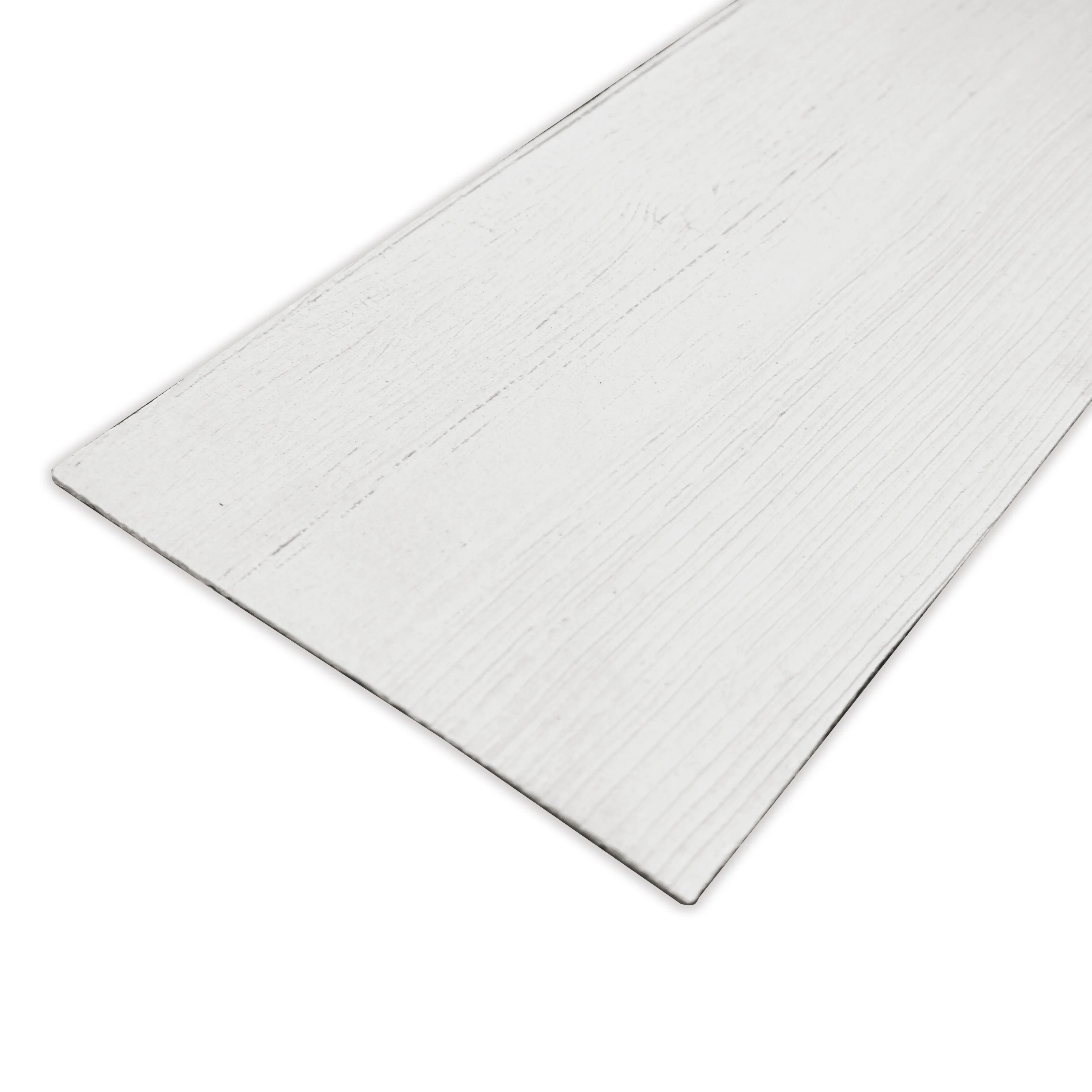
White wood is a star, but even stars shine brighter with supporting cast members. To create truly sustainable hotel interiors, designers are increasingly mixing white wood with other eco-friendly materials that enhance both aesthetics and green credentials. Let's explore two standout options:
There's a reason fair-faced concrete has become a darling of eco-design. Stripped of paint or polish, it showcases the material's natural texture—pockmarks, subtle color variations, and the imprint of wooden molds—adding an industrial-chic edge to spaces. When paired with white wood, the contrast is striking: the warmth of the wood softens the concrete's coolness, creating a balance that feels both modern and grounded. Sustainability-wise, fair-faced concrete checks boxes: it's often sourced locally (reducing transportation emissions), requires minimal processing (no toxic coatings), and has excellent thermal mass, helping regulate indoor temperatures and cut energy use. A hotel restaurant with white wood tables and fair-faced concrete walls? It's a recipe for Instagram-worthy spaces that guests (and certification auditors) adore.
For hotels wanting to add a touch of luxury without the environmental cost of traditional metals, foamed aluminium alloy board (vintage silver) is a game-changer. Lightweight yet strong, this material is made by injecting gas into molten aluminium, creating a porous structure that's 70% lighter than solid aluminium. That means easier installation, lower transportation emissions, and reduced structural load on buildings. Its vintage silver finish adds a subtle metallic sheen—perfect for accent walls in lobbies or trim around white wood headboards in guest rooms. And here's the kicker: aluminium is 100% recyclable, with no loss in quality. So when the time comes to renovate, that vintage silver paneling can be melted down and repurposed, closing the sustainability loop.
Sustainable decor is more than just a design choice—it's a business strategy. Green building certifications like LEED, BREEAM, and Green Key validate your hotel's eco-efforts, boosting bookings (studies show 68% of travelers prefer certified green accommodations) and even commanding premium rates. But earning these certifications takes planning, especially when it comes to materials like white wood, fair-faced concrete, and foamed aluminium. Let's break down the top certifications and actionable tips to ace them:
| Certification | Key Focus Areas | Material-Specific Tips |
|---|---|---|
| LEED (Leadership in Energy and Environmental Design) | Energy efficiency, water conservation, indoor environmental quality, sustainable materials |
- Use FSC-certified white wood for 10+ points in Materials & Resources.
- Specify foamed aluminium with 30%+ recycled content to meet recycled materials credits. - Opt for fair-faced concrete from local suppliers (within 500 miles) to reduce transportation impacts. |
| BREEAM (Building Research Establishment Environmental Assessment Method) | Lifecycle assessment, biodiversity, pollution, innovation |
- Conduct a lifecycle analysis (LCA) of white wood and fair-faced concrete to prove long-term sustainability.
- Ensure white wood finishes have low VOC emissions (<0.1 mg/m³) for Indoor Air Quality credits. - Use foamed aluminium in exterior cladding to reduce heat gain, earning points for Energy. |
| Green Key | Operational sustainability, guest engagement, waste reduction |
- Display FSC labels for white wood furniture to educate guests on sustainable sourcing.
- Partner with local artisans to craft fair-faced concrete decor, supporting community economies. - Implement a recycling program for foamed aluminium waste during construction. |
1. Start Early: Integrate certification goals into the design phase, not as an afterthought. Work with architects and suppliers who understand LEED or BREEAM requirements—they'll help you avoid costly rework later.
2. Document Everything: Keep receipts, FSC certificates, and material safety data sheets (MSDS) for white wood, fair-faced concrete, and foamed aluminium. Auditors will ask for proof of sustainable sourcing and low-VOC products.
3. Engage Your Team: Train staff to explain the hotel's green efforts to guests. A front desk agent who can talk about the reclaimed white wood in the lobby isn't just sharing information—they're building brand loyalty.
4. Think Beyond Materials: Green certifications reward holistic sustainability. Pair your white wood decor with energy-efficient lighting, water-saving showerheads, and a waste-to-compost program to maximize points.
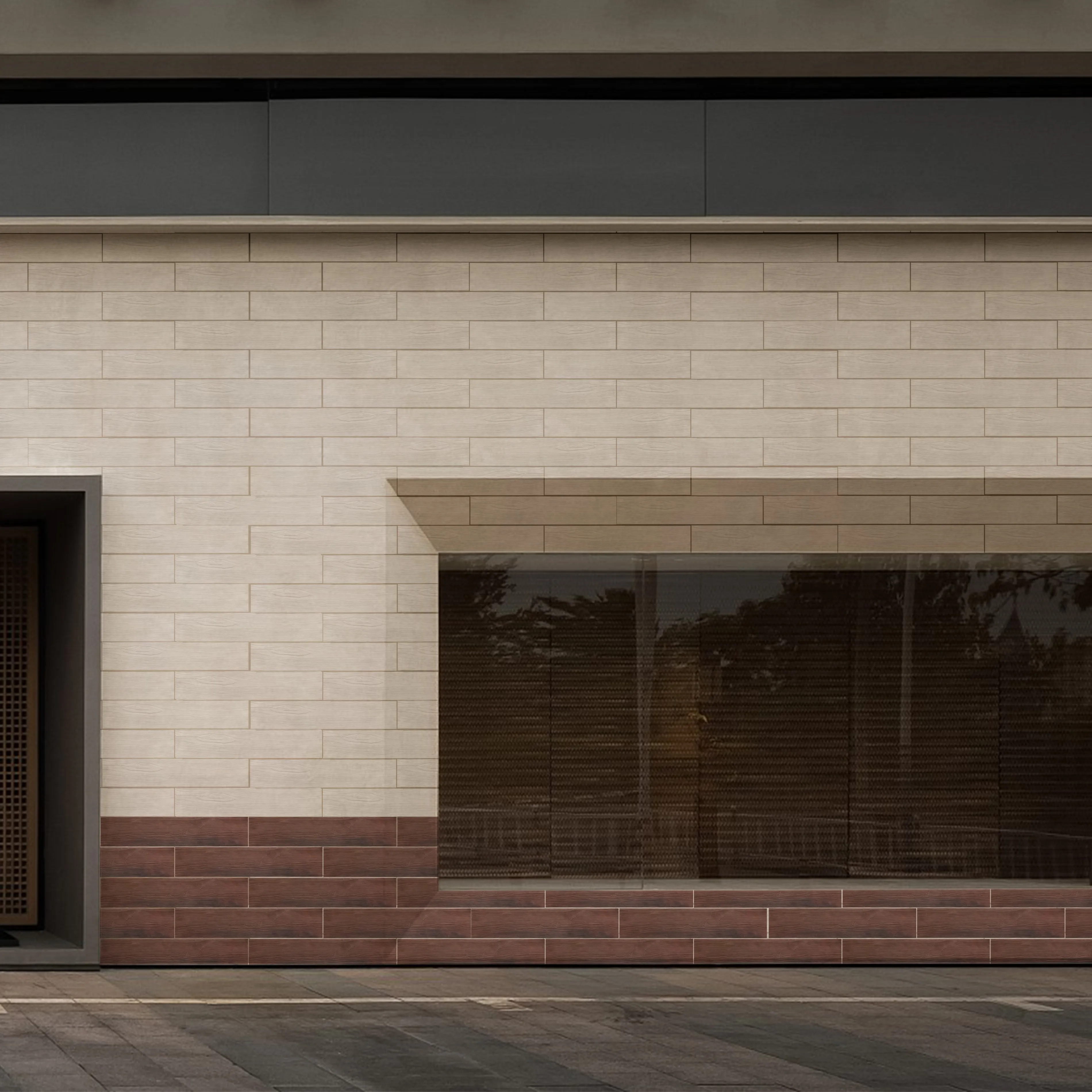
Consider the hypothetical "EcoLodge & Spa," a boutique hotel in the Swiss Alps. Their design team centered the lobby around white wood beams (FSC-certified, sourced from local forests) and a grand fireplace clad in fair-faced concrete. Accent walls feature foamed aluminium alloy board (vintage silver), adding a modern touch without overwhelming the natural setting. For guest rooms, they opted for bamboo mat board headboards and white wood flooring finished with plant-based sealant. During construction, they documented every material's origin and recycled 90% of construction waste. The result? LEED Platinum certification, a 20% reduction in energy costs, and guest reviews raving about the "cozy yet eco-conscious" vibe. It's proof that sustainability and luxury don't have to compete—they can coexist beautifully.
Eco-friendly hotels are no longer a trend—they're the future of hospitality. And at the heart of their design lies white wood decor: a material that blends timeless beauty with unbeatable sustainability. When paired with complementary green materials like fair-faced concrete and foamed aluminium alloy board (vintage silver), it creates spaces that guests love and certifications reward. By focusing on responsible sourcing, thoughtful material pairing, and strategic certification planning, hotels can turn their decor into a powerful tool for both planet and profit. So whether you're renovating an existing property or building from the ground up, remember: white wood isn't just decor—it's a statement that your hotel cares about more than just bookings. It cares about the world we all share.
*Note: All materials mentioned, including white wood, fair-faced concrete, and foamed aluminium alloy board (vintage silver), are part of MCM's green building materials lineup, designed to support sustainable construction and design.*
Recommend Products












