
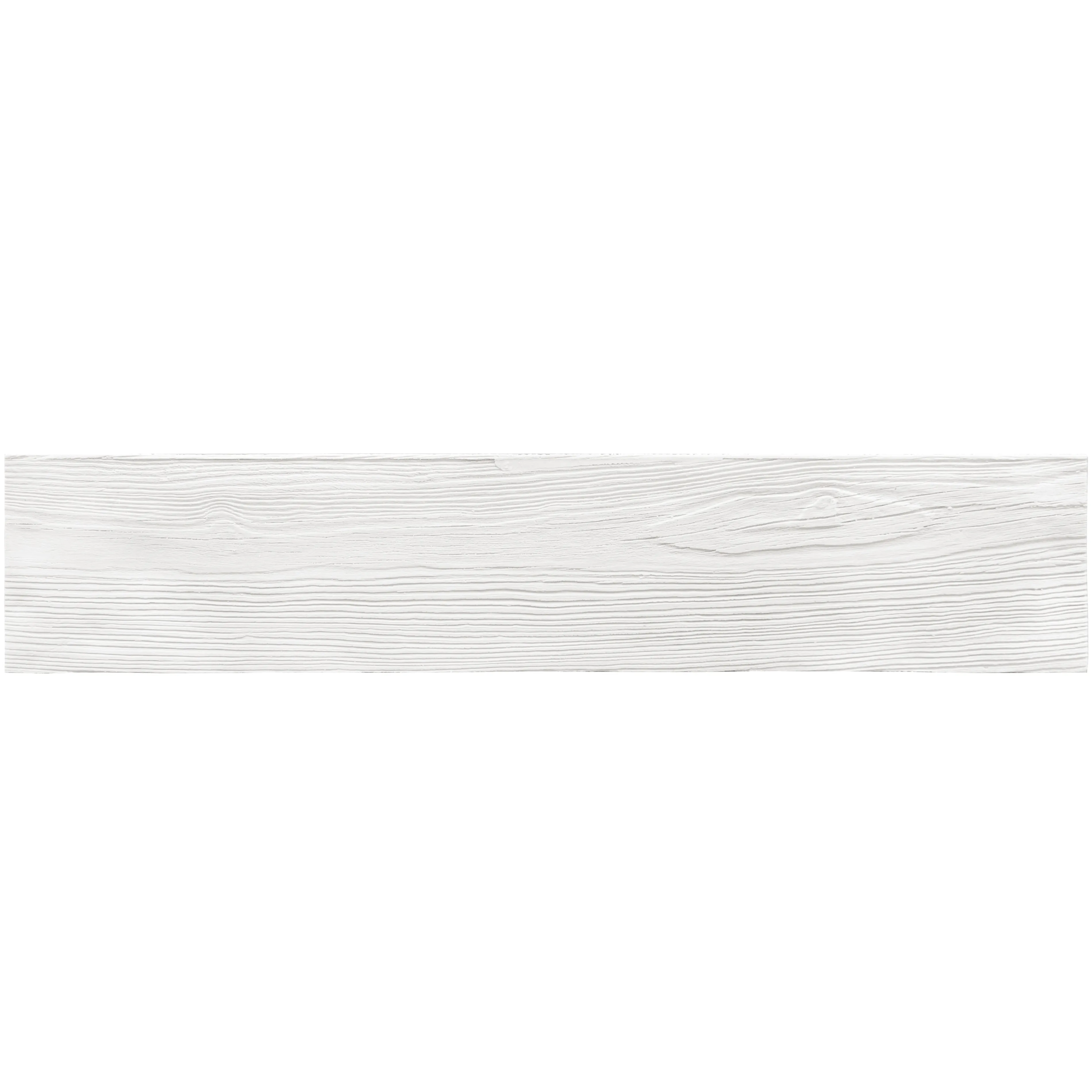
How choosing eco-friendly materials can transform your space—without costing the planet
There's something about walking into a home where the air feels clean, the light softens through natural textures, and every piece of decor tells a story of care—for both the people living there and the planet. For years, I thought that achieving that warm, inviting vibe meant sacrificing sustainability. Heavy wooden furniture, plastic-based finishes, and decor made from materials with murky environmental histories often left me feeling conflicted. But then I discovered white wood decor: a solution that marries aesthetic charm with a commitment to reducing our carbon footprint. Let's dive into how this versatile material, paired with other eco-friendly options like wood grain board, mcm flexible stone, and fair-faced concrete, is redefining what it means to "decorate responsibly."
We rarely stop to think about the environmental impact of the things that make our houses feel like homes. But the truth is, the average home's decor and building materials contribute significantly to its carbon footprint. Traditional wood, for example, often comes from unsustainably managed forests, where deforestation releases stored carbon into the atmosphere and destroys habitats. Vinyl flooring, a common budget option, is made from petroleum—a fossil fuel—and its manufacturing process emits harmful greenhouse gases. Even some "natural" stones, like marble or granite, require energy-intensive mining and transportation, adding tons of CO2 to their lifecycle.
The numbers are stark: According to the United Nations Environment Programme, the building sector accounts for nearly 40% of global carbon emissions, with home decor and finishing materials playing a significant role. But here's the good news: We don't have to choose between a beautiful home and a healthy planet. Sustainable alternatives are emerging, and white wood decor is leading the charge.

First things first: What exactly is "white wood"? It's not a single type of tree, but rather a term used to describe light-colored wood species (like pine, birch, or ash) that are often finished with natural, white-wash treatments to enhance their brightness. But what makes it sustainable isn't just the color—it's how it's sourced, processed, and finished.
Sustainable white wood is typically harvested from FSC (Forest Stewardship Council)-certified forests, where trees are replanted at a rate that exceeds harvesting, ensuring the ecosystem remains intact. Many manufacturers also use reclaimed white wood—salvaged from old barns, factories, or shipping pallets—giving new life to wood that would otherwise end up in landfills. The finishing process is equally important: Low-VOC (volatile organic compound) paints and stains are used, reducing harmful emissions that contribute to indoor air pollution and global warming.
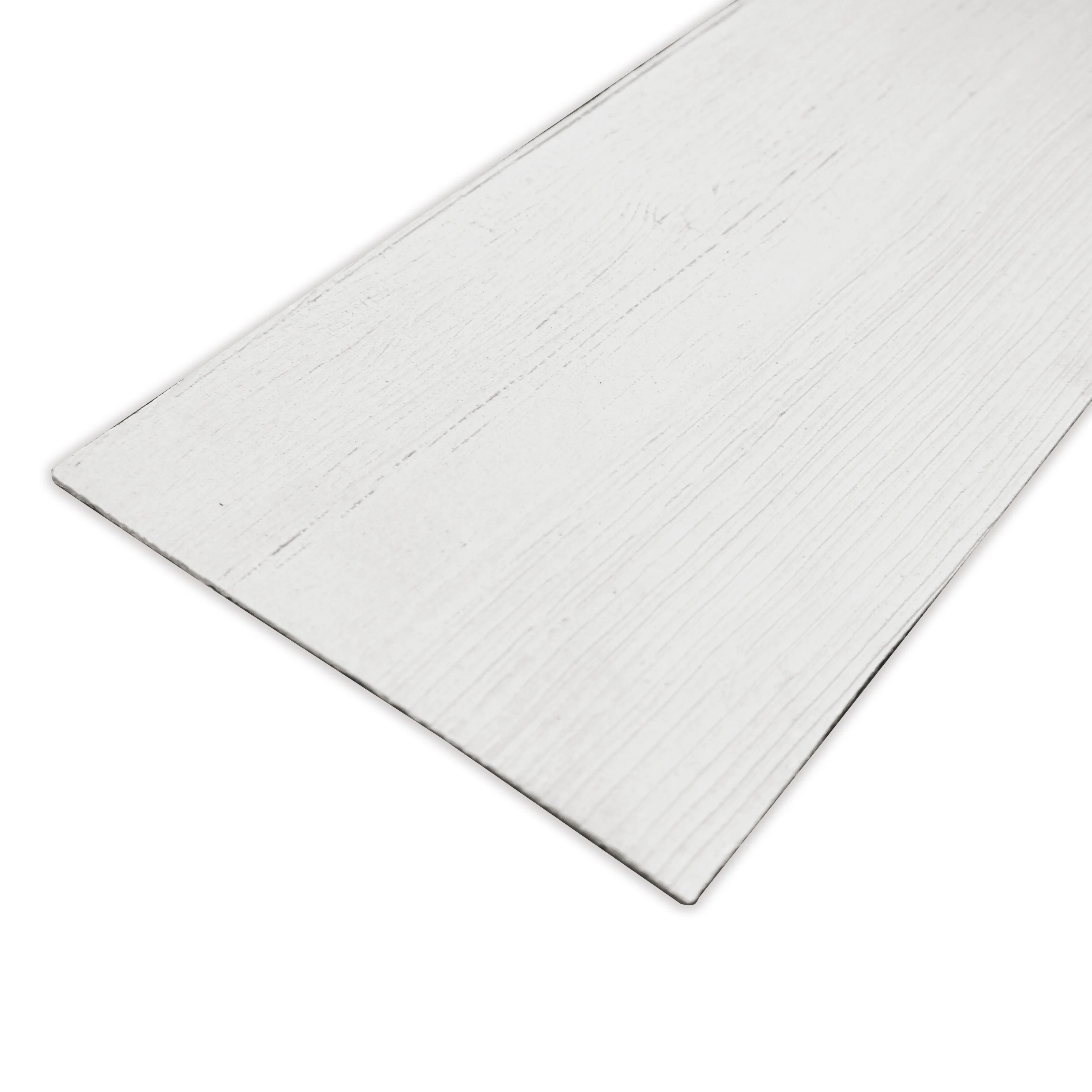
Then there's wood grain board —a close cousin to white wood decor that deserves a spotlight. This engineered material mimics the look and texture of natural wood grain but is made by compressing wood fibers, sawdust, or recycled wood particles with eco-friendly adhesives. By using waste materials from traditional wood processing, wood grain board reduces the demand for virgin timber, cutting down on deforestation and waste. It's also more stable than solid wood, resisting warping and shrinking, which means it lasts longer and needs fewer replacements over time—another win for sustainability.
Aesthetically, white wood decor is a chameleon. Its light, airy tone brightens small spaces, making rooms feel larger and more open—perfect for urban apartments or cozy cottages. It pairs beautifully with soft pastels, bold accents, or other natural materials like stone and jute, fitting seamlessly into Scandinavian, minimalist, bohemian, or even industrial design styles. Whether you're going for a sleek, modern look or a rustic, cabin-like feel, white wood adds warmth without overwhelming the senses.
To truly understand the impact of choosing sustainable decor, let's compare the carbon footprints of common traditional materials with eco-friendly alternatives like white wood, wood grain board, and others. The table below uses data from the Green Building Council and industry lifecycle assessments to highlight the differences:
| Material | Carbon Footprint (kg CO2 per m²) | Sustainability Features | Common Uses |
|---|---|---|---|
| Traditional Solid Oak (Non-FSC) | 15–20 | Often from unsustainably managed forests; high transportation emissions | Flooring, furniture, wall panels |
| White Wood (FSC-Certified) | 6–8 | Sourced from replanted forests; low-VOC finishes | Flooring, cabinetry, shelves, decor accents |
| Wood Grain Board | 4–5 | Uses recycled wood waste; low formaldehyde adhesives | Backsplashes, furniture tops, wall cladding |
| MCM Flexible Stone | 3–4 | Made from recycled stone particles; lightweight (reduces transport emissions) | Exterior cladding, accent walls, fireplace surrounds |
| Fair-Faced Concrete | 7–9 | Minimal processing; natural finish (no need for additional coatings) | Floors, countertops, feature walls |
| Foamed Aluminium Alloy Board (Vintage Silver) | 5–6 | Recyclable; 75% recycled content; energy-efficient manufacturing | Ceiling panels, backsplashes, outdoor furniture |
*Data sourced from lifecycle assessments by the International EPD System and Green Building Council reports (2024). Carbon footprint includes extraction, manufacturing, and transportation.
While white wood and wood grain board are stars in the sustainable decor universe, they're even more powerful when paired with other eco-friendly materials. Let's explore a few that are making waves in green home design:
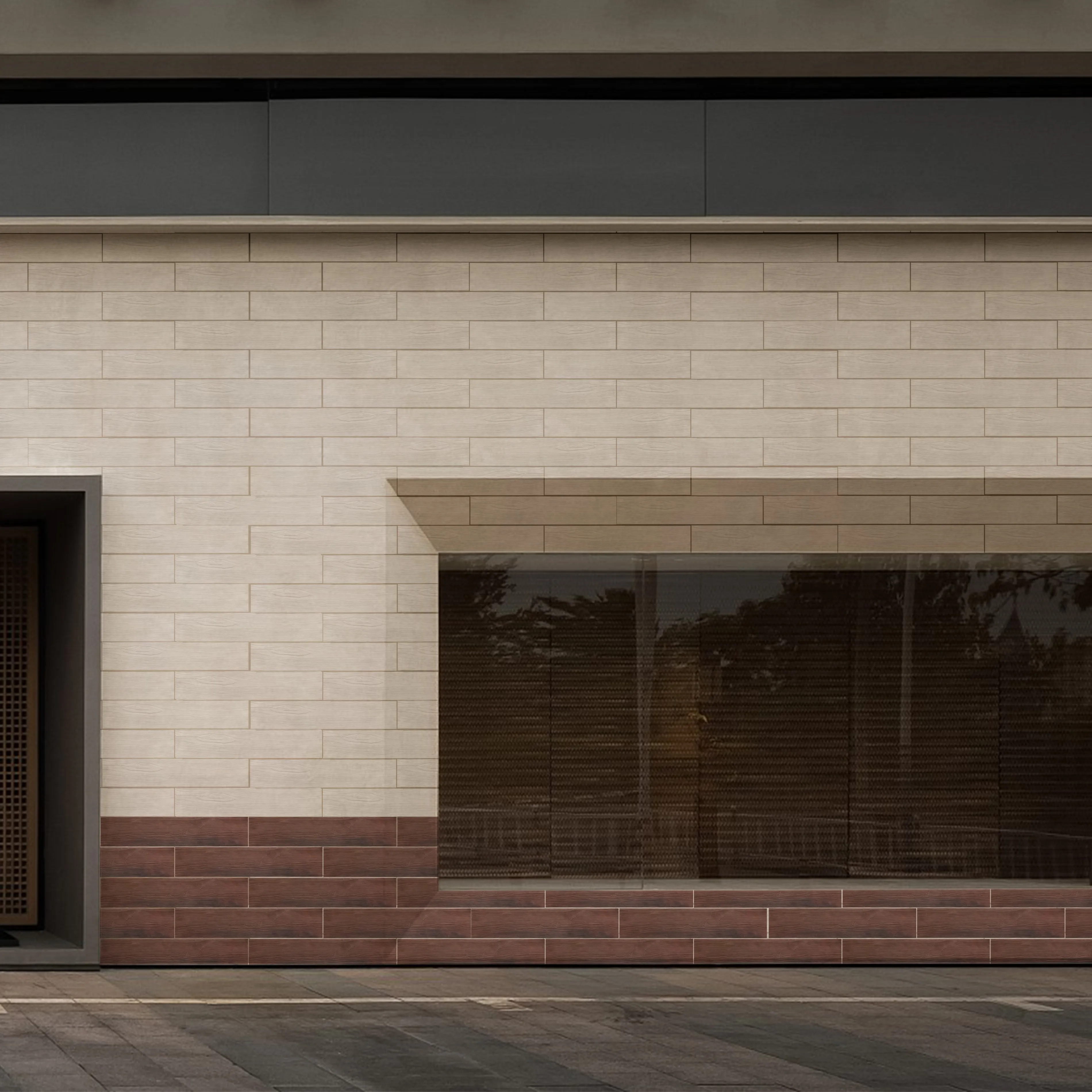
If you love the look of natural stone but cringe at its carbon footprint, mcm flexible stone is a game-changer. Short for "Modified Composite Material," MCM flexible stone is made by blending recycled stone particles (like marble dust or granite scraps) with a lightweight, flexible polymer binder. The result? A thin, bendable sheet that looks and feels like real stone but weighs up to 70% less. This reduced weight cuts down on transportation emissions, and since it uses waste from traditional stone processing, it diverts material from landfills. It's also easy to install, requiring less labor and energy than traditional stone cladding—another bonus for your carbon budget. Use it for accent walls, kitchen backsplashes, or even exterior siding to add texture without the environmental cost.
Concrete might not sound "cozy," but fair-faced concrete —also known as "architectural concrete"—is redefining industrial chic with a sustainable twist. Unlike regular concrete, which is often covered with paint or tiles, fair-faced concrete is left in its natural state, showcasing its raw texture and subtle color variations. This means fewer materials are needed overall—no extra coatings or cladding—reducing both cost and carbon emissions. It's also incredibly durable, with a lifespan of 50+ years, and can be made with recycled aggregates (like crushed concrete or glass) to further lower its environmental impact. Pair it with white wood furniture or wood grain board accents for a balanced look that's both modern and warm.
For a touch of metallic elegance without the guilt, consider foamed aluminium alloy board —available in finishes like vintage silver, vintage gold, or classic gold. This material is created by injecting gas into molten aluminium alloy, forming a lightweight, porous structure that's 80% air by volume. Not only does this make it easy to handle and install, but it also requires far less raw aluminium than solid sheets. Most foamed aluminium boards contain 75%+ recycled aluminium, which uses 95% less energy to produce than virgin aluminium—drastically cutting its carbon footprint. It's also 100% recyclable at the end of its life, closing the loop on sustainability. Use it for backsplashes, ceiling panels, or even decorative screens to add a modern, industrial edge to your space.
Ready to start incorporating white wood decor into your home? Here are some practical ideas for every room, paired with complementary sustainable materials to maximize both style and eco-friendliness:
The living room is where we gather, relax, and connect, so it should feel welcoming and sustainable. Start with white wood flooring—opt for FSC-certified pine or birch planks with a water-based white stain. Add warmth with a wood grain board accent wall behind the sofa, creating a focal point without overwhelming the space. For furniture, choose a reclaimed white wood coffee table or a bookshelf made from wood grain board, paired with cushions upholstered in organic cotton or hemp. Finish the look with a fair-faced concrete side table and a woven rug (look for natural fibers like jute or wool) to tie the room together.
Kitchens are high-traffic areas, so durability is key—and sustainable materials deliver here. White wood cabinetry with soft-close hinges and low-VOC paint keeps the space bright and airy, while wood grain board countertops (sealed with natural beeswax or plant-based sealant) offer a budget-friendly, eco-friendly alternative to granite. For the backsplash, mix mcm flexible stone in a neutral tone with small tiles of foamed aluminium alloy board (vintage silver) for a modern, textured look. Under-cabinet lighting with LED bulbs adds functionality, and energy-efficient appliances (look for the ENERGY STAR label) round out the space's sustainability credentials.
The bedroom should be a peaceful retreat, and white wood decor excels at creating a serene atmosphere. A white wood bed frame—made from reclaimed wood or FSC-certified ash—serves as the centerpiece, paired with wood grain board nightstands and a dresser. Opt for organic bedding (cotton, linen, or bamboo) and curtains made from natural fibers to reduce chemical exposure during sleep. For walls, consider a light-colored paint with zero VOCs, or add subtle texture with mcm flexible stone panels in a soft beige hue. A small seating area with a white wood armchair and a jute rug completes the cozy, sustainable vibe.
Bathrooms pose unique challenges with moisture, but sustainable materials can still shine. Look for water-resistant white wood options—like teak or cedar, which naturally repel water—or wood grain board treated with eco-friendly sealants. Use mcm flexible stone for shower walls or backsplashes; its non-porous surface resists mold and mildew, reducing the need for harsh chemical cleaners. Fair-faced concrete floors add industrial flair and are easy to clean, while foamed aluminium alloy board accents (think towel racks or mirror frames) add a touch of luxury without the environmental cost. Don't forget low-flow faucets and a water-efficient toilet to cut down on water usage, too!
Sustainable decor doesn't stop at the front door. Transform your patio or deck with weather-treated white wood decking—look for species like ipe or acacia, which are naturally resistant to rot and insects, or reclaimed wood that's been sealed with plant-based oils. Add wood grain board planter boxes for herbs and flowers, and a dining set made from recycled plastic lumber (which mimics wood but is made from post-consumer plastic waste). For shade, install a pergola with white wood beams, draped with climbing plants like jasmine or ivy to absorb carbon dioxide and add greenery. Even outdoor lighting can be eco-friendly—solar-powered string lights or LED lanterns reduce energy use while creating a magical evening ambiance.
Adopting sustainable decor can feel daunting, especially if you're used to traditional materials. Let's address some common concerns and debunk the myths:
It's true that some sustainable options—like FSC-certified wood or reclaimed materials—have a higher upfront cost than conventional alternatives. But think long-term: Sustainable materials are often more durable, meaning they need fewer repairs or replacements over time. For example, wood grain board resists warping better than solid wood, so your kitchen cabinets will last longer. Additionally, energy-efficient appliances and low-VOC materials can lower utility bills and reduce healthcare costs (from improved indoor air quality). Many governments and local councils also offer incentives or tax breaks for green home improvements, helping offset the initial investment.
Thanks to the rise in demand for eco-friendly products, sustainable materials are more accessible than ever. Many big-box home improvement stores now carry FSC-certified wood, recycled flooring, and low-VOC paints. Online retailers specialize in niche items like mcm flexible stone or foamed aluminium alloy board, with many offering carbon-neutral shipping options. You can also check local classifieds or community boards for reclaimed wood or vintage furniture—upcycling is a great way to reduce waste and add character to your home. Don't forget to ask suppliers about their sustainability practices; a quick email or phone call can help you make informed choices.
While some natural materials require a bit more care than synthetic ones, the maintenance is often simpler and gentler. For example, white wood furniture can be cleaned with a damp cloth and polished with beeswax or coconut oil—no harsh chemicals needed. Wood grain board is resistant to stains and scratches, so it just needs regular dusting and occasional wiping. MCM flexible stone and fair-faced concrete are highly durable and can be cleaned with mild soap and water. The key is to follow the manufacturer's care instructions and address spills or damage promptly. With a little attention, sustainable decor will stay beautiful for years to come.
As consumers become more eco-conscious, the home decor industry is responding with exciting innovations that make sustainability even more accessible. One trend to watch is mcm 3d printing series —a technology that allows for custom-designed decor elements (like wall panels, light fixtures, or furniture legs) to be printed on-demand using recycled or biodegradable materials. By printing only what's needed, 3D printing reduces waste, and localized production cuts down on transportation emissions. Imagine designing a unique wood grain board wall art piece that's printed in your city, using recycled wood fibers—sustainable and one-of-a-kind.
Another promising development is the rise of carbon-negative materials—substances that actually remove more CO2 from the atmosphere than they emit during production. For example, some companies are developing concrete that incorporates bacteria that absorb CO2 as they grow, turning the material into a carbon sink. While still in the early stages, these innovations could revolutionize the building industry, making sustainable decor not just low-impact, but actively beneficial for the planet.
Consumer demand is also driving transparency, with more brands sharing detailed lifecycle assessments (LCAs) of their products—breaking down carbon emissions, water usage, and waste from sourcing to disposal. Apps and certification labels (like the EU Ecolabel or Greenguard) are making it easier for shoppers to compare options and make informed choices. As more people prioritize sustainability, these practices will become the norm, not the exception.
At the end of the day, our homes are more than just buildings—they're reflections of our values. Choosing white wood decor and other sustainable materials isn't just about creating a beautiful space; it's about voting with our wallets for a healthier planet. It's about knowing that the coffee table we gather around, the flooring our kids play on, and the walls that shelter us were made with care—for both people and the environment.
You don't have to overhaul your entire home at once. Start small: swap out a few decor pieces for reclaimed white wood accents, or replace a worn-out tabletop with wood grain board. Every choice adds up, reducing your carbon footprint and inspiring others to do the same. And as you enjoy the warmth and beauty of your sustainable space, remember: This is more than decor—it's a legacy of care, one room at a time.
So go ahead—embrace white wood decor, experiment with mcm flexible stone, and let your home tell a story of sustainability. The planet (and your future self) will thank you.
Recommend Products












