
Walk into any well-designed school, and you'll immediately feel it—the air hums with energy, the walls seem to whisper possibilities, and every corner invites curiosity. Educational facilities aren't just buildings; they're ecosystems where young minds grow, collaborate, and discover. But here's the thing: those ecosystems take a beating. From hyperactive kindergarteners tracing crayons along windowsills to high schoolers dragging backpacks across hallway benches, from spilled milk in cafeterias to rain-soaked umbrellas in entryways, the decor in these spaces needs to do more than look good. It needs to survive.
For decades, schools have struggled to balance aesthetics with practicality. Paint chips, wood warps, tiles crack, and suddenly that "inspiring" environment starts to feel tired—fast. Maintenance budgets get stretched thin, and before long, the focus shifts from creating a space that fuels learning to just keeping it from falling apart. But what if there was a material that could stand up to the chaos of school life and keep its beauty intact? Enter white wood decor—a solution that's quietly revolutionizing how we think about design in educational settings.
Let's start with the obvious: schools are high-traffic zones with zero room for. Take traditional hardwood, for example. It's warm, classic, and feels "inviting," but in a classroom full of eight-year-olds, it's a disaster waiting to happen. A single spilled juice box can seep into the grain, leaving a permanent stain. Scratches from desk legs or chair wheels become battle scars within months, and refinishing? That means shutting down the space for days, disrupting classes, and draining funds that could go toward textbooks or new science equipment.
Then there's painted drywall. It's cheap, but that's about it. A stray soccer ball during indoor recess, a student leaning against the wall with a muddy jacket, or even the humidity from a crowded classroom—all of these turn crisp white walls into a patchwork of scuffs, smudges, and peeling paint. And don't get us started on marble or natural stone. Sure, it looks elegant in lobbies, but it's porous. Spills stain, and acidic substances (hello, science experiments gone wrong) etch the surface. Plus, it's heavy, making installation tricky, and repairs? Expensive.
Even concrete, often hailed as "durable," has its flaws. Unsealed concrete absorbs moisture, leading to mold in damp areas like locker rooms. It's cold to the touch, which doesn't exactly scream "welcoming," and over time, it chips at the edges, especially in high-traffic spots like stairwells. The bottom line? Traditional materials force schools into a lose-lose: either sacrifice durability for beauty or settle for something "practical" that feels more like a warehouse than a place of learning.
White wood decor isn't your grandma's wood paneling. It's a modern take on a timeless material, engineered to address the unique challenges of educational spaces. Think of it as wood's best qualities—warmth, texture, versatility—supercharged with the resilience of industrial materials. And while "white" might sound risky in a space where spills are a daily occurrence, today's white wood products are designed to resist stains, scratches, and the general chaos of school life.
But what exactly is it? In many cases, white wood decor falls under the umbrella of modified composite materials (MCM), which blend natural fibers with advanced polymers to create a surface that's lightweight, flexible, and incredibly tough. Some variants, like mcm flexible stone , even mimic the look of wood grain while adding the durability of stone—without the weight or maintenance headaches. Others, like wood grain board , use high-definition printing and protective coatings to replicate the warmth of real wood, minus the vulnerability.
Let's talk about the "durable" part first, because in a school, that's non-negotiable. White wood decor is built to handle the kind of abuse that would leave traditional materials gasping for air. Take scratches: most white wood products have a top layer of scratch-resistant coating, similar to what you'd find on high-quality laminate flooring but even tougher. I visited a middle school in Portland last year where they'd installed white wood panels in the art room—you know, the place where students are using sandpaper, glue guns, and acrylic paints on the daily. After two years, the panels still looked brand new. No scrapes, no discoloration, just that same clean, bright finish.
Moisture is another big enemy in schools. Locker rooms, bathrooms, and even classrooms in humid climates can turn traditional wood into a breeding ground for mold and mildew. White wood decor, though, is often water-resistant. Some products are even completely waterproof, meaning a spilled water bottle or a leaky window during a rainstorm won't cause warping or swelling. I spoke to a facilities manager in Florida who swapped out the wooden lockers in her high school's PE department for white wood alternatives. "We used to have to replace lockers every three years because of mold," she told me. "Now? They've been up for five, and we haven't had a single issue. Even with kids leaving wet towels inside."
Then there's impact resistance. Ever seen a kindergartener run full speed into a wall? It's equal parts hilarious and terrifying—for the wall, at least. White wood decor is designed to absorb minor impacts without denting or cracking. Compare that to drywall, which would require patching, or traditional wood, which might splinter. In a school in Chicago, they installed white wood wainscoting in the hallway where kids line up for recess. After a year of tiny bodies bumping against it during "calm down" time, the wainscoting was still smooth and unmarked. The principal joked, "It's like the walls have a force field now."
Let's get real: schools don't have the luxury of hiring a full-time decor team. Maintenance staff are stretched thin, juggling everything from fixing leaky faucets to unclogging toilets. The last thing they need is a decor material that requires constant coddling. White wood decor? It's basically a low-maintenance dream.
Cleaning is a breeze. Most of the time, a damp cloth and mild soap are all you need. No special cleaners, no waxing, no sealing. Spills? Wipe them up, and they're gone. Even tough stains like ketchup, marker, or coffee (we've all been there, teachers) can usually be removed with a little elbow grease and a non-abrasive sponge. Compare that to marble, which needs regular sealing to prevent stains, or traditional wood, which might require polishing or refinishing every few years. The time and money saved here add up fast.
To put this in perspective, let's look at a quick comparison. The table below breaks down the maintenance needs of white wood decor versus other common materials in schools:
| Material | Daily Cleaning | Monthly Maintenance | Annual Upkeep | Expected Lifespan |
|---|---|---|---|---|
| White Wood Decor | Damp cloth + mild soap | No special steps | Inspect for damage (rarely needed) | 15–20 years |
| Traditional Hardwood | Dry mop; avoid water | Polish with wood conditioner | Refinish (sanding + staining) | 5–8 years (in high-traffic areas) |
| Fair-Faced Concrete | Sweep + damp mop | Seal to prevent dusting | Repair cracks; re-seal | 10–15 years (but prone to staining) |
| Marble | Soft cloth + pH-neutral cleaner | Wax to maintain shine | Professional sealing (2–3x/year) | 10–12 years (with heavy maintenance) |
The difference is clear. White wood decor cuts down on both the time and cost of maintenance, freeing up staff to focus on more important tasks—and letting schools redirect those saved dollars into things that directly impact students, like new tech or extracurricular programs.
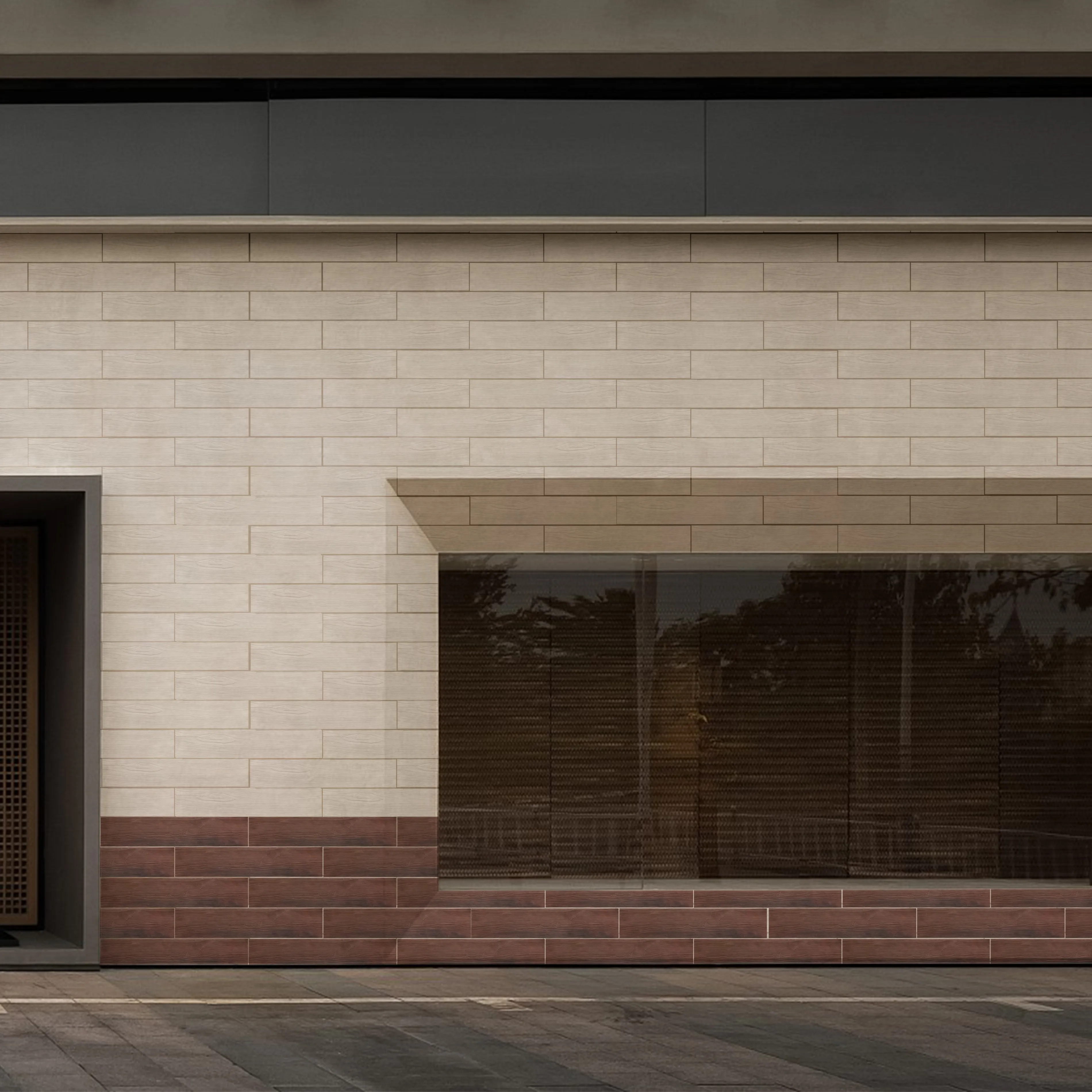
Okay, so it's durable and low-maintenance—but does it look good? Absolutely. White wood decor isn't a one-trick pony; it's incredibly versatile, which is key in educational facilities that range from historic elementary schools with classic architecture to sleek, modern high schools with open-concept layouts.
For traditional spaces, white wood can add a touch of timeless elegance. Imagine a library with white wood bookshelves lining the walls, their clean lines complementing the warm glow of reading lamps. It feels cozy, inviting, like a place where stories come to life. In newer schools, white wood can take on a more contemporary vibe—think geometric paneling in the cafeteria or accent walls in the science wing that contrast with pops of color from student projects. It's bright, which helps make spaces feel larger and more open, a huge plus in schools where square footage is often limited.
And let's not forget about color. "White" doesn't mean boring. There are off-whites with subtle undertones—ivory, cream, soft gray—that add depth without feeling stark. Some white wood products even come with wood grain patterns that add texture, making the space feel warmer than flat paint. I visited a preschool in Colorado that used white wood with a subtle oak grain in their classrooms, and the kids loved it. "They call it the 'magic wall,'" the teacher laughed. "They run their hands over it and talk about how it feels like 'cloud wood.'"
Schools today aren't just thinking about durability and cost—they're also thinking about sustainability and safety. Parents want to know their kids are in spaces that are free from harmful chemicals, and districts are under pressure to reduce their environmental footprint. White wood decor checks both boxes.
Many white wood products are made from recycled materials, like reclaimed wood fibers or post-consumer plastics. Some are even certified by organizations like the Forest Stewardship Council (FSC), ensuring that the wood used comes from responsibly managed forests. And because they last so long, they reduce the need for frequent replacements, which means less waste ending up in landfills.
Safety is another win. Traditional wood treatments can contain volatile organic compounds (VOCs), which off-gas into the air and can cause headaches or respiratory issues. White wood decor, though, is often low-VOC or VOC-free, making it a healthier choice for classrooms where kids spend hours each day. Plus, most products are fire-resistant, meeting strict building codes for educational facilities. That peace of mind? Priceless.
Don't just take my word for it—let's look at some real-world examples. Take Lincoln Elementary in Seattle, a 100-year-old school that was undergoing a renovation a few years back. The goal was to preserve the building's historic charm while updating the interior to meet modern needs. The facilities team initially considered repainting the original wooden wainscoting, but the cost of stripping, sanding, and refinishing was prohibitive. Instead, they opted for white wood panels that mimicked the look of the original wood but with none of the maintenance. Today, the hallways look brighter, cleaner, and the panels have held up to years of student foot traffic. "Best decision we made," the principal told me. "We saved money, and the kids love how light and happy the school feels now."
Then there's Tech Valley High School in New York, a cutting-edge school focused on STEM education. They wanted a material that could handle the rigors of robotics labs, engineering workshops, and constant student collaboration. They chose white wood for their workshop tables and lab countertops, and it's been a game-changer. "We used to replace lab tables every three years because of scratches and chemical spills," the STEM coordinator explained. "Now, after five years, they still look new. The students can build, experiment, and create without worrying about ruining the furniture—and that freedom? It's what makes learning happen."
At the end of the day, educational facilities are an investment—in our kids, in our future. The decor in these spaces isn't just about aesthetics; it's about creating environments that support learning, foster creativity, and stand the test of time. White wood decor does all that and more. It's durable enough to keep up with the chaos of school life, low-maintenance enough to fit into tight budgets, and beautiful enough to inspire. It's not just a material—it's a tool for building better schools.
So the next time you walk into a school, take a look around. Notice the walls, the furniture, the little details that make the space feel like a place where learning thrives. Chances are, if it looks bright, clean, and full of life—even after years of use—it might just be white wood doing its thing. And that? That's a win for students, teachers, and communities everywhere.
Recommend Products












