
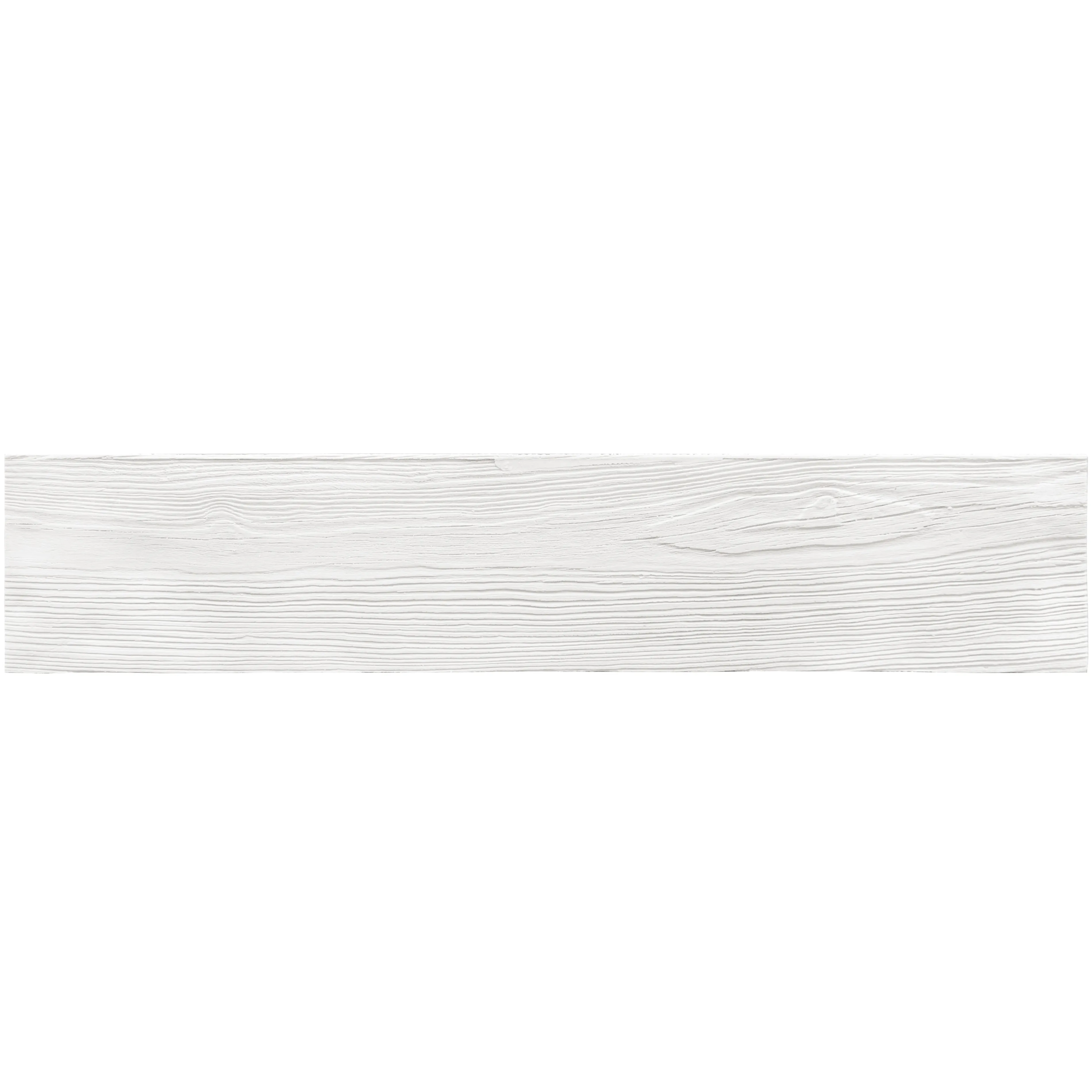
There's something inherently comforting about white wood in modern home design. It's not just a trend—it's a timeless choice that balances crisp minimalism with organic warmth, turning houses into spaces that feel both polished and lived-in. In a world where design often swings between bold colors and stark neutrals, white wood stands steady, offering a blank canvas that adapts to your personality, lifestyle, and the changing seasons. Whether you're drawn to the clean lines of Scandinavian style, the industrial edge of modern loft living, or the cozy charm of rustic-modern spaces, white wood has a way of fitting in while still making a statement. Let's dive into how this versatile material can transform every corner of your home, from the heart of your living room to the facade that greets the neighborhood.
The living room is where life unfolds—morning coffees, movie nights, lazy Sundays with a book, and laughter with friends. White wood here isn't just about aesthetics; it's about creating a space that feels open and inviting. Imagine walking into a room where the walls are clad in white wood grain board. The grain isn't overpowering—just soft, subtle lines that catch the light, adding depth without darkness. Sunlight streams through floor-to-ceiling windows, turning the wood into a golden-tinged backdrop that makes the space feel alive. A low-slung sofa upholstered in weaving (beige) fabric anchors the room; its loose cushions and textured weave play off the wood's smoothness, creating a tactile contrast that invites you to sink in.
For the floor, fair-faced concrete tiles add an industrial twist. Their cool gray surface, with tiny air bubbles and subtle imperfections, balances the wood's warmth, creating a vibe that's equal parts modern and cozy. A jute rug under the coffee table softens the concrete, while a few potted fiddle-leaf figs bring in greenery, their leaves echoing the organic feel of the wood. It's a space that works for both quiet mornings and lively gatherings—proof that white wood doesn't have to be "cold" or "sterile." It's all about how you layer textures and colors to make it your own.
Kitchens are no longer just for cooking—they're for hosting, working, and even relaxing. White wood here shines by making the space feel larger and brighter, which is especially valuable in smaller kitchens. Picture white wood cabinetry with flat-panel doors and soft-close hinges; their clean lines and pale finish reflect light, making the room feel airy. The countertops? Bamboo mat board adds a unexpected, nature-inspired touch. Thin, honey-toned bamboo slats are arranged vertically as a backsplash, their natural texture peeking through the white and adding a hint of tropical calm. The contrast between the smooth cabinets and the slatted bamboo is subtle but striking, turning a utilitarian space into something visually interesting.
Brass hardware—think drawer pulls and faucet handles—adds a touch of warmth, while open shelving made of the same white wood holds mugs and bowls, keeping essentials within reach. Even the ceiling gets in on the action: exposed white wood beams run parallel to the cabinets, adding architectural interest without overwhelming the space. It's a kitchen that feels intentional, like every element was chosen to make you smile—whether you're chopping vegetables or sipping wine with friends.
Bedrooms should feel like a retreat, and white wood helps create that sense of calm. Start with the bed frame: a low-profile design with a slatted white wood headboard. The slats let light filter through, keeping the room from feeling heavy, while the wood's soft tone makes the bed feel like a cloud you can sink into at the end of the day. The walls are painted in a warm white, but halfway up, white wood paneling adds texture. The panels are thin and evenly spaced, creating a rhythmic pattern that's soothing to the eye.
For the floor, rough granite stone (beige) tiles bring an earthy, grounded feel. Their slightly uneven surface—with tiny pits and ridges—contrasts with the wood's smoothness, adding depth without chaos. A plush area rug in cream sits under the bed, its shaggy texture softening the stone. On the nightstands, woven rattan lampshades cast diffused light, while linen bedding in muted blues and greens adds color without disrupting the room's serene vibe. It's a space that feels both luxurious and laid-back—a reminder that your bedroom should be the most "you" room in the house.

Your home's exterior is its handshake to the world, and white wood siding is a warm, welcoming gesture. Unlike traditional wood, modern white wood siding is treated to resist rot, pests, and fading, so it stays bright and beautiful for years. Imagine a two-story home with horizontal white wood siding, its planks overlapping slightly to create subtle shadow lines. The roof is a dark gray, which makes the white siding pop, while black window frames add a graphic, modern touch. A front porch with white wood railings and a bamboo mat board ceiling—slats spaced to let in dappled sunlight—invites guests to linger.
For added texture, the lower half of the facade is clad in rough granite stone (beige). The stone's earthy color and uneven surface ground the home, making it feel connected to the landscape. Potted succulents and a wooden bench on the porch complete the look, turning the exterior into an extension of the interior's warmth. Passersby might stop and think, "That house looks like it belongs to someone who loves life"—and isn't that the best first impression of all?
Modern homeowners are spending more time outdoors, and white wood decking turns a simple patio into an outdoor living room. Picture a deck made of white wood planks, sanded smooth but with enough texture to prevent slips. It's large enough for a dining set and a lounge area, with built-in planters along the edges filled with lavender and rosemary. The deck railing is white wood, too, but with vertical slats spaced close together for safety and privacy.
To add shade, a pergola with white wood beams and a weaving (beige) canopy stretches over the lounge area. The canopy's soft fabric filters sunlight, creating a cozy nook where you can read or nap. For the floor beneath the pergola, fair-faced concrete pavers in a light gray add contrast, their industrial texture playing off the wood's warmth. String lights draped between the pergola beams turn the space into a magical spot at night, proving that white wood isn't just for daytime—its pale tone glows under soft lighting, making even evening gatherings feel bright and cheerful.
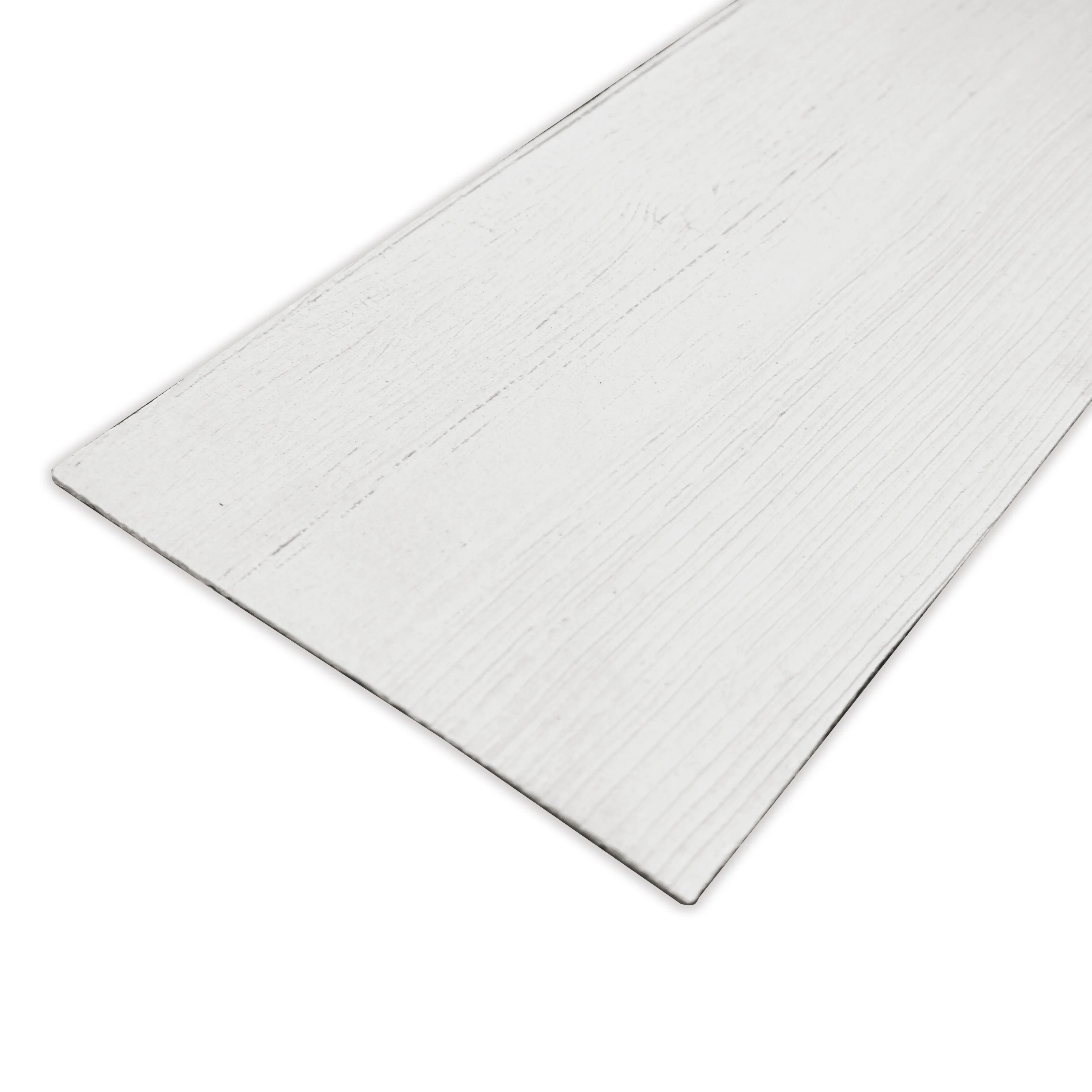
The key to making white wood work in any space is pairing it with materials that enhance its strengths—warmth, lightness, and versatility. Below is a breakdown of how to mix and match white wood with other textures to create balanced, beautiful designs:
| Material | Texture | Best For | Design Vibe |
|---|---|---|---|
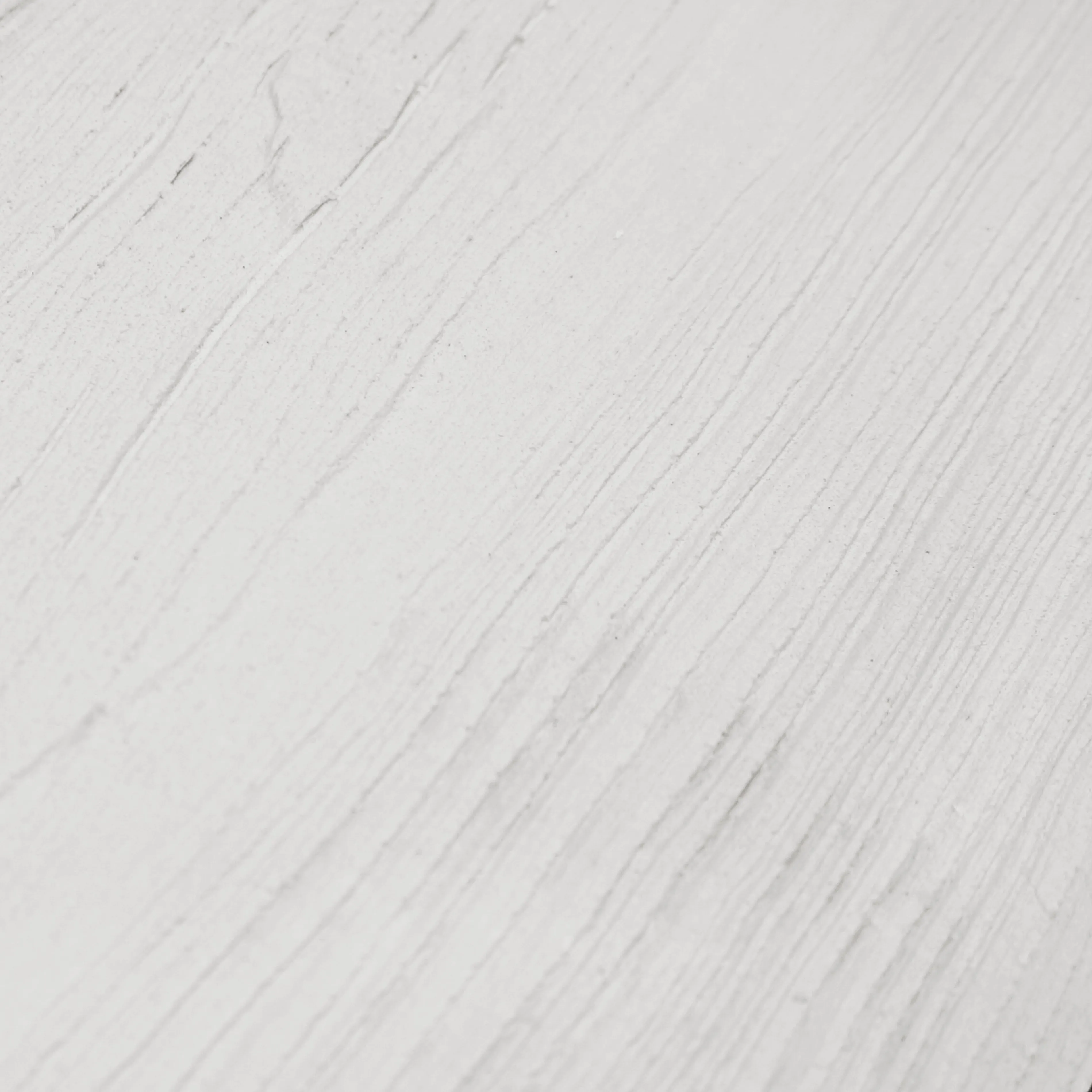
| Wood Grain Board (White) | Smooth surface with delicate, natural grain patterns | Walls, cabinetry, ceilings, siding | Airy, timeless, and warm—feels like a breath of fresh air |
| Weaving (Beige) | Soft, tactile, and slightly bumpy from woven threads | Upholstery, curtains, throw pillows, outdoor canopies | Cozy and inviting—adds a touch of handmade charm |
| Bamboo Mat Board | Slatted and slightly rough, with visible natural fibers | Backsplashes, room dividers, porch ceilings, privacy screens | Tropical and serene—brings the outdoors in |
| Fair-Faced Concrete | Sleek, matte, and subtly imperfect (tiny air bubbles, fine lines) | Floors, countertops, exterior accents, pavers | Industrial-modern—adds edge without feeling cold |
| Rough Granite Stone (Beige) | Uneven, earthy, and slightly porous with natural pits | Floors, fireplace surrounds, exterior facades, patio tiles | Grounded and rustic—connects the space to nature |
White wood thrives in well-lit spaces, so maximize natural light with large windows, skylights, or glass doors. For artificial lighting, warm-toned bulbs (2700K-3000K) bring out the wood's golden undertones, making it feel cozier. Cool-toned bulbs (4000K) highlight its crispness, which works well in modern, minimalist spaces. Mix both types—floor lamps with warm light near seating, recessed cool lights in task areas—to create layers that adapt to different times of day.
White wood is a neutral, but that doesn't mean your space has to be all "white and beige." Add pops of color to make the wood stand out: a burnt orange armchair in the living room, teal kitchen towels, or a red front door. The wood will make these colors feel brighter and more intentional, turning a simple palette into something dynamic.
Modern design isn't about being "perfect"—it's about being authentic. White wood with visible knots, slight color variations, or natural grain patterns feels more organic than a perfectly uniform surface. Pair it with materials like rough granite stone (beige) or weaving (beige), which have their own imperfections, and you'll create a space that feels lived-in and loved.
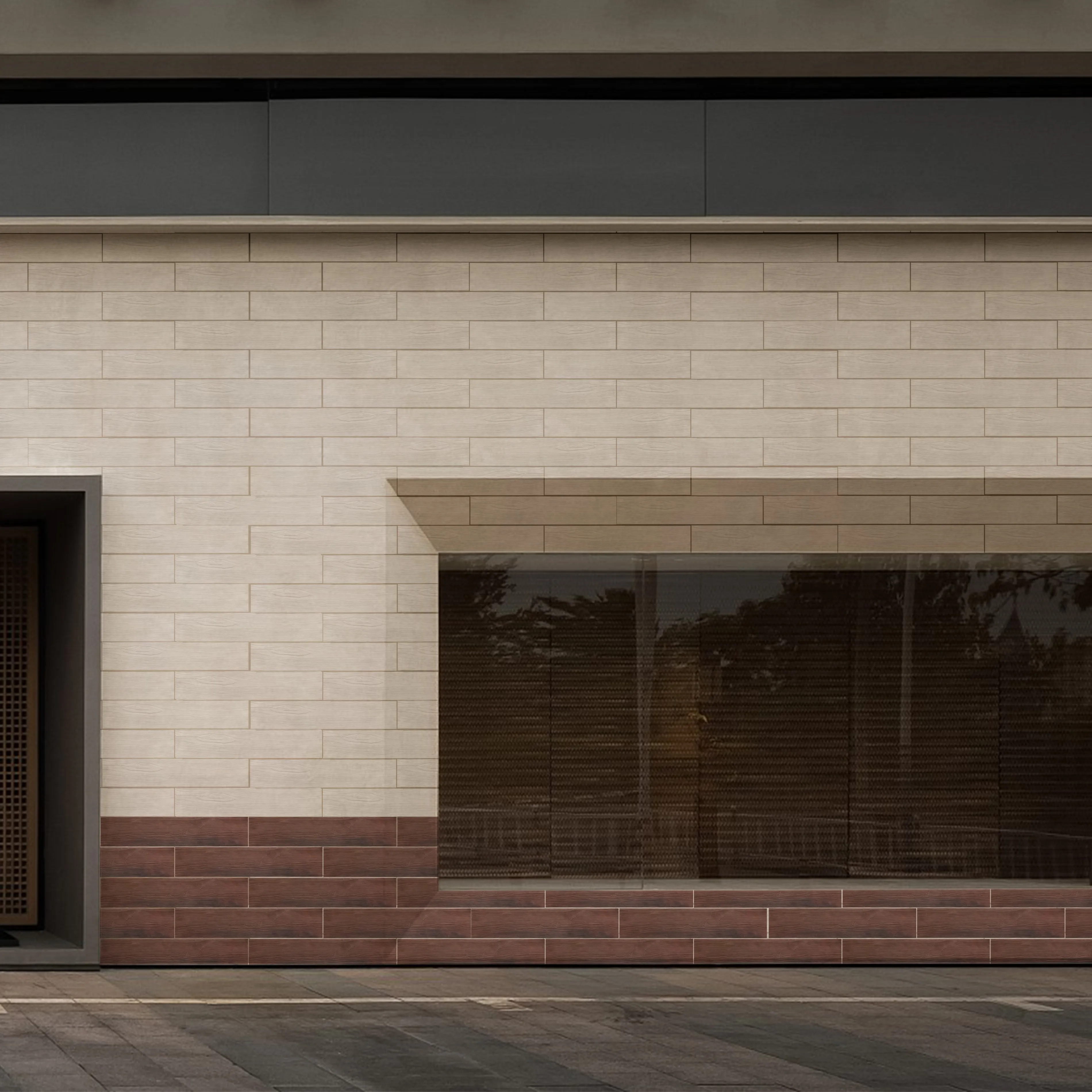
White wood isn't just a material—it's a design philosophy. It's about creating spaces that feel light, warm, and uniquely yours, whether you're decorating a tiny apartment or a sprawling house. From interior walls to exterior facades, from kitchens to decks, white wood adapts to your needs, your style, and your life. It pairs beautifully with other textures, stands up to daily use, and never goes out of style. So the next time you're planning a home renovation or just want to refresh a room, consider white wood. It might just be the missing piece that turns your house into a home.
Recommend Products












