
Walk into a home on a blustery winter day, and the first thing you notice isn't just the furniture or the art—it's the air. Is it crisp and unwelcoming, or wrapped in a quiet warmth that makes you sigh and shed your coat? That feeling, that invisible comfort, often comes down to one unsung hero: thermal insulation. In a world where we spend more time indoors than ever, the materials that clothe our walls do more than just look good. They shape how we experience our spaces, from the chilliest January evenings to the sweltering August afternoons. Today, we're diving into two architectural darlings—white wood decor and brick facade—to unpack how they stack up in the quiet battle to keep our homes cozy, cool, and connected to the rhythms of the seasons. And along the way, we'll meet a few other material protagonists, like the earthy charm of rammed earth board, the timeless elegance of travertine (beige), and the raw beauty of fair-faced concrete, each with its own story to tell about balancing form and function.
Thermal insulation is often talked about in terms of energy efficiency—lower utility bills, reduced carbon footprints—and while those are critical, they barely scratch the surface of its impact. Think about the last time you stepped into a room and immediately felt "at ease." Chances are, the temperature had something to do with it. A well-insulated home doesn't just save money; it fosters a sense of stability. In winter, it means no more shivering while waiting for the heater to kick in, or waking up to cold spots near drafty windows. In summer, it's the difference between a living room that feels like a sauna and one that stays refreshingly cool, even as the sun blazes outside. It's about creating a space that adapts to the weather, not the other way around.
Architects and designers have long understood this. From the thick adobe walls of Southwestern pueblos to the thatched roofs of English cottages, traditional building materials were chosen as much for their insulating properties as their availability. Today, as we blend old wisdom with new technology, the focus has shifted to materials that don't just insulate but also elevate the home's aesthetic. Enter white wood decor and brick facade—two materials that couldn't be more different in character, yet both vying to be the backbone of spaces that feel as good as they look.
If brick is the stoic elder of building materials, white wood decor is the gentle storyteller. There's something inherently inviting about wood—its natural grain, the way it softens light, the subtle warmth it radiates even on the coldest days. White wood decor, often made from engineered wood products like MDF or pine with a whitewash or paint finish, takes that warmth and wraps it in a clean, modern package. It's the material of choice for spaces that aim to feel airy yet cozy, minimalist yet lived-in.
But what makes white wood decor a contender in thermal insulation? Wood, by nature, is a surprisingly effective insulator. Its cellular structure is filled with tiny air pockets, and air is a poor conductor of heat. This means that wood slows down the transfer of heat from the inside out (or outside in), acting as a natural barrier. Engineered white wood products often enhance this property by adding layers or treatments that boost insulation without sacrificing the material's lightness. Imagine a small mountain cabin with white wood walls: in winter, the sun streams through the windows, warming the wood, which then holds onto that heat like a hug, keeping the room toasty long after sunset. In summer, the same walls reflect some of the sun's rays (thanks to their light color) and trap cool air inside, turning the cabin into a retreat from the heat.
Aesthetically, white wood decor is a chameleon. It pairs beautifully with Scandinavian design—think clean lines, neutral tones, and plenty of natural light—or adds a soft contrast to bold, modern interiors. It's also surprisingly versatile. Whether used as wall paneling, ceiling beams, or even flooring, it brings a sense of continuity to a space, making rooms feel larger and more cohesive. And unlike some insulative materials that require hidden layers, white wood decor wears its function on its sleeve: its beauty is its insulation, and vice versa.
Of course, no material is without trade-offs. Wood is susceptible to moisture, so in humid climates, it needs proper sealing to prevent warping or mold. It's also less fire-resistant than brick, though modern treatments can mitigate that risk. But for many homeowners, these considerations are outweighed by the emotional resonance of wood. There's a reason so many of us associate wood with "home"—it feels alive, like a material that breathes with the space. When you run your hand along a white wood wall, you don't just feel texture; you feel history, craftsmanship, and the quiet promise of comfort.
If white wood decor is the storyteller, brick facade is the silent sentinel. For millennia, brick has been the backbone of civilizations—from the ancient Mesopotamian ziggurats to the red-brick row houses of Boston, it's a material that speaks to durability and resilience. A brick facade isn't just a wall; it's a statement. It says, "This building will outlast the storms, the seasons, the years." And when it comes to thermal insulation, brick's strength lies in its mass.
Brick is a heavy material, and that weight is its secret weapon. Known as "thermal mass," brick has the ability to absorb heat during the day (when the sun is shining) and release it slowly at night, a process called "passive solar heating." In hot climates, this means the facade stays cool during the day, absorbing the sun's energy instead of transferring it indoors, then releases that heat once the temperature drops, keeping the interior from overheating. In cold climates, it works in reverse: brick walls absorb warmth from heaters or sunlight during the day and radiate it back into the room as the night cools down. It's a natural, energy-efficient cycle that has kept homes comfortable for centuries.
Visually, brick facade is endlessly adaptable. Traditional red brick evokes a sense of nostalgia, harking back to childhood homes and cozy fireplaces. But modern brick comes in shades of gray, black, and even white, making it a staple in contemporary design. A sleek, white brick facade on a minimalist home can feel just as fresh as a weathered red brick exterior on a cottage. It's a material that bridges the gap between old and new, offering both rustic charm and urban edge.
Durability is another feather in brick's cap. Unlike wood, brick is resistant to rot, pests, and fire. It doesn't fade in the sun or warp in humidity. A well-laid brick facade can last for decades, even centuries, with minimal maintenance. For homeowners who value longevity, brick is a no-brainer. It's the kind of material that ages gracefully, developing a patina over time that only adds to its character. A brick wall that's seen fifty winters might have cracks or discoloration, but those marks tell a story of resilience—a home that has stood firm against the elements, keeping its inhabitants safe and comfortable through it all.
So, how do these two materials stack up when it comes to the nitty-gritty of thermal insulation? Let's break it down. Wood, as a natural insulator, typically has a lower thermal conductivity (the rate at which heat passes through a material) than brick. For example, softwoods like pine have a thermal conductivity of around 0.12–0.15 W/m·K, while brick ranges from 0.6–1.0 W/m·K. That means wood is better at slowing down heat transfer, making it more effective at keeping heat in (or out) in the short term. But brick's thermal mass gives it an edge in long-term temperature regulation. It doesn't just block heat—it stores it, creating a buffer against sudden temperature swings.
Installation also plays a role. White wood decor is generally lighter and easier to install than brick, which requires skilled masons and a sturdy foundation to support its weight. This can make wood a more cost-effective option for renovations or smaller projects. Brick, on the other hand, is a permanent investment; once it's up, it's not going anywhere. It's also more resistant to extreme weather—think hurricanes, heavy rain, or wildfires—where wood might need additional protection.
Aesthetically, the choice often comes down to the mood you want to create. White wood decor feels soft and approachable, perfect for bedrooms, living rooms, or spaces where you want to encourage relaxation. Brick, with its solid, textured surface, adds a sense of gravitas, making it ideal for entryways, fireplaces, or exterior facades that need to make a statement. There's no "better" here—only what feels right for the space and the people who will inhabit it.
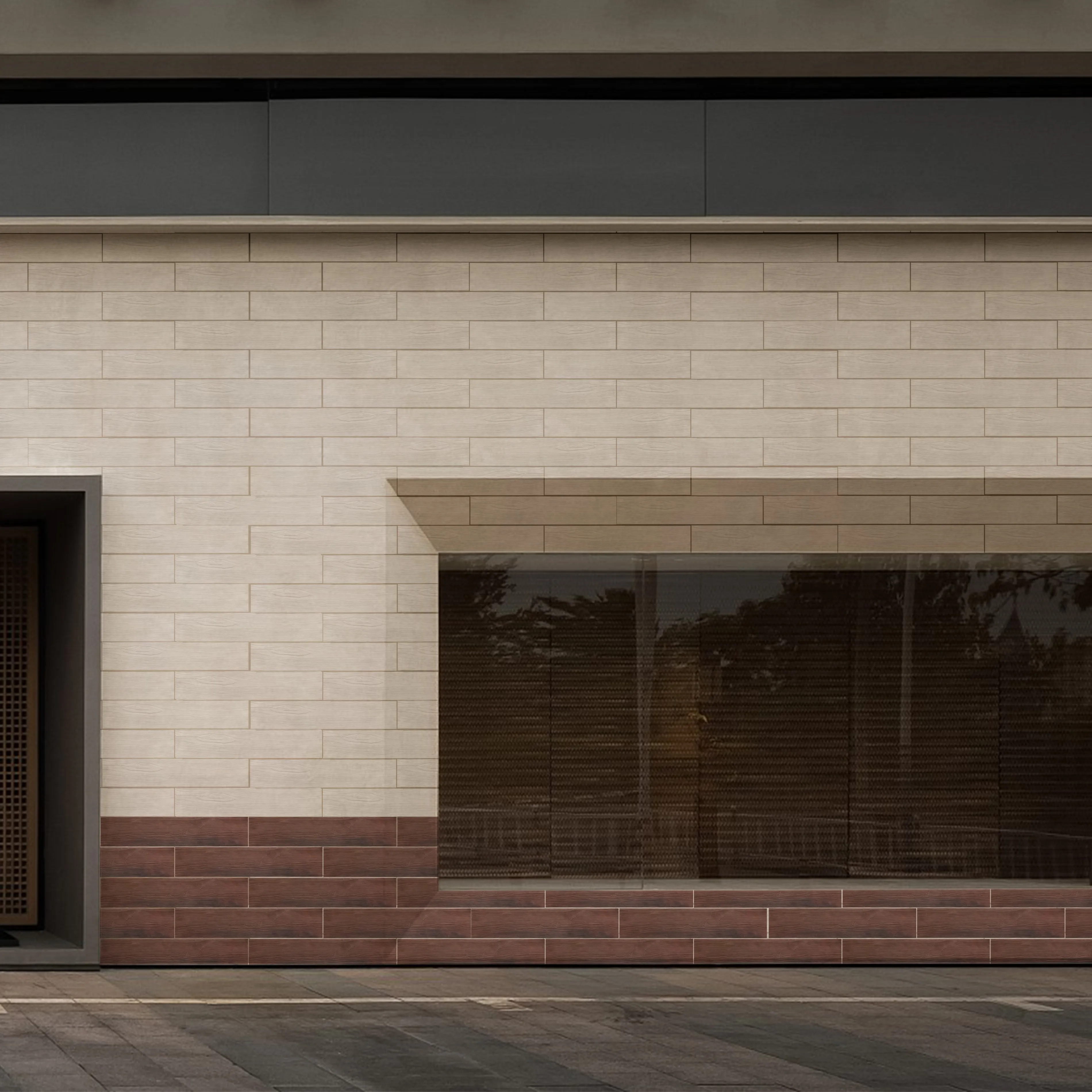
While white wood decor and brick facade are stars in their own right, they're not the only materials with tales to tell about thermal insulation. Let's take a moment to meet a few others—materials that blend tradition, sustainability, and beauty, each offering a unique take on keeping homes comfortable.
Travertine, a type of limestone formed from mineral-rich hot springs, is a material that feels both ancient and elegant. Beige travertine, with its soft, earthy tones and porous surface, isn't just a favorite for floors and countertops—it's also a surprisingly good insulator. Those tiny pores, formed by gas bubbles trapped during its formation, act like mini air pockets, slowing down heat transfer. In Mediterranean homes, where travertine has been used for centuries, it's common to see it on exterior walls, where it helps keep interiors cool during hot, sunny days. Run your hand over a travertine tile on a summer afternoon, and you'll notice it stays cool to the touch, a testament to its insulating power. Aesthetically, it brings a sense of calm, like bringing a piece of the outdoors inside.
Rammed earth has been around for over 10,000 years, used in everything from the Great Wall of China to African mud-brick huts. Today, rammed earth boards—compressed layers of soil, sand, and clay—are bringing that ancient wisdom into modern homes. Like brick, rammed earth has excellent thermal mass, absorbing heat during the day and releasing it at night. But it also has a warmth that brick sometimes lacks, with earthy hues (from soft beiges to rich terracottas) that feel deeply connected to the land. Imagine a home with rammed earth walls in a desert climate: during the day, the walls soak up the scorching heat, and as the sun sets, they gently release it, keeping the interior comfortable without relying on air conditioning. It's sustainability with a soul, a material that honors the past while embracing the future.
Concrete might not be the first material that comes to mind when you think "cozy," but fair-faced concrete—left untreated to show its raw, textured surface—is changing that. With a thermal conductivity similar to brick (around 0.8–1.2 W/m·K), it has strong thermal mass, making it ideal for modern, energy-efficient homes. What sets it apart is its aesthetic: sleek, minimalist, and surprisingly warm when paired with wood or plants. A fair-faced concrete wall in a living room, bathed in natural light, can feel both industrial and inviting, a reminder that even the most utilitarian materials can tell a story of balance. It's the material of choice for homeowners who want their space to feel grounded, solid, and unapologetically modern.
| Material | Thermal Conductivity (W/m·K) | Installation Ease | Durability | Aesthetic Vibe | Approx. Cost (per sqm)* |
|---|---|---|---|---|---|
| White Wood Decor | 0.12–0.15 | High (lightweight, easy to cut/shape) | Moderate (needs sealing; susceptible to moisture/pests) | Airy, warm, modern-rustic | $40–$80 |
| Brick Facade | 0.6–1.0 | Low (heavy; requires skilled labor/foundation) | High (fire/rot resistant; lasts decades) | Solid, timeless, versatile (rustic to modern) | $80–$150 |
| Travertine (Beige) | 0.5–0.8 | Moderate (porous; needs sealing and precise cutting) | High (resistant to heat/weather; prone to staining if unsealed) | Elegant, earthy, Mediterranean | $100–$200 |
| Rammed Earth Board | 0.7–1.0 | Low (specialized installation; heavy) | Very High (resistant to fire/pests; ages gracefully) | Organic, grounded, ancient-modern | $120–$250 |
| Fair-Faced Concrete | 0.8–1.2 | Low (requires formwork; skilled labor) | Very High (fire/weather resistant; minimal maintenance) | Sleek, industrial, minimalist | $60–$120 |
*Costs vary by region, quality, and installation complexity.
At the end of the day, the "best" insulating material isn't about numbers on a chart—it's about the story you want your home to tell. If you dream of a space that feels light, warm, and connected to nature, white wood decor might be your protagonist. If you value tradition, durability, and a sense of permanence, brick facade could be the hero. For those drawn to natural elegance, travertine (beige) whispers of sunlit villas and timeless beauty. If sustainability and ancient wisdom call to you, rammed earth board is a bridge between past and present. And if you crave modern minimalism with a solid core, fair-faced concrete is ready to take center stage.
But here's the truth: great homes rarely rely on a single material. A white wood accent wall paired with a brick fireplace, or rammed earth board in the living room with travertine floors—these combinations create layers of texture, function, and feeling. The key is to start with the question: "How do I want to feel in this space?" From there, the materials will follow, each adding its own verse to the song of your home.
Thermal insulation is more than a technical detail; it's a love letter to the life you build inside your walls. It's about choosing materials that don't just protect you from the elements but also nurture your well-being, that turn a house into a home. Whether you lean into the soft warmth of white wood, the steadfast strength of brick, the earthy wisdom of rammed earth, or the elegant porosity of travertine, each choice is a reflection of what matters most to you.
So, as you plan your next renovation or build, take a moment to think beyond the specs. Think about the mornings when you'll curl up with a book in a sunlit corner, or the evenings when you'll gather with friends around a fire. Think about the way light plays off the walls, the texture under your fingertips, the quiet comfort of a space that feels like it was made just for you. That's the magic of thermal insulation done right—it doesn't just keep you comfortable; it helps you create memories that last.
In the end, the best materials are the ones that tell your story. And isn't that what home is all about?
Recommend Products












