
Building spaces that honor the planet, one sustainable choice at a time
Think about the last time you walked into a room that felt truly "right." Maybe it was a friend's living room, bathed in soft light, with walls that seemed to breathe warmth. Or a café where the wooden tables had a gentle, lived-in texture, like they'd been part of the community for decades. Now, imagine that feeling multiplied by something deeper: the quiet pride of knowing every material in that space was chosen with care—for the earth, for the people who made it, and for the generations to come.
In a world where "sustainability" can feel like just another buzzword, the materials we use to build our homes and businesses carry real weight. They shape our daily experiences, yes—but they also leave footprints on the planet that outlive us. That's where white wood steps in: not just as a building material, but as a storyteller. A story about balance—between beauty and responsibility, between tradition and innovation.

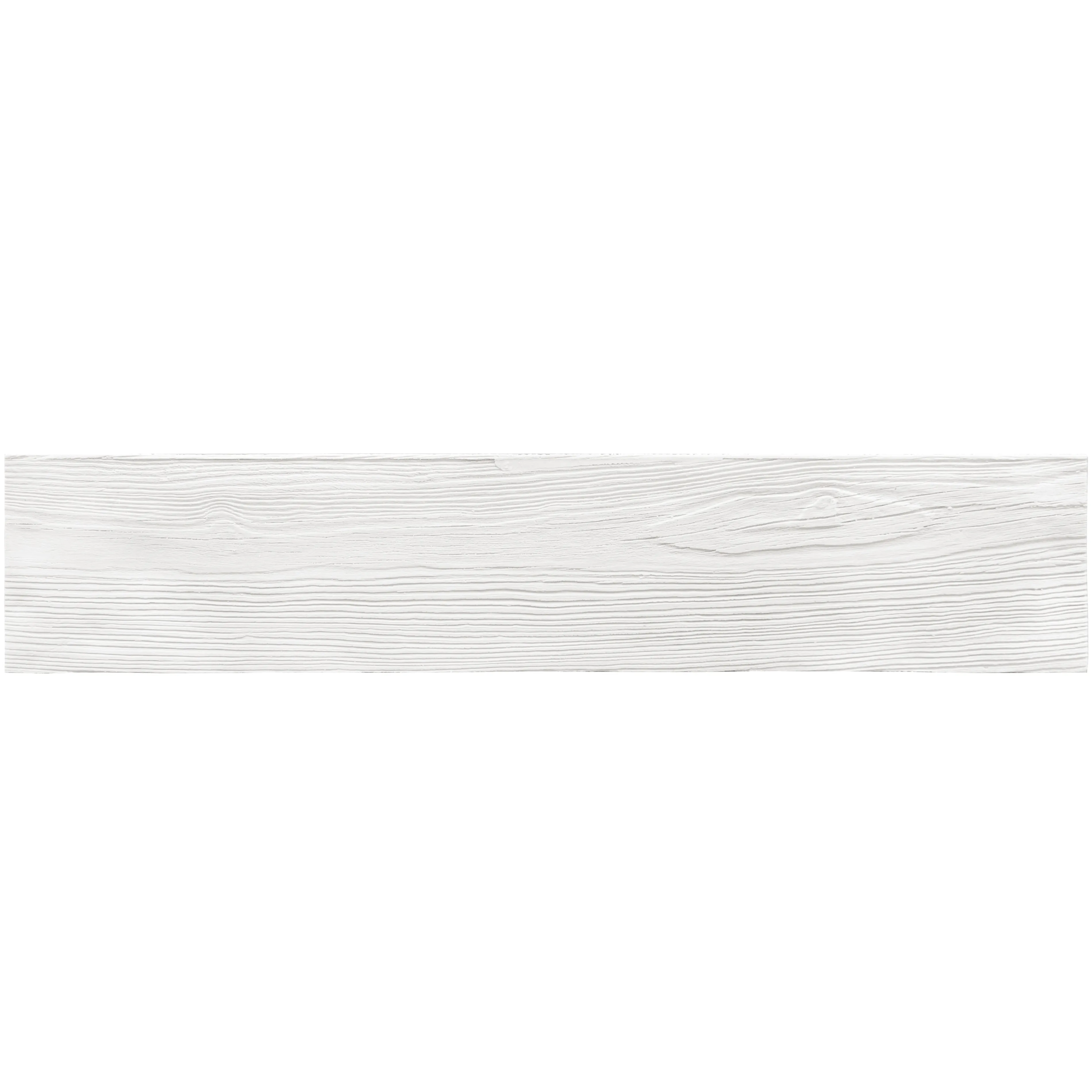
At first glance, white wood might sound like just another type of lumber. But lean in, and you'll find it's a reimagining of what wood can be. Unlike traditional hardwoods, which often come from old-growth forests cleared at alarming rates, white wood is born from a commitment to circularity. Picture this: instead of felling mature trees, manufacturers source wood fibers from post-consumer waste—old pallets, discarded furniture, even sawdust from other mills. These fibers are cleaned, processed, and bonded with natural resins to create a material that's as strong as oak but gentler on the planet.
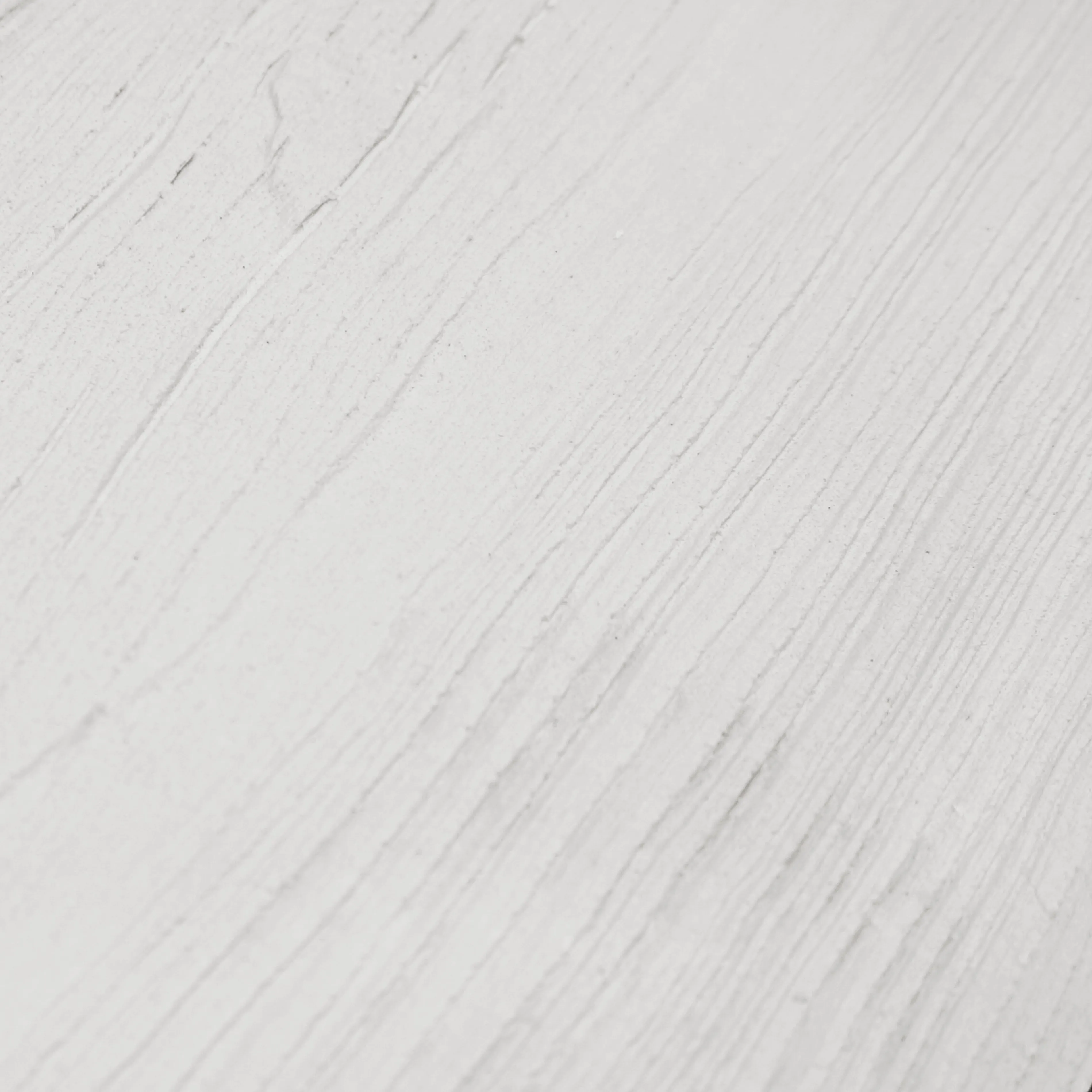
The magic? It doesn't skimp on aesthetics. Run your hand over a white wood panel, and you'll feel the same warm grain as natural wood, the kind that makes a room feel like a hug. But there's no guilt here—no wondering if your dream kitchen came at the cost of a forest. That's the eco-friendly heart of white wood: it lets us hold onto the things we love about wood (the texture, the warmth, the way it ages gracefully) without the environmental toll.
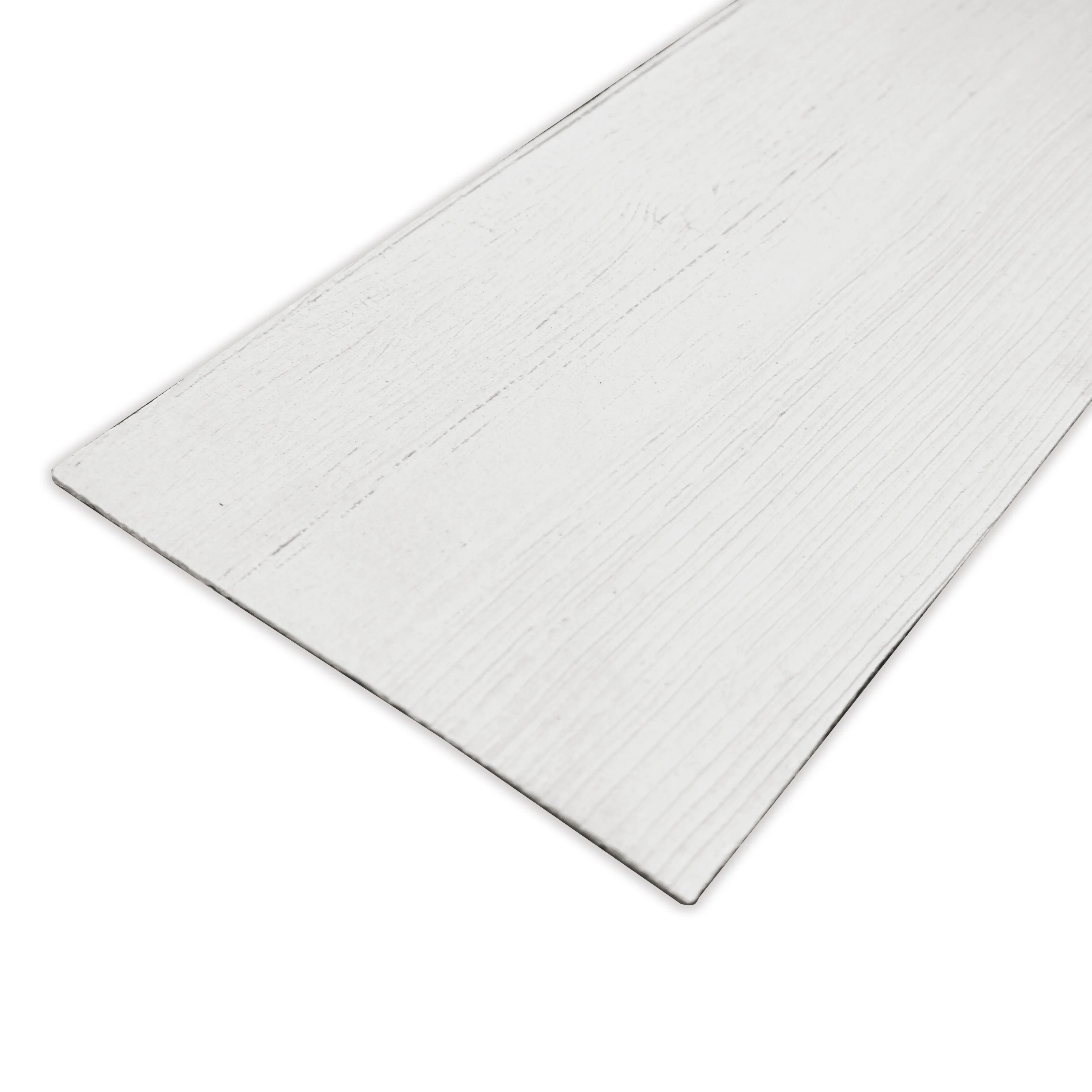
Let's break down what makes white wood a standout in green building. It starts with sourcing. Traditional wood production contributes to deforestation, which accounts for 15% of global greenhouse gas emissions. White wood flips the script by diverting waste from landfills—turning what would've been discarded into something useful. That alone reduces its carbon footprint by up to 70% compared to virgin hardwoods, according to the Sustainable Building Materials Institute.
Then there's manufacturing. Most lumber requires harsh chemicals to treat against pests and rot, which leach into soil and waterways. White wood's production process relies on low-VOC (volatile organic compound) adhesives and natural fire retardants, like borax, making it safer for both installers and occupants. And because it's engineered to resist warping, cracking, and moisture, it lasts longer than many traditional woods—meaning fewer replacements, less waste, and a home that ages with grace, not decay.
But perhaps the most powerful trait? Its recyclability. When a white wood structure reaches the end of its life (decades down the line), those panels can be ground up and repurposed again—closing the loop on waste. It's a material that respects the planet's limits by refusing to be single-use.
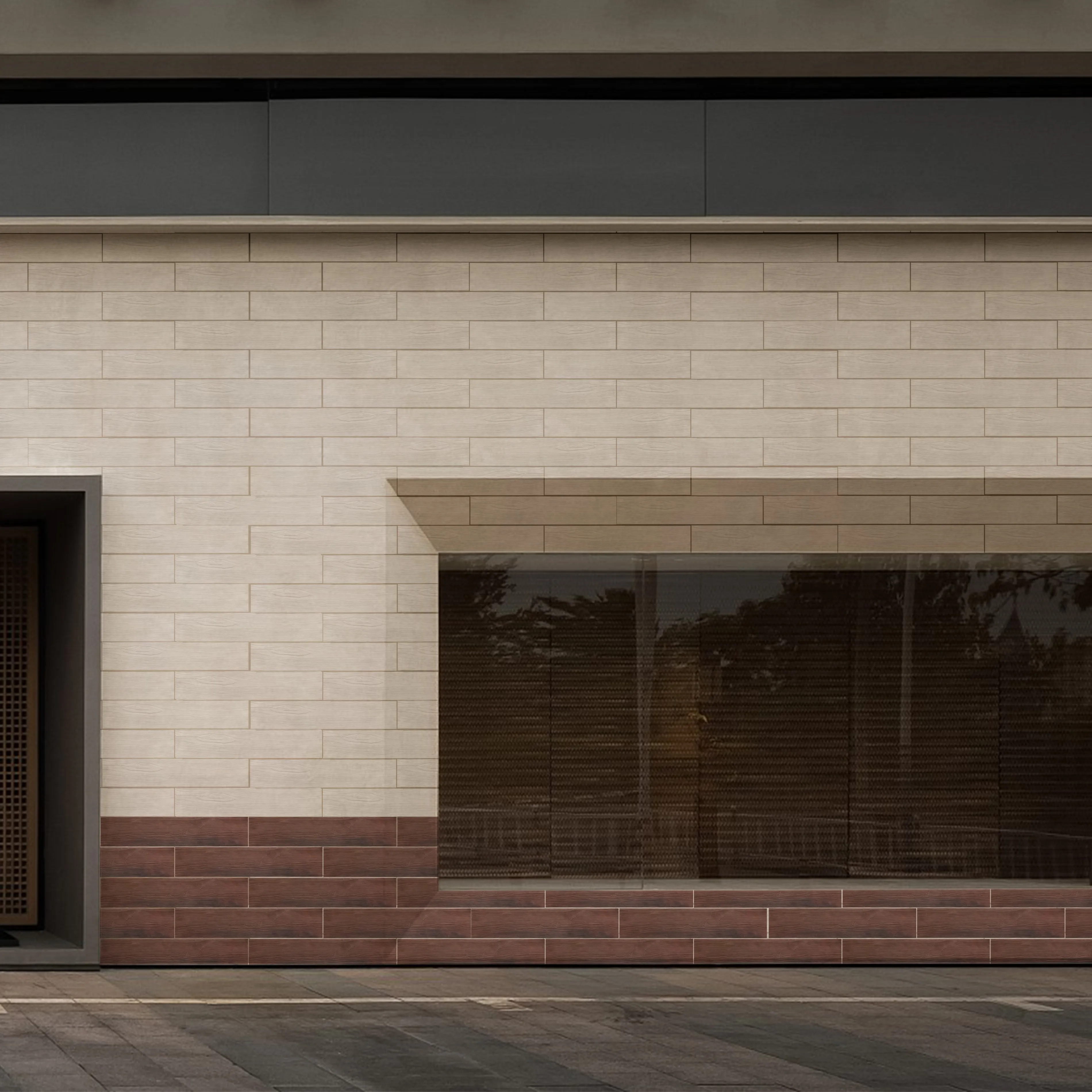
No building material exists in a vacuum. The best green spaces blend materials that complement each other's strengths—and white wood plays well with others. Take MCM flexible stone , for example. This innovative material mimics the look of natural stone—think rugged slate or smooth travertine—but it's made from recycled stone dust and a flexible polymer base. It's lightweight, which cuts down on transportation emissions, and its flexibility means fewer cracks during installation. Pair it with white wood on an exterior facade, and you get a home that feels grounded (thanks to the stone's earthy texture) and warm (from the wood's softness)—all without quarrying new stone.
Then there's fair-faced concrete , a material that wears its simplicity like a badge of honor. Unlike traditional concrete, which is often covered in paint or tiles (adding layers of waste), fair-faced concrete is left exposed, showcasing its raw, industrial beauty. It's made with recycled aggregates (crushed concrete from old buildings) and requires minimal water to produce. When used alongside white wood—say, white wood beams against a fair-faced concrete wall—it creates a contrast that's both modern and timeless. And because both materials are fire-resistant and low-maintenance, they're a practical choice for busy families who want sustainability without sacrificing durability.
For those who crave the look of wood but want even more versatility, wood grain board is another ally. Like white wood, it's engineered from recycled wood fibers, but it's designed to mimic specific wood species—oak, maple, teak—with stunning accuracy. Use it for flooring in a bedroom, paired with white wood accent walls, and you get the cozy, cabin-like feel without a single tree being cut down. It's proof that sustainability doesn't mean giving up on style; it means reimagining it.
Wondering how white wood compares to other options when it comes to sustainability? Let's put it side by side with traditional materials and its green partners:
| Material | Carbon Footprint (kg CO₂ per m²) | Durability (Avg. Lifespan) | Recyclability | Maintenance Needs |
|---|---|---|---|---|
| Traditional Hardwood (Oak) | 12.5 | 30–50 years | Low (often ends up in landfills) | High (annual sealing, staining) |
| White Wood | 3.8 | 60–80 years | High (100% recyclable/reusable) | Low (occasional dusting, mild cleaning) |
| MCM Flexible Stone | 4.2 | 50–70 years | Medium (recyclable stone dust, polymer harder to break down) | Very Low (resistant to stains, scratches) |
| Fair-Faced Concrete | 5.1 | 80–100 years | High (recycled as aggregate for new concrete) | Low (occasional pressure washing) |
The numbers tell a clear story: white wood, paired with materials like MCM flexible stone and fair-faced concrete, offers a lower carbon footprint, longer lifespan, and easier maintenance than traditional options. It's not just better for the planet—it's better for your peace of mind, too.
Sustainability isn't just about the environment—it's about people. White wood's production model supports local economies by partnering with small-scale waste collectors and mills, creating jobs in communities that need them most. In Detroit, for example, a white wood manufacturer works with local nonprofits to train formerly incarcerated individuals in material processing, giving them skills and steady income. "It's not just about making boards," says James, the plant manager. "It's about rebuilding lives, one recycled fiber at a time."
And in homes, white wood contributes to healthier living. Its low-VOC composition improves indoor air quality, which is critical for people with allergies or asthma. "My son has severe eczema, and we noticed a huge difference after we renovated with white wood," says Raj, a homeowner in Chicago. "Less coughing at night, fewer flare-ups. We didn't realize how much the old, chemically treated wood was affecting him until it was gone."
Even businesses are catching on. A boutique hotel in Costa Rica used white wood for its lobby and guest rooms, paired with MCM flexible stone for the outdoor terraces. "Our guests care about sustainability, but they also want luxury," says the hotel's designer, Elena. "White wood gives them both. It feels upscale, but they can tell it's been chosen with integrity. That matters to them—and it matters to us."
At the end of the day, building with white wood isn't just a design choice—it's a values choice. It's saying, "I care about the planet, and I believe my home can be part of the solution." It's recognizing that beauty and responsibility don't have to be enemies; in fact, they're stronger together.
So whether you're building a new home, renovating a kitchen, or designing a community space, consider the story your materials tell. Will they speak of exploitation and waste? Or will they whisper of hope—of a world where we build not just for ourselves, but for the trees, the oceans, and the children who'll inherit this earth?
White wood, MCM flexible stone, fair-faced concrete—these aren't just products. They're tools for change. And change, as we know, starts with the choices we make today. So let's build something that outlives us—something that makes the planet breathe a little easier. After all, the best homes aren't just shelters. They're love letters to the earth.
Recommend Products












