
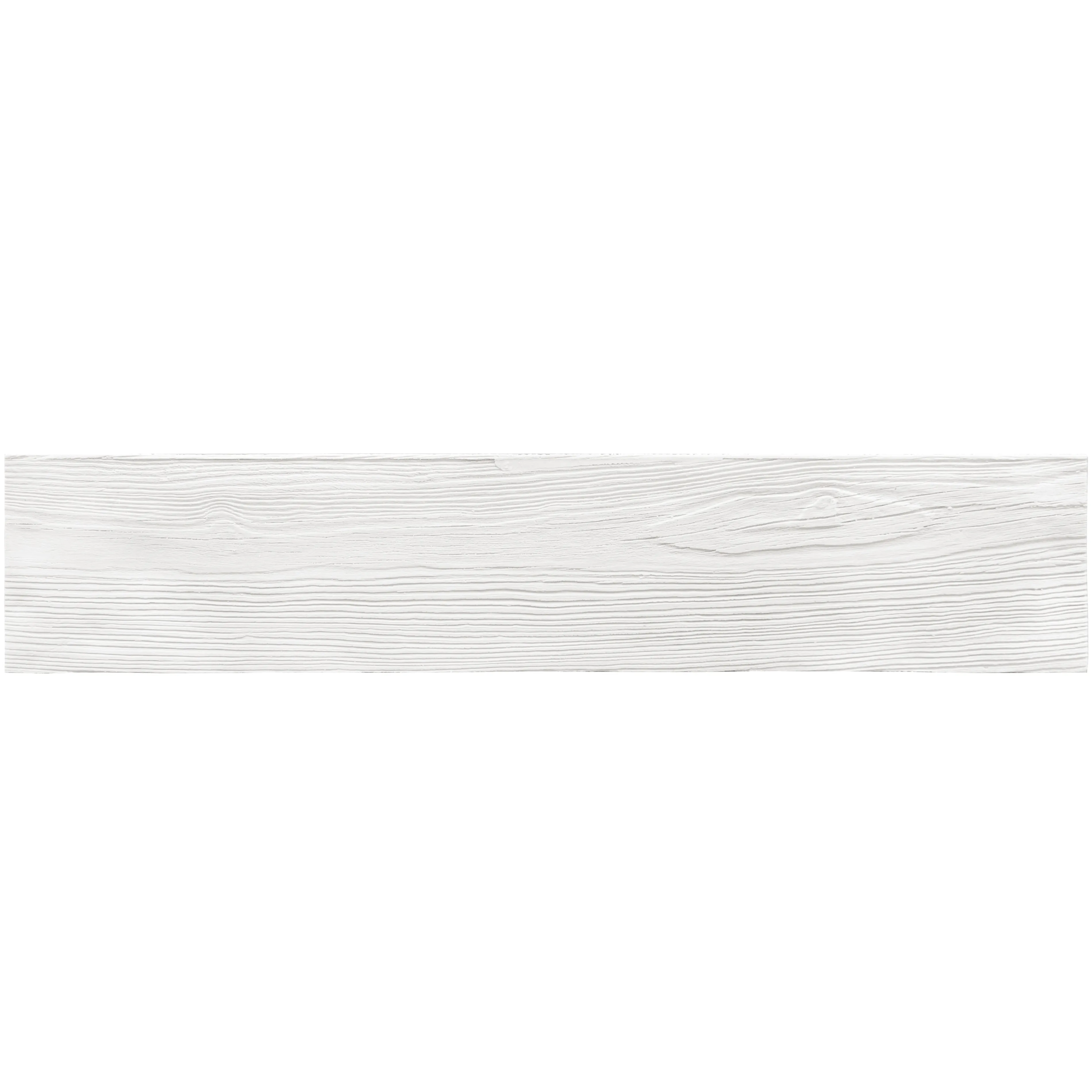
White wood finish has become a sought-after aesthetic in modern architecture, offering a timeless blend of natural warmth and contemporary elegance. When applied to exterior wall cladding, this finish creates stunning visual appeal while delivering exceptional durability and performance. This comprehensive guide explores everything you need to know about white wood finish for exterior wall panels, from material options and benefits to installation and maintenance.
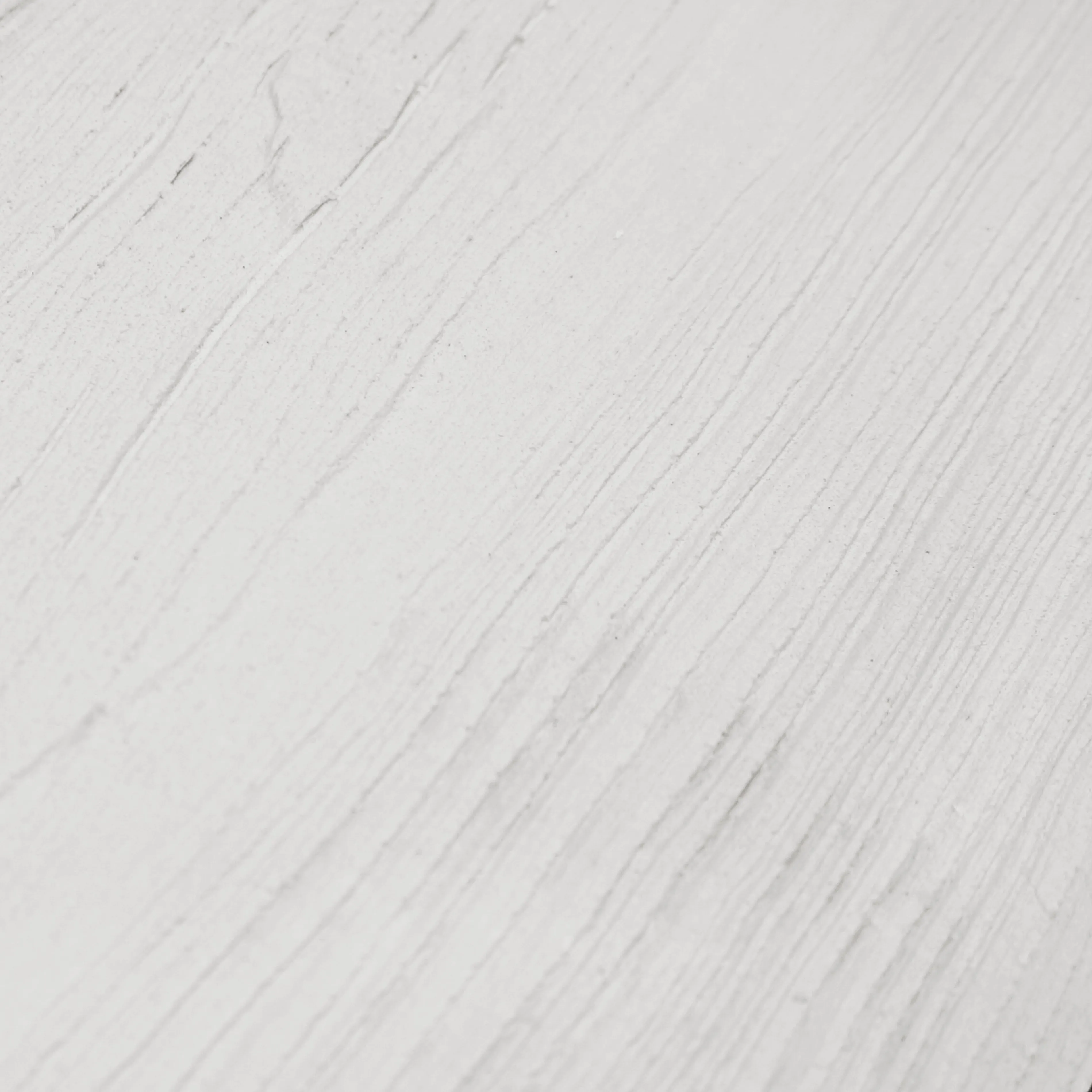
White wood finish refers to a surface treatment that replicates the appearance of whitewashed or naturally weathered light-colored timber. This finish typically features a soft white or cream base with subtle wood grain patterns visible beneath, creating a weathered, vintage aesthetic that complements various architectural styles. Unlike traditional solid white paint, white wood finish maintains the organic texture and visual depth of natural wood while providing a brighter, cleaner appearance.
In exterior applications, white wood finish can be achieved through several material types:
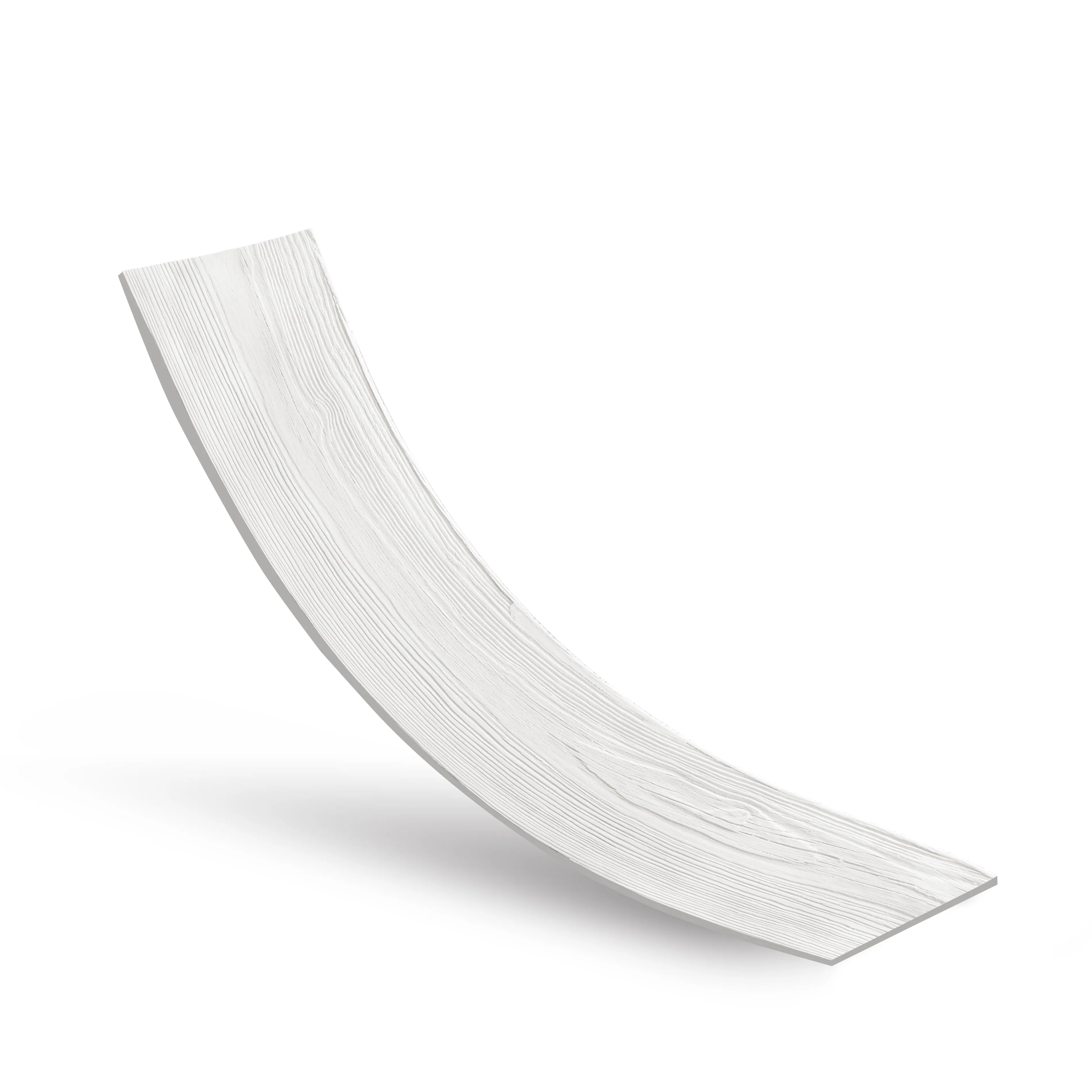
White wood finish for exterior wall panels offers numerous compelling advantages that make it a preferred choice for architects, builders, and property owners:
The soft, muted tones of white wood finish create a sophisticated, understated elegance that never goes out of style. This finish complements diverse architectural styles, from coastal cottages and farmhouse designs to modern minimalist structures and traditional homes. The neutral color palette serves as an ideal backdrop for landscaping and other design elements, allowing the building to harmonize with its surroundings while maintaining visual interest.
Light-colored exterior finishes significantly improve a building's energy efficiency by reflecting solar radiation rather than absorbing it. White wood finish can reduce cooling costs in warm climates by minimizing heat gain through exterior walls. This reflective quality also brightens shadowed areas and can make structures appear larger and more inviting.
White wood finish adapts seamlessly to various design schemes. It pairs beautifully with natural stone, brick, or contrasting dark accents. Whether used as the primary exterior finish or as an accent element, white wood panels create visual interest without overwhelming other architectural features.
The subtle grain patterns and texture variations inherent in white wood finish add depth and character to building facades. This organic quality prevents the flat, monotonous appearance sometimes associated with solid white surfaces, creating instead a dynamic, visually engaging exterior.
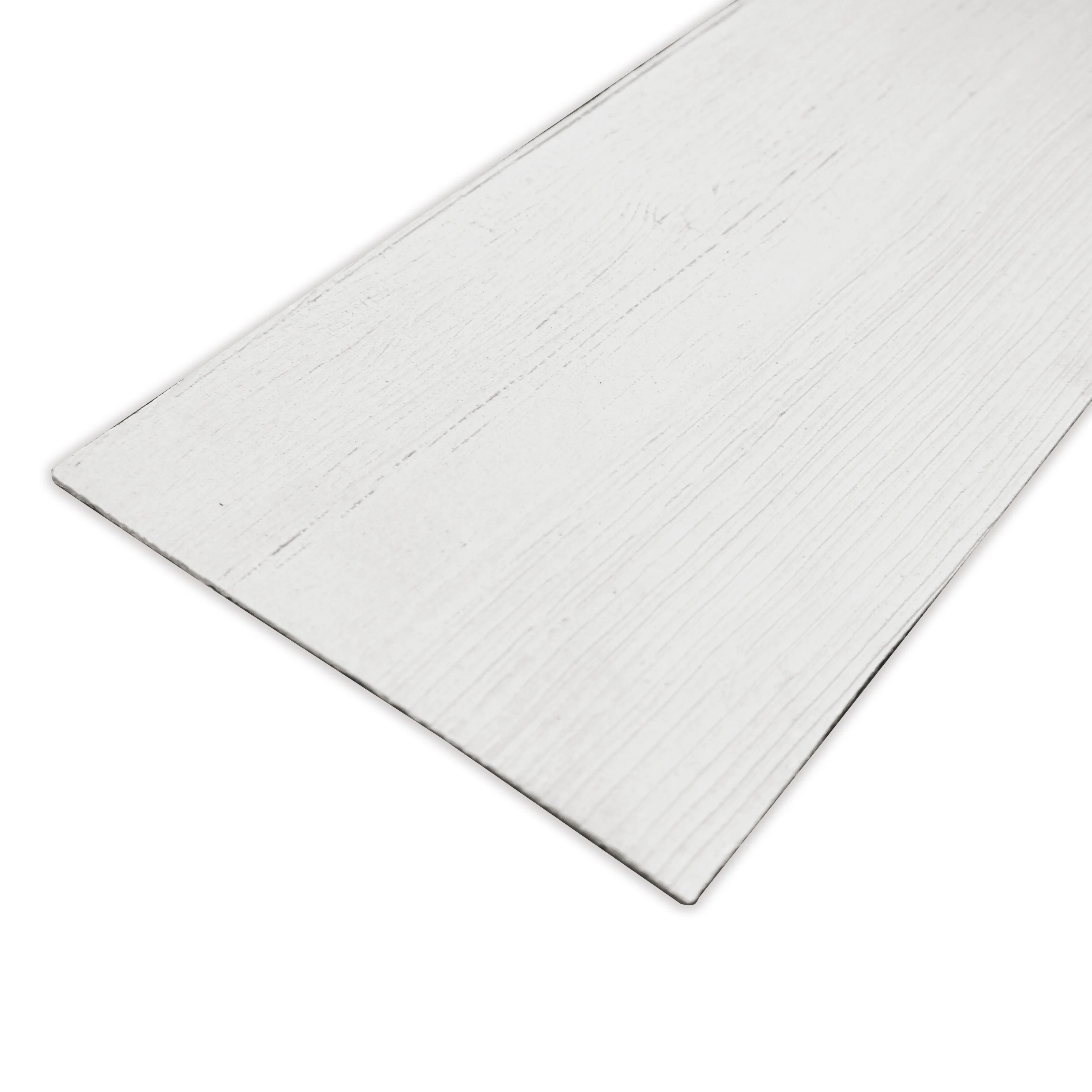
Among the most innovative options available today, MCM (Modified Clay Material) products represent a breakthrough in exterior wall panel technology. MCM flexible stone panels offer the authentic appearance of white wood with remarkable advantages:
Natural wood panels treated with white finishes offer genuine timber's warmth and character. Options include cedar, pine, fir, and engineered wood products. While beautiful, these require regular maintenance including staining, sealing, and protection from moisture and insects.
Fiber cement siding with white wood texture provides excellent fire resistance and durability. These panels resist insects, rot, and weather damage while offering a wood-like appearance. However, they lack the flexibility of MCM materials and can be heavy to install.
Vinyl siding with white wood grain patterns offers affordability and low maintenance. Composite materials combine wood fibers with synthetic binders for improved durability. Both options provide reasonable aesthetics but may not achieve the authentic appearance of MCM or natural wood products.
Modern white wood finish panels, particularly MCM flexible materials, require minimal upkeep compared to natural wood. There's no need for annual staining, painting, or sealing. A simple cleaning routine with water and mild detergent maintains the panels' appearance. This low-maintenance quality translates to significant cost savings over the building's lifetime.
Quality white wood finish panels withstand diverse weather conditions including rain, snow, intense sunlight, and temperature extremes. MCM products particularly excel in this regard, as their modified clay composition resists water absorption, prevents freeze-thaw damage, and maintains color stability under UV exposure.
Unlike natural wood, many white wood finish panel options offer excellent fire resistance. MCM materials, fiber cement, and metal panels provide non-combustible alternatives that enhance building safety while achieving the desired aesthetic.
Synthetic and mineral-based white wood panels eliminate concerns about termite damage, wood-boring insects, or fungal decay. This protection is especially valuable in humid climates where traditional wood siding deteriorates rapidly.
While initial costs may vary by material type, white wood finish panels deliver excellent return on investment through reduced maintenance expenses, extended lifespan, and sustained curb appeal. Many quality products carry warranties of 20-40 years, ensuring lasting performance.
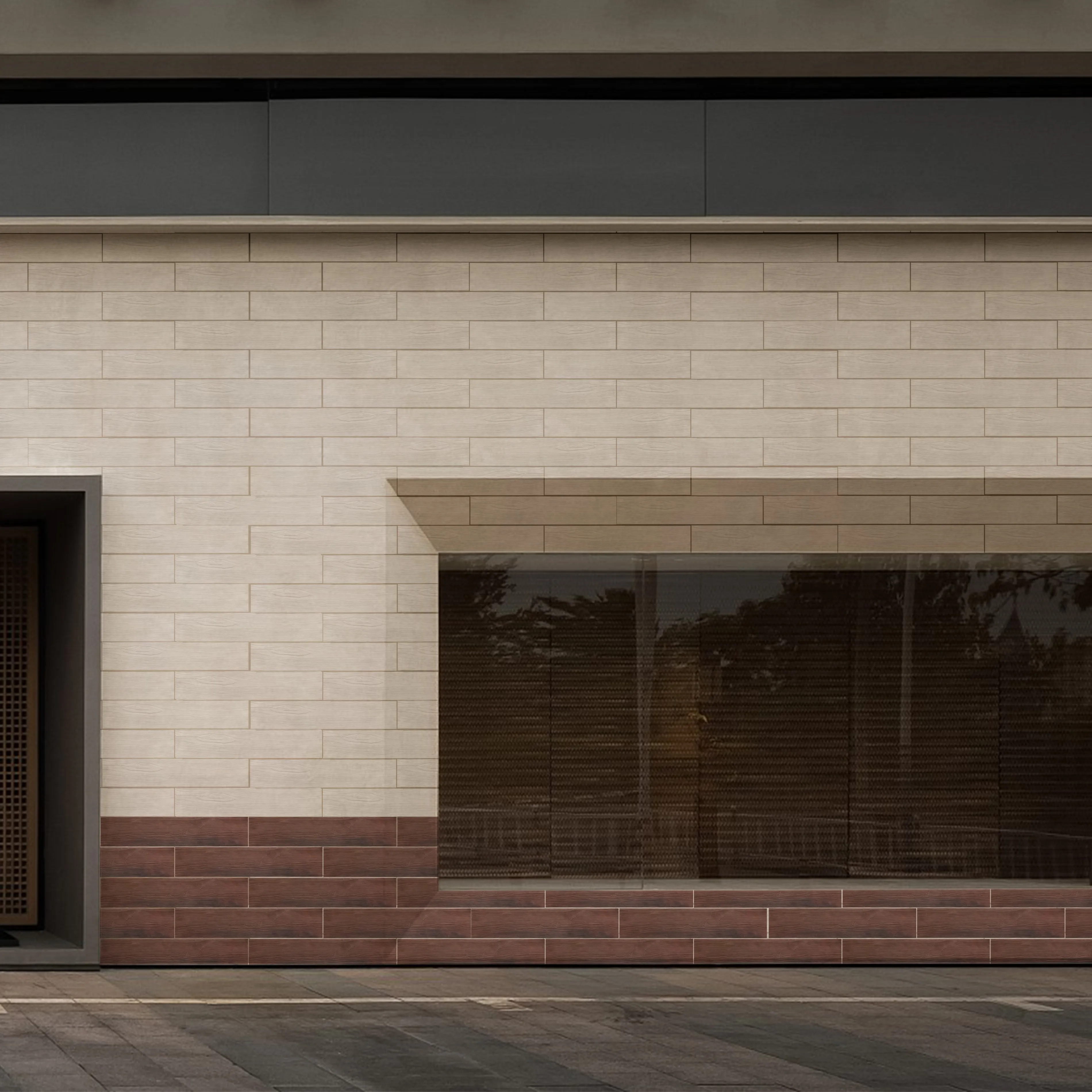
White wood finish exterior panels complement various home styles:
Businesses utilize white wood finish panels to create inviting, professional facades. Retail spaces, restaurants, hotels, and office buildings benefit from the material's ability to project both sophistication and warmth. The light color helps buildings stand out while appearing approachable.
White wood finish panels excel as accent elements, highlighting gables, dormers, entryways, or specific architectural features. Combining white wood panels with contrasting materials creates visual interest and defines building character.
Contemporary designs increasingly combine white wood finish panels with other materials such as dark wood, natural stone, brick, or metal. This layered approach adds depth and texture to building exteriors, creating dynamic, visually engaging facades.
Proper substrate preparation ensures successful panel installation. The wall surface must be clean, dry, structurally sound, and free of any contaminants. For MCM flexible panels, a solid substrate or appropriate furring system provides the necessary support.
Effective moisture barriers and proper flashing details protect the building envelope. Even though quality panels resist water, preventing moisture infiltration behind panels is essential for long-term performance.
Different panel types require specific fastening methods. MCM panels often use adhesive systems combined with mechanical fasteners for secure attachment. Concealed fastener systems create cleaner aesthetics while exposed fasteners may be appropriate for certain designs.
While some panel systems suit DIY installation, professional installation ensures optimal results. Experienced contractors understand proper techniques, can address substrate issues, and ensure compliance with building codes and manufacturer specifications.
Periodic cleaning maintains the panels' appearance. Use low-pressure water washing and mild, pH-neutral detergents. Avoid harsh chemicals, abrasive cleaners, or high-pressure washing that could damage the finish.
Annual inspections identify any issues requiring attention. Check for damaged panels, loose fasteners, sealant deterioration, or areas where moisture might penetrate. Prompt repairs prevent minor issues from becoming major problems.
Keep spare panels or touch-up materials on hand for repairs. Most manufacturers provide matching repair kits or replacement panels. Addressing damage promptly prevents further deterioration and maintains aesthetic continuity.
Consider your region's weather patterns. Areas with intense sun, heavy rainfall, or extreme temperature variations demand panels with proven weather resistance. MCM flexible materials excel in diverse climates due to their dimensional stability and UV resistance.
If you prefer minimal maintenance, prioritize synthetic or mineral-based panels over natural wood. MCM panels, fiber cement, and metal options offer the lowest maintenance requirements.
Balance initial costs against long-term value. While natural wood may have lower upfront costs, maintenance expenses accumulate over time. Premium materials like MCM flexible panels offer excellent value through durability and minimal upkeep.
Request samples and view installed projects to assess how realistically different products replicate white wood appearance. Quality varies significantly between manufacturers and product lines.
Sustainable building practices favor materials with minimal environmental impact. MCM products align with green building principles through several characteristics:
Additionally, the light color of white wood finish panels contributes to building energy efficiency by reflecting solar heat, reducing cooling demands, and supporting sustainable design objectives.
White wood finish for exterior wall panels offers an exceptional combination of timeless aesthetics, practical benefits, and design versatility. Whether through innovative MCM flexible materials, traditional wood panels, or other synthetic options, this finish creates sophisticated, inviting building exteriors that stand the test of time. By carefully considering material options, installation requirements, and maintenance needs, property owners can select the ideal white wood finish panels to enhance their building's appearance, performance, and value. The growing preference for white wood finish reflects its success in meeting contemporary architectural demands for materials that combine beauty, durability, and sustainability.
Recommend Products












