
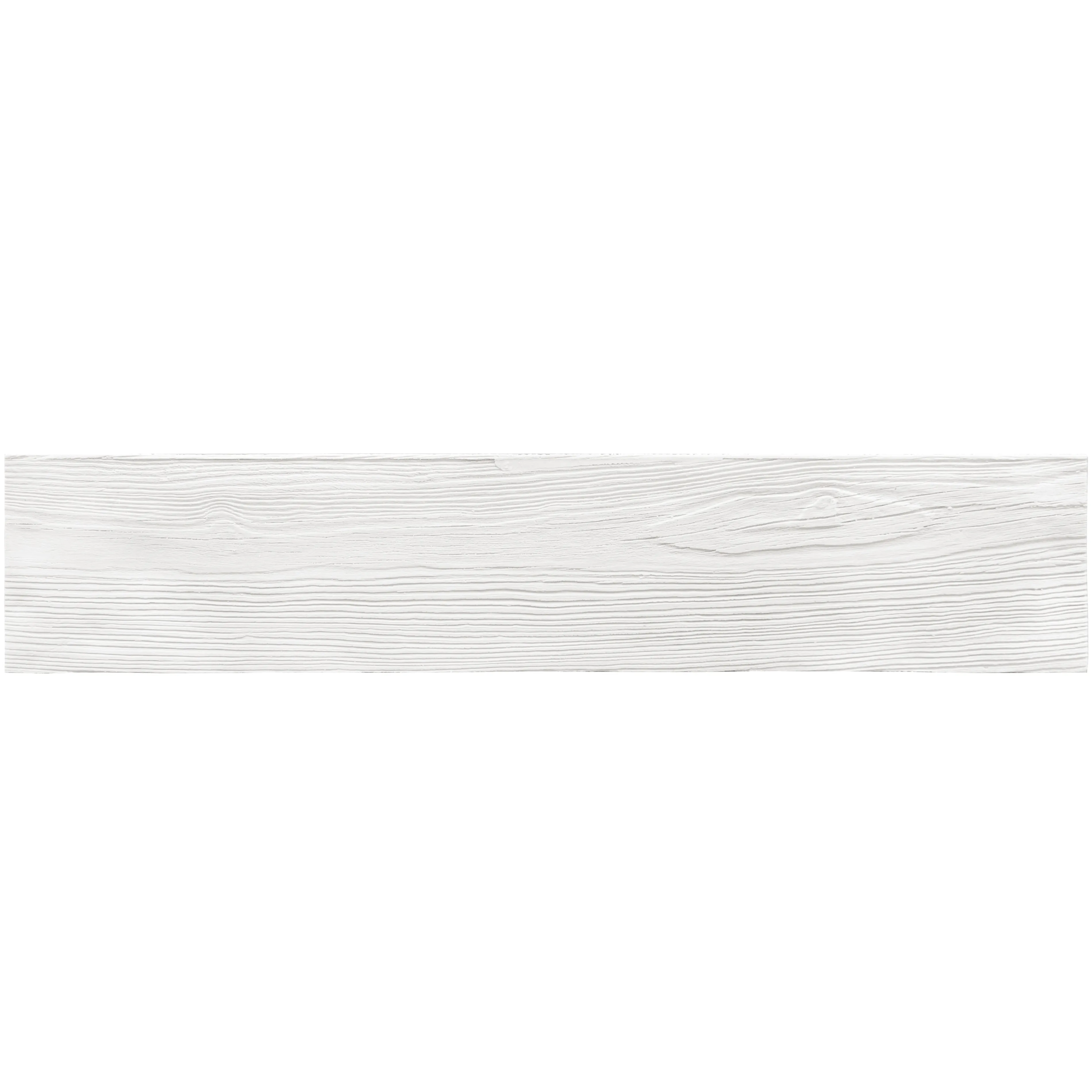
Walk into any bustling commercial space—a sleek downtown office, a trendy retail store, or a busy restaurant—and you'll likely notice the materials that shape its character. Warm woods, industrial concrete, polished stone—each choice tells a story about the space's purpose and personality. But behind those aesthetic decisions lies a critical, life-saving consideration: fire safety. For building owners, architects, and designers, selecting materials isn't just about creating a visually appealing environment; it's about protecting the people who work, shop, and gather there. And when it comes to balancing beauty and safety, few materials spark as much discussion as white wood.
White wood has surged in popularity in recent years, prized for its clean, contemporary look and versatility. It brings warmth to minimalist designs, complements modern steel and glass structures, and can mimic the charm of natural wood without the same environmental impact. But for all its aesthetic appeal, one question looms large: How does it hold up in a fire? In commercial buildings, where occupancy levels are high and fire risks multiply, the answer isn't just a technicality—it's a matter of compliance, liability, and most importantly, human lives.
Fire safety in commercial buildings isn't a topic to be taken lightly. According to the National Fire Protection Association (NFPA), U.S. fire departments respond to an average of 3,340 structure fires in office buildings each year, resulting in 12 deaths, 120 injuries, and $112 million in property damage. Those numbers aren't just statistics—they represent disrupted businesses, displaced employees, and families forever changed by loss. For building owners, a single fire can mean financial ruin; for tenants, it can mean losing livelihoods or worse. That's why fire safety ratings for building materials aren't optional—they're the backbone of responsible construction.
Fire safety ratings measure how a material behaves when exposed to fire. They assess factors like flame spread (how quickly fire spreads across the material), smoke development (how much smoke is produced, which is often more deadly than the flames themselves), and heat release rate. These ratings are determined through standardized tests, such as ASTM E84 (the "Steiner Tunnel Test"), which evaluates surface burning characteristics, or UL 94, which measures flammability of plastic materials. For commercial buildings, local building codes—like the International Building Code (IBC)—mandate minimum fire safety ratings for materials used in walls, ceilings, floors, and other critical areas. Choosing a material with a poor rating isn't just a code violation; it's a gamble with lives.

So, what exactly is white wood, and how does it perform under fire conditions? White wood is typically a term used for wood products that have been treated, painted, or engineered to achieve a light, uniform color—think pale oak, birch, or ash, or engineered woods like medium-density fiberboard (MDF) or plywood with a white finish. Its fire safety rating depends on several factors: the base material, any fire-retardant treatments applied, and the thickness or form of the product (e.g., panels vs. planks).
Untreated natural wood is inherently flammable, with a flame spread index (FSI) that can range from 75 to over 200 (on the ASTM E84 scale, where 0 is asbestos and 100 is red oak). But modern white wood products often undergo fire-retardant treatments to improve their performance. These treatments—chemical sprays, impregnation, or coatings—work by slowing combustion, reducing flame spread, and limiting smoke production. When properly treated, white wood can achieve Class A or Class B fire ratings under ASTM E84, meaning it has a flame spread index of 0-25 (Class A) or 26-75 (Class B), making it suitable for many commercial applications.
For example, a white wood panel treated with a borate-based fire retardant might earn a Class A rating, making it acceptable for use in corridors, stairwells, or other areas where fire spread must be contained. On the other hand, untreated white wood trim might only achieve a Class C rating (FSI 76-200), limiting its use to non-critical areas. The key takeaway? Not all white wood is created equal. Its fire safety rating isn't a given—it's a result of careful engineering and testing.
To truly understand white wood's place in commercial fire safety, it helps to compare it to other commonly used materials. Let's take a look at how it stacks up against three popular options: fair-faced concrete, polish concrete, and flexible stone cladding panels. Each has its own fire safety profile, aesthetic appeal, and practical considerations.
| Material | Typical Fire Rating (ASTM E84) | Common Applications | Fire Safety Pros | Fire Safety Cons |
|---|---|---|---|---|
| White Wood (Treated) | Class A (0-25 FSI) or Class B (26-75 FSI) | Wall panels, ceilings, trim, furniture | Low flame spread when treated; reduced smoke production; can be tailored to meet code requirements | Untreated versions have high flame spread; treatments may add cost; can char or delaminate under extreme heat |
| Fair-Faced Concrete | Class A (0-25 FSI) | Walls, floors, structural elements | Non-combustible; excellent heat resistance; minimal smoke production | Heavy, limiting design flexibility; can crack under thermal stress, allowing fire to spread through gaps |
| Polish Concrete | Class A (0-25 FSI) | Floors, countertops, walls | Non-combustible; durable under heat; low maintenance | Surface may spall (chip) when exposed to intense heat; poor insulator, so heat can transfer through quickly |
| Flexible Stone Cladding Panels | Class A (0-25 FSI) | Exterior facades, interior accent walls | Non-combustible; lightweight; resistant to flame spread | Adhesives or backing materials may be flammable; installation errors can create fire hazards |
As the table shows, white wood, when properly treated, can hold its own against non-combustible materials like fair-faced concrete and polish concrete in terms of flame spread. But it's important to note that "non-combustible" doesn't mean "fireproof." Even concrete can fail under extreme heat, and flexible stone cladding panels depend on their backing and installation for safety. White wood's advantage lies in its balance of performance and aesthetics—unlike concrete, it can add warmth and texture to a space without sacrificing fire safety, making it a favorite for designers aiming to create inviting, yet secure, commercial environments.

To understand why white wood's fire safety rating matters in practice, consider the case of a mid-sized retail mall in the Midwest. A few years ago, the mall underwent a renovation, replacing outdated ceiling tiles with white wood panels to modernize its food court. The design team specified untreated white wood, assuming its light color and thin profile would meet code requirements. But during a routine fire safety inspection, the panels failed to meet the IBC's Class B requirement for ceiling materials in assembly areas (which have high occupancy). The mall was forced to close the food court for weeks, replace the panels with fire-retardant-treated versions, and pay fines for code violations. The cost? Over $150,000 in repairs and lost revenue—all because of a misunderstanding about fire ratings.
On the flip side, consider a tech startup that chose fire-retardant white wood for its open-concept office. The space featured white wood accent walls, ceiling beams, and even custom desks made from treated white wood panels with a Class A rating. When a small electrical fire broke out in a server room, the white wood walls slowed the flame spread, giving employees time to evacuate and firefighters time to contain the blaze. The fire damage was limited to the server room, and the office reopened within days. The startup's insurance company later reduced their premiums, citing the use of fire-rated materials as a key factor in minimizing losses.
These stories highlight a simple truth: fire safety ratings aren't just checkboxes on a building permit. They shape real outcomes—for businesses, for employees, and for communities. For building owners, investing in materials with the right ratings can mean the difference between a minor incident and a catastrophic loss. For architects, it's about balancing creativity with responsibility. And for everyone who steps into a commercial building, it's about feeling safe.
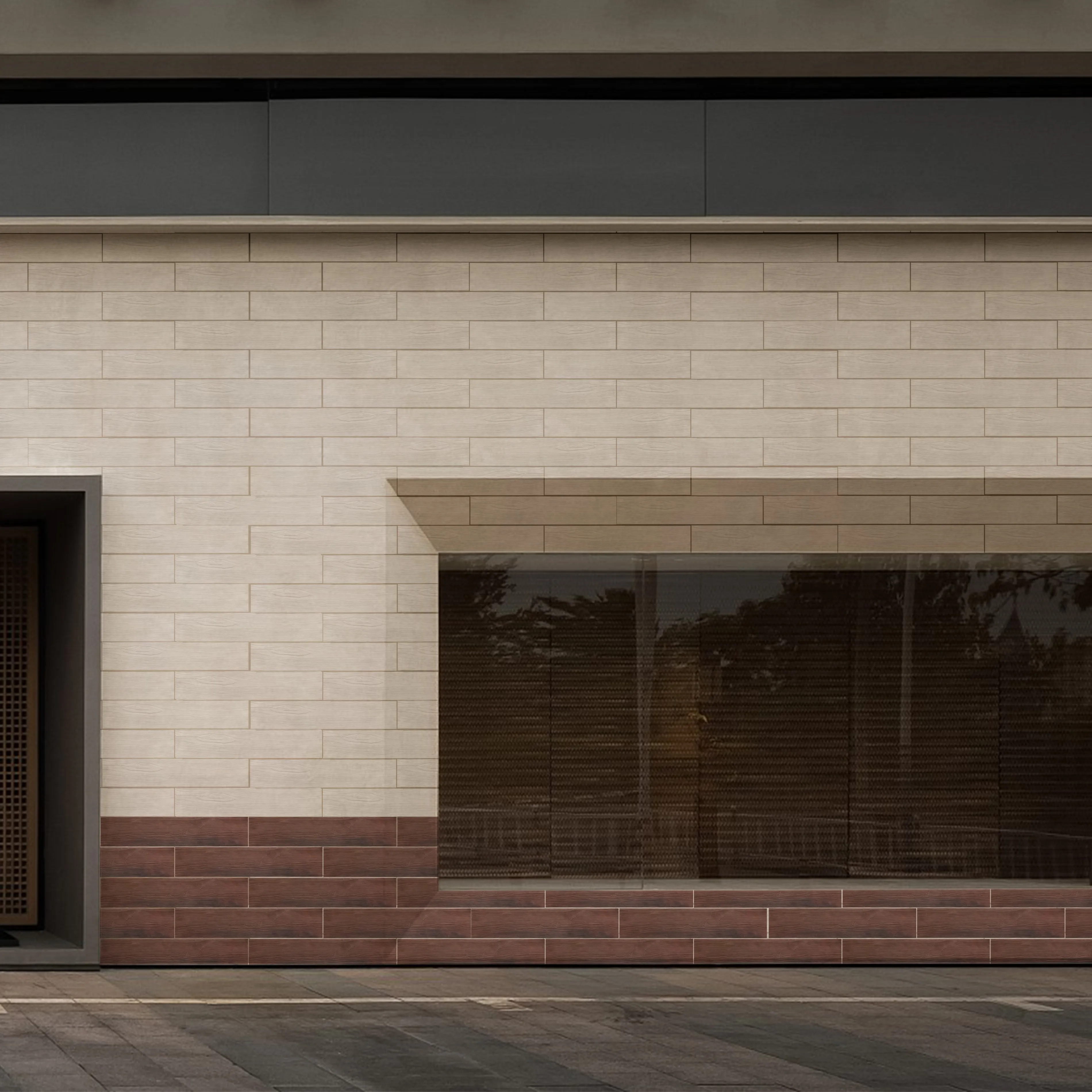
Fire safety is the primary concern, but fire-rated white wood offers other advantages that make it a smart choice for commercial buildings. Sustainability is a big one: many fire-retardant treatments today are low-VOC (volatile organic compound) and environmentally friendly, aligning with green building standards like LEED. Engineered white wood products also often use recycled or fast-growing wood sources, reducing their carbon footprint compared to solid hardwoods.
Aesthetics, too, can't be overlooked. Commercial spaces are increasingly designed to feel like "second homes"—places where people want to spend time, not just work or shop. White wood's light, airy appearance creates a sense of openness and calm, which can boost employee productivity and customer satisfaction. In hospitality settings—like hotels or restaurants—it adds a touch of luxury without feeling cold or sterile. When paired with other fire-safe materials like glass and steel, it creates a design that's both modern and welcoming.
Durability is another plus. Fire-retardant treatments often improve a material's resistance to pests, moisture, and decay, extending its lifespan. For high-traffic commercial areas, this means less maintenance and replacement over time—saving money in the long run. And because white wood is available in a variety of forms (panels, planks, tiles), it's adaptable to almost any design vision, from accent walls to custom furniture.
Despite its benefits, white wood still faces misconceptions when it comes to fire safety. One common myth is that "all wood is equally flammable," so why bother with treatments? But as we've seen, fire-retardant treatments can drastically reduce flame spread and smoke production, turning a dangerous material into a safe one. Another myth is that fire-rated white wood is ugly or unnatural-looking. Today's treatments are advanced enough to preserve the wood's natural grain and texture—you'd never know it's fire-safe just by looking at it.
Cost is another concern. Fire-retardant treatments do add to the upfront cost of white wood—typically 10-20% more than untreated versions. But when compared to the cost of fire damage, insurance hikes, or code violations, it's a small price to pay. Many building owners find that the long-term savings (lower insurance premiums, reduced maintenance, higher tenant retention) offset the initial investment.
Finally, there's the misconception that fire-rated materials limit design freedom. Nothing could be further from the truth. Today's white wood products come in endless colors, finishes, and patterns, from matte to high-gloss, smooth to textured. Designers can mix and match fire-rated white wood with other materials—like fair-faced concrete floors or flexible stone cladding panels on exteriors—to create unique, code-compliant spaces that stand out from the crowd.
As commercial building design evolves, so too does the technology behind fire-safe materials. Innovations in fire-retardant treatments are making white wood even safer and more sustainable. Researchers are developing bio-based treatments derived from plants, which are non-toxic and fully biodegradable. Nanotechnology is also playing a role, with microscopic coatings that enhance fire resistance without altering the wood's appearance or texture.
Another trend is the integration of smart technology with fire-rated materials. Imagine white wood panels embedded with sensors that detect heat or smoke and trigger alarms or sprinkler systems automatically. Or panels that release fire-suppressant gases when exposed to high temperatures. These innovations could revolutionize how we approach fire safety in commercial buildings, making spaces not just passively safe, but actively protective.
For architects and building owners, the future is about collaboration. Working closely with material suppliers, fire safety engineers, and code officials early in the design process can ensure that white wood—and other materials—are chosen not just for their looks, but for their ability to keep people safe. It's a shift from "build first, inspect later" to "design with safety in mind from day one."
White wood has earned its place in modern commercial design, thanks to its beauty, versatility, and sustainability. But its true value lies in its ability to balance these qualities with fire safety. In a world where commercial buildings are more than just structures—they're hubs of innovation, community, and commerce—protecting them from fire isn't optional. It's essential.
So, the next time you walk into a commercial space with white wood accents, take a moment to appreciate more than just its looks. Behind that clean, bright surface is a story of engineering, testing, and commitment to safety. And that's a story worth building on.
Recommend Products












