
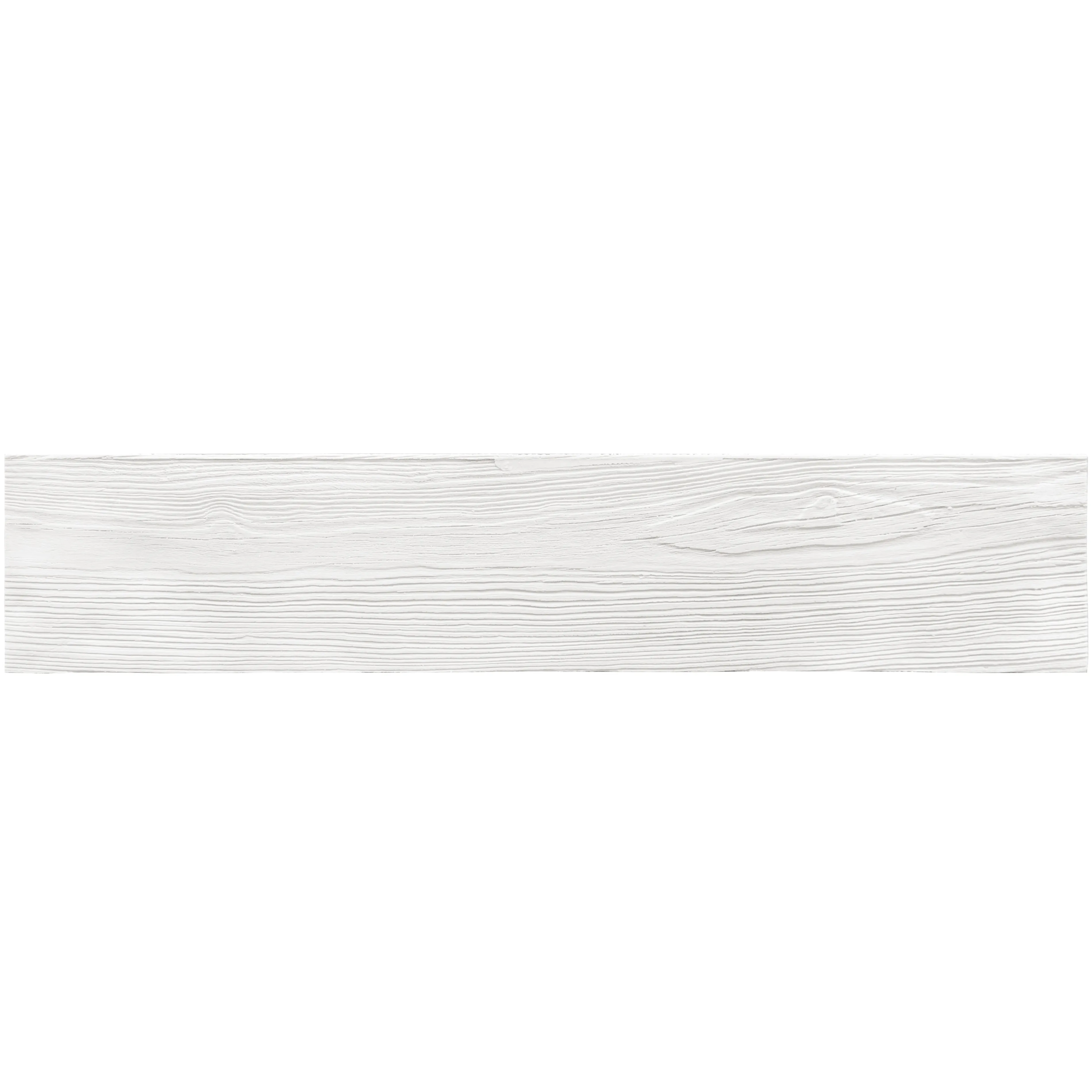
There's a quiet magic in the way sunlight dances across white wood grain—a play of light and shadow that turns a simple surface into a storyteller. Imagine stepping into a space where walls breathe with the soft texture of pale wood, their grains winding like rivers frozen in time, or ceilings that feel like a canopy of clouds woven from nature's own threads. White wood grain isn't just a design choice; it's an invitation to pause, to feel, to connect with something timeless yet fresh. In architecture, it bridges eras: the warmth of traditional craftsmanship meets the clean lines of modern minimalism, creating spaces that feel both rooted and revolutionary. Today, we're exploring the world of white wood grain patterns—their design variations, the innovative materials that bring them to life, and why they continue to capture the hearts of designers, architects, and dreamers alike.
Wood has been humanity's companion in building for millennia. From the oak beams of medieval halls to the teak verandas of tropical homes, it carries the weight of history in its fibers. But when wood dons white, something extraordinary happens: it sheds the heaviness of tradition and steps into the light of modernity. White wood grain is a contradiction in the best way—warm yet crisp, organic yet refined, familiar yet surprising. It's no wonder it has become a staple in contemporary design, beloved for its ability to transform spaces into havens of calm and beauty.
Part of its charm lies in versatility. Unlike dark woods, which can anchor a room in coziness but sometimes feel enclosed, white wood grain reflects light, expanding spaces and making them feel airy. In a small apartment, it can turn a cramped living room into a sunlit retreat; in a sprawling villa, it can add intimacy without sacrificing grandeur. It's also a chameleon in terms of style. Pair it with bold colors for a playful contrast, or let it shine in an all-neutral palette for serene elegance. Whether your taste leans toward Scandinavian minimalism, coastal chic, or industrial edge, white wood grain finds its place—and elevates it.
But perhaps its greatest power is emotional. In a world that often feels fast-paced and disconnected, white wood grain grounds us. It's a reminder of the natural world, of growth and resilience, of the quiet beauty in imperfection. A knot in the grain, a slight variation in tone—these "flaws" become stories, making each surface unique. When we surround ourselves with white wood grain, we're not just decorating a space; we're nurturing a feeling of home.
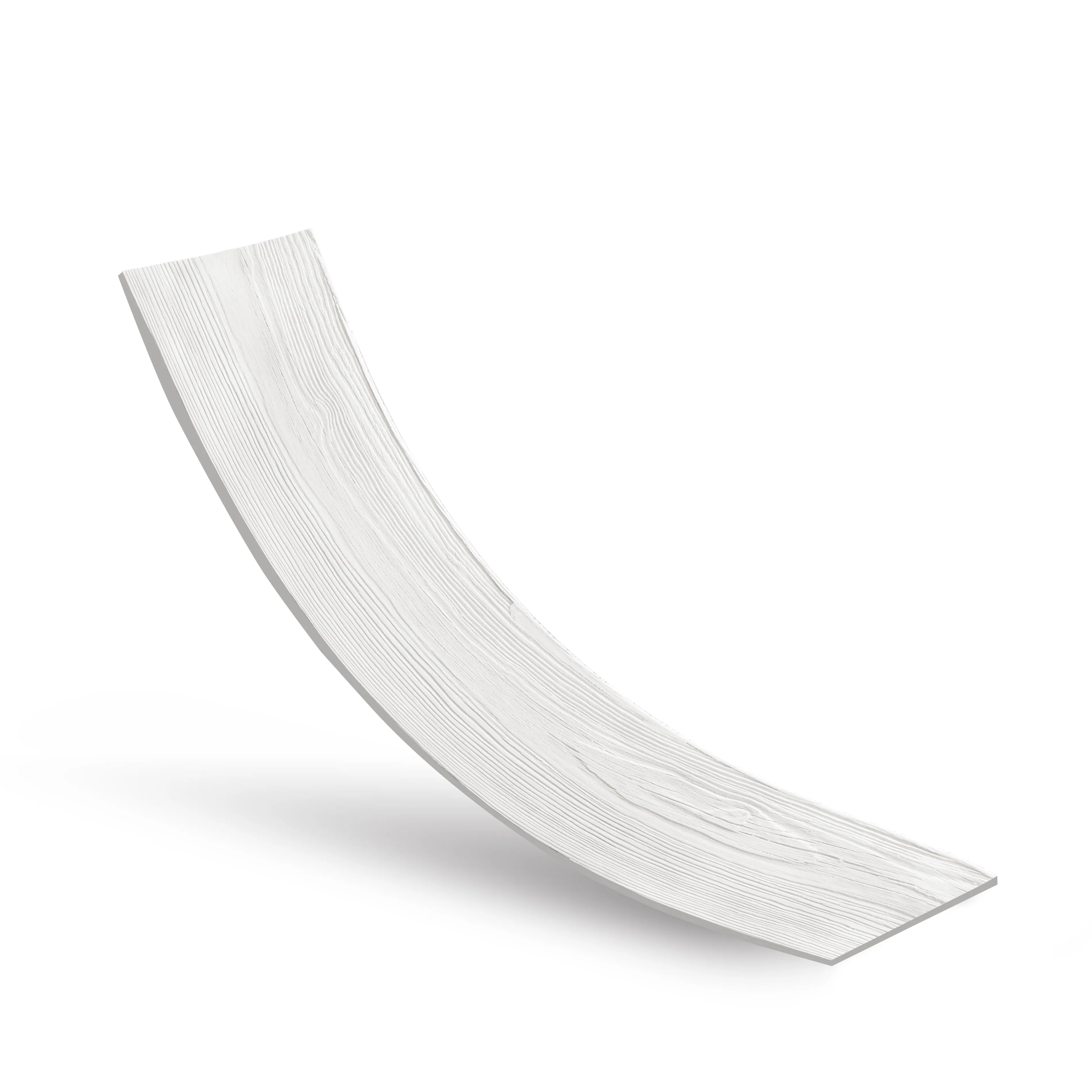
White wood grain isn't a single look—it's a spectrum of possibilities, each with its own personality. Let's dive into the most captivating design variations, and how they shape the spaces we live, work, and dream in.
Straight, parallel grains are the epitome of understated elegance. Think of fine lines running vertically or horizontally, uniform yet alive with subtle variations. This pattern speaks to the modern soul, craving order without rigidity. In a minimalist bedroom, vertical linear white wood grain panels on the wall draw the eye upward, creating the illusion of height, while horizontal grains in a kitchen can make the space feel wider and more open. It's a pattern that says, "We value clarity," yet it never feels cold—thanks to the organic warmth of wood itself.
Designers often use linear white wood grain in commercial spaces, too. A boutique hotel lobby with floor-to-ceiling horizontal panels feels expansive and welcoming, while a co-working space with vertical grains fosters focus and productivity. It's versatile because it doesn't compete—it complements. When paired with sleek metal accents or large windows, linear white wood grain becomes the quiet backbone of a design that feels both current and timeless.
For those who crave the unexpected, swirled white wood grain is pure artistry. These patterns are nature's doodles—loops, curls, and spirals that seem to dance across the surface, no two pieces ever the same. Swirled grain adds movement to a room, turning a static wall into a canvas of organic energy. It's the kind of texture that invites interaction: you might find yourself tracing the curves with your eyes, as if following a secret path through a forest.
This variation thrives in spaces meant to inspire. A home studio with a swirled white wood grain desk could spark creativity, while a restaurant ceiling with the same pattern might make diners feel like they're dining under a sky full of clouds. It's also a beautiful choice for spaces dedicated to relaxation—a spa treatment room, for example, where the swirling grains echo the flow of water, enhancing the sense of calm. Swirled white wood grain isn't just design; it's poetry written in wood.
Knotty white wood grain celebrates the "flaws" that make wood human. Small, dark knots, tiny cracks, and irregular grain lines tell the story of the tree's life—storms weathered, seasons endured, growth stunted and restarted. When painted white, these imperfections become focal points, adding character without overwhelming. Knotty grain is the darling of rustic-chic and farmhouse styles, but it also shines in modern spaces, where it adds a touch of warmth to sleek designs.
Imagine a kitchen with knotty white wood grain cabinets, their surfaces dotted with tiny knots that catch the light. Paired with marble countertops and brass hardware, the effect is cozy yet sophisticated—a space that feels lived-in and loved. Or a porch ceiling clad in knotty white wood, where the imperfections blend with the outdoor elements, making the space feel like a bridge between inside and out. Knotty white wood grain reminds us that beauty isn't about perfection; it's about authenticity.
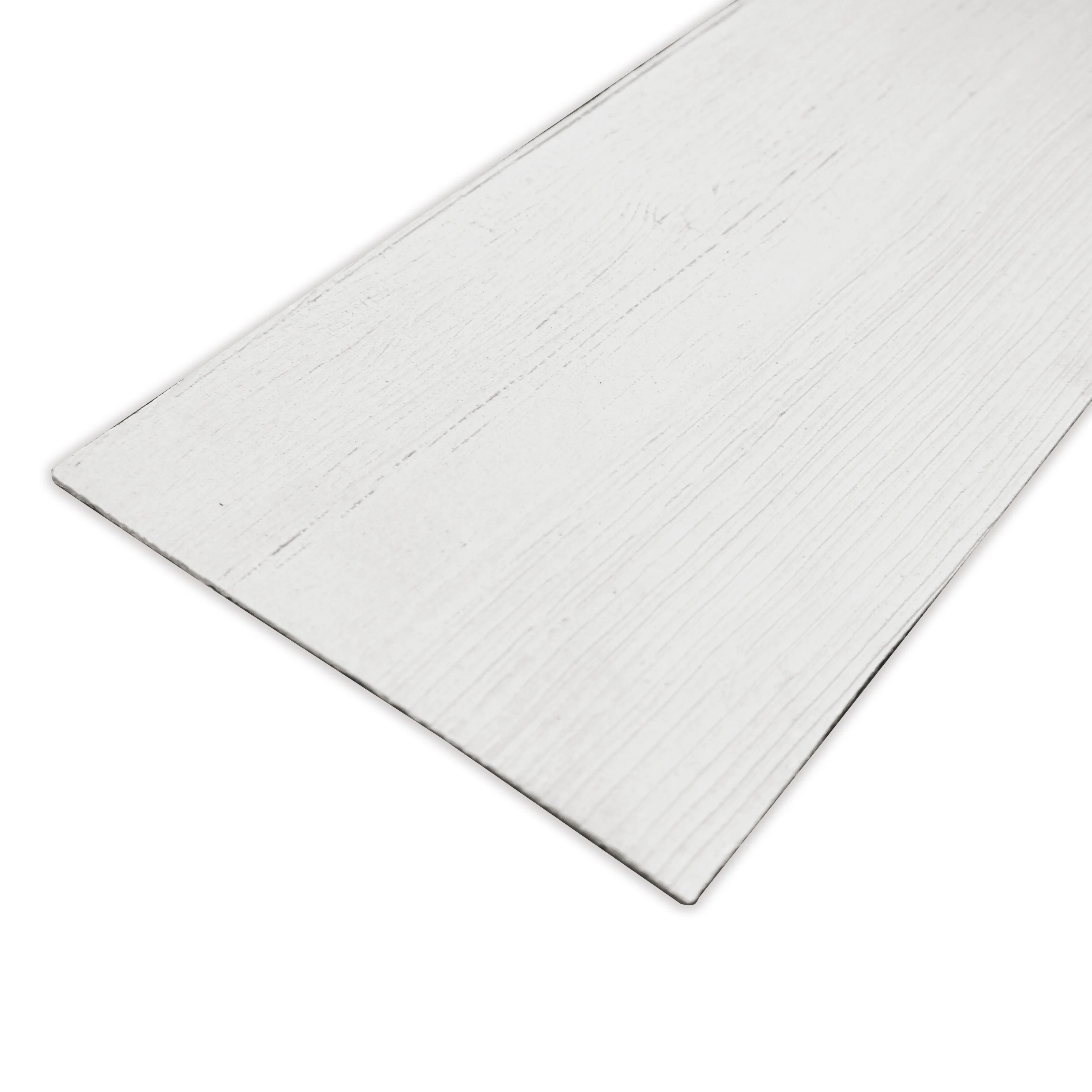
Behind every stunning white wood grain design is a material that marries aesthetics with functionality. Today's innovators have reimagined wood, creating options that are durable, flexible, and sustainable—without losing an ounce of beauty. Let's explore the stars of the show.
At the forefront of this revolution is wood grain board —a modern marvel that captures the essence of natural wood while offering superpowers like moisture resistance and flexibility. Often part of collections like the MCM project board series , this material is engineered to mimic the intricate details of real wood grain, from the soft gradient of white tones to the depth of each groove. What sets it apart? It's built to last, even in tough environments like bathrooms, kitchens, or exterior cladding.
MCM's wood grain board, for instance, comes in a range of white shades—from bright, snow-like whites to creamy off-whites that feel like a hug. It's lightweight, making installation a breeze, and can be cut into custom shapes, opening up endless design possibilities. Imagine a retail store with walls clad in curved white wood grain board panels, their smooth lines and soft texture inviting customers to linger. Or a beach house exterior where the material stands up to salt spray and sun, retaining its beauty year after year. Wood grain board isn't just a material—it's a designer's dream come true.
Of course, we can't talk about white wood grain without honoring white wood —the natural material that started it all. Sourced from trees like pine, maple, or birch, white wood is sanded smooth and painted or stained white, preserving the organic grain patterns that make each piece unique. It's the choice for purists who crave the authentic feel of wood—the slight give under a finger, the way it ages gracefully, developing a soft patina over time.
White wood shines in spaces where warmth is key. A bedroom with white wood flooring feels cozy yet bright, while a dining table made from the same material becomes the heart of family gatherings, its surface bearing the marks of shared meals and laughter. While it requires a bit more care than engineered options (think regular sealing to prevent water damage), many homeowners swear by its authenticity. As one designer put it, "White wood isn't just a material—it's a legacy. It carries the story of the tree, and soon, it'll carry yours too."
For those who love the look of white wood grain but crave a modern, edgy twist, wood concrete board is a game-changer. This innovative material blends wood fibers with concrete, creating a surface that has the warmth of wood grain and the rugged durability of concrete. Available in light grey and dark grey bases, it can be stained white to achieve a grain pattern that's equal parts industrial and inviting.
Wood concrete board is a favorite in contemporary design, where contrast is king. Imagine a loft apartment with a white wood concrete board accent wall, its texture balancing the sleekness of exposed brick and metal beams. Or a coffee shop counter made from the same material, where the wood grain adds warmth to the cool concrete, making customers feel welcome even as the space exudes urban chic. It's a material that proves you don't have to choose between beauty and brawn—you can have both.
In a world craving eco-friendly options, bamboo mat board stands out as a star. Bamboo, one of the fastest-growing plants on Earth, is harvested sustainably, making this material a choice you can feel good about. When processed into mats and dyed white, it offers a unique, woven texture that mimics wood grain but with a geometric twist—small, uniform strands that add subtle pattern to any space.
Bamboo mat board is perfect for adding texture without chaos. A home office with bamboo mat board walls feels calm and focused, while a bathroom with the same material brings a spa-like serenity. It's also surprisingly durable, resistant to moisture and pests, making it ideal for high-traffic areas. As one architect noted, "Bamboo mat board isn't just sustainable—it's smart. It lets us design spaces that honor the planet without sacrificing an ounce of style."
White wood grain isn't limited to one corner of the design world—it's a versatile star that can transform nearly any space. From walls to floors, exteriors to furniture, its applications are as varied as the grains themselves.
An accent wall clad in white wood grain is a designer's secret weapon. It adds texture and warmth without overwhelming the room, serving as a focal point that ties the space together. In a living room, a vertical white wood grain board wall behind the sofa can make the space feel taller, while horizontal panels in a bedroom might widen it. For a bold twist, mix orientations—vertical on one wall, horizontal on another—to create visual rhythm.
Materials like MCM's wood grain board make accent walls accessible to everyone, even renters (thanks to lightweight, removable options). Imagine a small apartment where a single white wood grain accent wall turns a plain room into a personalized retreat, reflecting the tenant's style without permanent changes. Accent walls prove that you don't need to overhaul a space to make it feel special—sometimes, one well-chosen wall is enough.
White wood grain flooring is a bold choice, but when done right, it's transformative. It brightens up a room, makes it feel more spacious, and pairs beautifully with every decor style. In a modern home with large windows, white wood grain floors reflect sunlight, turning the space into a sunlit haven. In a traditional home, they add a fresh, contemporary twist to classic architecture.
Durability is key here, which is why many homeowners opt for engineered wood grain board or wood concrete board. These materials stand up to kids, pets, and spills, ensuring the floor looks beautiful for years. Imagine a kitchen with white wood grain floors, paired with white cabinetry and a pop of color in the backsplash. The floors reflect light, making the space feel airy, while the grain adds warmth that prevents the all-white palette from feeling sterile. It's a floor that doesn't just serve a purpose—it tells a story.
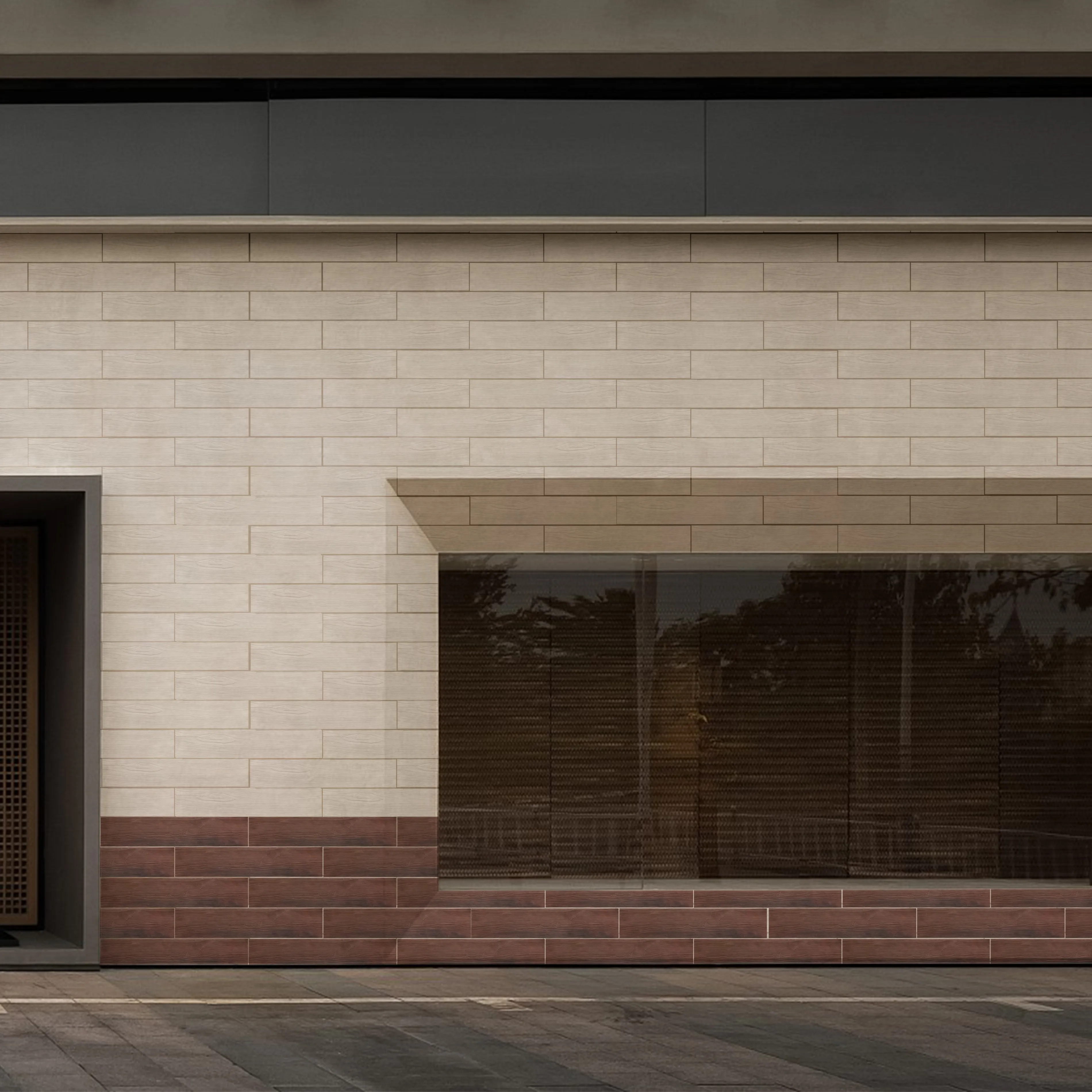
White wood grain is stepping outside, too, transforming exteriors into works of art. Cladding a home or commercial building in white wood grain panels can give it a fresh, contemporary look that stands out in a sea of brick and stone. And with materials like MCM's project board series, which is built to withstand rain, snow, and sun, it's as practical as it is beautiful.
Imagine a modern farmhouse with a white wood grain exterior, its panels glowing in the morning sun, the grain adding texture that prevents the all-white facade from feeling flat. Or a boutique hotel with a white wood grain facade, where the material invites passersby in, signaling that the space inside is warm and welcoming. Exterior white wood grain isn't just about curb appeal—it's about creating a first impression that lingers.
At the end of the day, design is about emotion. And white wood grain has a unique ability to make us feel—to calm us, inspire us, and connect us to something bigger than ourselves. It's not just a material; it's a mood booster, a stress reliever, a reminder of nature's beauty.
In a world that often feels chaotic, white wood grain creates calm. Its soft color and organic texture have a soothing effect on the mind, reducing anxiety and promoting relaxation. Studies have shown that natural materials like wood can lower blood pressure and heart rate, making spaces with white wood grain not just beautiful, but healthy. A hospital waiting room with white wood grain walls, for example, might ease the stress of worried families, while a classroom with the same material could help students focus and learn.
White wood grain also fosters connection—to nature, to history, to each other. It's a material that feels alive, carrying the memory of the tree it came from and the hands that crafted it. In a world dominated by synthetic materials, it's a tangible link to the natural world, reminding us of our place in the ecosystem. And in homes, it creates spaces where people want to gather—kitchens where meals are shared, living rooms where stories are told, bedrooms where love grows. White wood grain doesn't just fill a space; it fills it with life.
White wood grain is more than a trend—it's a timeless story, still being written. From the linear simplicity of modern design to the organic chaos of swirled patterns, from the sustainability of bamboo mat board to the durability of MCM's wood grain board, it continues to evolve, surprising us with new possibilities. But at its core, it remains the same: a material that brings warmth, beauty, and connection to the spaces we call home.
Whether you're building a new home, renovating a room, or simply dreaming of a space that feels like you, white wood grain offers something for everyone. It's a reminder that the best design isn't just about how a space looks—it's about how it makes you feel. And in a world that needs more beauty, more calm, and more connection, that's a gift we can all cherish.
So the next time you encounter white wood grain, take a moment to appreciate it. Trace the grains with your eyes, feel the warmth it radiates, and let yourself be transported. In that moment, you'll understand why white wood grain will always have a place in our hearts and homes: because it's not just about the wood. It's about the life we live in the spaces it creates.
Recommend Products












