
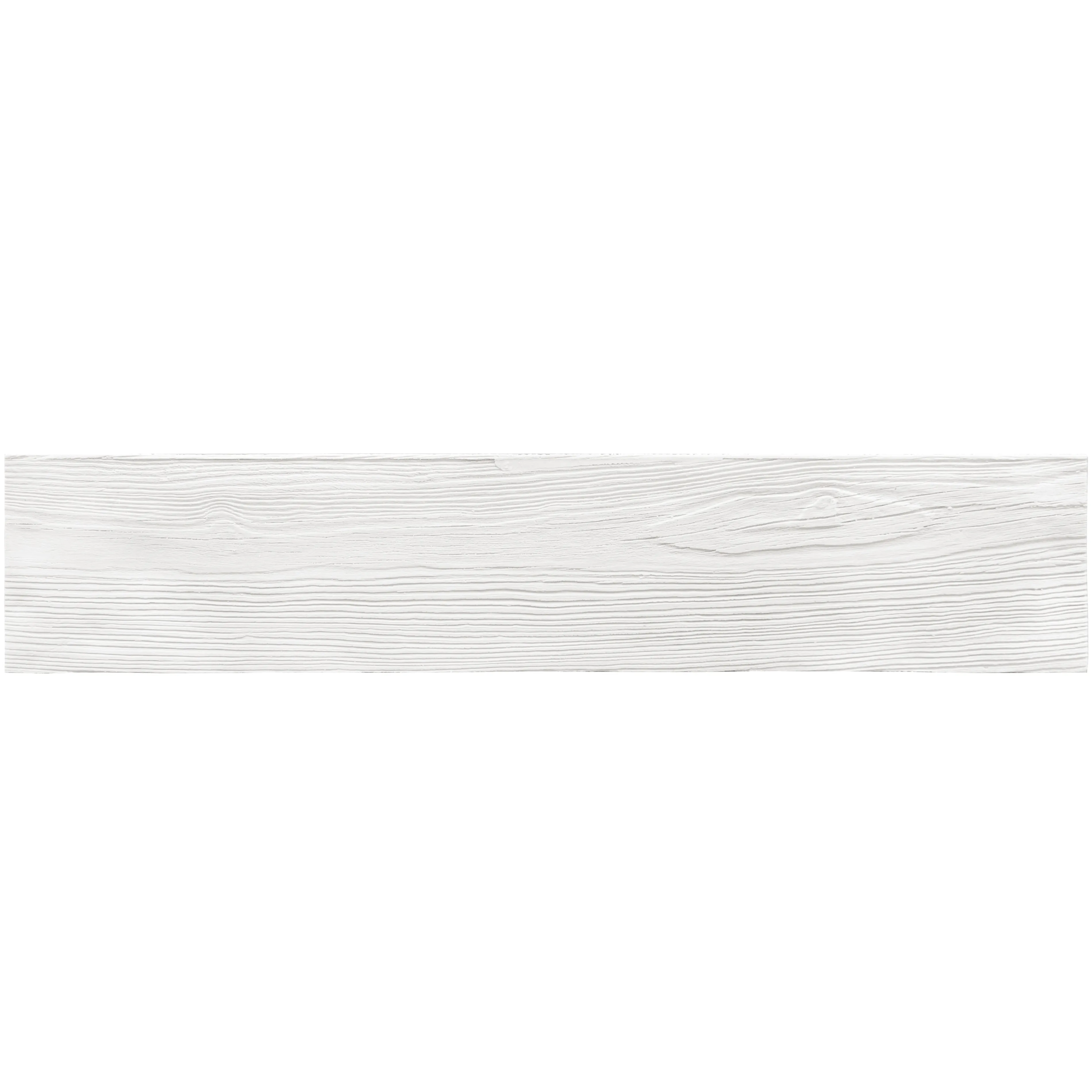
Walk into any building—whether it's a cozy home, a bustling café, or a sleek office—and the first thing that hits you (after the layout) is the materials. The cool smoothness of stone, the industrial edge of concrete, the warmth of wood—each choice tells a story. As builders, we're not just putting up walls; we're crafting experiences. And in a world where clients crave spaces that feel both timeless and fresh, one material has been quietly stealing the spotlight: white wood. It's not flashy, but there's something about its light, airy vibe that turns ordinary rooms into something special. Let's dive into why white wood deserves a spot in your material toolkit, from what it is to how to use it—and why it might just become your new go-to.
First things first: "white wood" isn't a single type of tree, like oak or pine. Think of it more as a category—a term that wraps up any light-colored wood with a pale, almost ivory hue. It might come from spruce, pine, maple, or even birch; what ties them together is that soft, clean look, often left untreated or gently finished with a whitewash or clear sealant. Unlike dark walnut or mahogany, which shout "rich" and "traditional," white wood whispers "calm" and "open." It's the kind of material that makes small rooms feel bigger, dark corners feel brighter, and modern spaces feel grounded in nature.
Here's the thing: white wood's simplicity is its superpower. A builder I know once told me, "Clients want warmth without the heaviness of dark wood." That's white wood in a nutshell. It's versatile enough to fit a beachy bungalow, a minimalist apartment, or a rustic cabin. And because it's often sourced from fast-growing trees (like pine), it can be a sustainable pick—if you choose FSC-certified options, of course. No more choosing between looks and conscience.
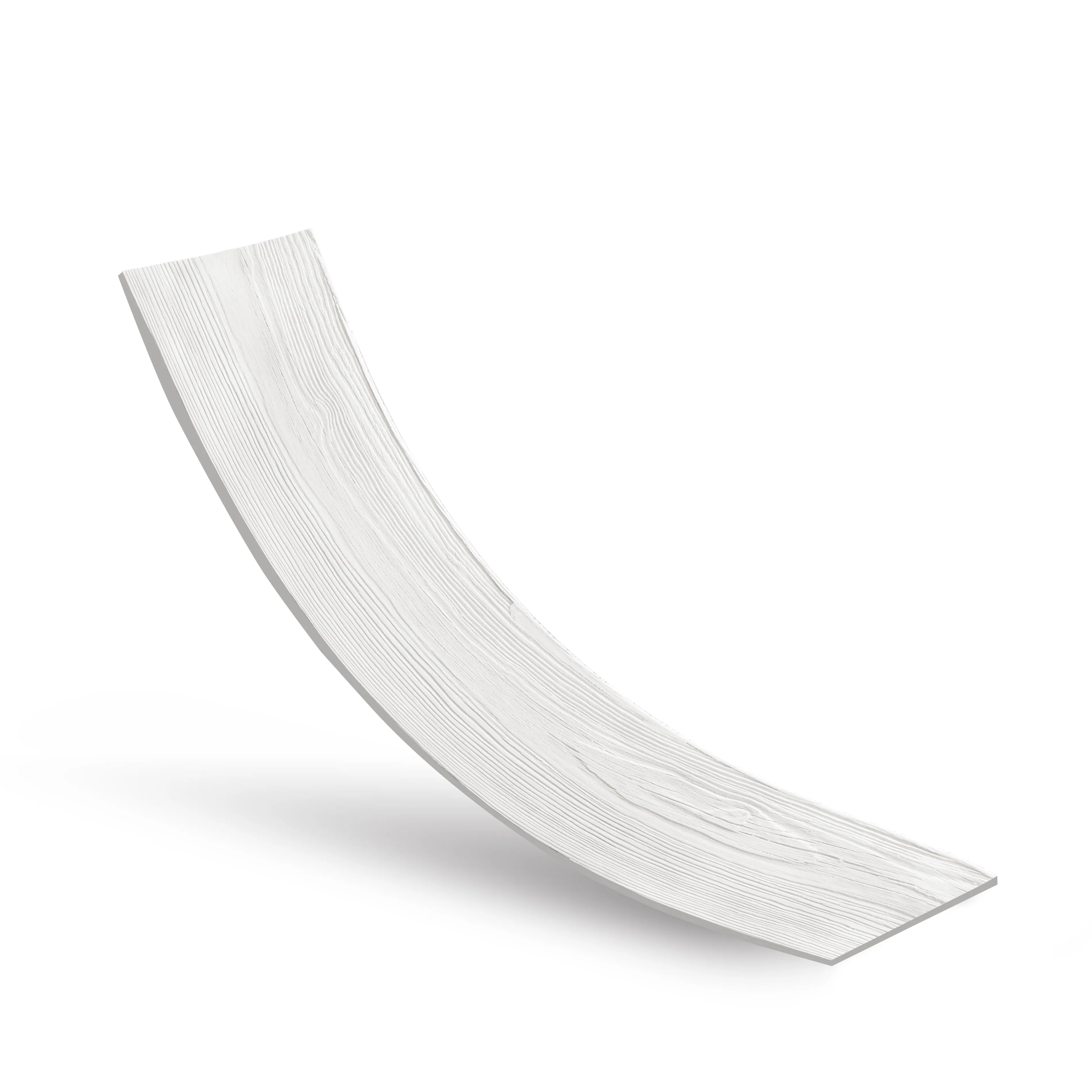
Let's get technical (but not too technical—we're builders, not scientists). Why would you reach for white wood over, say, oak or plywood? Let's break down its best traits:
Ever tried hauling a sheet of marble up a flight of stairs? Not fun. White wood? It's a breeze. Most white wood species are lightweight, which means easier transport, fewer strained backs, and less need for heavy-duty structural support. And when it comes to cutting, sanding, or nailing? It's like working with butter compared to dense hardwoods. Even if you're a rookie, you'll find it forgiving—no chipping, no splitting, just smooth cuts and clean edges.
Wood's natural grain is what makes it feel alive, and white wood's light color lets those patterns shine. Swirls, knots, and streaks of pale yellow or cream peek through, adding texture without overwhelming the eye. It's warm, but not "cozy cabin" warm—more "bright, airy, and welcoming." I worked on a kitchen reno last year where the client wanted "modern but not cold." We used white wood for the cabinets, and paired it with black hardware and marble countertops. The result? A space that felt crisp but still made you want to linger over coffee. That's the magic of white wood: it balances edge with heart.
Here's a secret builders love: wood is a natural insulator. White wood, with its tight grain, does a solid job of keeping heat in during winter and cool air in during summer. Compare that to fair-faced concrete, which soaks up heat like a sponge and radiates it back all night (not ideal for bedrooms). For clients who care about energy bills (and let's be real, who doesn't?), white wood walls or flooring can be a selling point. It's not just about looks—it's about making spaces more comfortable, too.
These days, clients ask about sustainability before they ask about cost. White wood, especially from fast-growing, renewable sources like pine or spruce, checks that box. Look for certifications like FSC (Forest Stewardship Council) to ensure the wood comes from responsibly managed forests—no clear-cutting, no harm to wildlife. It's a small detail, but it turns "just a material" into a story you can tell your clients: "This space was built with the planet in mind."
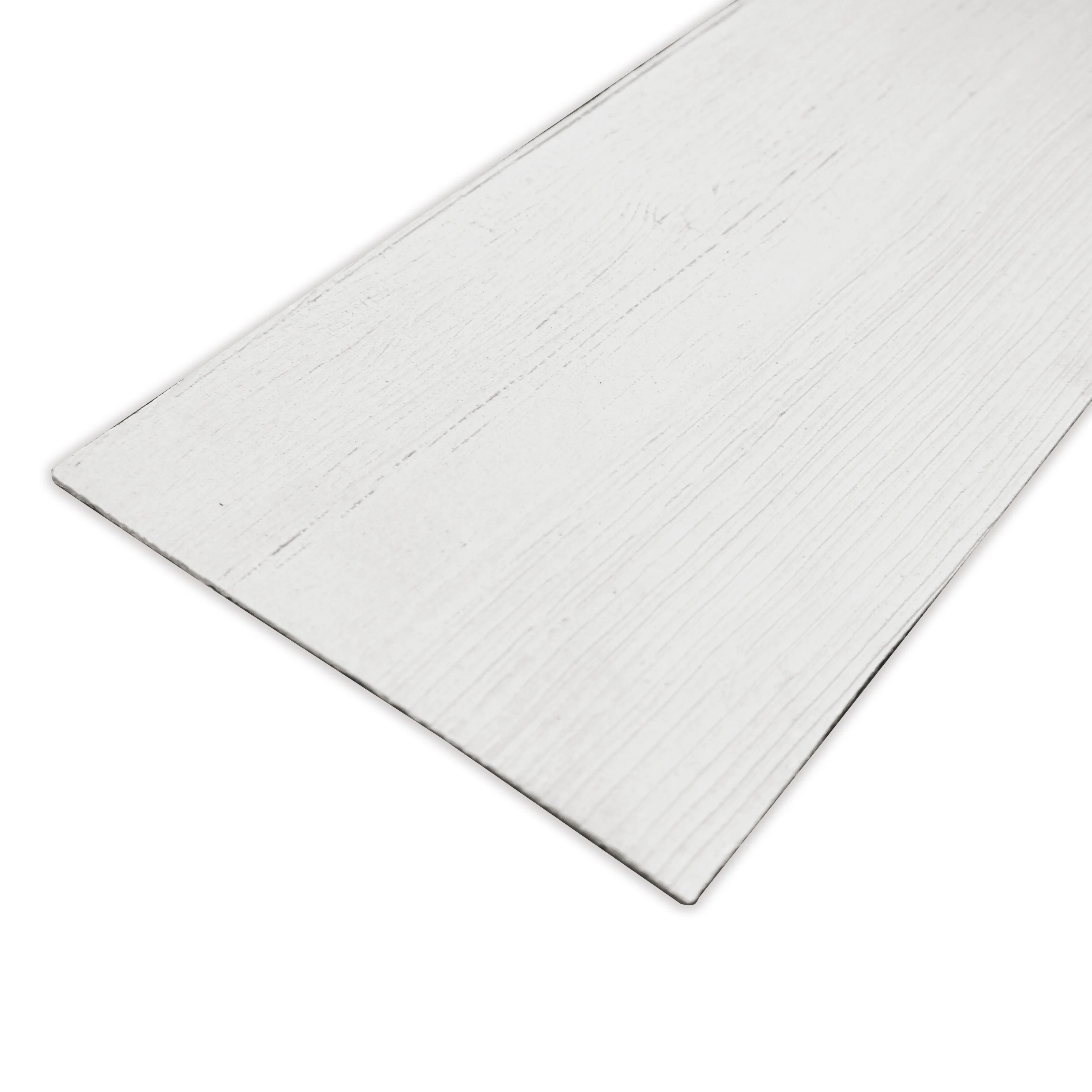
White wood isn't a one-trick pony. It plays well in almost any part of a build, inside or out. Let's talk specifics:
Inside, white wood is a rockstar. Think accent walls in a living room—imagine a wall covered in vertical white wood planks, with a gallery of black-and-white photos hanging above a leather couch. Instant personality. Or flooring: white wood floors (sanded smooth and sealed) reflect light, making even a 500-square-foot apartment feel spacious. I once did a nursery with white wood ceiling beams—soft, warm, and perfect for a baby's room without feeling too "kiddie."
Cabinets and built-ins? Yes, please. White wood cabinets in a bathroom? They resist water better than you might think (with a good sealant, of course), and they keep the space from feeling cramped. Even furniture—think a white wood dining table with hairpin legs—blends modern and rustic in all the right ways.
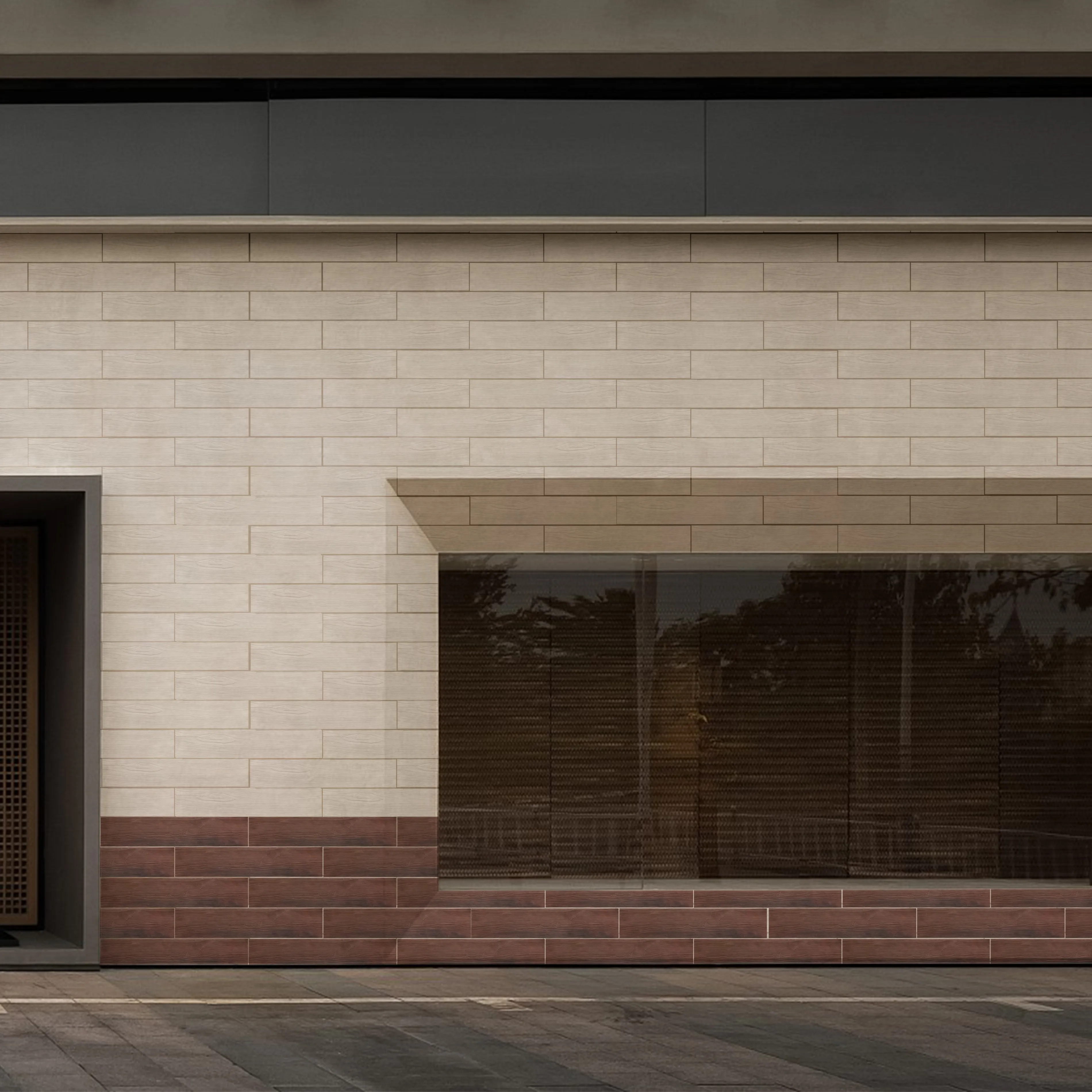
Outside, white wood needs a little more love, but it's worth it. Exterior cladding, for example: a white wood-sheathed house with black trim looks like it belongs on a postcard. Just make sure to treat it with a weather-resistant sealant (look for ones with UV protection to prevent yellowing) to fight rain, snow, and sun. Decks? White wood decking feels cooler underfoot than dark wood in summer, and it hides dirt better than you'd expect (no more constantly sweeping to hide dust!).
Pro tip: For high-moisture areas (like a deck in a rainy climate), pair white wood with pressure-treated lumber substructures. The substructure takes the hit from water, while the white wood top layer stays looking fresh. It's a little extra work, but your clients will thank you in five years when their deck still looks new.
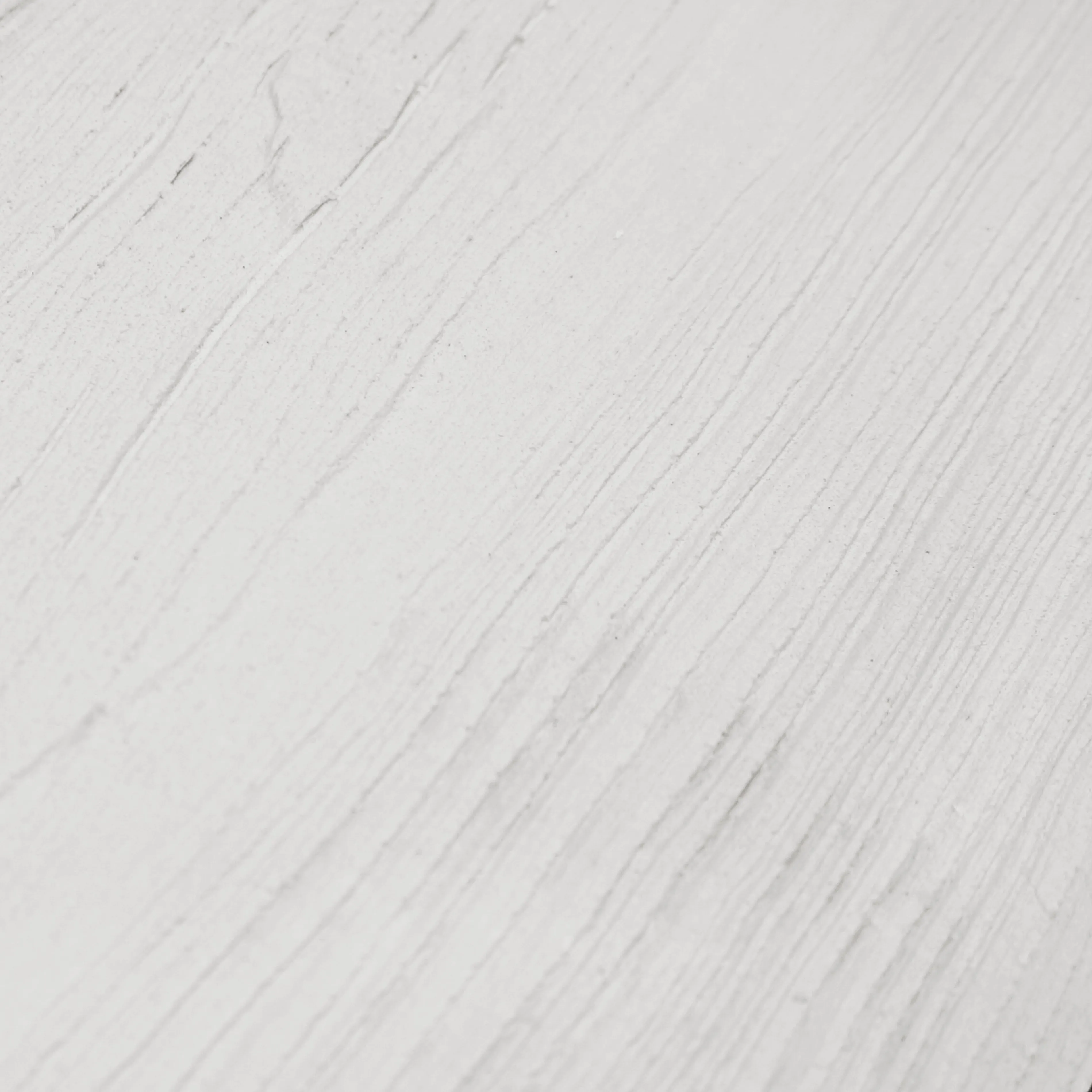
Okay, so white wood sounds great—but how does it compare to the other materials in your toolbox? Let's put it head-to-head with a few classics (and a few up-and-comers) to see where it fits best.
| Material | Aesthetic Vibe | Durability | Workability | Cost (Rough Estimate) |
|---|---|---|---|---|
| White Wood | Light, airy, natural grain; softens spaces | Good (5-15 years indoors, 3-7 outdoors with treatment) | Easy—cuts, sands, nails smoothly; forgiving for beginners | Mid-range ($3–$8/sq ft for planks) |
| Wood Grain Board | Uniform, consistent wood look; less natural variation | Better than solid wood (resists warping; 10-20 years indoors) | Easy, but edges can chip; needs special blades for cutting | Budget-friendly ($2–$5/sq ft) |
| Rough Granite Stone (Beige) | Textured, earthy; warm beige with gray flecks | Excellent (50+ years; resistant to scratches, heat, water) | Hard—needs diamond blades; heavy (requires structural support) | Premium ($15–$30/sq ft installed) |
| Fair-Faced Concrete | Raw, industrial; visible formwork marks for texture | Extreme (100+ years; fire-resistant, low maintenance) | Tricky—needs precise formwork; sets quickly | Mid-to-premium ($8–$15/sq ft) |
Let's unpack this. Wood grain board, for example, is engineered—made by gluing wood fibers together—so it's more stable than solid white wood (no warping in humidity!). But it lacks that natural variation—no unique knots or swirls. Great for clients who want a "wood look" on a budget, but if they crave authenticity, white wood wins.
Then there's rough granite stone (beige)—stunning, but heavy. It adds instant earthiness, like a fireplace surround or accent wall, but you'll need to beef up the structure to support it. White wood, by contrast, adds warmth without the weight. And fair-faced concrete? It's modern and durable, but let's be honest—it can feel cold. Pair it with white wood ceilings or floors, though, and suddenly that "cold" becomes "edgy yet cozy." It's all about balance.
White wood is easy to work with, but even easy materials need a little TLC. Here's what I've learned over the years:
Wood hates surprises—especially changes in humidity. If you bring white wood planks straight from a dry warehouse into a damp bathroom, they'll swell. If you install them in a humid summer and then the heat dries the air in winter, they'll shrink and gap. Solution? Let the wood "acclimate" to the space for 48–72 hours before installing. Stack planks with spacers between them so air circulates. Your future self (and your client) will thank you when there are no gaps or buckling.
Raw white wood is porous—it soaks up water, stains, and dirt like a sponge. Even indoors, a spilled glass of wine could leave a permanent mark. Seal it! For interior use, a water-based polyurethane or clear acrylic sealant works. For exteriors, go for a marine-grade sealant with UV protection to prevent yellowing. And don't skip the edges—end grain soaks up more moisture than the surface, so give those extra coats.
White wood is soft, so heavy-gauge nails can split it. Use finish nails (16–18 gauge) for trim and flooring, and pre-drill holes for screws if you're attaching something heavy (like a shelf bracket). And opt for stainless steel or galvanized fasteners—regular steel will rust, leaving ugly stains on that pale wood. Trust me, there's no fixing a rust streak on white wood without sanding and refinishing.
White wood isn't high-maintenance, but it's not "set it and forget it" either. A little care goes a long way:
Builders, let's talk trends. Clients today don't just want houses—they want "wellness spaces." Biophilic design (fancy term for "bringing nature indoors") is huge, and white wood fits right in. It's natural, it's warm, and it connects people to the outdoors without feeling "theme-y." Pair it with large windows, indoor plants, and natural textiles, and you've got a space that doesn't just look good—it feels good.
And let's not forget mixing materials. White wood plays well with others. Imagine a kitchen with white wood upper cabinets, fair-faced concrete lower cabinets, and a rough granite stone (beige) backsplash. Or a living room with white wood flooring, a woven (khaki) rug, and a statement wall of linear travertine (claybank). The contrast makes each material pop, and white wood ties it all together with that calm, neutral base.
At the end of the day, building is about solving problems—client needs, budget constraints, design dreams. White wood isn't the answer to every problem, but it's a versatile, affordable, and beautiful tool that can solve a lot of them. It's warm without being heavy, modern without being cold, and sustainable without sacrificing style. Whether you're building a tiny home or a commercial space, white wood has a way of making spaces feel like they were designed for people, not just around them.
So next time you're drafting a materials list, give white wood a second look. It might just be the quiet star your next project needs.
Recommend Products












