
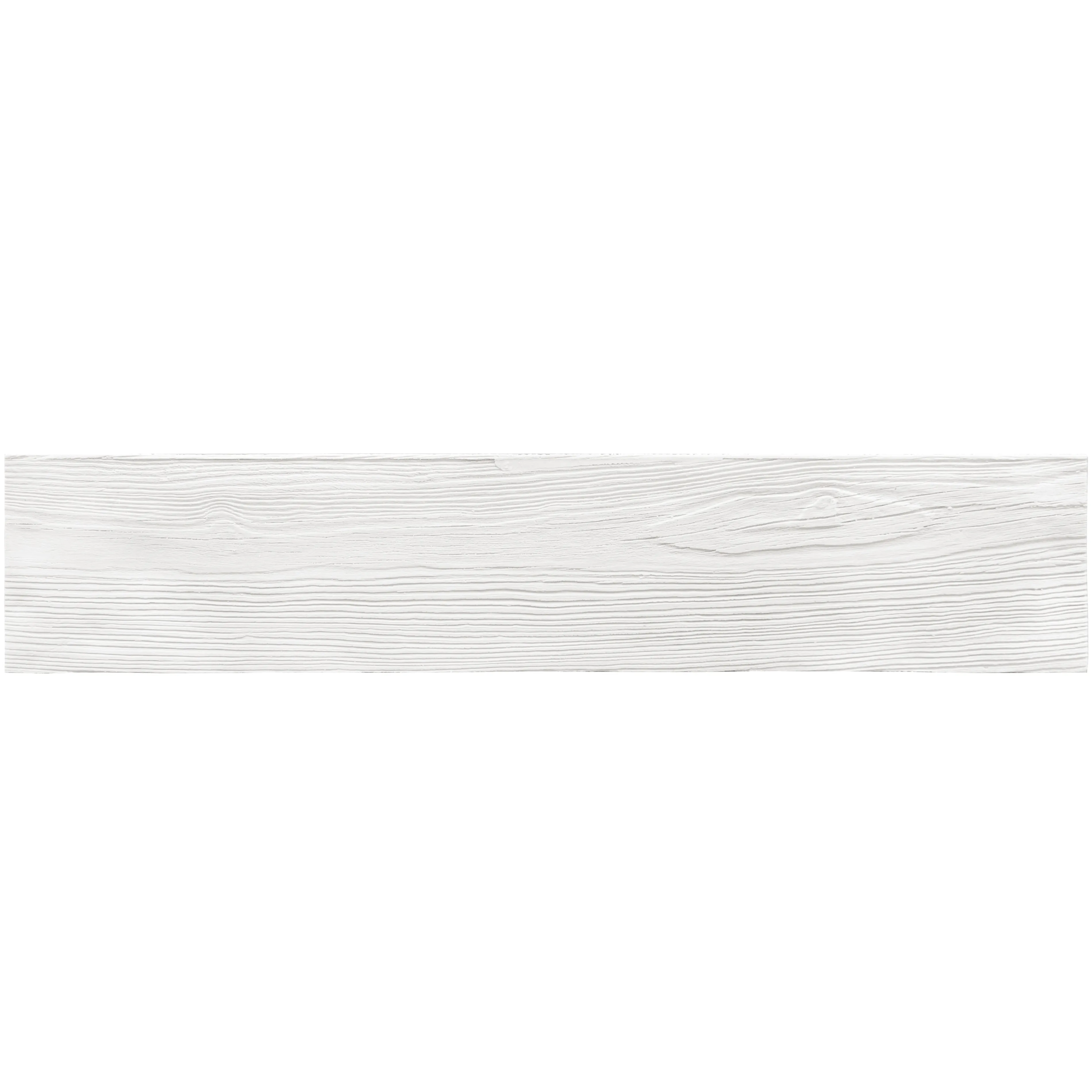
How a modern composite material is transforming sterile workspaces into warm, productive hubs
Walk into any trendy office today, and you'll notice a quiet rebellion against the "corporate gray" of yesteryear. Gone are the days of fluorescent-lit cubicles lined with cold drywall and generic carpeting. Instead, forward-thinking companies are investing in spaces that feel less like workplaces and more like second homes —warm, inviting, and designed to spark creativity rather than stifle it. But here's the catch: these spaces can't just look good. They need to work hard, too. Offices are high-traffic zones, subject to coffee spills, chair scrapes, and the occasional rogue office plant incident. So, how do you balance style and functionality without breaking the bank?
Enter White Wood MCM. Short for Modified Composite Material, MCM has been quietly revolutionizing the construction world for years, but it's in office design where it's truly shining. And among the vast array of MCM options—from the industrial edge of fair-faced concrete to the earthy warmth of travertine (beige)—White Wood MCM stands out as a material that doesn't just look the part, but lives it, too. Let's dive into why this versatile material is becoming the go-to choice for architects, designers, and business owners who refuse to compromise.
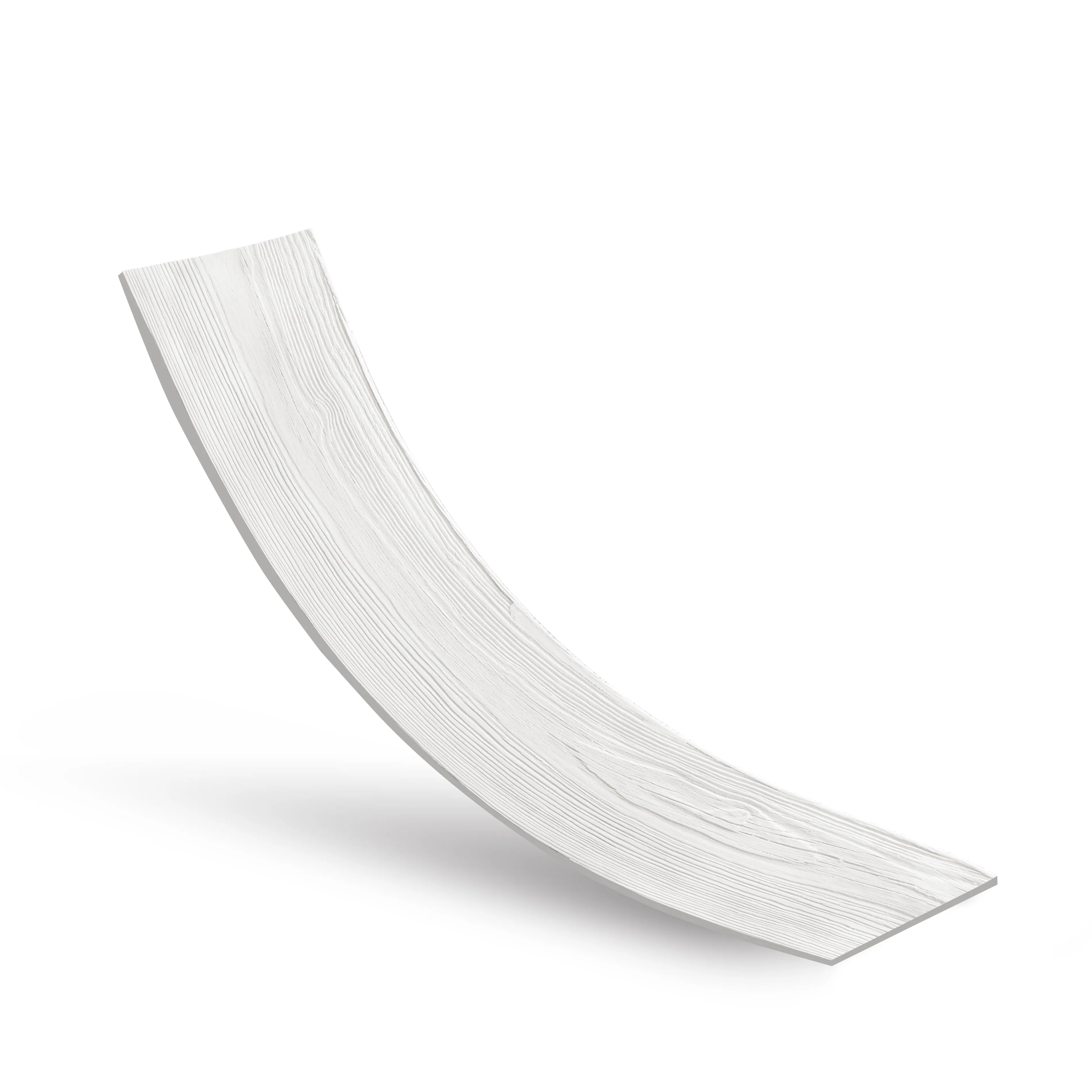
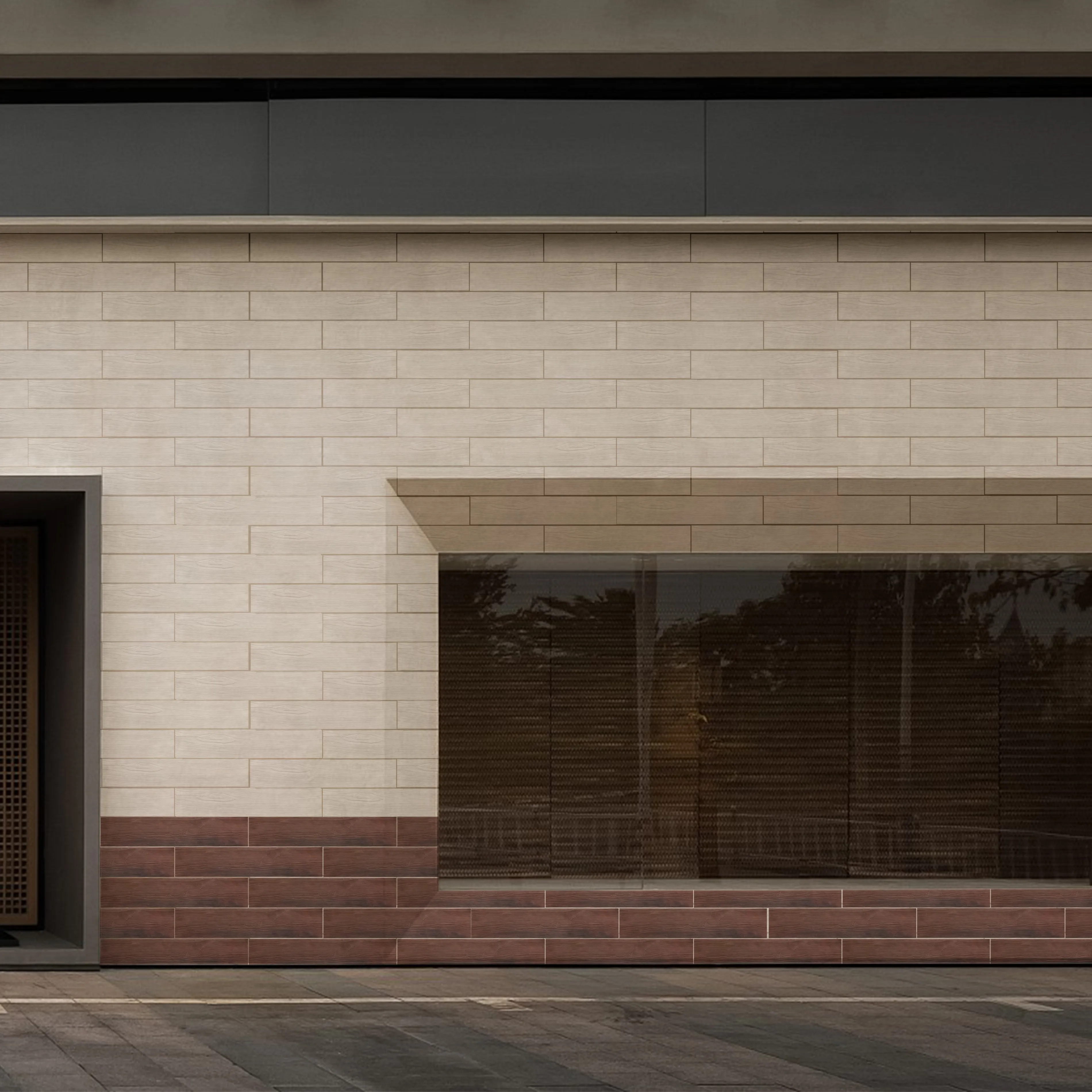
Let's start with the obvious: White Wood MCM is stunning . At first glance, you'd swear it's real wood—rich, textured, and brimming with that organic warmth we all crave in indoor spaces. But take a closer look, and you'll notice something different: the grain is consistent, the color is uniform, and there's none of the natural imperfections that make real wood so finicky (we're looking at you, knots and warping). It's the best of both worlds: the timeless beauty of wood, without the hassle.
White Wood MCM isn't a one-trick pony. Available in a range of shades—from soft ivory to warm sandalwood—it pairs effortlessly with other materials, making it a designer's dream. Imagine a reception area where White Wood MCM panels line the walls, complemented by sleek metal accents and pops of green from potted plants. Or an open workspace where it's used for desk dividers, adding subtle warmth without overwhelming the room. Unlike wood grain board, which can sometimes feel too "busy" with its exaggerated patterns, White Wood MCM has a refined, understated elegance that lets other design elements shine.
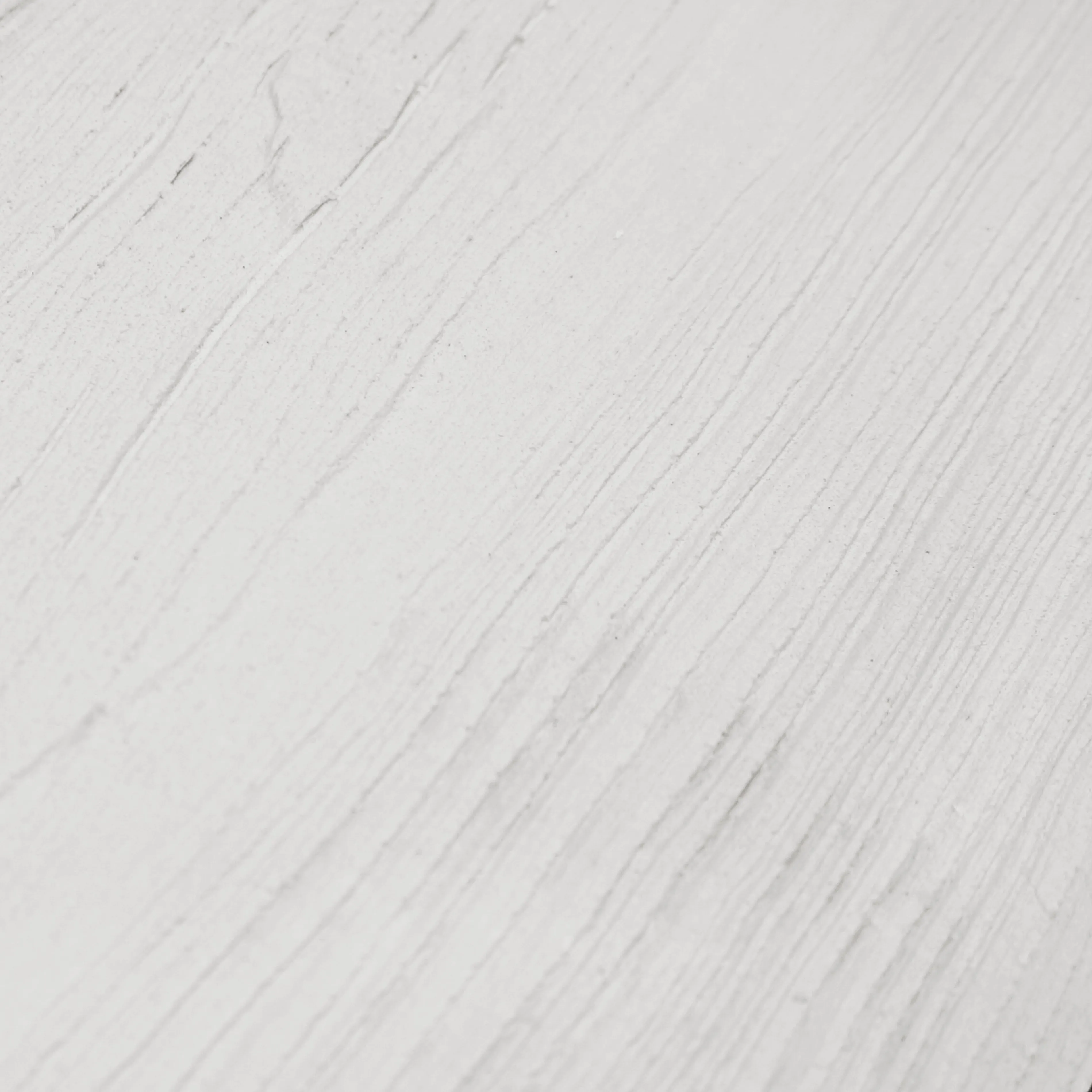
Touch matters, too. Run your hand over White Wood MCM, and you'll feel a subtle, realistic texture that mimics the feel of real wood—no plastic-y smoothness here. This tactile quality adds depth to a space, making it feel more inviting. In a world where so much of our lives is digital, having physical surfaces that beg to be touched can make an office feel more human. Compare that to fair-faced concrete, which, while trendy for its industrial vibe, can feel cold and unforgiving to the touch. White Wood MCM says, "Come in, stay awhile," rather than "Don't lean on the walls."
Designer Insight: "I love using White Wood MCM in offices because it bridges the gap between 'professional' and 'approachable,'" says Maria Lopez, an interior designer specializing in commercial spaces. "Clients often want a space that feels creative but not chaotic, and this material delivers. It's warm enough to make employees feel at home, but polished enough to impress clients."
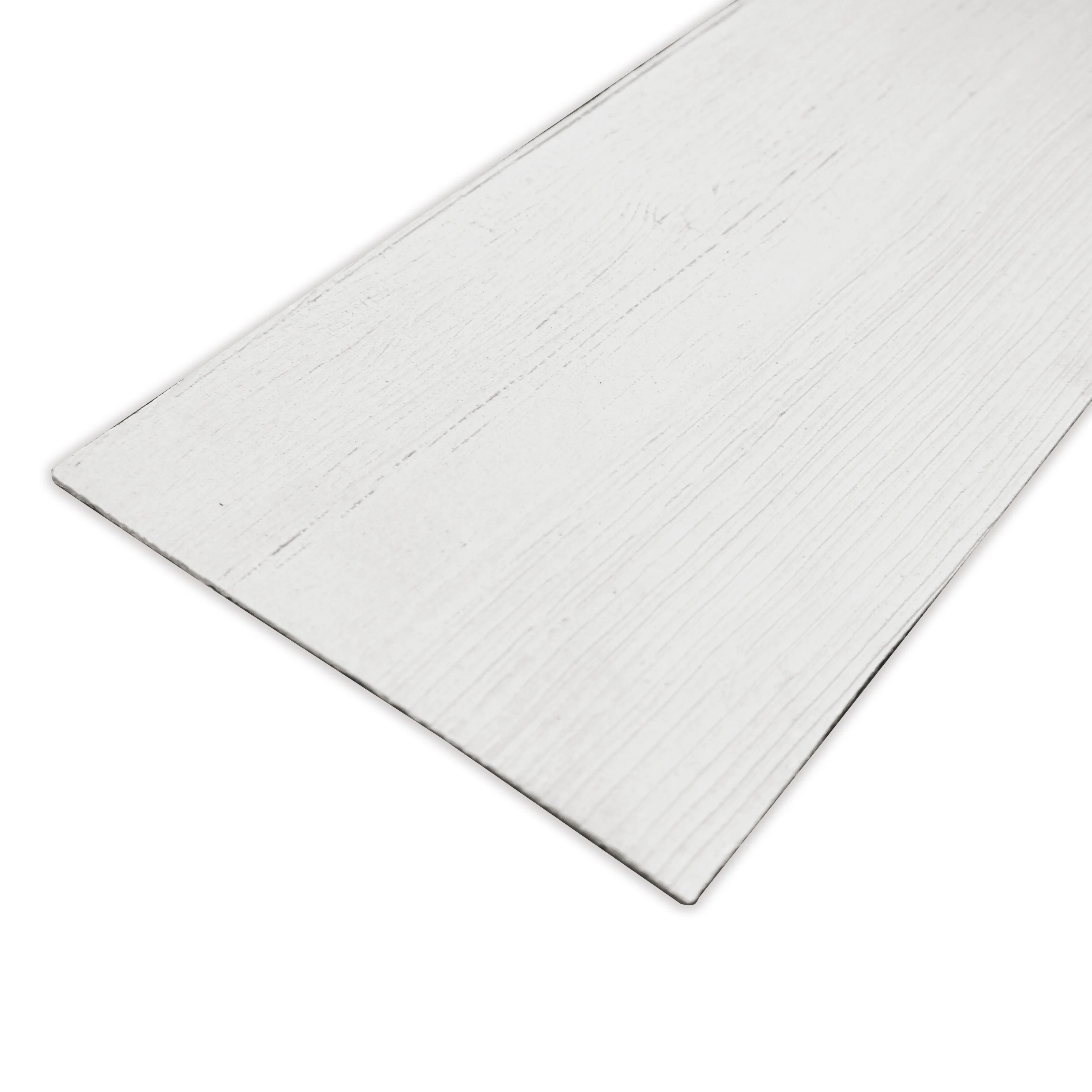
Looks are important, but in an office, performance is king. Let's be real: no one has time to baby a material that scratches easily, fades in sunlight, or warps at the first sign of humidity. White Wood MCM was engineered to handle the chaos of daily office life, and it does so with ease. Here's how it stacks up against common alternatives:
| Material | Durability | Maintenance | Sustainability | Best For |
|---|---|---|---|---|
| White Wood MCM | Resistant to scratches, moisture, and UV fading; lasts 20+ years | Wipe clean with a damp cloth; no sealing or refinishing needed | Made from recycled materials; low VOC emissions; recyclable at end of life | High-traffic areas, wall panels, desk surfaces, accent walls |
| Fair-Faced Concrete | Durable but prone to staining; cracks over time if not sealed | Requires annual sealing; stains are hard to remove | High carbon footprint due to cement production | Accent walls, industrial-style offices with low foot traffic |
| Wood Grain Board | Prone to warping, scratches, and water damage; lasts 5–8 years | Needs regular polishing; susceptible to water rings | Often made from virgin wood; formaldehyde-based adhesives common | Low-traffic accent pieces, decorative shelves |
| Travertine (Beige) | Soft stone; scratches and etches easily; porous (absorbs liquids) | Requires frequent sealing; spills must be cleaned immediately | Quarrying can damage ecosystems; heavy (high transportation emissions) | Luxury lobbies, low-traffic waiting areas |
One of the biggest advantages of MCM flexible stone—including White Wood MCM—is its lightweight nature. Traditional materials like travertine (beige) or solid wood can be heavy, requiring extra structural support and driving up installation costs. White Wood MCM, on the other hand, weighs just a fraction of those materials, making it easier and cheaper to install. It can be cut to fit any space, curved around corners, or even applied to existing walls, reducing renovation time. For businesses that need to get back to work quickly (and who doesn't?), this is a game-changer. Imagine renovating your office over a long weekend instead of a month—White Wood MCM makes that possible.
These days, sustainability isn't just a buzzword—it's a business imperative. Employees want to work for companies that care about the planet, and clients want to partner with brands that align with their values. White Wood MCM checks all the boxes here. It's made from a blend of recycled stone powders and resins, reducing the need for virgin materials. Its manufacturing process produces low VOC emissions, improving indoor air quality (a big plus for employee health). And because it's so durable, it reduces the need for frequent replacements, cutting down on waste. Compare that to real wood, which often comes from unsustainable logging practices, or wood grain board, which may contain harmful adhesives. White Wood MCM lets you have your eco-friendly cake and eat it, too.
Talk is cheap—let's look at how White Wood MCM is transforming real offices. Take "Innovatech," a tech startup in Chicago with a team of 50. When they moved into a new space, they wanted a design that reflected their creative culture but could handle the chaos of daily life (think: late-night coding sessions, impromptu brainstorming meetings, and the occasional gaming tournament). They chose White Wood MCM for their accent walls and desk surfaces. "We loved the wood look, but we knew real wood wouldn't survive our team," says CEO Jake Patel. "White Wood MCM has been a lifesaver. It still looks brand-new after two years, even with coffee spills and chair wheels rolling over it daily."
Then there's "GreenWave Financial," a financial firm in New York that wanted to balance professionalism with warmth. They paired White Wood MCM with travertine (beige) flooring and glass partitions, creating a space that feels both trustworthy and approachable. "Our clients used to comment on how 'stuffy' our old office felt," says office manager Lisa Chen. "Now, they walk in and say, 'This feels like a place that gets things done—without making me want to run for the door.'"
White Wood MCM isn't just for startups, either. Multinational corporations are embracing it, too. A Fortune 500 company recently used it in their 10-story headquarters renovation, covering over 50,000 square feet of wall space. The result? A cohesive look across floors, with the material adapting to different areas—from open workspaces to private meeting rooms. And because it's so lightweight, the renovation didn't require reinforcing the building's structure, saving millions in construction costs.
We get it—change can be scary. If you're used to traditional materials, switching to something new like White Wood MCM might raise questions. Let's tackle the most common ones head-on.
In many ways, it's better. Real wood is beautiful, but it's also high-maintenance, expensive, and environmentally problematic. White Wood MCM gives you the look and feel of wood without the warping, rotting, or need for constant refinishing. Plus, it's available in consistent colors and grains, so you won't end up with a patchwork of mismatched panels.
White Wood MCM costs more upfront than standard drywall or wood grain board, but it's a long-term investment. Because it lasts 20+ years and requires minimal maintenance, it's actually cheaper over time than materials that need frequent replacement or upkeep. Think of it like buying a quality pair of shoes—they cost more initially, but they don't fall apart after a few months.
Absolutely! While we're focusing on offices here, White Wood MCM is also great for outdoor spaces like patios or rooftop decks. Its resistance to moisture, UV rays, and temperature fluctuations makes it ideal for exterior use. Some offices even use it for their outdoor break areas, creating a seamless transition between indoor and outdoor spaces.
As offices continue to evolve—becoming more hybrid, more collaborative, and more focused on employee well-being—the materials we use will play a bigger role than ever. White Wood MCM isn't just a trend; it's a solution for the way we work now. It's flexible enough to adapt to changing needs (you can easily reconfigure spaces without replacing materials), durable enough to handle the chaos of daily life, and stylish enough to make any office feel like a place people want to be.
And let's not forget about the bigger picture. In a world where sustainability is non-negotiable, and where the line between work and life is blurrier than ever, materials that prioritize both people and the planet will win out. White Wood MCM does just that. It's a material that says, "We care about how you feel, how you work, and how we impact the world."
So, if you're designing a new office, renovating an old one, or just dreaming of a workspace that works as hard as you do, consider White Wood MCM. It's not just a material—it's a statement. A statement that style and functionality don't have to be enemies. That offices can be both productive and beautiful. And that, in the end, the best spaces are the ones that feel like home.
Recommend Products












