
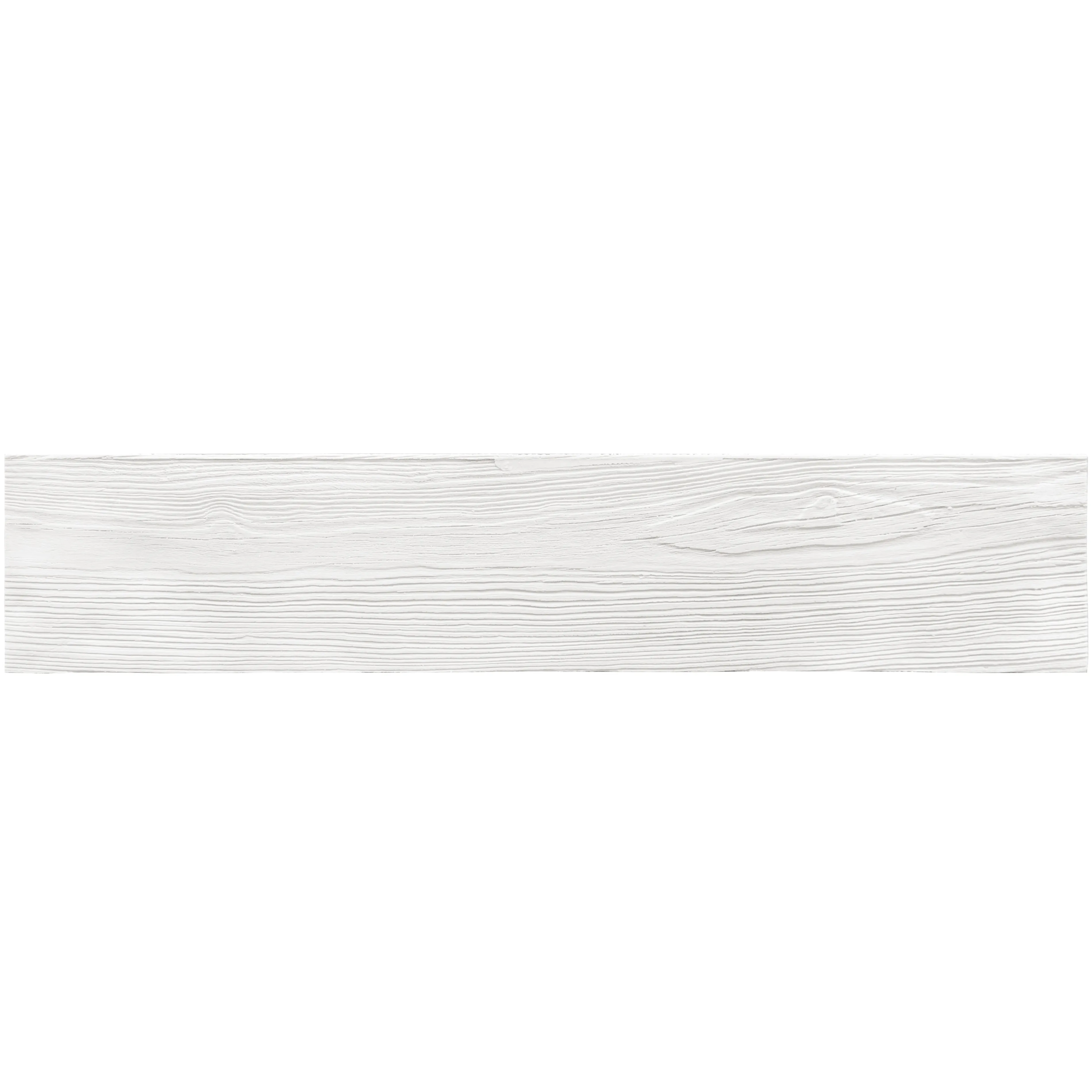
Walk down any busy street, and you'll notice it immediately: the storefronts that stand out aren't just selling products—they're telling a story. In a world where first impressions happen in seconds, your store's exterior is more than a wall; it's a silent greeting, a promise of what's inside. For retailers, this means one thing: your storefront design can make or break foot traffic . And in recent years, one material has been turning heads (and increasing sales) for its ability to blend warmth, durability, and versatility: White Wood MCM Panels.
But what exactly makes these panels so special? Why are designers and business owners swapping traditional materials for this modern take on wood? Let's dive in—exploring how White Wood MCM Panels transform storefronts into customer magnets, and why they might just be the upgrade your retail space needs.
First things first: MCM stands for Modified Composite Material, a blend of natural minerals, polymers, and fibers designed to mimic the look and feel of traditional materials—like wood, stone, or concrete—without the drawbacks. White Wood MCM Panels, specifically, are crafted to replicate the soft, inviting texture of white-washed or bleached wood, with subtle grain patterns that catch the light and invite touch.
Unlike solid wood, which warps in humidity, fades in sunlight, or rots with rain, these panels are built to last. They're lightweight (so they won't strain building structures), flexible (making them easy to install on curved or uneven surfaces), and resistant to scratches, moisture, and UV rays. Think of them as "wood with superpowers"—all the charm, none of the hassle.
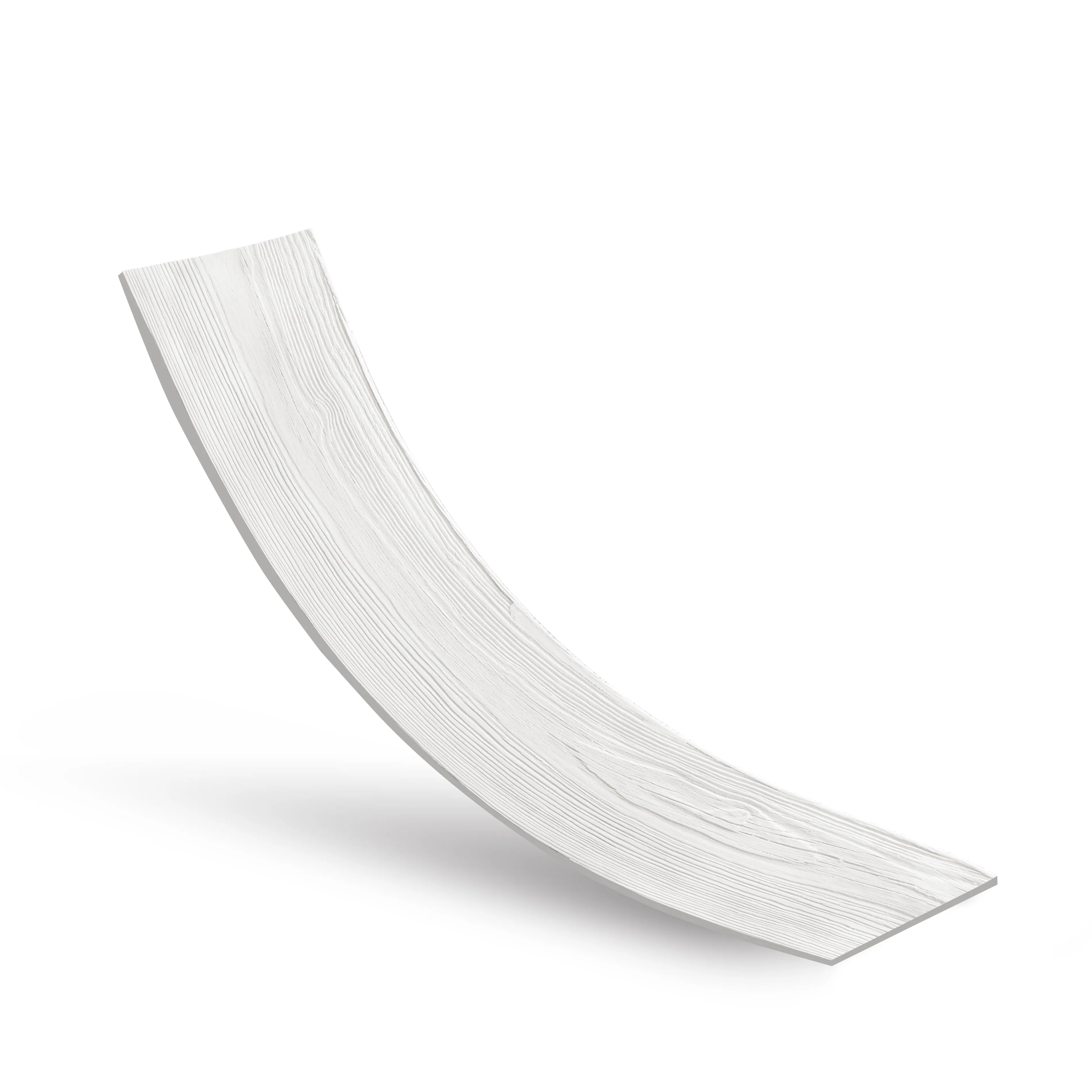
Let's talk about the obvious: warmth . In a retail landscape often dominated by cold, industrial materials like steel or glass, White Wood MCM Panels feel like a breath of fresh air. Their soft, off-white hue (think creamy ivory or pale sand) reflects light gently, making storefronts appear brighter and more spacious—even on overcast days. And that wood grain? It adds depth, turning a flat wall into a surface that feels lived-in and welcoming, like a favorite cabin or a cozy bookstore.
But their real magic lies in versatility. Whether your brand is minimalist, bohemian, rustic, or modern, White Wood Panels adapt. Pair them with black metal fixtures and large windows for a Scandinavian vibe; layer them with woven (khaki) textiles and potted plants for a boho-chic look; or contrast them with the raw, gray texture of fair-faced concrete for an edgy, contemporary feel. The possibilities are endless—and that flexibility means your storefront can evolve with trends without a full renovation.
Take, for example, a small café in Seattle I visited last year. Tired of blending into the gray urban landscape, the owner replaced their plain brick exterior with White Wood MCM Panels. They added string lights above the entrance and a wooden bench painted to match the panels. The result? What was once a forgettable spot became a "must-stop" for Instagram photos. Locals started calling it "the cozy corner," and foot traffic spiked by 40% in three months. "People walk in and say, 'It feels like home,'" the owner told me. "And when they feel at home, they stay longer—and spend more."
To truly appreciate White Wood's appeal, let's compare it to two common storefront materials: fair-faced concrete and traditional solid wood.
Fair-faced concrete is sleek, modern, and undeniably cool—but it can feel sterile, like walking into a hospital waiting room. Pair it with White Wood Panels, though, and suddenly that coolness warms up. A high-end clothing boutique in Chicago did just that: they used fair-faced concrete for the lower half of their storefront and White Wood for the upper half, with floor-to-ceiling windows in between. The contrast—smooth gray concrete below, warm wood above—creates visual interest that stops pedestrians in their tracks. "It's modern but not intimidating," the boutique's designer explained. "Customers used to pass by, thinking we were too 'high-end.' Now they peek in, curious about the mix of textures."
Traditional solid wood, on the other hand, is lovely but high-maintenance. A bookstore in Portland once used cedar planks for their storefront, only to replace them after two years when rain caused warping and mold. "We loved the look, but the upkeep was a nightmare," the manager said. They switched to White Wood MCM Panels and haven't looked back. "Same warm vibe, but we don't have to sand, stain, or replace planks every season. It's a game-changer."
| Material | Durability (1-5) | Maintenance Needs | Aesthetic Warmth |
|---|---|---|---|
| White Wood MCM Panels | 5/5 | Low (occasional wipe-down) | High (warm, inviting) |
| Fair-faced Concrete | 5/5 | Low (resistant to stains) | Low (cool, industrial) |
| Traditional Solid Wood | 3/5 (prone to warping) | High (staining, sealing) | High (warm, natural) |
| Wood Grain Board | 4/5 | Medium (avoid harsh cleaners) | Medium-High (textured, earthy) |
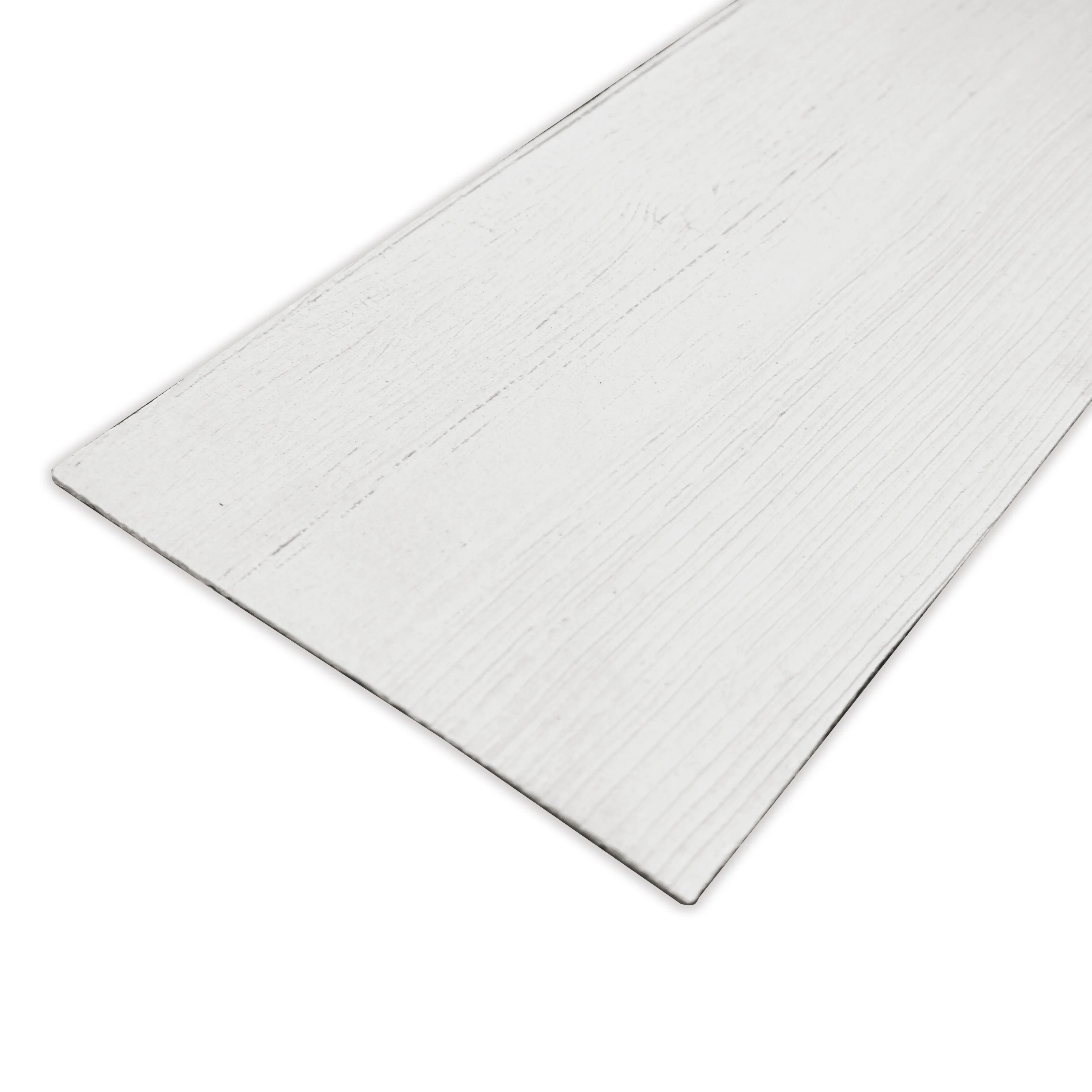
Aesthetics matter, but let's get real: retail owners need materials that work as hard as they do. White Wood MCM Panels deliver here, too—with benefits that go beyond good looks.
Traditional stone or solid wood panels can weigh hundreds of pounds, requiring heavy machinery and structural reinforcements. White Wood MCM Panels? They're lightweight enough to be installed by a small crew with basic tools. This cuts down on labor costs and installation time—meaning you can refresh your storefront in days, not weeks. For a busy retailer, that's a huge win.
Whether your store is in a rainy coastal town, a snowy mountain region, or a sunny desert, White Wood MCM Panels hold up. They're resistant to moisture (no rotting!), UV rays (no fading!), and temperature swings (no cracking!). A restaurant in Miami, for example, installed these panels five years ago, and they still look as crisp and white as the day they went up—despite the constant humidity and salt air. "We were worried the color would yellow," the manager said. "But it's held up perfectly. We just hose it down occasionally, and it's good as new."
MCM materials are often made with recycled content, and since they mimic wood without cutting down trees, they're a sustainable choice for eco-conscious brands. Plus, their durability means you won't be replacing them every few years—saving money in the long run. Compared to high-end materials like natural marble or travertine, White Wood MCM Panels are also surprisingly affordable, making them accessible for small businesses and big chains alike.
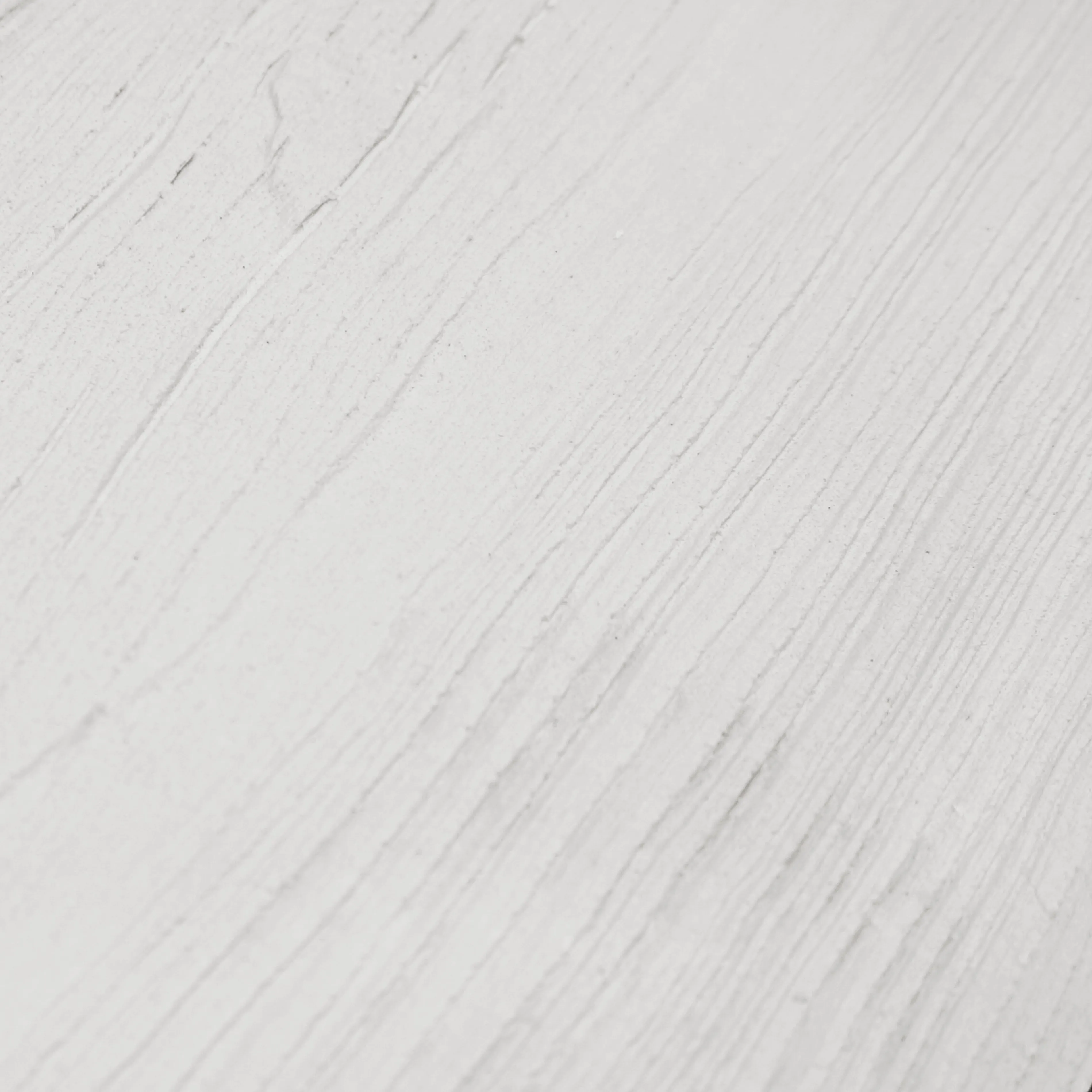
Ready to try White Wood MCM Panels? Here are a few designer-approved tips to make the most of them:
White Wood panels look stunning on their own, but pairing them with other textures can take your storefront to the next level. Try adding wood grain board accents around windows or doors for a layered, organic feel. Or, for a bold statement, use rammed earth board (gradient) as a backdrop—its soft, earthy tones (think terracotta fading to sand) complement White Wood's brightness, creating a look that's both modern and grounded.
White Wood panels glow under warm, soft lighting. Install sconces or LED strips along the base of the panels to highlight their grain texture after dark. A boutique in Austin did this, and now their storefront is a beacon on the street—even customers who might have walked by during the day. "Nighttime foot traffic has doubled," the owner said. "People see the warm light and think, 'I need to check that out.'"
Use White Wood panels to create a cohesive look from the exterior to the interior. For example, extend the panels into your entryway or feature wall inside—this creates a seamless transition that makes customers feel "at home" the moment they step in. Just be sure to add pops of color (like potted plants, colorful signage, or woven (jacinth) textiles) to keep things lively.
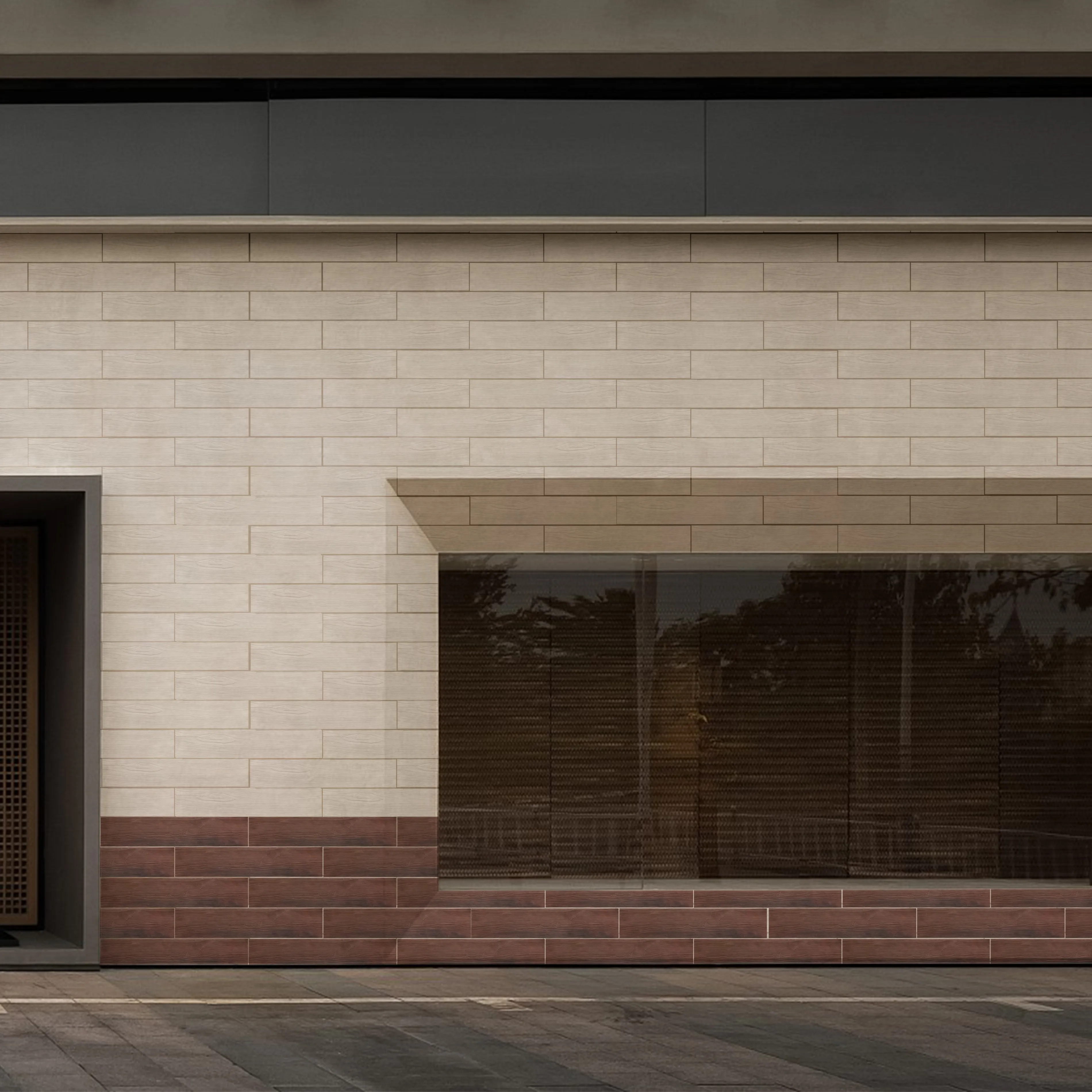
While White Wood MCM Panels are stars on their own, pairing them with MCM flexible stone can elevate your design. MCM flexible stone is thin, bendable, and comes in textures like slate, travertine, or even mosaic—perfect for adding accents or borders to your White Wood storefront. Imagine a White Wood panel base with a thin strip of rusty red MCM flexible stone along the top edge, or a mosaic pattern around your door. It's a subtle way to add personality without overwhelming the space.
A bakery in Boston did this, using White Wood panels for the main wall and small, square tiles of MCM flexible stone (in a warm, terracotta hue) to frame their display windows. "It ties the whole look together," the baker told me. "The stone adds a touch of rustic charm, and the wood keeps it light and airy. Customers say it feels like a countryside bakery in the middle of the city."
In the end, retail is about connection. Your storefront isn't just a place to sell products—it's a place to make people feel something. White Wood MCM Panels excel at this, offering warmth, durability, and versatility that few materials can match. Whether you're a cozy café, a trendy boutique, or a neighborhood bookstore, they have the power to turn passersby into customers, and customers into loyal fans.
So, if you're ready to stop blending in and start standing out, consider this: White Wood MCM Panels aren't just a design choice—they're an investment in your brand's story. And in a world where attention is everything, that story could be the one that sets you apart.
Here's to brighter storefronts, happier customers, and a whole lot more foot traffic.
Recommend Products












