
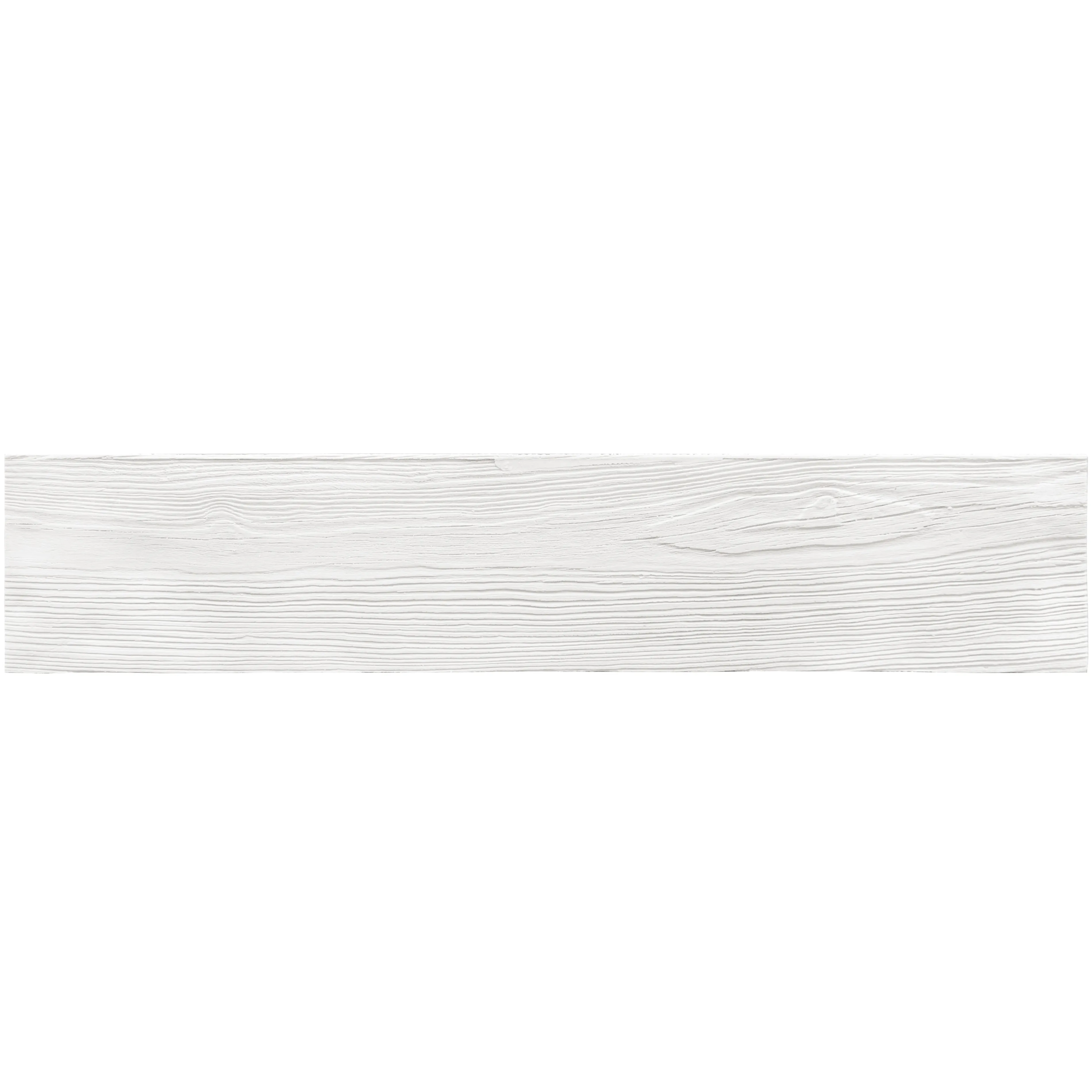
Walk into any high-end home, boutique hotel, or trendy restaurant today, and there's a good chance you'll be greeted by the warm, inviting texture of wood. For centuries, timber has been the gold standard of interior and exterior design—synonymous with comfort, luxury, and timelessness. But behind that beauty lies a growing crisis: rare timber species like teak, mahogany, and rosewood are being harvested at unsustainable rates, pushing forests to the brink and leaving a trail of ecological damage in their wake. Designers and builders have long faced a painful dilemma: how to honor the aesthetic appeal of wood while protecting the planet. Enter White Wood MCM Panels—a revolutionary solution that marries the organic charm of real wood with the durability and sustainability of modern technology. In this article, we'll explore how these panels are redefining responsible design, why they're quickly becoming a favorite among architects, and how they stack up against traditional timber and other alternatives.
To understand the need for White Wood MCM Panels, it's critical to first acknowledge the limitations of the material they aim to replace: real wood. For all its beauty, traditional timber comes with a heavy price tag—both environmental and practical.
Deforestation is perhaps the most urgent concern. According to the United Nations, over 10 million hectares of forest are lost annually, with a significant portion cleared for timber production. Rare species, in particular, are targeted for their unique grain patterns and durability, but their slow growth rates mean they can't be replenished fast enough to meet demand. This loss not only destroys habitats for endangered species but also exacerbates climate change, as forests act as crucial carbon sinks.
Beyond the environment, real wood poses challenges for homeowners and businesses alike. It's prone to warping, rotting, and insect infestations, especially in humid or coastal climates. Maintenance is a constant battle: regular staining, sealing, and repairs add up over time, turning a once-beautiful deck or accent wall into a costly headache. And let's not forget cost—rare timber isn't just ecologically expensive; it's financially prohibitive for many, with prices soaring into the thousands for high-quality planks.
Even "sustainable" timber certifications, while well-intentioned, aren't foolproof. Greenwashing is common, and tracking the origin of wood products can be a logistical nightmare. For designers and builders committed to truly ethical practices, the search for a reliable alternative has felt endless—until now.
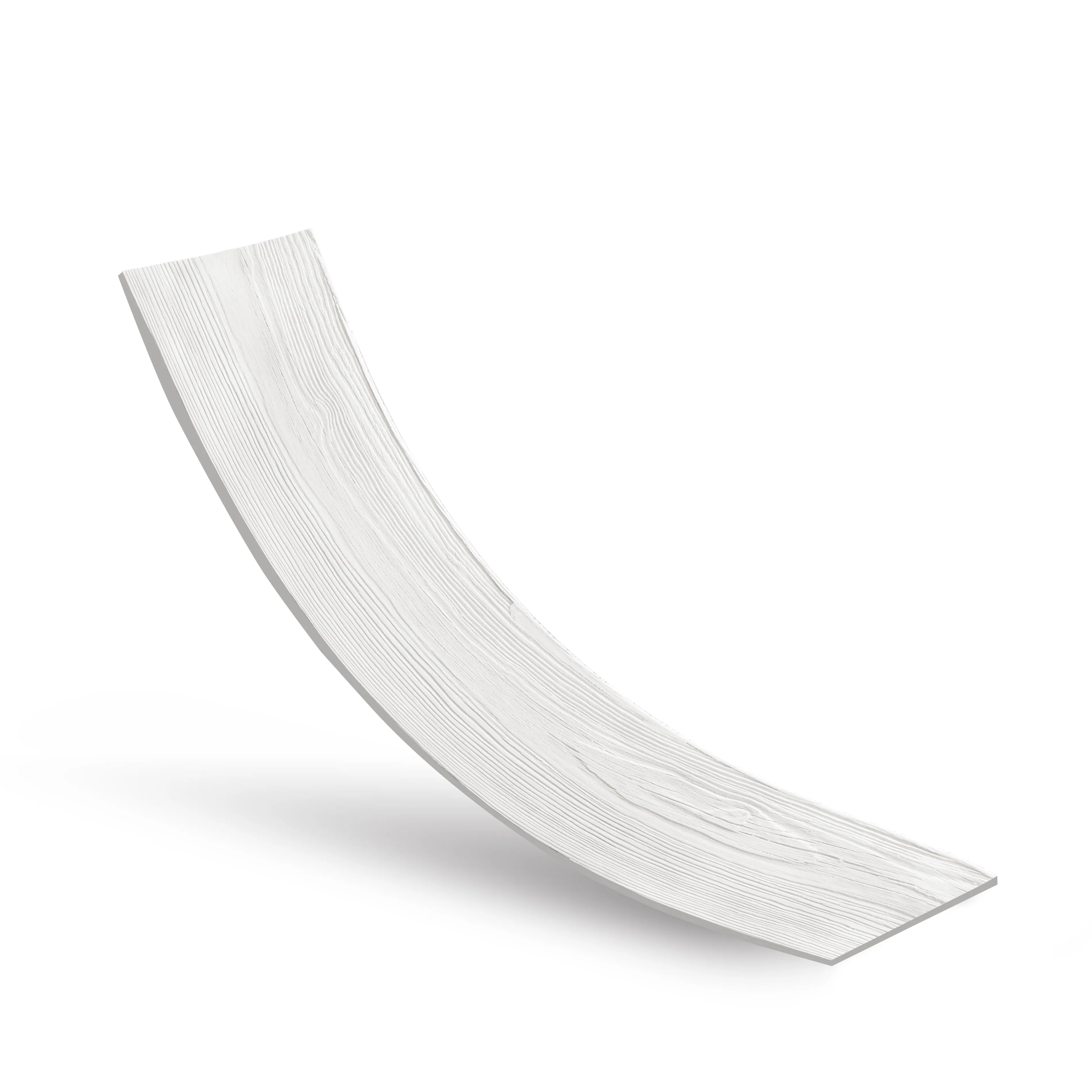
White Wood MCM Panels belong to the broader family of modified composite material panels —a category of building materials engineered to combine the best of nature and technology. MCM, or Modified Composite Material, is a lightweight, flexible material made by bonding layers of mineral-rich substrates with high-performance resins. The result? A product that mimics the look and feel of natural materials but with enhanced durability, sustainability, and versatility.
White Wood, in particular, is a standout variant designed to replicate the soft, pale grain of premium white oak or ash. Run your hand over its surface, and you'll feel the subtle texture of wood—knots, grain lines, and even the slight warmth that makes real timber so inviting. But look closer, and you'll realize this isn't wood at all. It's a masterclass in material science, crafted to capture the essence of wood without a single tree being cut down.
Unlike cheap vinyl or plastic imitations, White Wood MCM Panels don't rely on petroleum-based plastics or harmful chemicals. Instead, they use a blend of natural minerals, recycled fibers, and low-VOC resins, making them a far more eco-friendly choice. And because they're part of the MCM flexible stone family, they offer a level of bendability unheard of in traditional timber or even other composites. This flexibility means they can be curved, folded, or cut into intricate shapes, opening up a world of design possibilities that rigid wood simply can't match.
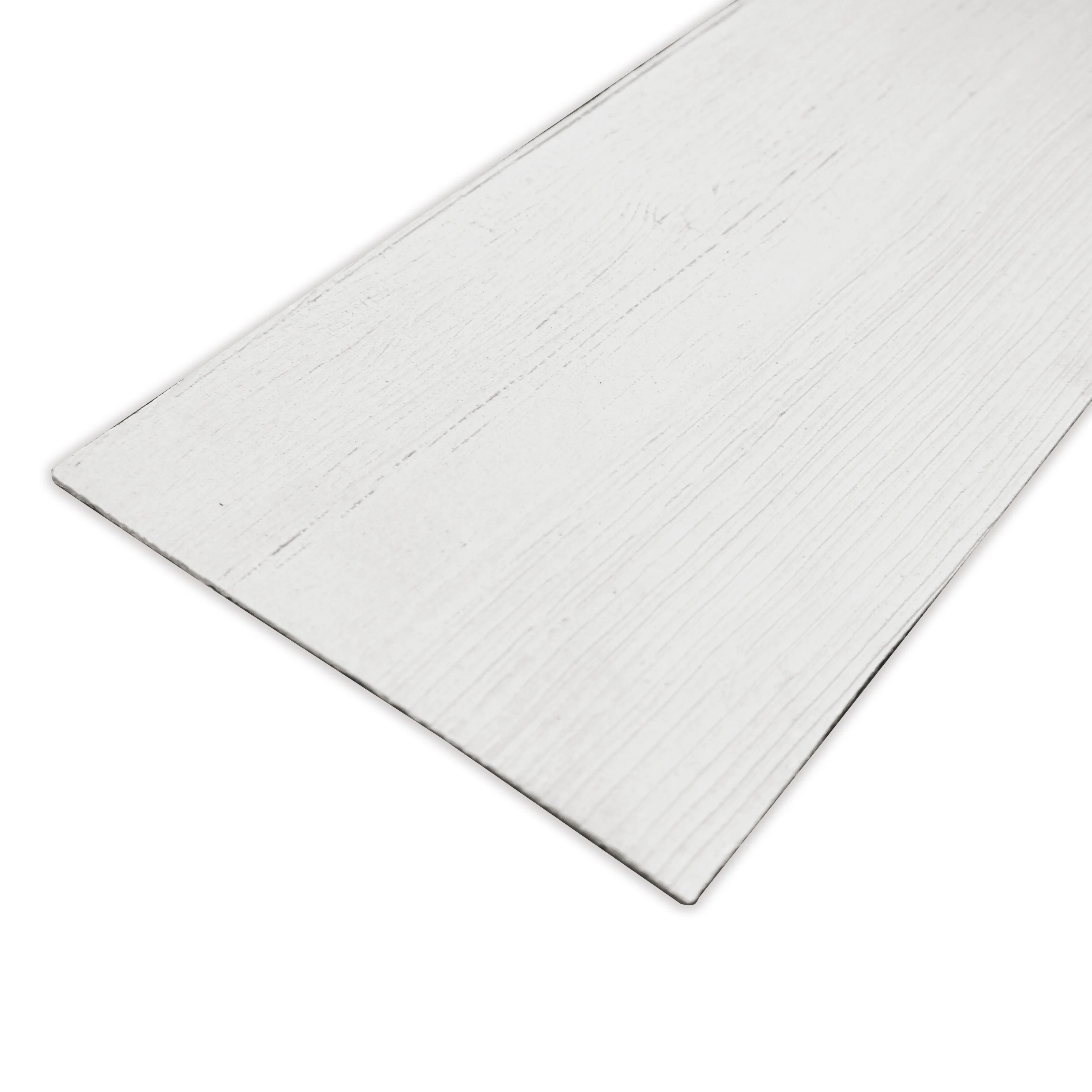
At a time when "green building" is more than just a buzzword, White Wood MCM Panels stand out for their genuine commitment to sustainability. Let's break down why they're a game-changer:
For businesses and homeowners aiming to achieve LEED, BREEAM, or other green building certifications, White Wood MCM Panels are a straightforward way to earn points. They align perfectly with the ethos of green building materials —products that prioritize people, planet, and performance.
Sustainability is only half the story. What truly sets White Wood MCM Panels apart is their unbeatable performance. Let's compare them to real timber and even other wood-look alternatives like wood grain board —a common but less advanced option:
| Feature | White Wood MCM Panels | Real Timber | Wood Grain Board |
|---|---|---|---|
| Aesthetic | Mimics real wood grain, knots, and texture; consistent coloration | Natural beauty but varies in color/grain; prone to discoloration over time | Flat, printed texture; lacks depth and realism |
| Durability | Resistant to rot, mold, insects, and UV damage; flexible (won't crack) | Susceptible to rot, warping, and pests; rigid (prone to cracking) | Moderate durability; can chip or fade; not suitable for exteriors |
| Maintenance | Wipe clean with water; no staining, sealing, or painting required | Annual staining/sealing; regular repairs for splits or rot | Requires occasional repainting; prone to water damage |
| Installation | Lightweight (easy to handle); flexible (fits curved surfaces); adhesive or mechanical fixing | Heavy; requires specialized tools; rigid (hard to fit non-flat surfaces) | Lightweight but brittle; limited to flat surfaces |
| Cost (Lifetime) | Higher upfront cost but lower long-term (no maintenance/replacement) | Lower upfront cost but high long-term (maintenance + replacement) | Low upfront cost but frequent replacement needed |
The table tells a clear story: White Wood MCM Panels outperform traditional timber in nearly every category, and they leave wood grain board in the dust when it comes to realism and durability. For exterior applications—like siding, decks, or pergolas—their resistance to moisture and UV rays is a game-changer. Imagine a beach house where the exterior cladding stays pristine despite salt spray, or a backyard deck that doesn't warp after a rainstorm. With White Wood, these scenarios aren't just possible—they're standard.
Indoors, their versatility shines. They can be used for wall cladding, ceilings, cabinetry, or even furniture. Unlike real wood, they won't expand or contract with humidity, making them ideal for kitchens, bathrooms, and basements—spaces where moisture is a constant concern.
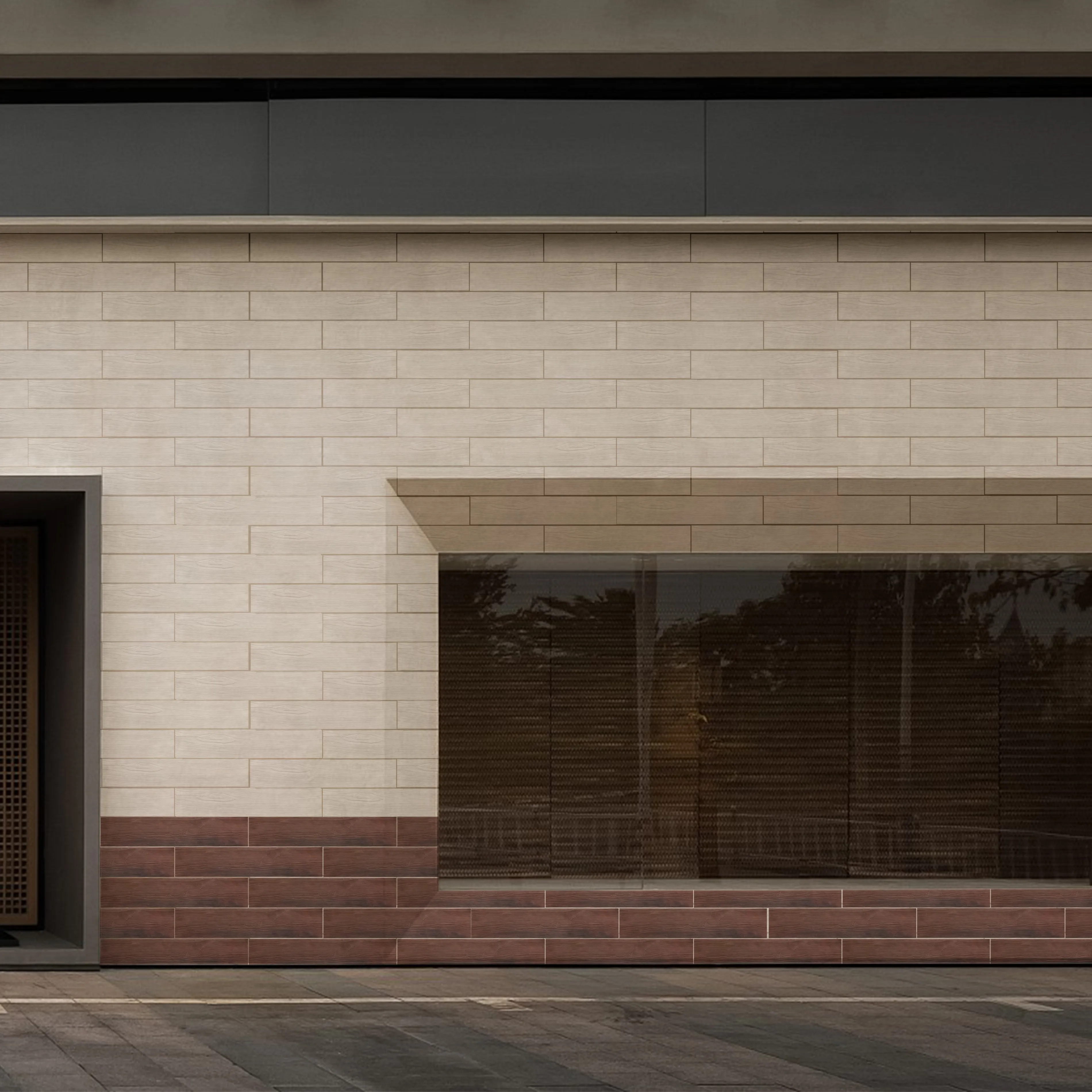
Great design is about harmony—how materials interact to create a cohesive vision. White Wood MCM Panels are remarkably versatile, pairing beautifully with a range of other building materials. One standout combination is with fair-faced concrete —a raw, industrial material that balances White Wood's warmth with modern edge.
Take, for example, the Riverstone Boutique Hotel in Portland, Oregon. The lobby features a statement wall clad in White Wood MCM Panels, its pale grain offset by fair-faced concrete columns and a polished concrete floor. The contrast is striking: the wood adds softness, while the concrete adds structure. Guests often comment on how the space feels both cozy and contemporary—a testament to the power of thoughtful material pairing.
Another inspiring project is a private home in Boulder, Colorado, where the exterior uses White Wood MCM Panels for the siding, paired with large-format glass windows and a stone patio. The panels withstand the harsh Rocky Mountain winters—heavy snow, freezing temperatures, and intense sun—without fading or cracking. Inside, the same panels line the ceiling of the open-concept living area, creating a seamless flow between indoor and outdoor spaces.
Designers also love White Wood for its ability to adapt to different styles. In a Scandinavian-inspired home, it adds a clean, minimalist touch. In a rustic cabin, it enhances the cozy, cabin-in-the-woods vibe without the environmental guilt. And in a modern office, it softens the sterility of metal and glass, creating a workspace that feels inviting and productive.
Skepticism is natural. When a product claims to "look like wood but isn't," many assume it will have that plastic-y, artificial sheen common in cheap imitations. But White Wood MCM Panels are different—and the proof is in the texture.
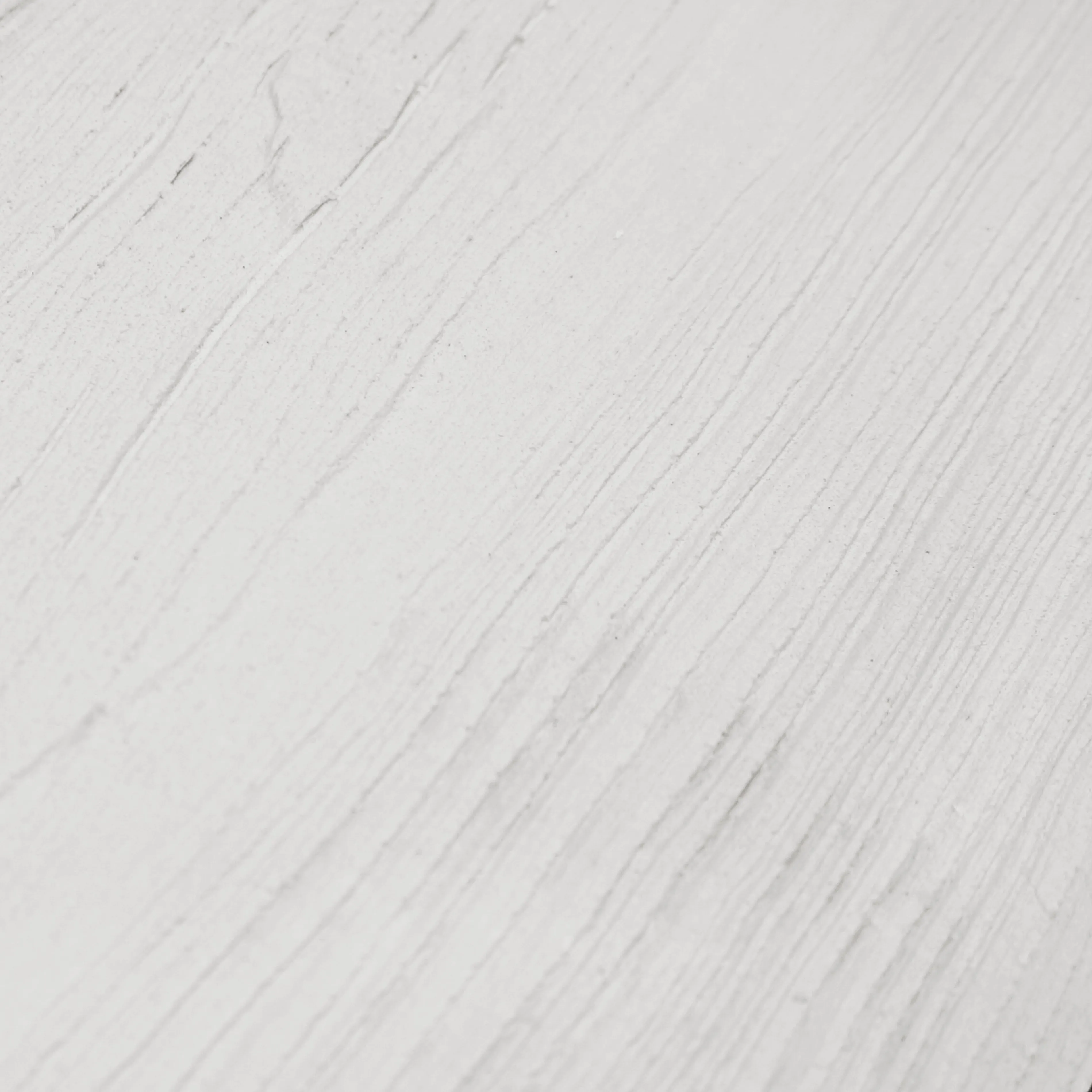
Unlike wood grain board, which uses a printed film to mimic wood, White Wood uses a multi-layered manufacturing process that creates actual depth. The surface is embossed with real wood patterns, capturing the irregularities that make timber so unique: a slight dip where a knot once was, a subtle variation in grain density, even the faint "grain raise" that occurs when wood is sanded. Run your finger across it, and you'll feel the difference—it's not smooth like plastic; it has the tactile warmth of real wood.
To put it to the test, we visited a recent installation at a café in Seattle. The owners had replaced their old wooden booths with White Wood MCM Panels, and we asked patrons if they could tell the difference. Overwhelmingly, they couldn't. "It feels like wood," one customer said. "I would've never guessed it wasn't real." That's the magic of White Wood—it doesn't just look real; it feels real.
Another common myth is that MCM panels are only for exteriors. But as the café example shows, they're equally stunning indoors. Their lightweight nature makes them easy to install on walls and ceilings, and their resistance to moisture makes them perfect for high-traffic areas like restaurants, schools, and retail stores.
As the world wakes up to the urgency of climate change, the demand for sustainable building materials will only grow. White Wood MCM Panels aren't just a trend—they're a glimpse into the future of design: one where beauty and responsibility coexist.
For designers, they offer a new level of freedom. No longer do you have to choose between a client's desire for wood and your commitment to the planet. For builders, they mean fewer callbacks, faster installations, and happier clients. For homeowners, they mean a home that looks beautiful for decades, with minimal upkeep and maximum peace of mind.
The team behind White Wood MCM Panels is already looking ahead, experimenting with new textures and finishes inspired by other natural materials. But for now, their focus remains on perfecting the wood-look category—proving that sustainability doesn't have to mean sacrificing style.
Every building material we choose sends a message. Traditional timber says, "I value beauty over the planet." Cheap imitations say, "I value cost over quality." White Wood MCM Panels say, "I refuse to compromise."
In a world where our choices have far-reaching consequences, White Wood MCM Panels offer a rare win-win: a product that honors the timeless appeal of wood while protecting the forests we all depend on. They're more than just building materials—they're a statement that design can be a force for good.
So the next time you're planning a project, ask yourself: What kind of legacy do I want to leave? With White Wood MCM Panels, the answer is clear: one of beauty, durability, and respect for the planet we call home.
Recommend Products












