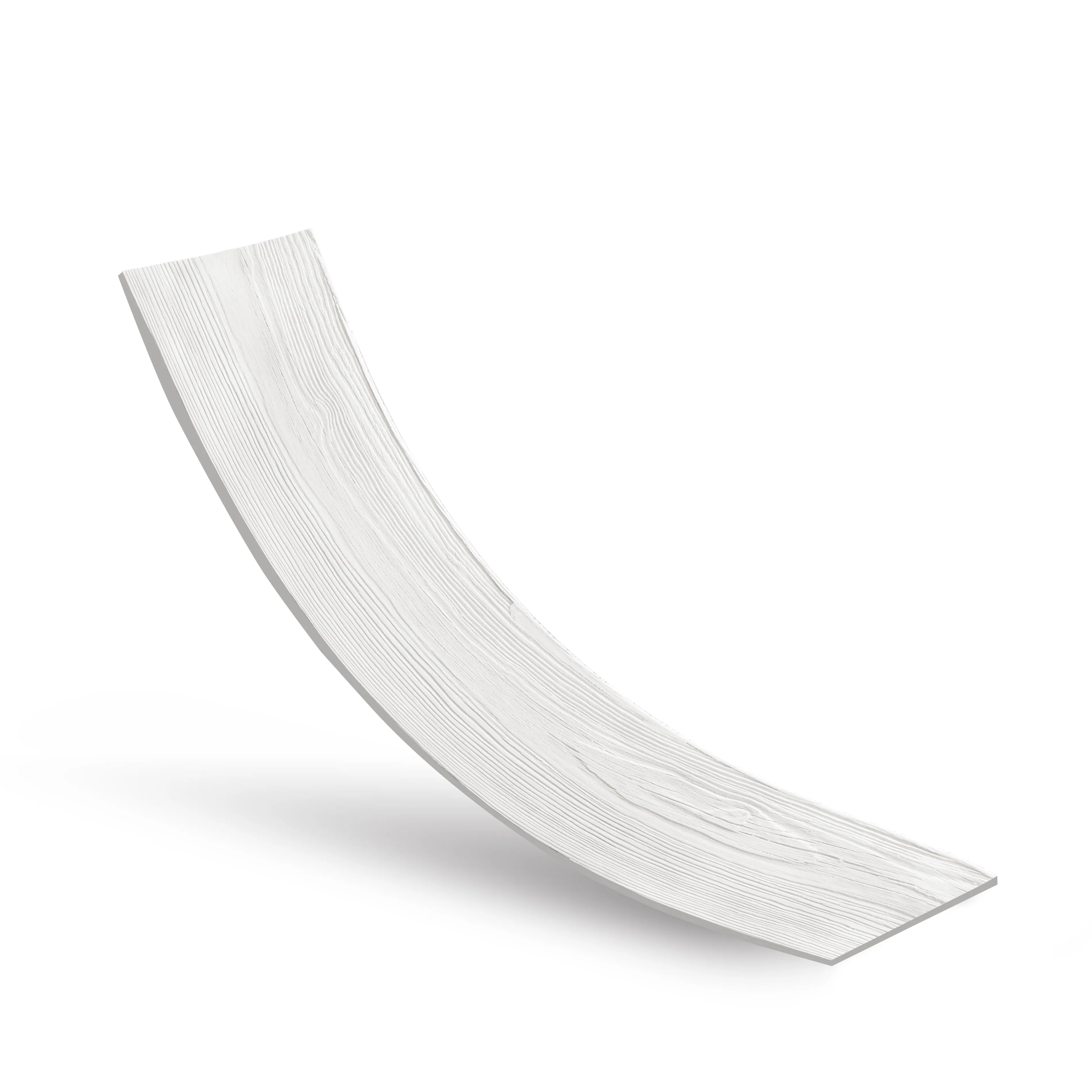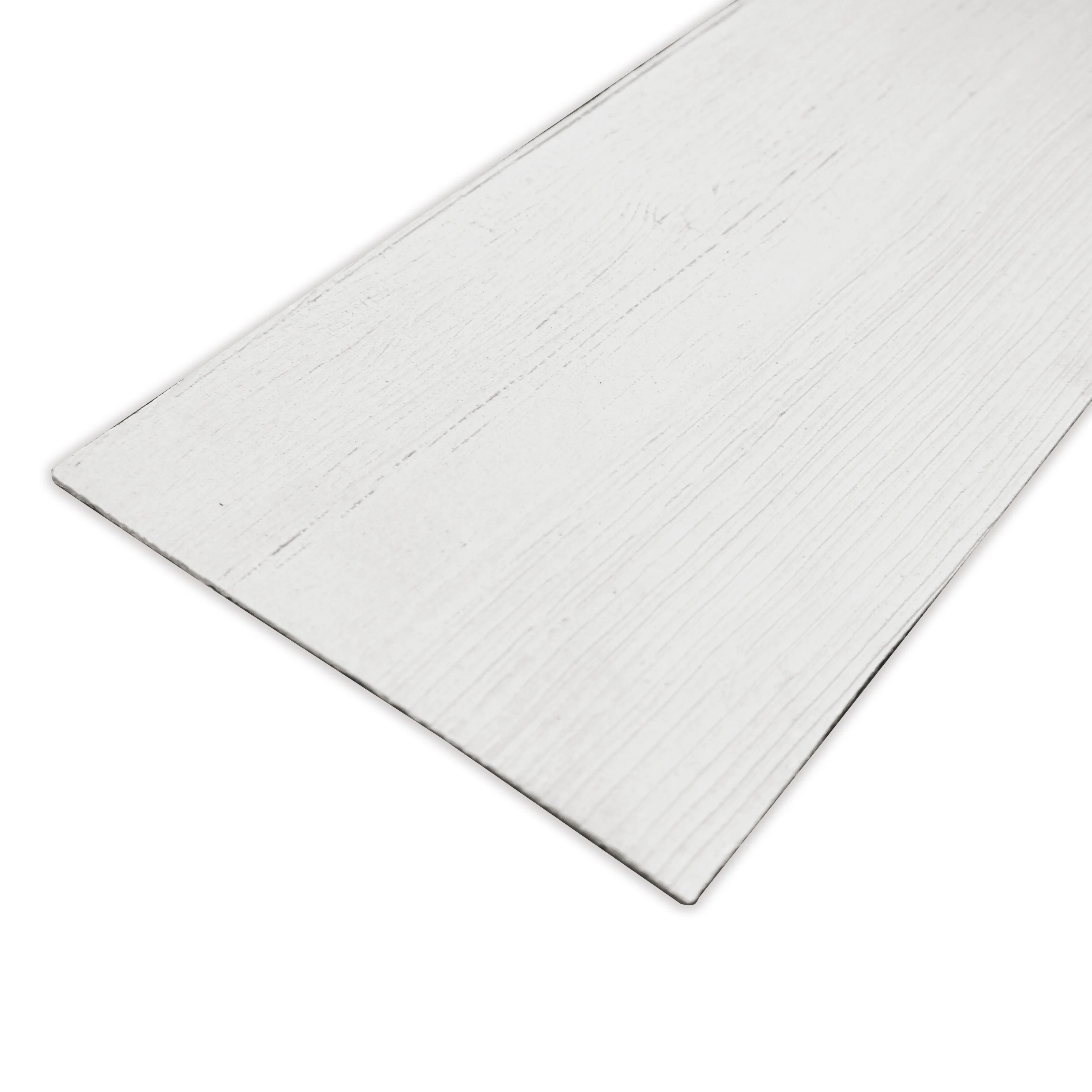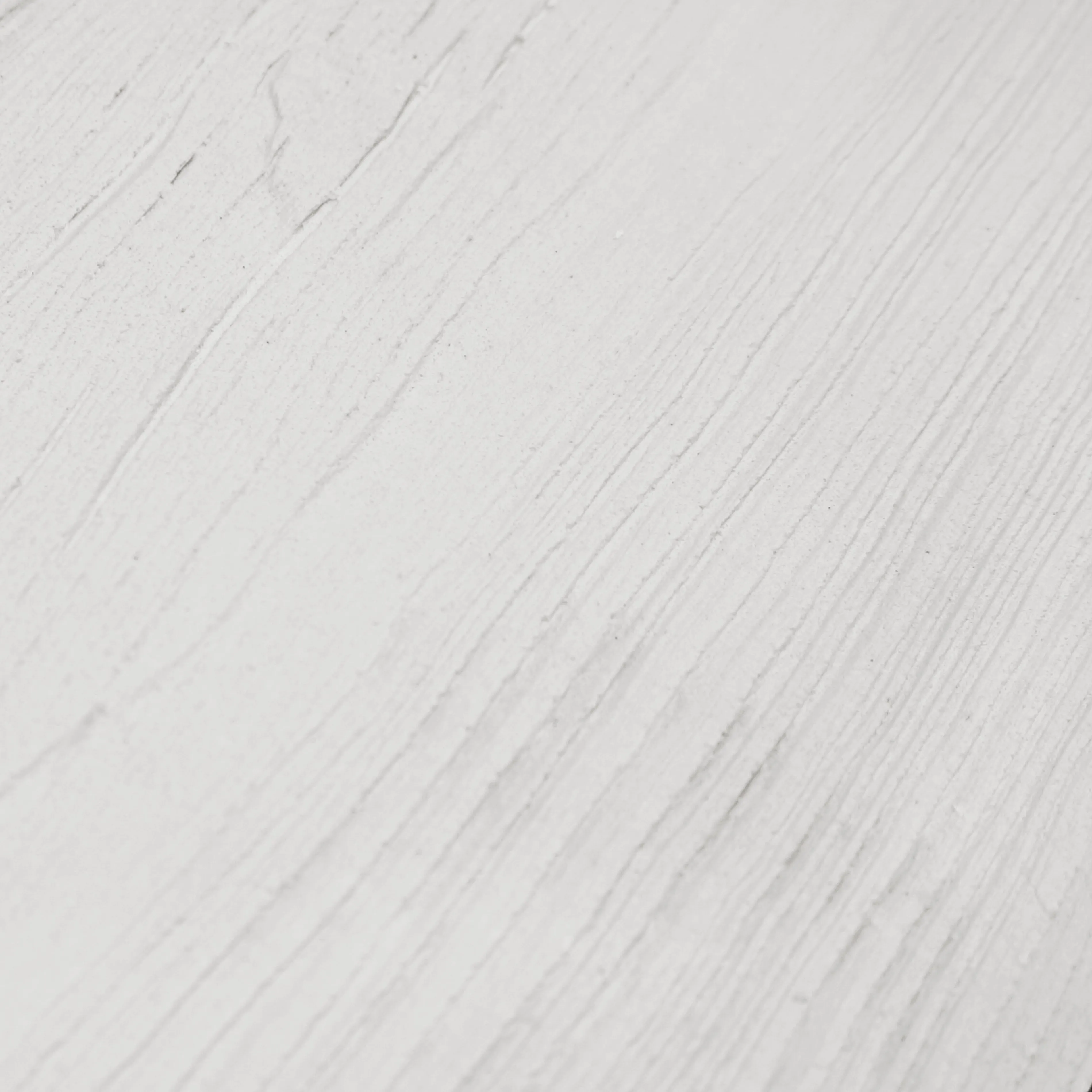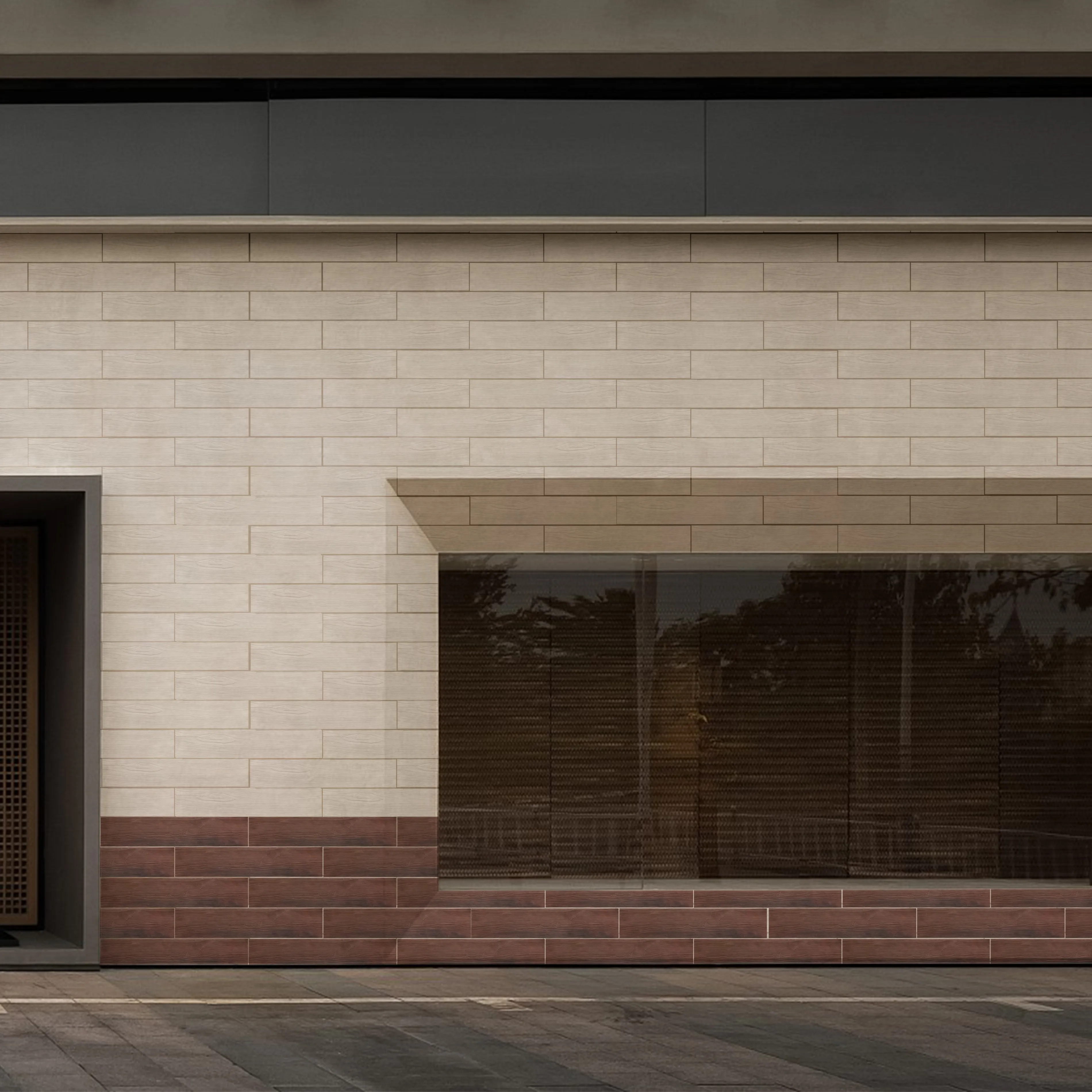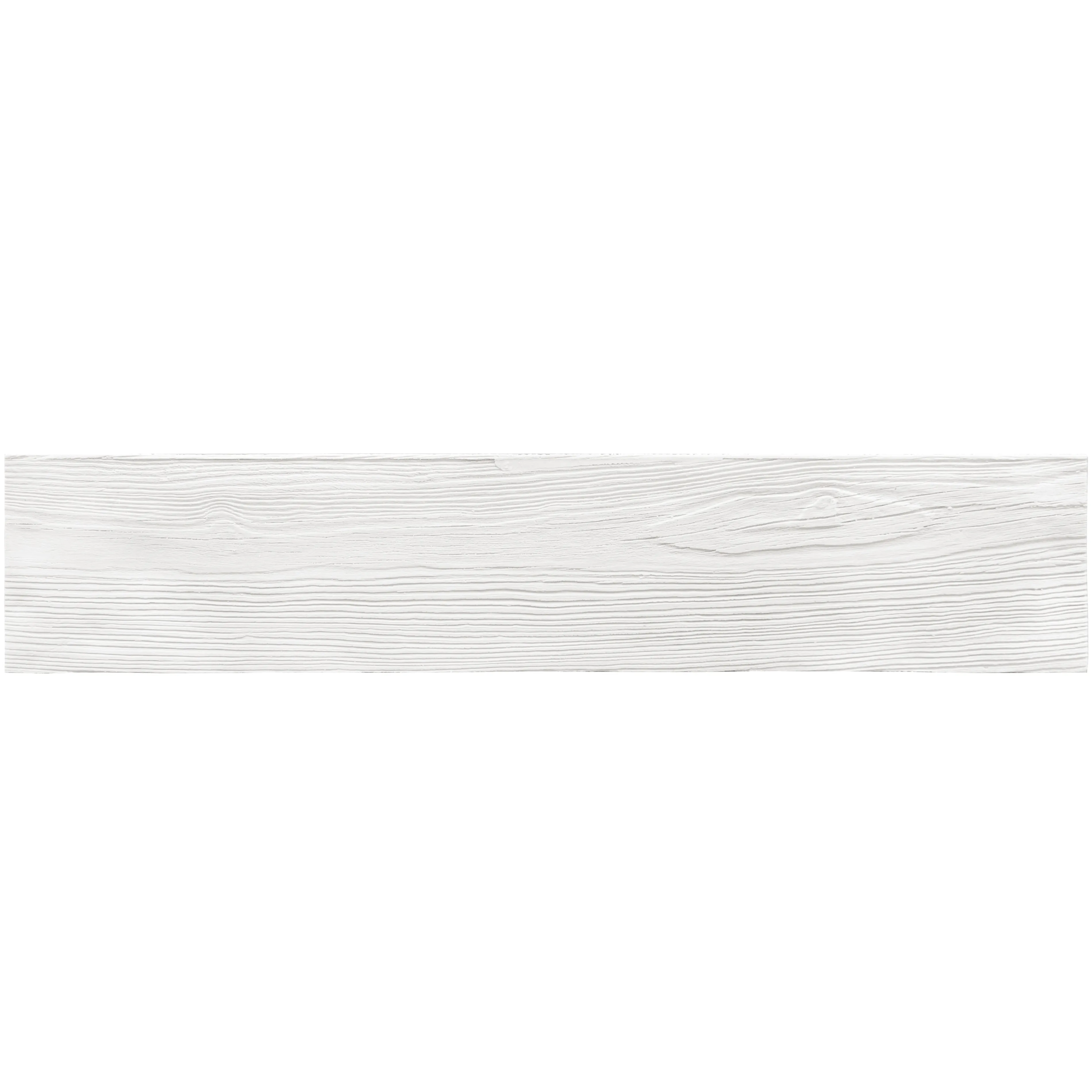
Let's start with a simple truth: water is the lifeblood of our planet, but in the construction industry, it's often treated like an afterthought. We talk about energy efficiency, recycled materials, and carbon footprints—and rightfully so—but water? It's quietly slipping through the cracks, quite literally, in how we make the materials that build our homes, offices, and cities. Traditional manufacturing processes for everything from solid wood panels to concrete slabs guzzle gallons upon gallons, leaving behind a trail of waste that's hard to ignore. But here's the good news: the tide is turning. As builders, architects, and homeowners wake up to the urgency of water scarcity, materials like White Wood MCM Panels are stepping into the spotlight, proving that sustainability and style don't have to be mutually exclusive.
Think about it: the average construction project uses thousands of liters of water, from mixing concrete to curing materials to treating wood. In drought-prone regions or areas where clean water is already scarce, this isn't just unsustainable—it's irresponsible. That's where green building materials come in. They're not just a trend; they're a necessity. And among them, MCM (Modified Composite Material) panels stand out, especially the White Wood variant. With their wood-like appearance, flexibility, and durability, they're quickly becoming a favorite for designers. But what really sets them apart? Their manufacturing process, which prioritizes water conservation in ways that traditional materials can only dream of.