
A closer look at how modern composite cladding solves plywood's age-old problems
Walk down any neighborhood street, and you'll notice it immediately: the homes that stand out aren't just the ones with fresh paint or perfectly trimmed hedges. It's the exterior cladding—the material that wraps the house—that makes the first impression. For homeowners and builders alike, choosing the right cladding is a balancing act. It needs to protect the structure from rain, wind, and sun. It should look good, maybe even boost curb appeal. And let's not forget: it has to last. For decades, plywood has been a go-to choice, but if you've ever dealt with warped boards, rotting edges, or endless maintenance, you know it's far from perfect. Today, there's a new player in town: White Wood MCM panels. Let's dive into why this modern material is redefining what exterior cladding can be.
Let's start with the elephant in the room: plywood. For years, it's been the default for exterior cladding, and it's easy to see why. It's affordable, widely available, and has that familiar woody look that feels like home. But here's the thing no one tells you until after installation: plywood wasn't built to withstand the elements long-term. Let's break down the headaches.
First, moisture is plywood's worst enemy. Even with a coat of paint or sealant, rain, humidity, and snow find their way in. I once spoke to a homeowner in Portland, Oregon—where rain is a constant—who described peeling back her plywood siding after just five years to find black mold and soft, rotting wood underneath. "It smelled like a damp basement," she said. "We had to replace the entire section, and the contractor said the water had seeped in through tiny cracks in the paint. Plywood soaks it up like a sponge."
Then there's warping. Wood expands and contracts with temperature and humidity changes, and plywood? It bends, twists, and cups over time. Imagine spending weekends painting your home, only to notice a year later that some panels are bowing outward, creating gaps where pests (think termites, carpenter ants) can sneak in. One builder I know calls this the "plywood domino effect": once one panel warps, it throws off the entire wall, leading to more gaps, more moisture, and more repairs.
Maintenance is another nightmare. Plywood needs regular repainting—every 3-5 years, depending on the climate—to stay protected. Miss a year, and you're looking at premature aging. And let's not forget cost: that "affordable" initial price tag? It adds up when you factor in repaints, repairs, and eventual replacement (most plywood siding lasts 15-20 years, if you're lucky).
Don't get me wrong—plywood has its place. But when it comes to exterior cladding, it's like using a band-aid for a deep cut: it works for a while, but you're just delaying the inevitable.
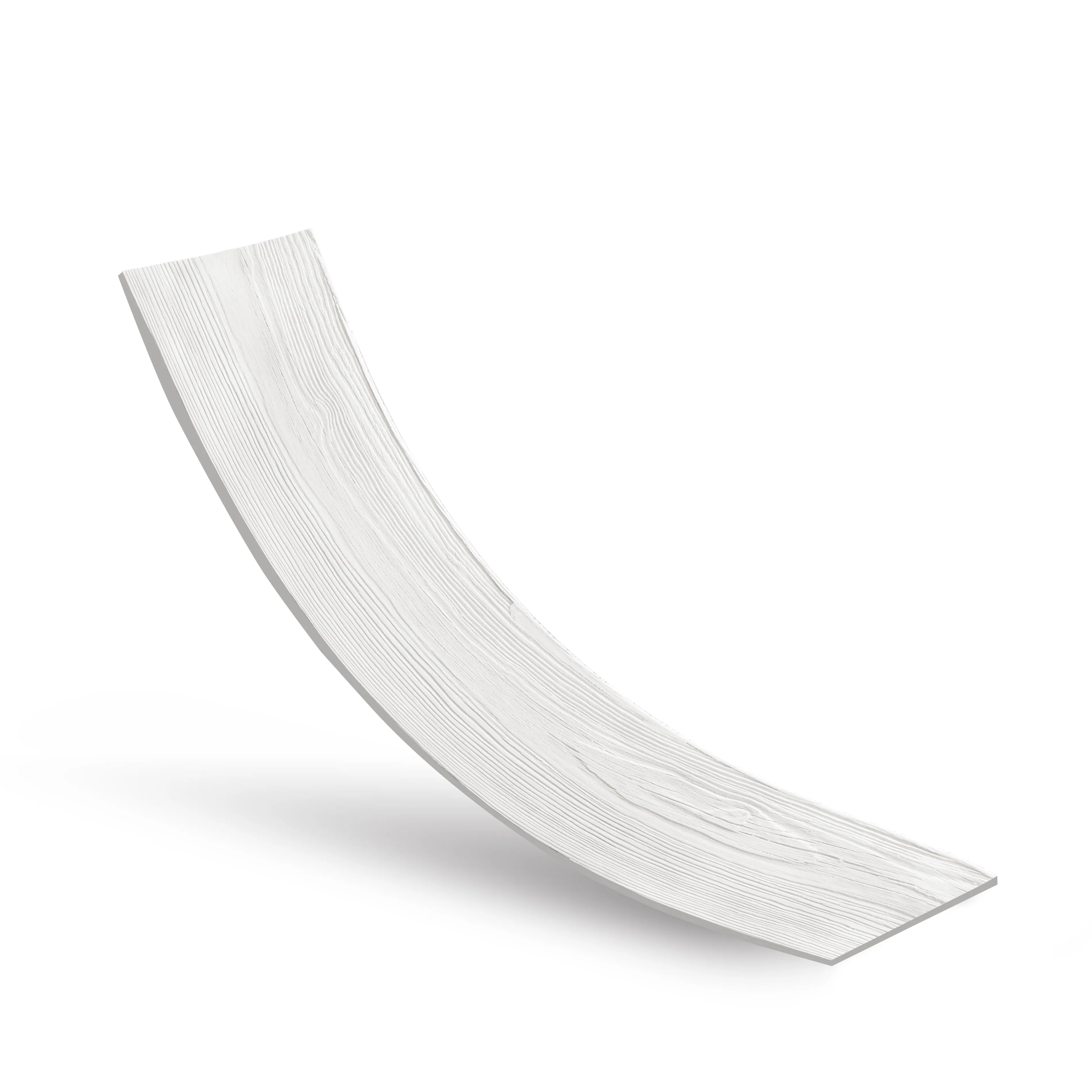
Enter MCM panels. Short for Modified Composite Material, MCM is a game-changer in the building world. It's a lightweight, flexible material made by bonding layers of mineral composite and fiberglass, creating something that's tough as nails but easy to work with. And the White Wood variant? It's MCM's love letter to the warmth of wood—without the wood problems.
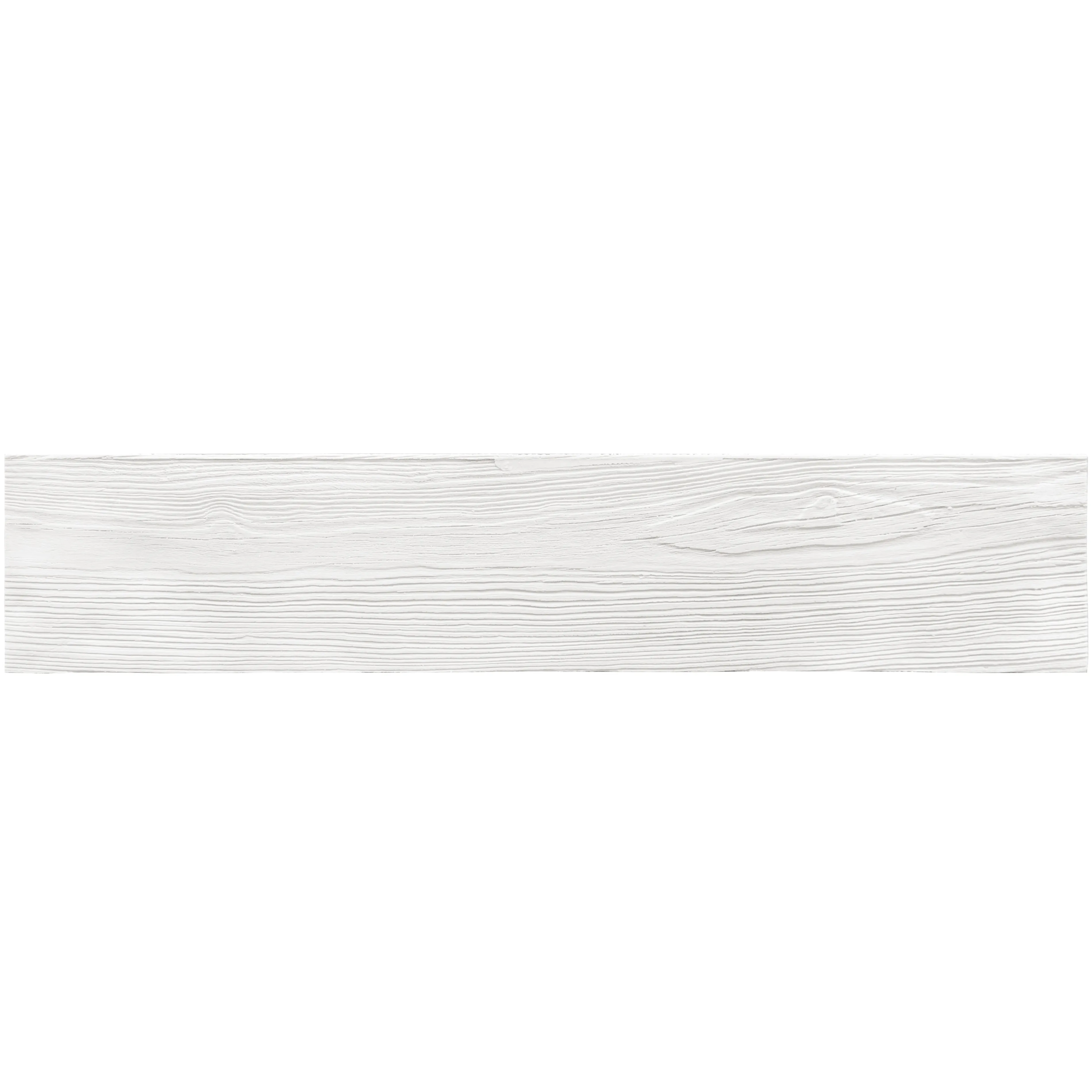
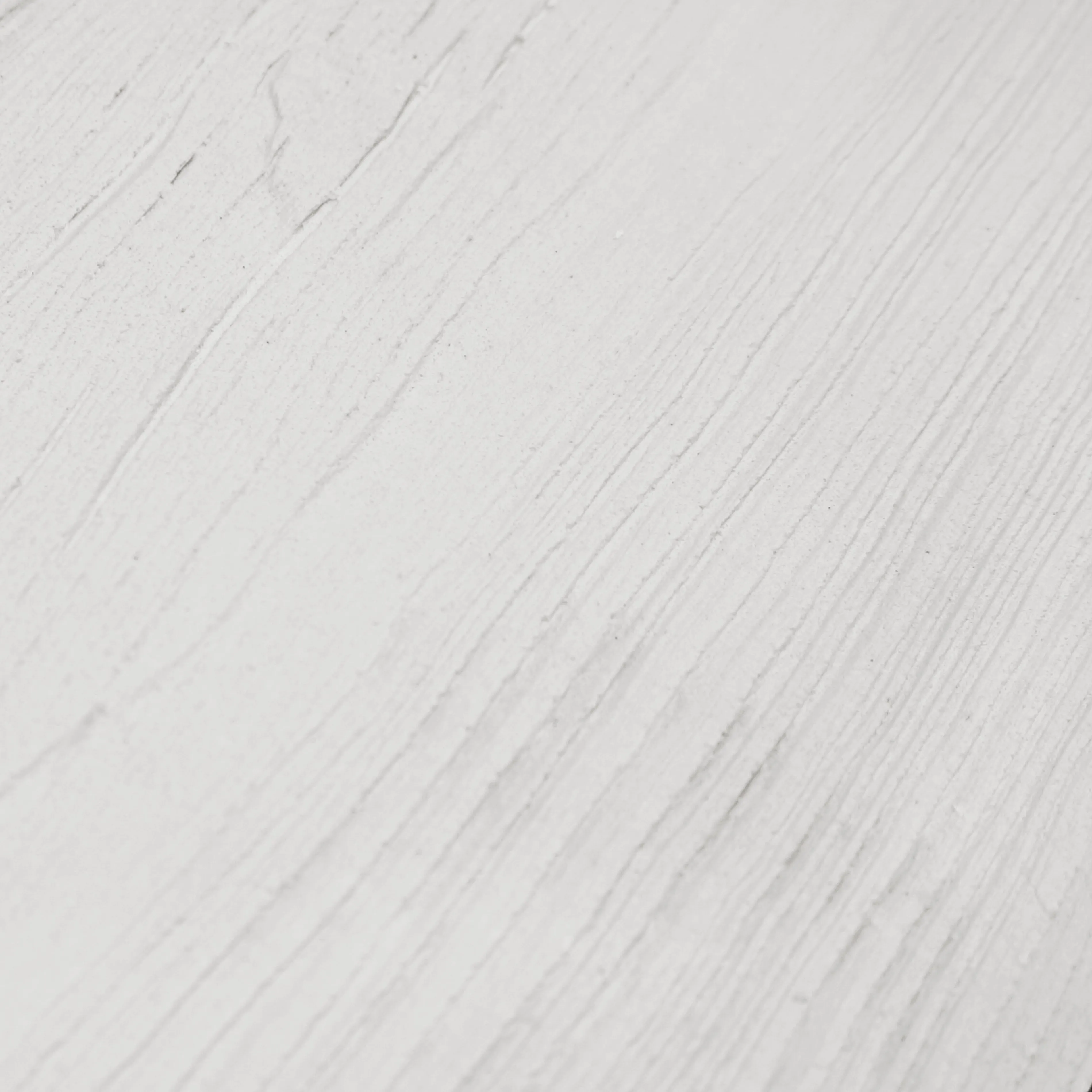
Part of the MCM project board series , White Wood panels mimic the look of natural wood with stunning precision. Think subtle grain patterns, soft knots, and that warm, inviting texture that makes a house feel like a home. But here's the twist: unlike real wood or plywood, these panels are built to outlast the elements. They're part of a broader family of MCM products, including flexible stone and wood grain board options, all designed to blend aesthetics with unbeatable performance.
So what makes White Wood MCM different? Let's start with the basics: it's 100% moisture-resistant. No rot, no mold, no warping—even in places like Florida or the Pacific Northwest, where humidity and rain are constant. It's also impervious to pests (termites hate it), fire-retardant, and UV-stable, so that rich wood tone won't fade under the sun. And because it's lightweight (about 1/5 the weight of plywood), installation is a breeze—no heavy equipment needed, which saves time and labor costs.
Let's get specific. Here's why White Wood MCM panels are quickly becoming the top choice for exterior cladding:
Plywood's lifespan is a roll of the dice—15 years if you baby it, maybe 20 with perfect conditions. White Wood MCM? It's warrantied for 50 years. That's not a typo. The composite material resists everything Mother Nature throws at it: rain, snow, hail, salt air (hello, coastal homes), and even extreme temperatures. Unlike plywood, it won't absorb water, so you'll never have to deal with rotting edges or mold growth. And because it's inorganic, pests like termites and carpenter bees can't digest it—your walls stay intact, no toxic pesticides required.
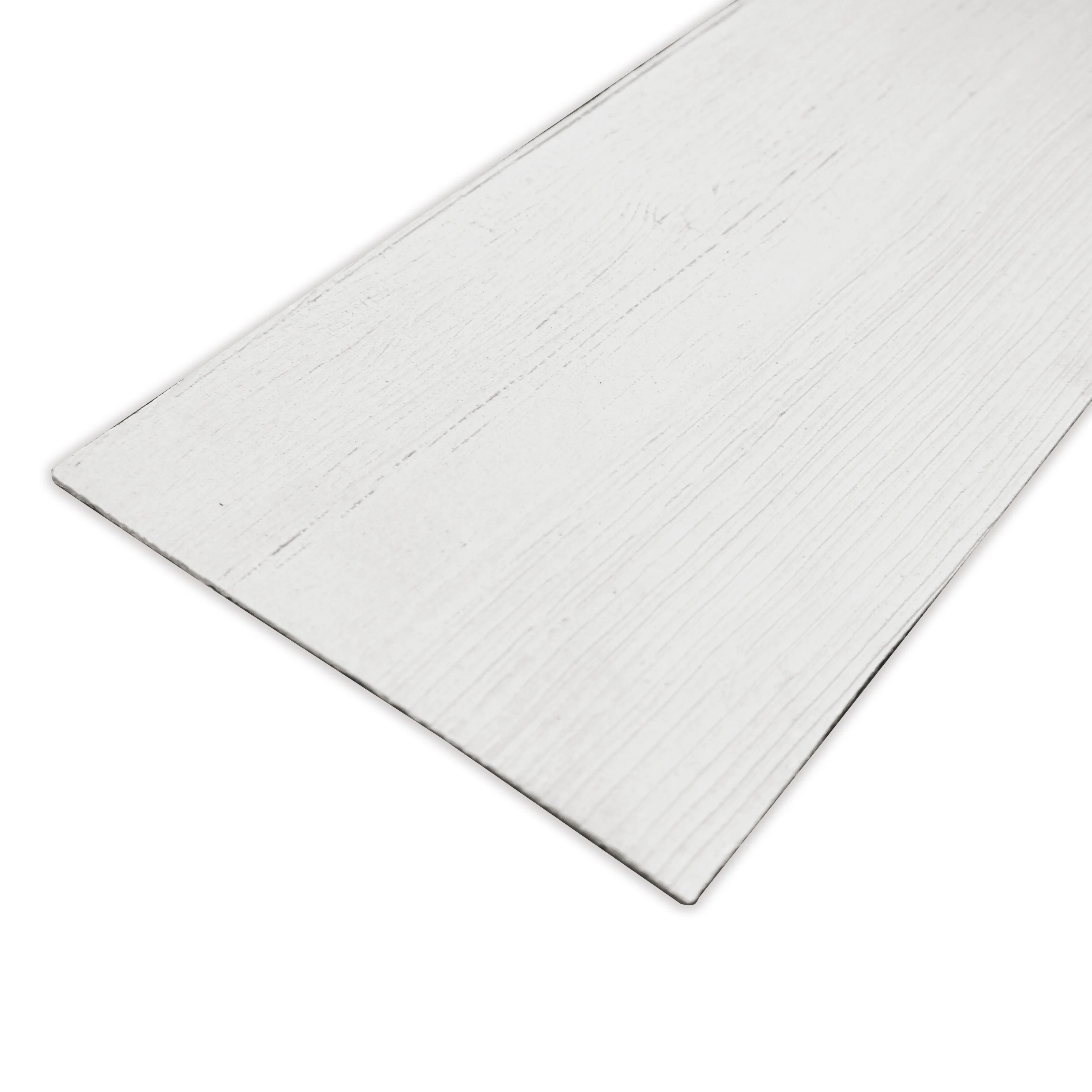
One of the biggest complaints about non-wood cladding is that it looks "fake"—like a cheap plastic imitation. Not White Wood MCM. Thanks to advanced printing technology, these panels replicate the look of real wood with (jīngrén de—stunning) detail. You'll see the same variation in grain, the same subtle color shifts, and even the occasional "knot" that makes wood feel organic. And unlike plywood, which fades and discolors over time, White Wood MCM retains its finish for decades. Want a lighter wash? A deeper walnut tone? The wood grain board options are endless, so you can match your home's style perfectly.
Plywood is heavy—about 3 pounds per square foot. Multiply that by a 2,000-square-foot home, and you're looking at back-breaking labor. White Wood MCM? Just 0.7 pounds per square foot. That means installers can carry more panels at once, work faster, and avoid injuries. Plus, MCM is flexible—it bends slightly to fit curved walls or uneven surfaces, something plywood can't do without cracking. It also installs over almost any substrate: wood, concrete, metal, even existing siding. No need to tear off old materials unless you want to—saving even more time and money.
Let's talk green. Plywood comes from trees, and while some is FSC-certified, deforestation is still a concern. MCM, on the other hand, uses recycled minerals and fiberglass, reducing its environmental footprint. It also lasts 50+ years, so you're not replacing siding every couple of decades—a huge win for reducing waste. And because it doesn't need toxic treatments (like plywood often does to resist pests), it's safer for installers, homeowners, and the planet.
Yes, MCM panels have a higher upfront cost than plywood. But let's do the math: Plywood costs $3-5 per square foot, plus $2-4 per square foot for installation, and then $1-2 per square foot every 3-5 years for repainting. Over 50 years, that's roughly $25-40 per square foot. White Wood MCM costs $8-12 per square foot installed, and… that's it. No repaints, no repairs, no replacement. Over time, it's not just cheaper—it's a fraction of the cost.
Still on the fence? Let's put it all in a table. Here's how plywood and White Wood MCM stack up side by side:
| Feature | Plywood | White Wood MCM |
|---|---|---|
| Lifespan | 15-20 years (with heavy maintenance) | 50+ years (minimal maintenance) |
| Moisture Resistance | Poor—absorbs water, prone to rot | Excellent—100% moisture-proof |
| Pest Resistance | Vulnerable to termites, ants, and borers | Impervious to pests |
| Maintenance Needs | Repaint every 3-5 years; repairs for warping/rot | None—just occasional cleaning with soap and water |
| Installation Weight | 3 lbs/sq ft (heavy, requires tools/helpers) | 0.7 lbs/sq ft (lightweight, easy to handle) |
| Long-Term Cost (50 years) | $25-40/sq ft (initial + maintenance + replacement) | $8-12/sq ft (one-time installation) |
| Aesthetic Longevity | Fades, discolors, and warps over time | Retains color and texture for decades |
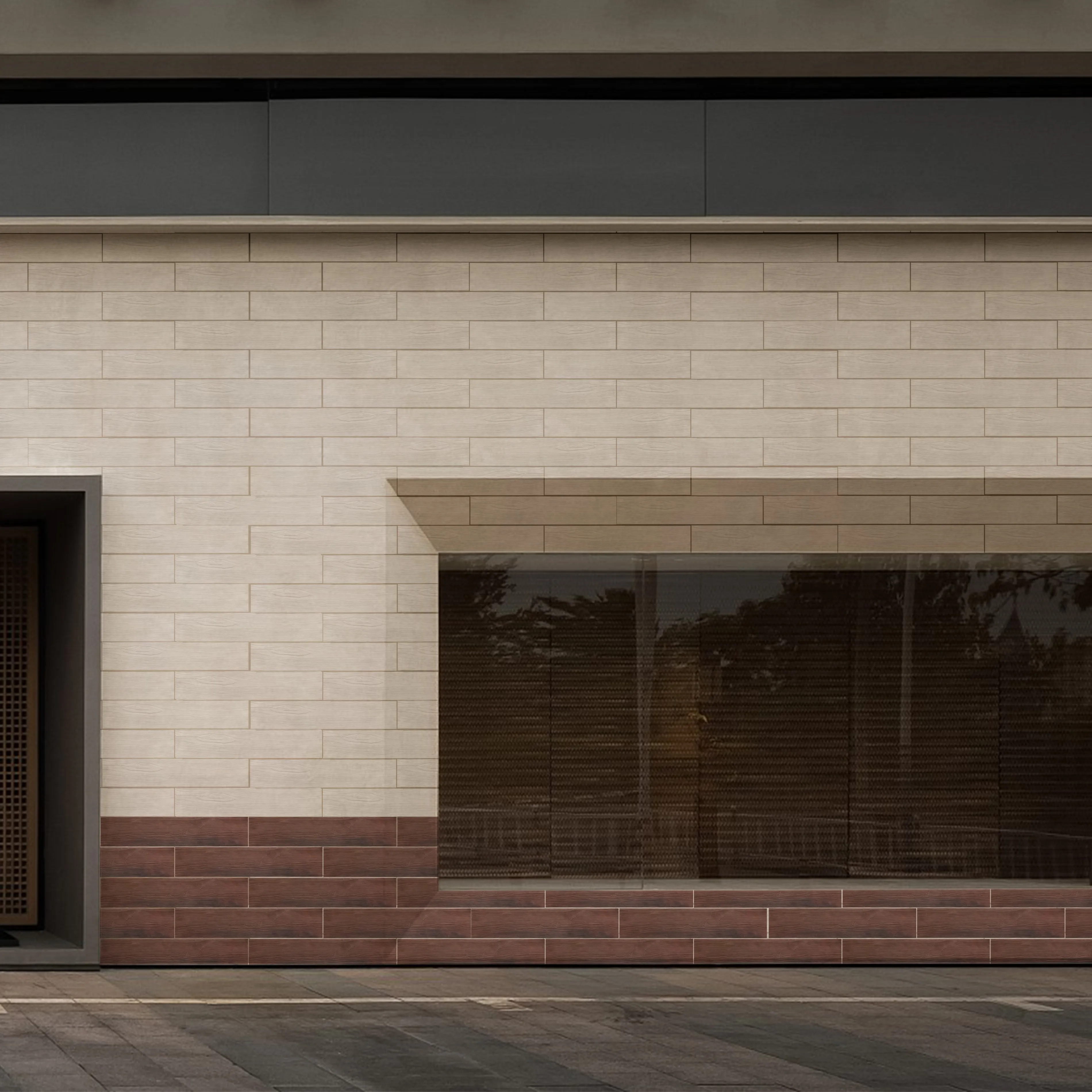
White Wood MCM is just the tip of the iceberg. The MCM family includes a range of products that cater to different styles and needs. For example, fair-faced concrete panels offer a sleek, industrial look for modern homes, while foamed aluminium alloy board (vintage silver) adds a metallic edge for contemporary designs. But what ties them all together is that same MCM promise: durability, beauty, and low maintenance.
Take MCM flexible stone , for instance. It mimics the look of natural stone—think marble, granite, or slate—but weighs a fraction of the real thing. It's perfect for homeowners who want the luxury of stone without the structural stress. And like White Wood MCM, it's resistant to scratches, stains, and weathering. It's no wonder architects are using MCM panels in everything from beachfront homes to urban high-rises.
Exterior cladding isn't just about looks—it's an investment in your home's value, comfort, and longevity. Plywood has served us well, but it's time to move beyond its limitations. White Wood MCM panels offer the best of both worlds: the timeless beauty of wood and the unbeatable performance of modern composite materials. They're durable, sustainable, and cost-effective in the long run. And let's not forget—they make your home look incredible, year after year.
So if you're building a new home or replacing old siding, ask yourself: Do I want to spend the next 50 years maintaining plywood, or enjoy a cladding solution that works as hard as you do? The answer, I think, is clear.
White Wood MCM isn't just a product—it's peace of mind. And in a world where homeownership comes with enough stress, that's priceless.
Recommend Products












