
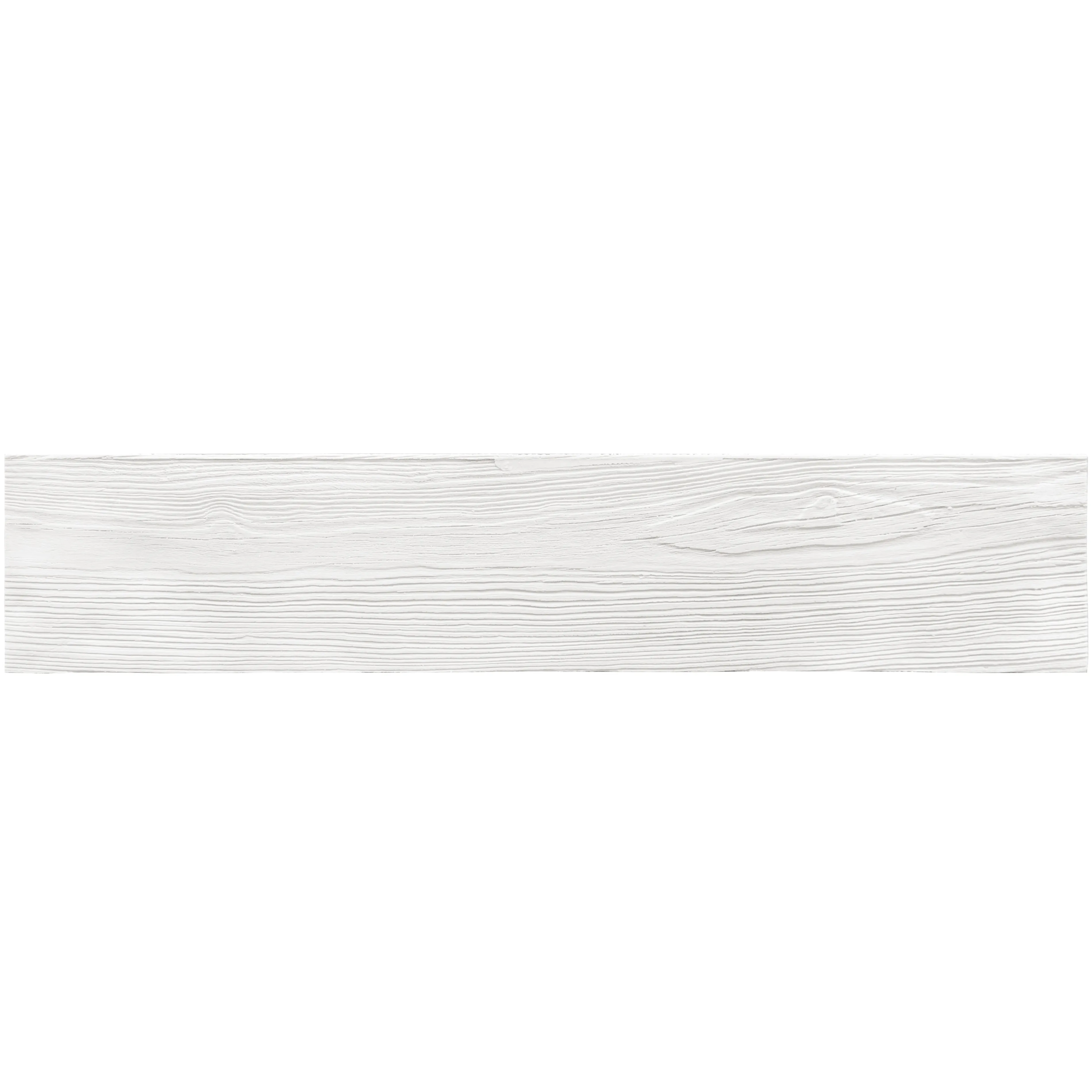
Why the right building material choice goes beyond looks—exploring durability, design, and daily life impact
Walk into any well-designed space, and you'll notice it immediately: the materials don't just fill a room—they shape it. They set the mood, stand up to the chaos of daily life, and quietly tell a story about the people who built it. For architects, designers, and homeowners alike, choosing between traditional standard panels and innovative options like the White Wood MCM Project Series often feels like balancing two worlds: the comfort of what's familiar, and the promise of what could be better.
The White Wood MCM Project Series, part of the broader MCM Project Board Series, isn't just another building material. It's a result of years of refining modified composite materials to mimic the warmth of natural wood while outperforming it in almost every measurable way. But how does it stack up against tried-and-true standard panels—think fair-faced concrete, wood grain board, or even bamboo mat board? Let's dive in.
This isn't just a technical comparison. It's about the difference between a wall that fades after a few rainy seasons and one that stays vibrant for decades. Between a surface that chips when a chair scrapes against it and one that laughs off daily wear. Between a material that limits your design vision and one that expands it. Let's break down the performance gaps that turn "good enough" into "perfect for life."
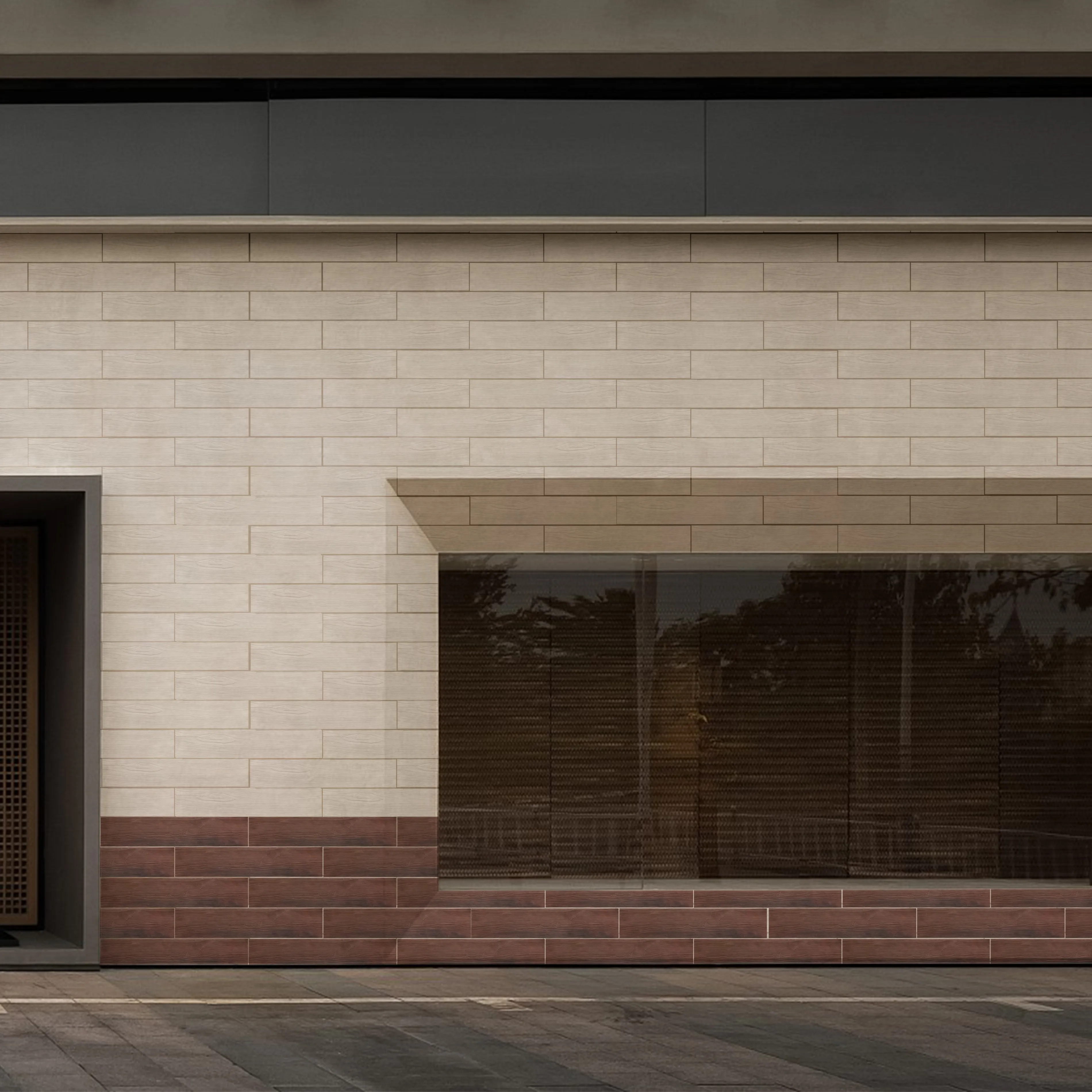
Before we compare, let's clarify what we're talking about. The White Wood MCM Project Series is a subset of the MCM Project Board Series, a line of building materials built around modified composite material —a blend of high-performance polymers, natural minerals, and reinforcing fibers. It's designed to mimic the look and texture of real wood (hence "White Wood") but with a twist: it's engineered to solve the biggest flaws of natural wood and traditional panels.
Standard panels, by contrast, are the workhorses we've relied on for decades. They include options like fair-faced concrete (raw, uncoated concrete with a utilitarian vibe), wood grain board (pressed wood fibers with a wood-like print), and bamboo mat board (woven bamboo strips bonded with resin). These materials have their place, but they often come with trade-offs: wood grain board might warp in humidity; fair-faced concrete is heavy and prone to staining; bamboo mat board can scratch easily. The question is: Does the White Wood MCM Project Series bridge those gaps?
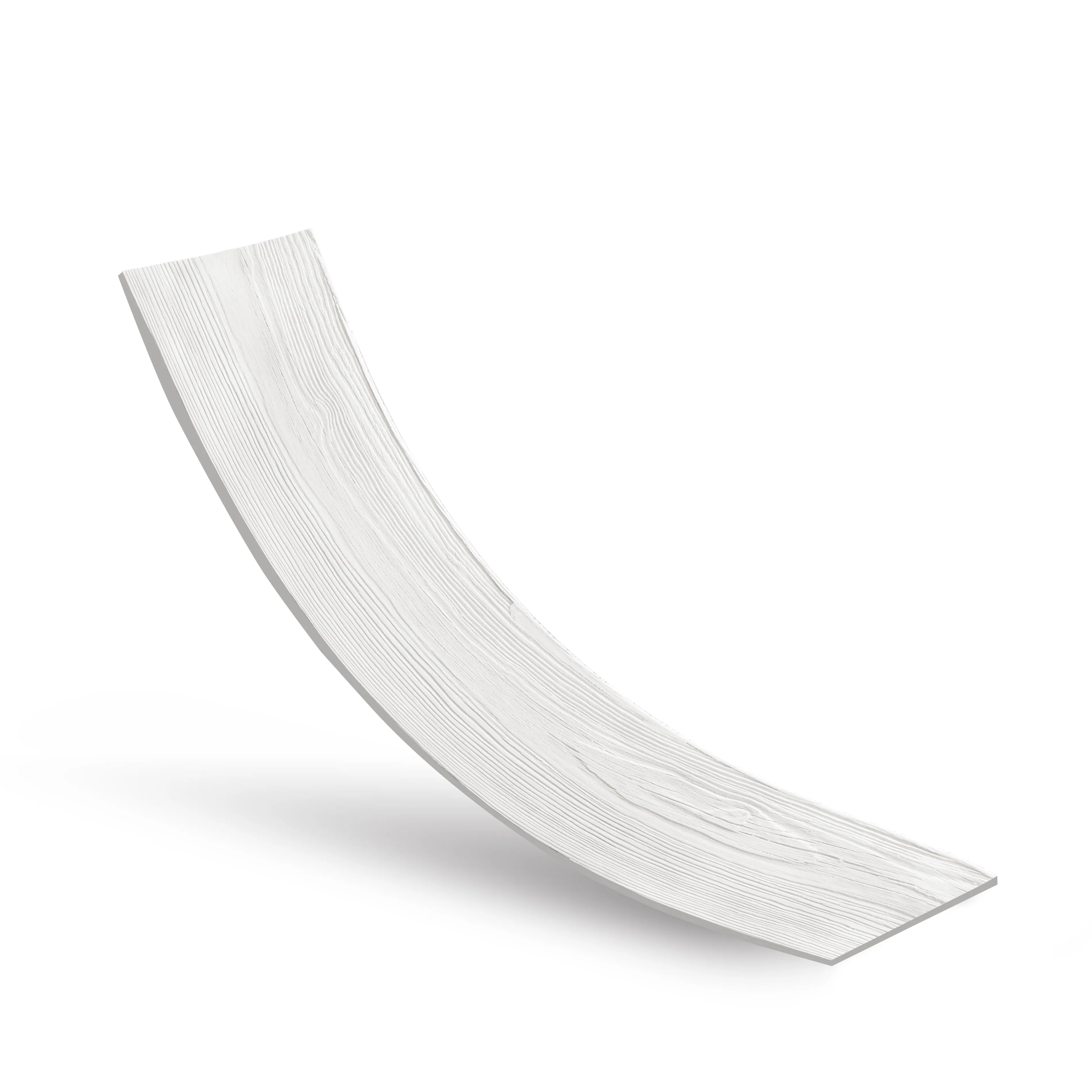
Let's start with the basics: how well a material holds up over time. For anyone who's dealt with a warped wood deck or a concrete wall stained by rain, durability isn't just a bullet point—it's peace of mind. The White Wood MCM Project Series, thanks to its modified composite core and flexible stone technology (a key feature of the broader MCM line), is built to withstand the kind of daily punishment that would leave standard panels battered.
Take impact resistance, for example. drop a heavy tool on a wood grain board, and you'll likely end up with a dent or a split. Do the same on White Wood MCM, and the material's fiber-reinforced structure absorbs the shock, leaving little more than a faint mark. It's why commercial spaces—think busy restaurants or high-traffic office lobbies—are increasingly turning to MCM: it handles the chaos of foot traffic, furniture scrapes, and the occasional wayward delivery cart without showing its age.
Then there's the elements. Standard panels like bamboo mat board or even untreated wood grain board often struggle with moisture: in humid climates, they swell; in dry ones, they crack. White Wood MCM, however, is inherently water-resistant. Its non-porous surface prevents mold growth and rot, making it ideal for bathrooms, kitchens, or outdoor patios. Even fair-faced concrete, which is tough, can develop hairline cracks over time due to temperature changes—a problem MCM avoids with its flexible stone layer, which bends slightly instead of breaking under stress.
UV resistance is another quiet winner. Standard wood-based panels fade under harsh sunlight, turning from rich browns to washed-out grays in a few years. White Wood MCM's color is embedded deep within its composite structure, not just printed on top. That means it retains its warm white-wood tone even after years of direct sun—no need for frequent repainting or staining.
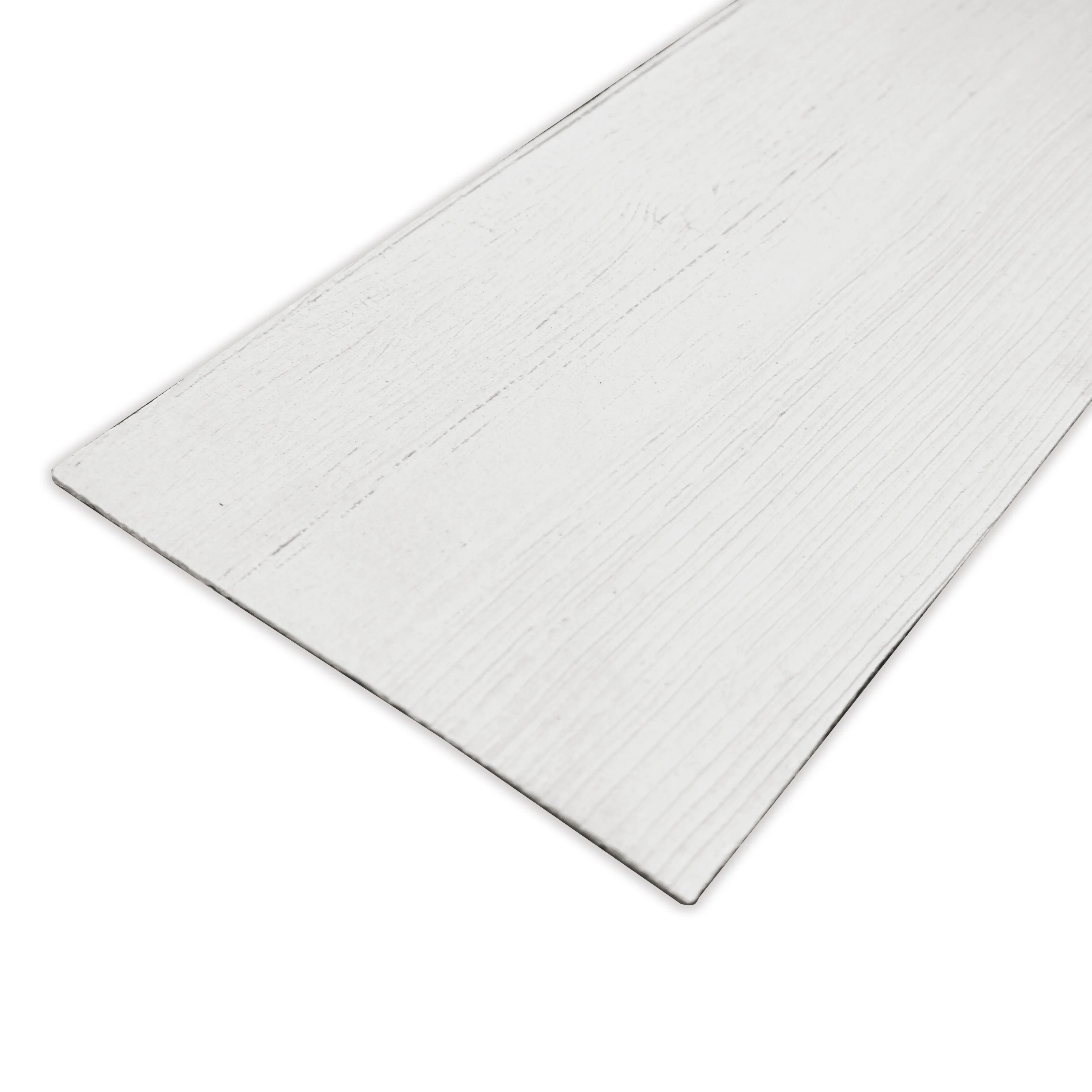
Let's be honest: looks matter. A material can be indestructible, but if it feels cold or cheap, it'll never make a space feel like home. The White Wood MCM Project Series shines here, blending the organic warmth of wood with the consistency standard panels often lack.
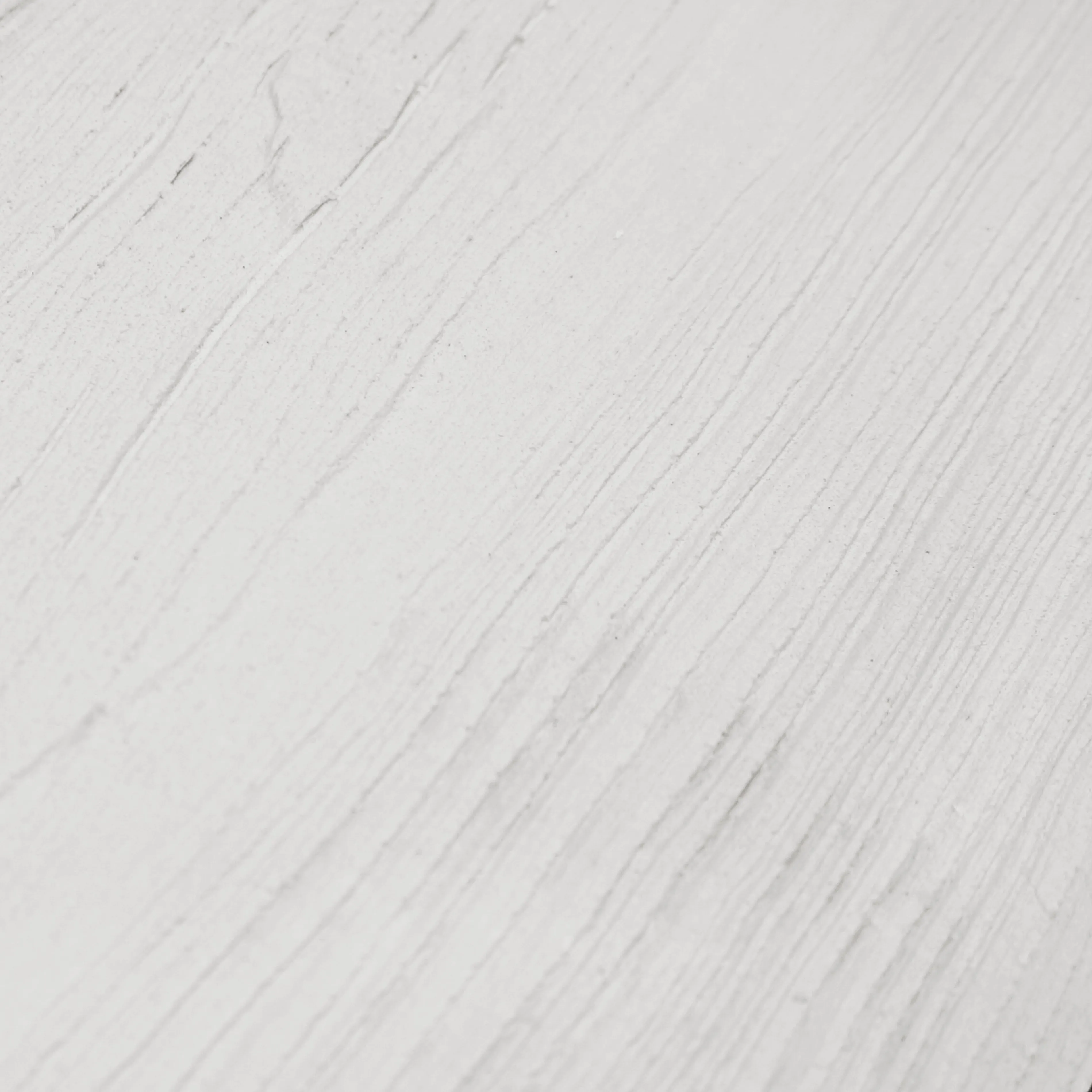
Wood grain board, for example, tries to mimic real wood, but its printed texture can feel flat up close, and batches often have noticeable color variations. Bamboo mat board has a lovely woven pattern, but its natural fibers can create unevenness—some strips darker, some lighter—that disrupts a cohesive design. White Wood MCM, by contrast, uses advanced 3D texturing to replicate the subtle knots, grains, and even the soft sheen of real wood. Run your hand over it, and you'll feel the same warmth as solid wood, but with a uniformity that ensures every panel matches, no matter the batch.
Design flexibility is another edge. Unlike fair-faced concrete, which is limited to a raw, industrial look, or bamboo mat board, which is stuck in its woven pattern, White Wood MCM can be cut, shaped, and installed in ways that unlock creativity. Want a curved accent wall? Its lightweight flexibility makes it possible. Dream of a seamless transition from indoor to outdoor? Its weather resistance means the same panel works in both spaces. Even better, it pairs beautifully with other MCM lines—like the subtle texture of flexible stone or the modern edge of foamed aluminium alloy board—without clashing.
And let's talk about "aging gracefully." Natural wood develops a patina over time, which some love—but it can also look worn or uneven. Standard panels like wood grain board fade unevenly, creating patchy spots. White Wood MCM ages consistently : its color softens slightly over the years, but it never develops splotches or discoloration. It's the kind of material that looks just as good on day one as it does on year ten.
Here's a truth often overlooked: how easy a material is to install affects more than just the construction timeline—it impacts your budget, your stress levels, and even the structural integrity of your project. Standard panels, especially heavier ones like fair-faced concrete, can turn installation into a logistical nightmare.
Consider fair-faced concrete panels: each can weigh 50-80 pounds, requiring specialized lifting equipment and extra structural support. Installing a single wall might take a crew of four a full day. Wood grain board is lighter, but it still needs careful handling to avoid warping during installation, and it often requires priming and painting on-site—adding days to the process. Bamboo mat board, while lightweight, is fragile; a single misstep during installation can tear its woven fibers, leading to wasted materials and delays.
White Wood MCM flips the script. At just 3-5 pounds per square foot, it's easy for a two-person crew to handle, cutting labor costs by up to 30%. Its interlocking design and pre-finished surface mean no on-site painting or sealing—once it's up, it's done. Even better, its lightweight nature reduces the need for heavy structural reinforcement, making it suitable for retrofits or buildings with weight restrictions (like older homes or high-rise apartments). For contractors, this translates to faster project turnarounds; for homeowners, it means less disruption and lower bills.
These days, every material choice carries an environmental footprint—and standard panels often come with hidden costs. Take wood grain board: it's often made from fast-growing softwoods or recycled wood fibers, but the adhesives and resins used can release VOCs (volatile organic compounds) into the air. Fair-faced concrete production is notoriously carbon-intensive, contributing to about 8% of global CO2 emissions. Bamboo mat board, while renewable, requires large amounts of resin to bind the strips, and its production can deplete local bamboo supplies if not managed sustainably.
The White Wood MCM Project Series, part of the MCM line, prioritizes sustainability from the start. Its modified composite material uses up to 30% recycled content, including reclaimed stone dust and post-industrial polymers, reducing waste. The manufacturing process is water-efficient, using 70% less water than traditional concrete production, and its lightweight design cuts down on transportation emissions (fewer trucks needed to haul materials). Even better, because it lasts decades without needing replacement, it reduces the "material lifecycle" impact—no need to tear out and replace warped or faded panels every 5-10 years.
And let's not forget indoor air quality. Unlike some wood grain boards or bamboo mat boards that off-gas chemicals, White Wood MCM is low-VOC and GREENGUARD certified, meaning it won't release harmful fumes into your home or workspace. For anyone with allergies or a focus on healthy living, that's not just a bonus—it's a necessity.
| Performance Metric | White Wood MCM Project Series | Fair-Faced Concrete | Wood Grain Board | Bamboo Mat Board |
|---|---|---|---|---|
| Impact Resistance | High (resists dents/scratches) | High (but prone to cracking) | Low (dents easily) | Medium (fibers can tear) |
| Weather Resistance | Excellent (moisture/UV resistant) | Good (but stains easily) | Poor (warps in humidity/fades) | Fair (swells in moisture) |
| Installation Time | Fast (lightweight, no priming) | Slow (heavy, needs structural support) | Medium (requires painting/sealing) | Medium (fragile, careful handling) |
| Lifespan | 25+ years | 20+ years (with maintenance) | 5-8 years | 8-10 years |
| Sustainability | High (recycled content, low-VOC) | Low (high carbon footprint) | Medium (depends on sourcing) | Medium (renewable but resin use) |
At the end of the day, choosing between White Wood MCM and standard panels isn't just about checking boxes on a spec sheet. It's about asking: How do I want this space to feel, not just today, but 10 years from now? Will I be stressing over warped boards or stained concrete? Or will I be enjoying a material that keeps up with my life, my design vision, and my values?
The White Wood MCM Project Series, as part of the MCM Project Board Series, doesn't just outperform standard panels in durability, aesthetics, or sustainability—it redefines what a building material can be. It's a reminder that innovation doesn't have to sacrifice warmth, and that practicality doesn't mean settling for "good enough." Whether you're designing a home, a restaurant, or an office, it's the kind of choice that pays off every single day—in fewer repairs, more compliments, and the quiet confidence that you built something that lasts.
Because in the end, the best materials aren't just part of the space—they're part of the story.
Recommend Products












